Recessed LED Lighting vs Traditional Fixtures in Commercial Buildings
At Kord Electric, our recessed led systems have become a defining feature in modern commercial and industrial spaces. Within the first few steps into a facility, lighting sets the tone. It shapes productivity, safety, and even reputation. Therefore, choosing between recessed led lighting and traditional fixtures is not a cosmetic decision. It is a strategic one. Kord Electric serves major commercial properties and industrial facilities, and their expert service staff often explains that lighting is not just about brightness. It is about performance, cost control, and long term reliability. In this article, they break down the real differences with clarity, authority, and perhaps a touch of humor to keep things interesting.
The Evolution of Commercial Lighting in Large Facilities
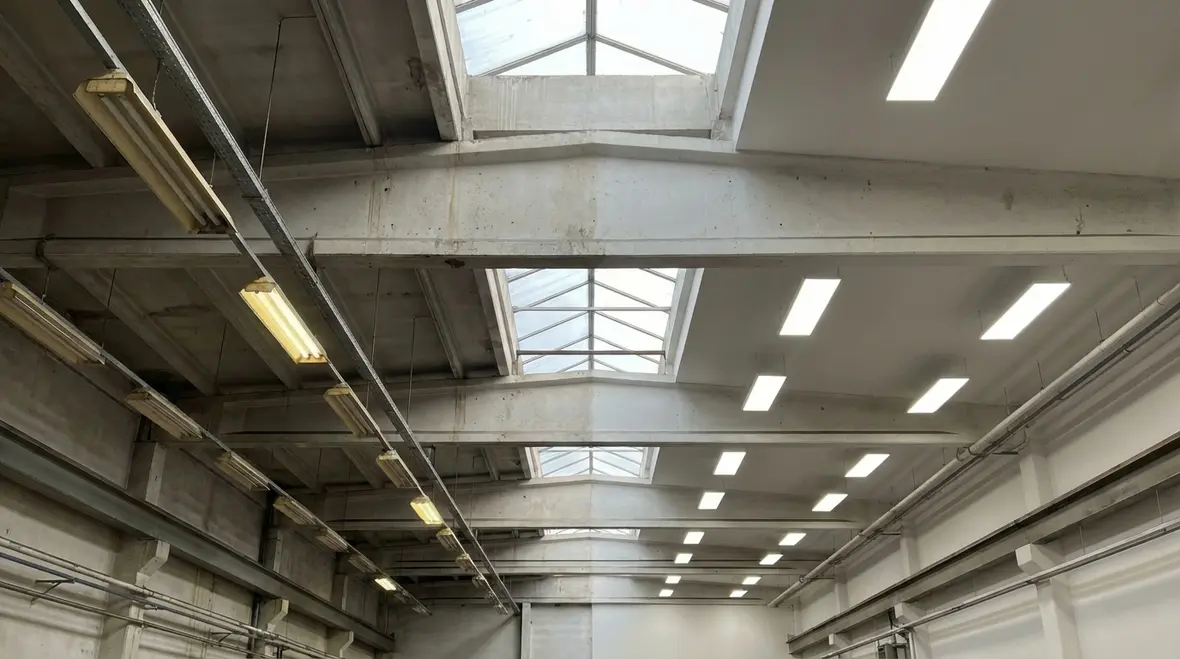
Commercial lighting has traveled a long road. Years ago, large properties relied heavily on fluorescent troffers, metal halide high bays, and incandescent fixtures. At the time, those systems felt cutting edge. However, they consumed large amounts of energy, required frequent lamp replacements, and often produced uneven light.
As technology progressed, facility managers began demanding more efficiency and better performance. Consequently, recessed led technology stepped into the spotlight. Instead of bulky fixtures hanging into workspace areas, recessed systems sit cleanly within ceilings, delivering smooth and consistent illumination. Moreover, they reduce glare and shadows, which improves visibility in offices, warehouses, medical buildings, and manufacturing floors.
Kord Electric has watched this shift firsthand. Their technicians often explain to property owners that traditional lighting was built for a different era. It did the job, yes. But so did dial up internet. Times change.
What Is Recessed LED Lighting and Why Are Major Buildings Switching?
Recessed led lighting refers to fixtures installed directly into ceilings, creating a streamlined appearance while delivering powerful and focused light. Instead of protruding into the space, these fixtures integrate seamlessly into the building structure.
Large commercial properties are switching for several reasons:
Energy efficiency: Recessed led systems consume significantly less electricity compared to fluorescent and incandescent options.
Long lifespan: Many units last tens of thousands of hours, reducing maintenance interruptions.
Improved light quality: They provide consistent color temperature and reduce flicker.
Professional appearance: Clean ceiling lines enhance the look of executive offices, lobbies, and conference areas.
In addition, Kord Electric’s expert service staff often points out that modern recessed led fixtures pair easily with smart controls. Therefore, facility managers can integrate dimming schedules, occupancy sensors, and daylight harvesting systems without complex retrofits.
Traditional fixtures, on the other hand, rely on older ballast systems or high intensity discharge technology. While they once dominated commercial spaces, they struggle to match today’s performance expectations.
For facilities that are ready to upgrade, dedicated services like professional recessed lighting installation give property managers a clear path from legacy fixtures to modern recessed led systems without guesswork or unnecessary disruption.
Energy Efficiency and Operational Savings in Industrial Settings
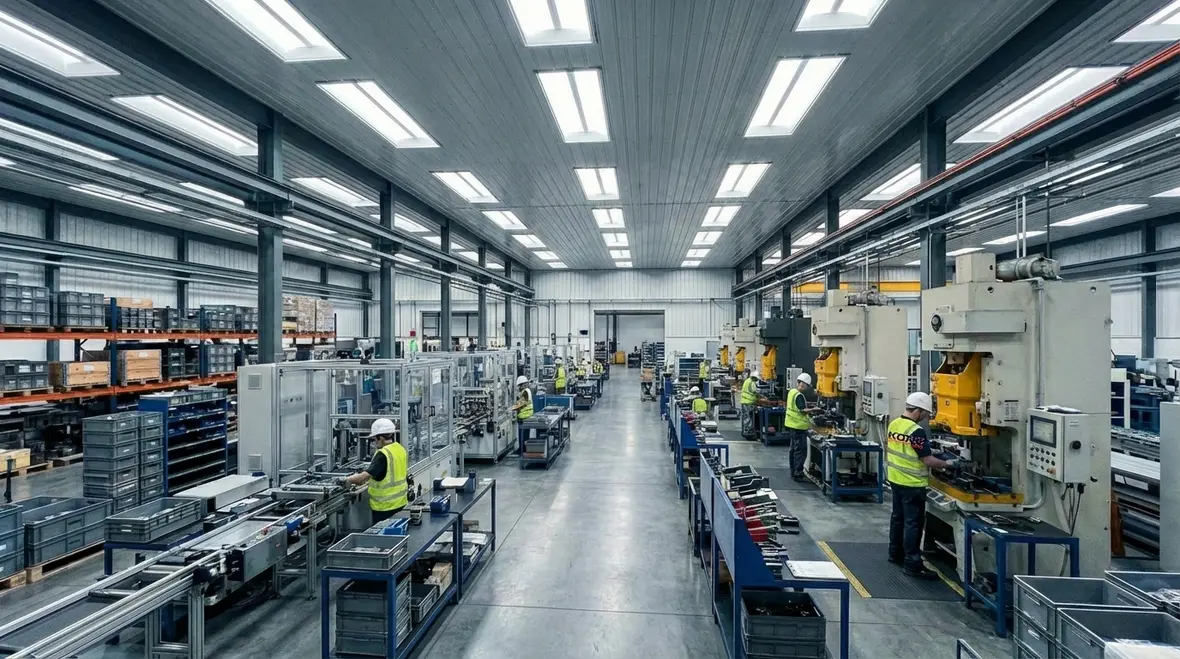
Energy costs remain one of the largest operational expenses for industrial facilities. Lighting may not seem dramatic, yet it runs for long hours across vast square footage. Consequently, even small efficiency gains translate into major savings.
Recessed led installations can reduce lighting energy consumption by a substantial margin. Because they convert more electricity into usable light instead of heat, less power goes to waste. Furthermore, many commercial properties qualify for utility incentives when upgrading to high efficiency systems.
Kord Electric approaches projects with a data driven mindset. Their technicians evaluate existing loads, usage patterns, and peak demand cycles. Then they present facility managers with clear projections of cost savings. In many cases, the numbers speak louder than any sales pitch. After all, when a system pays for itself over time, the conversation becomes less about expense and more about smart investment.
Traditional fixtures often require higher wattage to achieve comparable brightness. Moreover, they generate more heat, which can increase cooling demands. In a large warehouse or production facility, that extra heat becomes more than an inconvenience. It becomes a budget line item.
For property teams that want to connect lighting upgrades with broader energy strategies, programs such as electrical preventive maintenance help keep new recessed led systems running at peak efficiency while reducing the risk of surprises on the utility bill.
Maintenance Demands and Downtime Considerations
In commercial and industrial environments, downtime costs money. Replacing lamps across high ceilings requires lifts, labor, and scheduling adjustments. Therefore, maintenance frequency plays a crucial role in lighting decisions.
Recessed led systems typically offer extended operational life. Instead of changing bulbs every year or two, facilities may operate for years with minimal intervention. Additionally, these systems eliminate many ballast related failures that plague fluorescent setups.
Kord Electric’s service staff often explains this difference in practical terms. Every maintenance call involves labor hours, equipment rental, and sometimes production slowdowns. By reducing the frequency of those calls, recessed led installations improve operational continuity.
Traditional fixtures, while reliable in their time, require ongoing lamp replacements and periodic ballast servicing. Consequently, maintenance budgets can creep upward without managers fully noticing. It is a bit like a slow leak in a tire. You may not see it at first, but eventually, you are stranded.
Planned Maintenance vs. Emergency Calls
Because recessed led systems run longer and more reliably, facilities can shift from reactive “fix it when it fails” behavior to planned maintenance. That means fewer emergency calls at inconvenient hours and more scheduled work performed under controlled conditions, with the right equipment already on site.
When lighting is treated as part of a broader maintenance strategy instead of a series of one off repairs, facilities gain predictability. Budgets stabilize, safety improves, and the maintenance team can focus on higher-value tasks instead of constantly chasing burned out lamps.
Light Quality, Safety, and Workplace Performance
Lighting affects more than aesthetics. It directly influences safety and productivity. In industrial environments, clear visibility reduces errors and accidents. In office settings, consistent illumination supports focus and reduces eye strain.
Recessed led technology provides even light distribution with controlled beam angles. As a result, it minimizes harsh glare and dark spots. Furthermore, many systems offer selectable color temperatures, allowing facilities to tailor lighting to specific operational needs.
Kord Electric’s technicians frequently walk clients through sample installations. They demonstrate how recessed led lighting improves clarity in work zones and meeting areas alike. Moreover, they explain how high color rendering supports detailed tasks in labs, production lines, and inspection stations.
Traditional fixtures may flicker or shift color over time. While this may seem minor, prolonged exposure can impact comfort and concentration. In high stakes environments, even small distractions matter. No facility manager wants to discover that lighting conditions contributed to preventable errors.
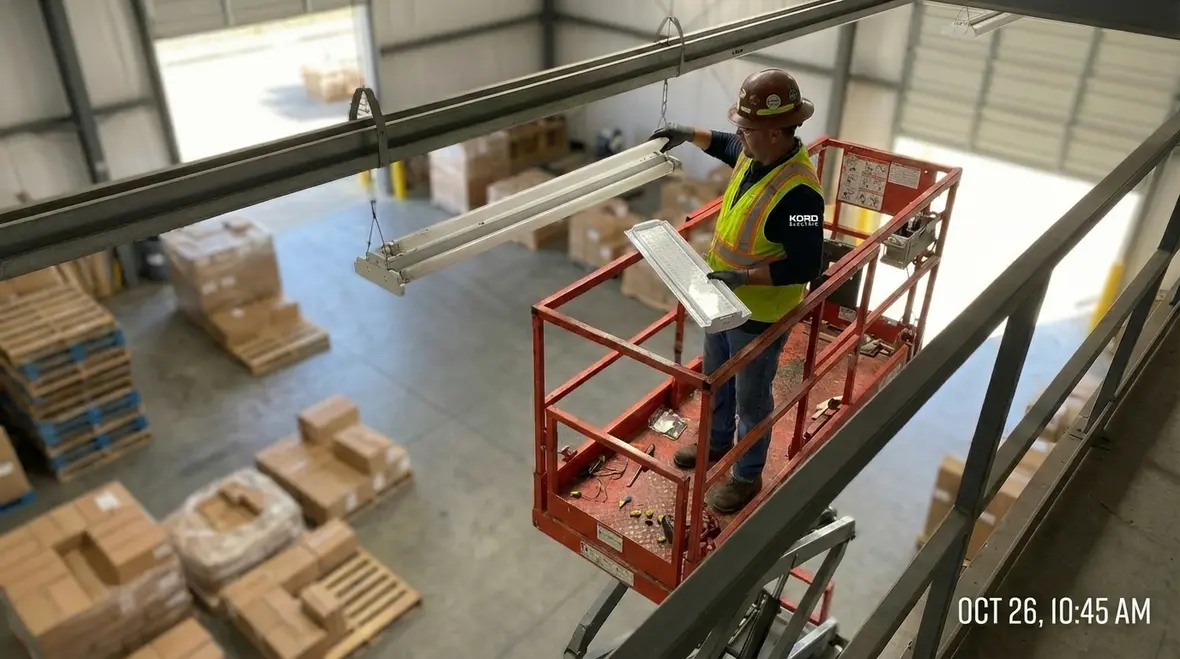
Poor visibility is one of the fastest ways to undermine even the best safety program. That is why many decision makers pair recessed led upgrades with a review of broader workplace lighting risks, often using resources such as Kord’s own insights on workplace lighting safety hazards as a guide to improve both compliance and day to day conditions.
Lighting, Codes, and Compliance Expectations
In many regions, including California, lighting performance ties directly into energy and safety codes. Recessed led systems align naturally with these requirements: they support advanced controls, deliver predictable light levels, and simplify compliance documentation. Traditional fixtures can meet code in some scenarios, but often require more effort and compromise.
Property managers who want to stay ahead of inspections and rule changes increasingly look to recessed led solutions that are designed with current standards in mind. Aligning fixtures, controls, and documentation early is much easier than attempting to retrofit compliance onto an outdated lighting system later.
Design Flexibility and Architectural Integration
Commercial properties often serve as brand statements. Corporate headquarters, medical complexes, and large retail centers project professionalism through design. Therefore, lighting must complement architecture rather than compete with it.
Recessed led systems integrate smoothly into drop ceilings, drywall ceilings, and specialized architectural features. Because they sit flush, they create a clean visual field. Consequently, designers gain freedom to highlight structural elements without clutter.
Traditional fixtures can appear bulky or dated. Although functional, they may interrupt clean ceiling lines. In executive suites or high end conference centers, that visual difference becomes noticeable.
Kord Electric collaborates closely with architects and property managers. Their expert service staff explains installation requirements clearly and ensures compliance with commercial building codes. Additionally, they plan layouts that balance performance with appearance. After all, lighting should enhance a space, not shout for attention like an overenthusiastic karaoke singer.
Brand Experience from Lobby to Loading Dock
In modern facilities, the lighting story begins at the front entrance and continues through every corridor, office, and production area. Recessed led layouts can be tuned by zone, so executive spaces, open offices, corridors, and warehouse aisles each receive lighting that supports their specific function while still feeling like part of one coherent design.
A visitor might not consciously notice the fixtures themselves, but they will remember how the space feels: bright but not harsh, professional but not sterile, and consistent from one area to the next. That kind of subtle cohesion is difficult to achieve with a patchwork of legacy fixtures installed over many years.
Side by Side Comparison for Commercial Decision Makers
Below is a structured comparison that Kord Electric often shares during consultations. Although every facility is unique, these categories help clarify priorities.
Column One: Recessed LED Systems
Lower energy consumption
Long operational lifespan
Reduced maintenance frequency
Consistent light quality
Seamless ceiling integration
Compatibility with smart controls
Column Two: Traditional Fixtures
Higher energy usage
Frequent lamp and ballast replacements
Increased heat output
Potential flicker over time
Bulkier visual profile
Limited integration with modern control systems
While traditional systems may carry lower upfront equipment costs in some cases, long term performance often favors recessed led installations. Therefore, Kord Electric guides clients to evaluate total lifecycle cost rather than initial price alone.
Looking Beyond the Fixture Price Tag
Total cost of ownership for lighting includes far more than the invoice for fixtures. It also encompasses energy use, maintenance labor, lift rentals, replacement parts, downtime during repairs, and the occasional “surprise” expense when a critical area goes dark at the worst possible moment.
Recessed led systems restructure that cost profile. Energy use drops, maintenance becomes less frequent and more predictable, and lighting performance remains stable year after year. That stability gives financial teams fewer variables to worry about when they plan budgets and long range capital improvements.
How Kord Electric Approaches Commercial Lighting Upgrades
Kord Electric focuses exclusively on commercial and industrial facilities, including major property buildings. They do not treat projects as simple fixture swaps. Instead, they conduct thorough assessments that consider load capacity, ceiling structure, usage patterns, and regulatory requirements.
First, their technicians perform on site evaluations. Next, they review electrical infrastructure to confirm compatibility. Then they design lighting plans tailored to operational goals. Throughout the process, their expert service staff explains each step in plain language. Clients understand not only what will change, but why it matters.
Moreover, Kord Electric schedules installations to minimize disruption. In active industrial environments, timing is critical. Consequently, their teams coordinate closely with facility managers to avoid interfering with production schedules.
When discussing recessed led solutions, they provide clear projections for energy savings, maintenance reductions, and system lifespan. Transparency builds trust. And in large commercial projects, trust is everything.
For facilities planning major upgrades or new builds, partnering early with a team that delivers dedicated lighting installation services ensures that recessed led systems, controls, and supporting electrical infrastructure are designed as one integrated package instead of a series of disconnected decisions.
Frequently Asked Questions
Conclusion: Lighting the Future with Confidence
Commercial lighting is not just overhead hardware. It is a long term operational strategy. Kord Electric helps industrial facilities and major commercial properties move from outdated systems to smarter solutions with confidence and clarity. Their experienced technicians stand ready to design and install efficient recessed led systems tailored to demanding environments. When performance, safety, and savings matter, they invite decision makers to partner with Kord Electric and illuminate the future the right way.
Whether your next project involves a targeted retrofit in a single building or a campus-wide lighting overhaul, aligning recessed led upgrades with specialized commercial expertise turns lighting from a lingering problem into a long term asset. With the right plan, your fixtures can work just as hard as the rest of your operation—quietly, reliably, and effectively in the background.
For facility managers ready to translate ideas into action, Kord Electric’s recessed lighting and broader commercial lighting services are built specifically for large, complex properties. From first walkthrough to final commissioning, the focus stays on performance, safety, and predictable results.