Signs Commercial Electrical Panel Needs Upgrade
At Kord Electric, we have seen the same story play out across warehouses, retail centers, and office buildings. First, the lights flicker once and everyone shrugs. Then the breakers start tripping more often. After that, the staff notices heat at the wrong spots, and suddenly the building feels one maintenance call away from turning into a very expensive lamp showroom. In this article, we address the signs commercial electrical panel needs upgrade and what they mean for your facility, because electrical problems do not get better by ignoring them. Others might call it patience. We call it gambling with your uptime.
And yes, we will keep it calm. Our technicians and expert service staff explain what is happening step by step, in plain language, the way you would explain a parking ticket to someone who swears they parked legally. Now let’s get you ready to spot the real warning signs before they become downtime.
What electrical stress looks like inside a commercial facility
Commercial and industrial spaces rarely run on gentle loads. Instead, they handle steady power use plus spikes from HVAC systems, motors, refrigeration, cooking equipment, charging stations, and more. Over time, that stress pushes an electrical panel beyond what it was designed to safely manage. Signs commercial electrical panel needs upgrade show up as patterns, not as one-off quirks.
For example, if you notice repeated breaker trips, you may assume the issue is “just a bad breaker.” However, our technicians often find the deeper cause is a panel that can no longer distribute load properly. As a result, the system works harder to compensate, heat builds, connections loosen, and performance declines. And when performance declines in an electrical system, the building does not just lose comfort. It risks safety.
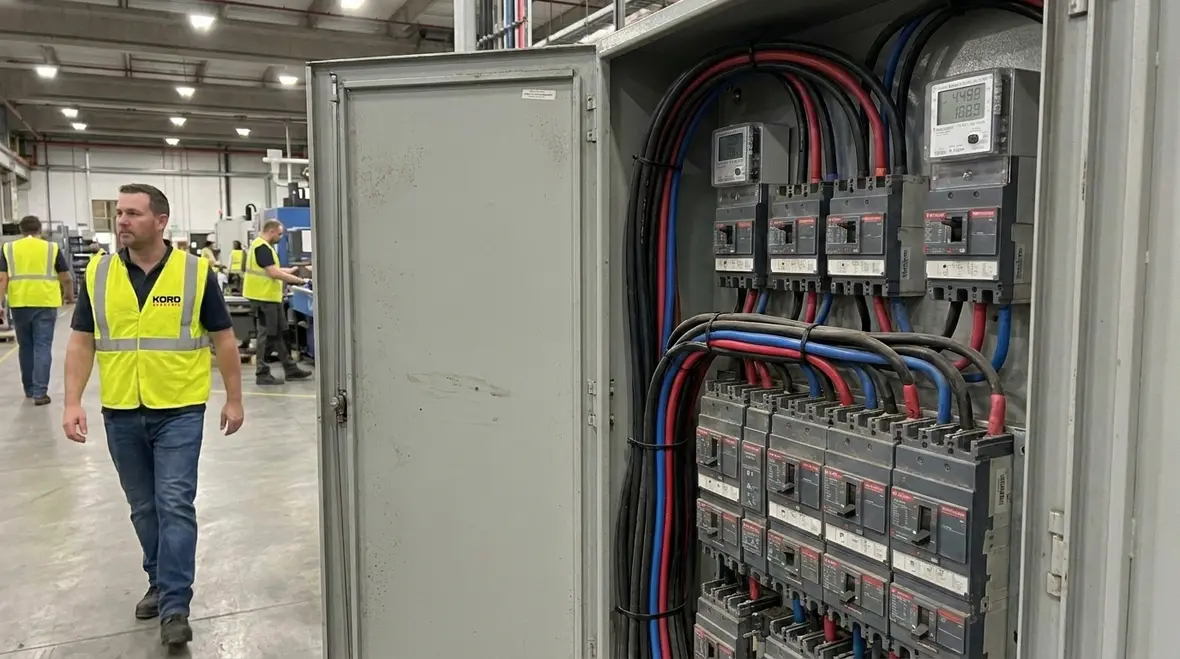
Inside the panel, electrical stress often hides as subtle issues: conductors running hot under normal loads, bus connections that have seen one too many thermal cycles, and breakers that have been reset instead of properly evaluated. Each of these looks small in isolation. Together, they form a pattern that tells us the system has been working beyond its comfortable limits for too long.
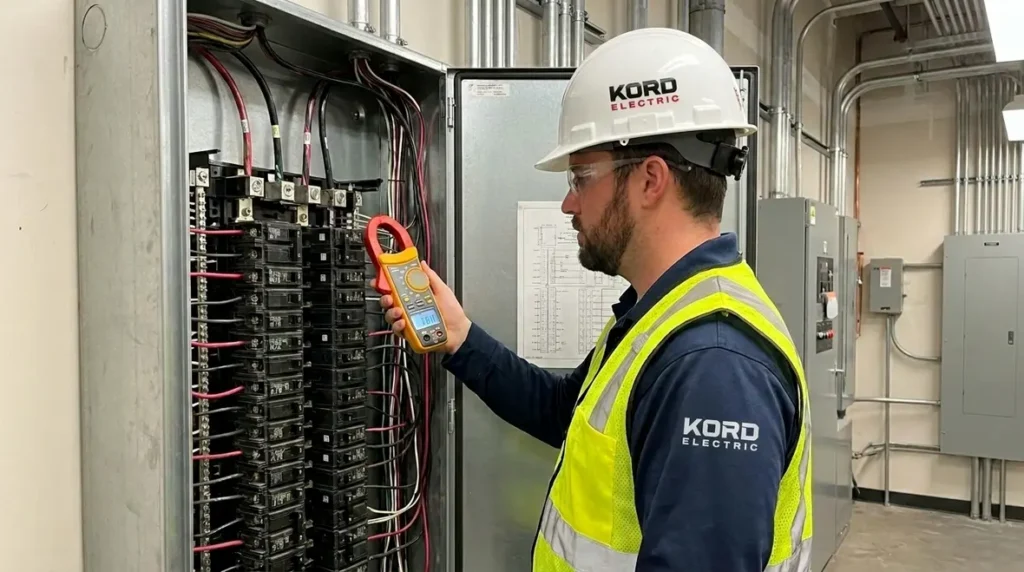
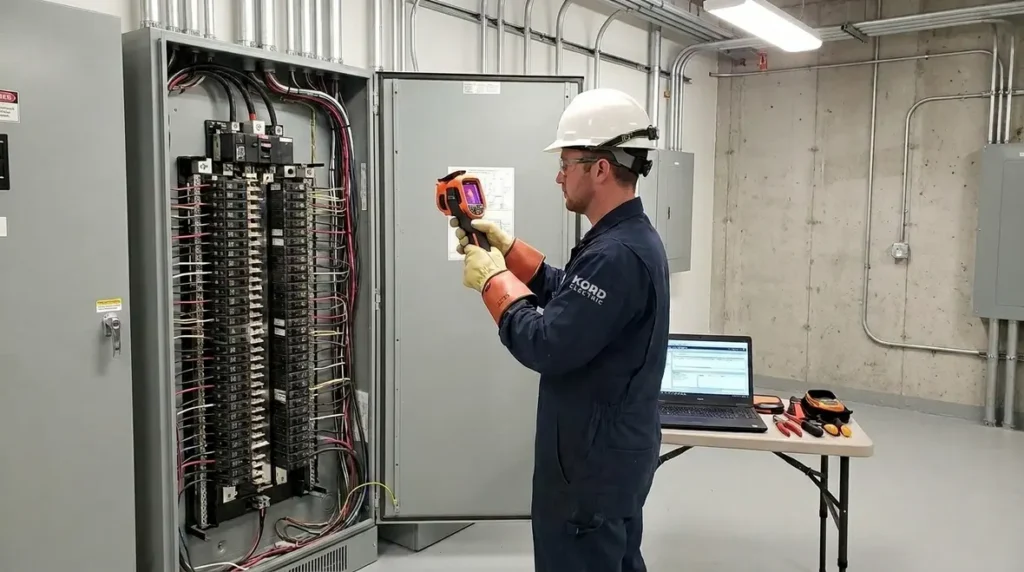
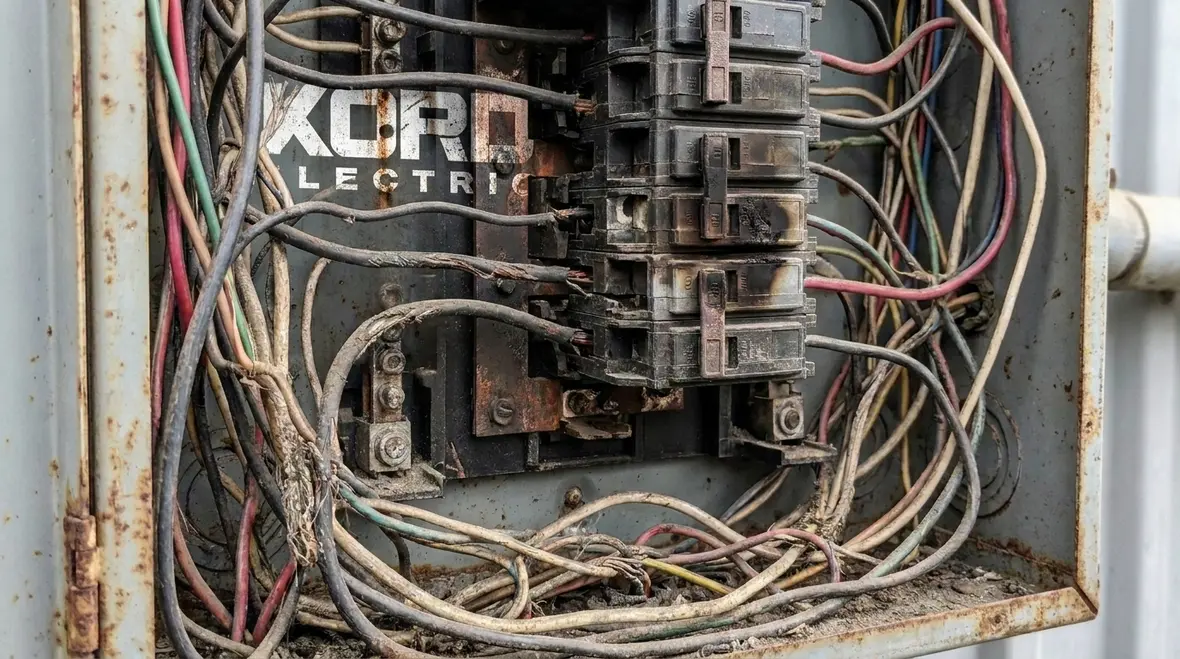
That is why we pay attention to both the visible and the invisible. Visible issues might include darkened insulation, discolored bus bars, or labels that no longer match the reality of what feeds what. The invisible side shows up in load measurements, thermal readings, and how the panel behaves when the building leans on it during peak demand. When those two sides agree that stress is rising, it is time to think beyond band-aid fixes and address the panel itself.
Warning signs you can spot before they escalate
If you manage a major property building, you need details that actually help you make decisions. So here is what we typically look for, based on common field findings we have documented in Los Angeles and beyond.
1) Breakers that trip without a clear reason
When breakers trip frequently, it often means the panel cannot handle normal demand or that something is failing in the distribution path. We treat this as a system symptom, not an isolated nuisance. In many cases, the trip patterns line up with peak use hours, which tells us the panel is struggling under load.
We also look at what happens after a reset. If a breaker holds only when equipment stays off, or if it trips again as soon as normal operations resume, that is a strong hint that the breaker is not the true villain. Instead, the combination of connected loads, panel capacity, and aging components usually tells the real story.
2) Signs of heat at the panel
Any warmth where you expect cool operation deserves attention. Heat can come from loose connections, aging bus bars, or corrosion. When heat shows up, it becomes a fire risk, not a “monitor it later” item.
We often find hot spots at terminations that have been left just a little loose for a little too long. Over time, that “little” becomes a serious problem. Thermal expansion and contraction slowly work connections apart, and the energy that should be moving calmly through the system turns into heat instead.
3) Faint buzzing or crackling sounds
If you hear unusual noise from the panel, stop and investigate. Arcing and loose terminations can create sounds you cannot unhear. Also, modern office life already includes enough background noise. Your panel should not sound like a malfunctioning sci-fi prop.
Buzzing can indicate magnetic forces in a stressed component or the start of arcing at a weak connection. Crackling is even more serious. By the time you hear it, the system is likely telling you that insulation, contact surfaces, or both are in trouble. That sound is not “quirky.” It is a warning.
4) Burning smell or visible discoloration
If you smell something electrical, trust that instinct. Discoloration around the panel, melted components, or soot indicates active failure. At that point, we do not recommend waiting. We recommend getting eyes on it now.
In many facilities, the first sign is a faint, sharp odor near the panel room, often dismissed as “something in the hallway.” When we trace it back, we frequently find insulation that has started to break down or overheated plastic components. None of that resolves on its own, and all of it deserves immediate attention.
5) Frequent flickering or dimming
Voltage instability affects lighting, computers, and sensitive equipment. Sometimes it traces back to panel capacity or poor connection quality. In other words, your building might not be haunted. It is just underpowered where it should be stable.
We pay close attention to when and where flickering shows up. If lights dip every time a big motor starts, or if certain wings of a building always seem a little dimmer under load, the panel and its feeders are strong suspects. Those visual clues are your early indicators that the system is not distributing power as confidently as it should.
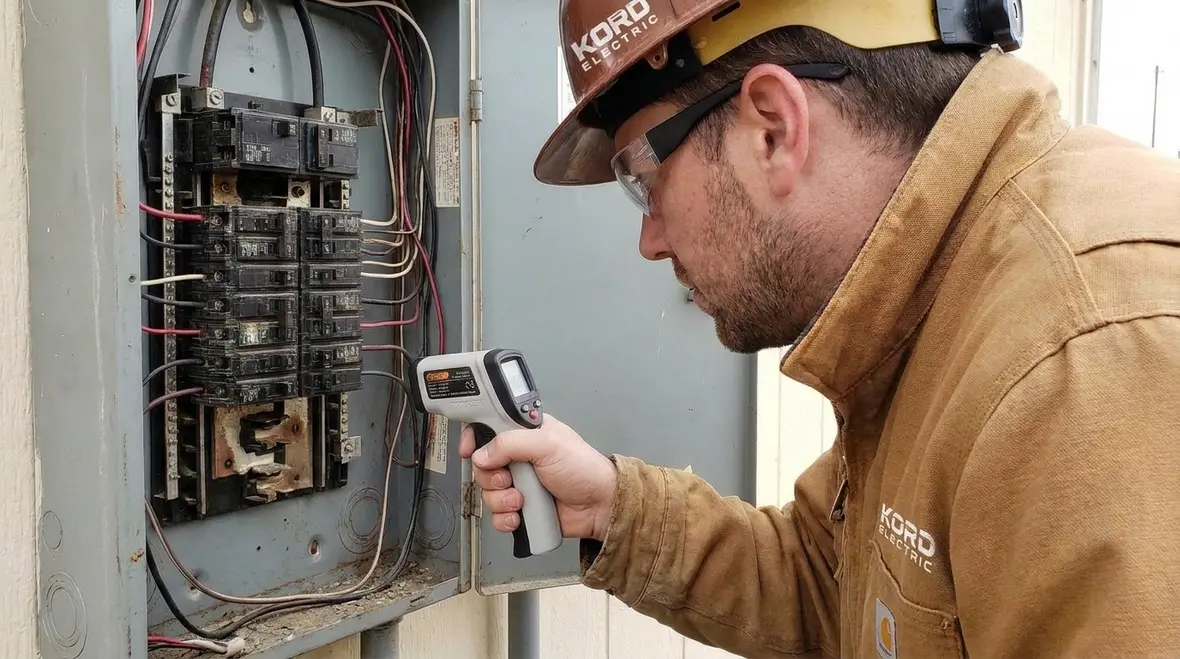
When these symptoms stack up—tripping breakers, heat, noise, odors, and flicker—you are no longer dealing with small, isolated issues. You are looking at a panel that is quietly telling you it is at the edge of what it can safely handle. That is the moment to plan an upgrade, not the moment to cross your fingers and hope next month goes better.
How overloaded capacity quietly damages distribution
Here is the truth people avoid: many businesses outgrow their electrical panel long before anyone replaces it. They add new equipment, expand services, install additional refrigeration lines, upgrade lighting, or bring in more workstations. Then, gradually, the load increases. At first, everything seems fine. Then you get inconsistent performance.
When a panel runs at or near its limits, stress rises in the wiring and connections. Additionally, heat becomes more likely. Over time, the materials and connections can degrade, and the panel’s ability to distribute power drops. That is why the signs commercial electrical panel needs upgrade often appear as performance issues rather than dramatic failure. Think of it like a well-worn treadmill. It still moves your feet, but the strain climbs until one day it stops.
Instead of waiting for the “one day it stops” moment, we recommend tracking how your building has changed. New production lines, refrigeration banks, data rooms, EV chargers, and tenant improvements all add demand. The panel that handled yesterday’s load without complaint might be running at a quiet 95% every afternoon now, and nobody sees that without measurement and planning.
Our expert service staff helps clients connect cause and effect. We review the building’s electrical demands, examine the panel’s condition, and compare it to actual load patterns. So, instead of guessing, you get a clear picture of what the panel is doing, and what it will likely do next.
When we see loads approaching or exceeding recommended capacity, we talk through upgrade options that support growth instead of fighting it. That might mean a larger main service, new distribution panels, or rebalancing how critical loads are fed. The goal is always the same: give your building enough headroom that power feels boring again, even on your busiest day.
If you want to see how this plays out in practice, you can also explore the way we approach related projects in our commercial panel upgrade Los Angeles warning signs guide. It shows how early indicators, careful assessment, and a structured upgrade plan work together to protect uptime instead of chasing emergencies.
Older equipment and code compliance risks in major buildings
Commercial and industrial panels do not just age. They also fall behind practical safety expectations and code requirements. As building requirements change, owners may need upgrades to support new loads, improve safety margins, and meet current standards.
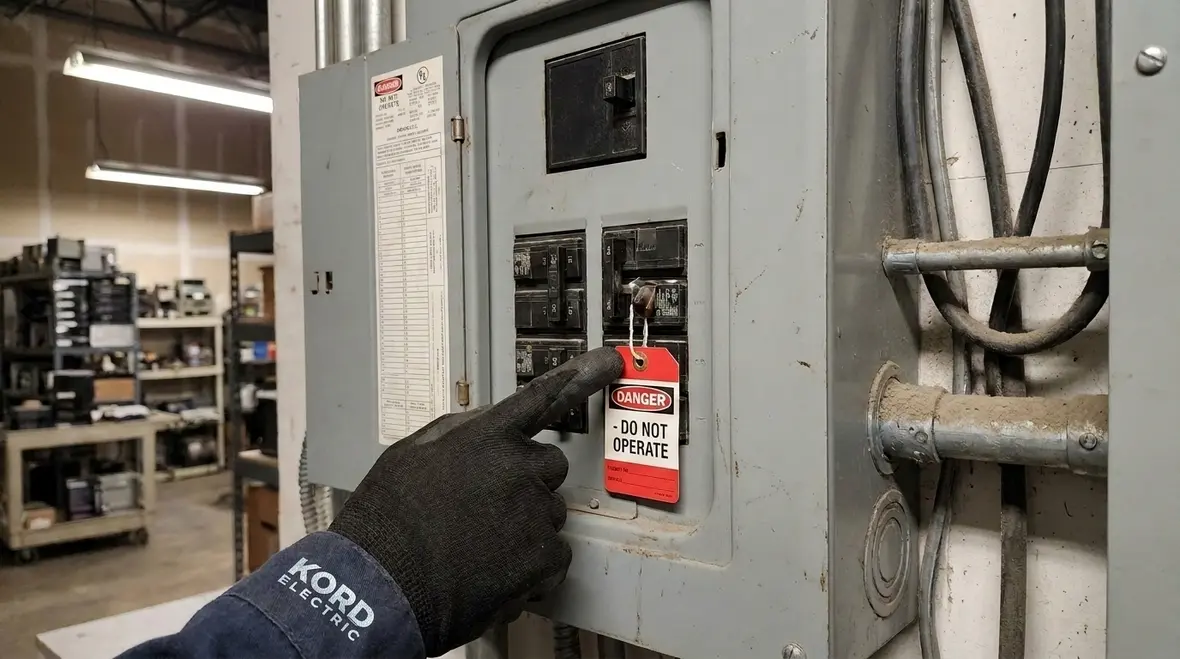
We often see older equipment with corrosion, worn breakers, outdated internal components, or labeling that no longer matches the building layout. As facilities expand, the electrical system changes too, and the documentation sometimes lags behind. That is a risk for maintenance teams and electricians working later. Also, it creates longer troubleshooting times when something goes wrong.
Kord Electric focuses on commercial and industrial facilities and major property buildings only. That means our technicians understand the realities of larger loads, shared power distribution, and the downtime concerns that keep operations running. We do not treat your electrical panel like a home improvement project. We treat it like a critical business system.
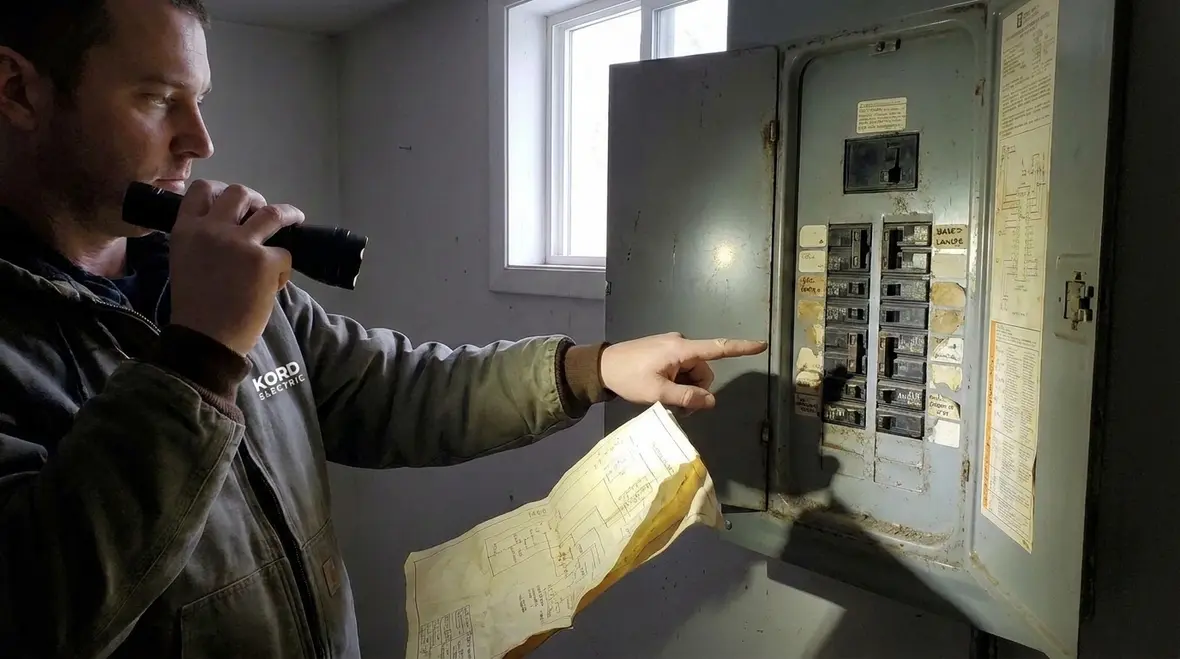
Code requirements evolve as the industry learns from real incidents and failure patterns. Panels that were acceptable years ago may no longer align with today’s expectations for fault current performance, equipment clearances, labeling, or arc flash considerations. Ignoring those gaps does not just risk failed inspections. It risks people working on or around the equipment who assume it meets current standards when it does not.
By addressing aging gear and compliance risks proactively, you trade unpredictable downtime for predictable planning. Upgrades can be scheduled, coordinated with operations, and aligned with broader improvements such as lighting retrofits, smart controls, or new production capacity. That is a much better story than trying to retrofit safety into a panel room after something has already gone wrong.
What our technicians do during an upgrade plan
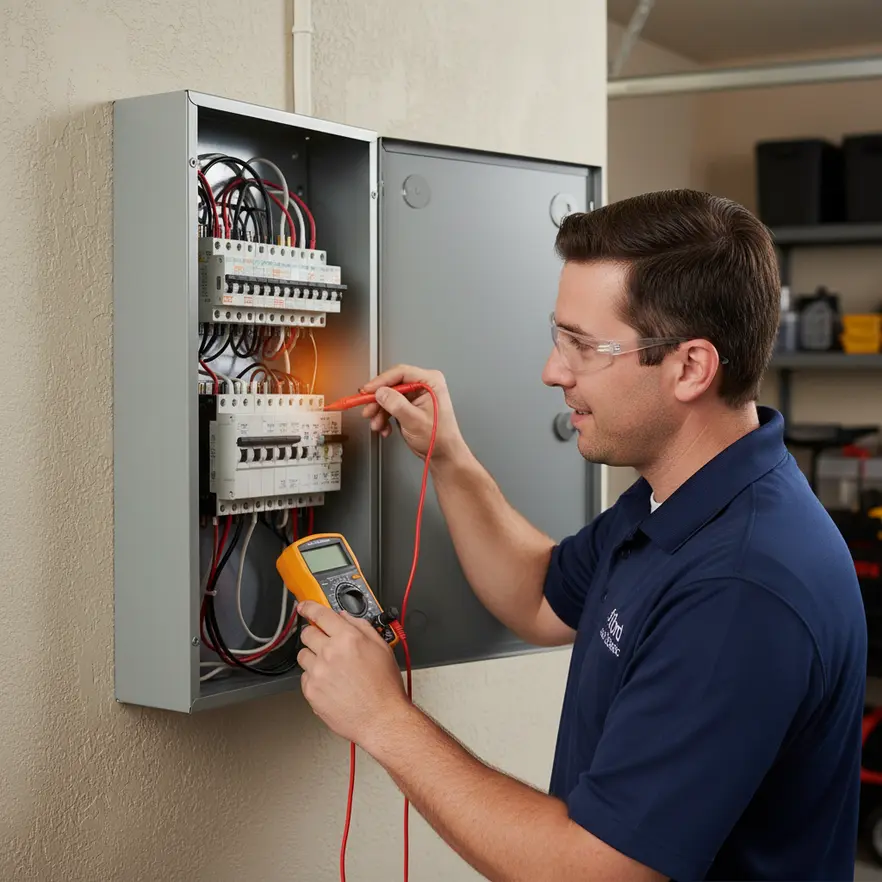
When we recommend an upgrade, we do not just swap parts and hope for the best. We build a plan. First, our technicians inspect the panel and associated components. Then we evaluate connection quality, signs of heat, breaker condition, and how the panel currently supports the building’s electrical needs.
Next, we map the building’s load and power distribution so the upgrade supports today’s demand and future growth. During that process, we also discuss operational timing. Many commercial facilities cannot shut down power for long. So, we coordinate the work around your schedule where possible, and we communicate clearly so your teams know what to expect.
We also review how the new panel will integrate with existing systems like generators, transfer switches, lighting controls, and EV charging infrastructure. A good upgrade does more than just increase amperage. It strengthens the entire electrical backbone so future projects bolt on cleanly instead of fighting old limitations every time you want to improve the building.
Finally, we explain the results in plain language. Our expert service staff gives you details you can use, not vague reassurance. And if you need follow-up improvements, we recommend them in a realistic order that matches safety and budget priorities.
Because, let’s be honest, replacing a panel without a proper plan is like fixing a car by changing one tire and calling it a tune-up. It might roll. It might even get you to work. But it does not solve what matters.
Business impact of delaying a panel upgrade
Delaying electrical panel upgrades usually starts as a small inconvenience and grows into something expensive. Breaker trips reduce productivity. Flickering lights disrupt customer areas and staff comfort. Voltage instability can harm equipment. Heat damage can lead to failures that force urgent repairs at the worst times.
Additionally, when problems worsen, response time becomes slower and costs tend to rise. A panel that could have been stabilized with a planned upgrade becomes a reactive emergency. We would rather help you plan and maintain, instead of sprinting after a crisis in the middle of a busy day.
There is also a safety angle that should never be negotiable. Electrical fires can start quietly and spread fast. Even if damage seems limited at first, the risk to people and property does not justify delay.
On the financial side, recurring outages and equipment damage eat into budgets that could have been used for planned improvements. It is difficult to talk about energy efficiency, smart building upgrades, or new tenant amenities when core systems keep misbehaving. A thoughtful panel upgrade clears that bottleneck and gives you a foundation you can actually build on.
If you are responsible for multiple facilities across the region, that foundation matters even more. Coordinated panel upgrades and preventive maintenance give you consistent behavior from site to site, easier documentation, and fewer surprise calls when a location hits its quiet breaking point on a busy afternoon.
When you are ready to look beyond this single panel discussion and think about how your broader infrastructure fits together, you can explore how our Los Angeles County electrical services keep panels, switchgear, lighting, and emergency response aligned under one coordinated umbrella instead of scattered across multiple vendors and half-documented fixes.
FAQ
Final call for major property owners
If you are seeing recurring breaker trips, heat near your panel, buzzing sounds, or unstable power, do not wait for the next “it is probably fine” moment. Kord Electric serves commercial and industrial facilities and major property buildings, and our technicians and expert service staff help you identify the real cause behind the signs commercial electrical panel needs upgrade. Contact us for an inspection and a clear upgrade plan. We will explain what we find, what it means, and how we help keep your building running.
From first walkthrough to final commissioning, we treat your electrical system like the backbone of your operation, not an afterthought behind a locked door. Whether you need a focused panel upgrade or broader support that ties in troubleshooting, maintenance, and future projects across your portfolio, our team is built to keep power dependable, calm, and ready for the next demand spike instead of hoping the old gear hangs on one more quarter.
When you are ready to move from “we keep resetting breakers” to “we know exactly what our system can handle,” reach out to Kord Electric. Your building does not have to audition as an accidental lamp showroom. It can go back to being what it was meant to be: a place where power simply works.
And if you are looking beyond a single site, remember that the same team that upgrades your panel can also support broader regional needs through coordinated Los Angeles County electrical services, so each facility benefits from the same standard of planning, documentation, and follow-through instead of starting from scratch every time a panel hints that it is tired.