Warehouse Lighting Installation Compliance Guide
Lighting Installation for Warehouses and Industrial Facilities: Performance Meets Compliance
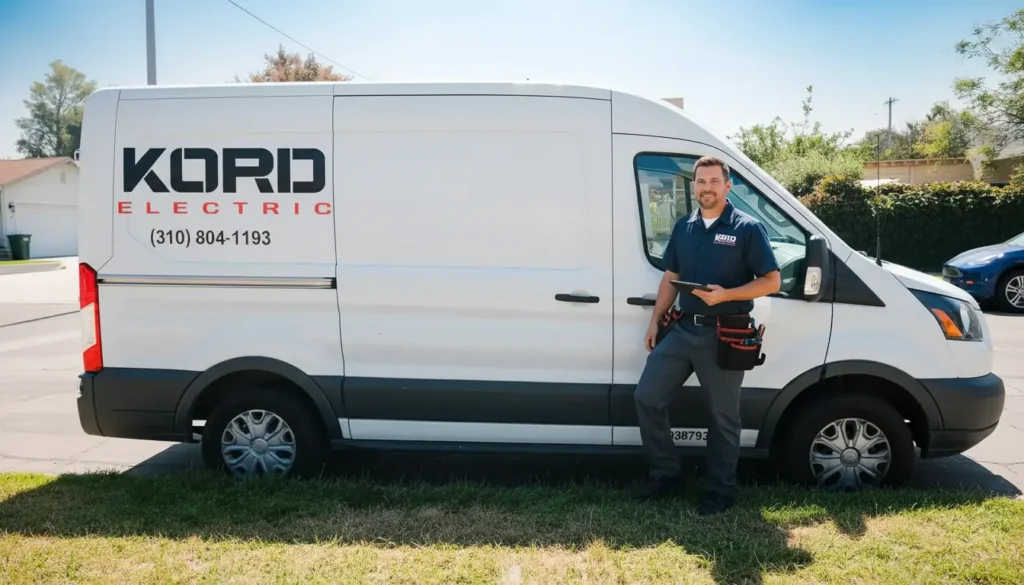
In the world of large scale facilities, light is more than a convenience. It is productivity, safety, and reputation shining from the ceiling down. At Kord Electric, they approach every project with one principle at the core: warehouse lighting installation compliance is not a box to check. It is a commitment to performance that stands up to inspection, audits, and the daily grind of industrial life. Within the first walk through of a site, their technicians explain how proper illumination levels, code alignment, and smart controls protect both people and profit. Because in a warehouse, shadows hide more than dust. They can hide risk.
Therefore, this article explores how Kord Electric designs and installs lighting systems that meet strict regulatory standards while driving measurable operational gains for commercial and industrial properties.
Why Lighting Matters More in Warehouses Than Most People Think
Warehouses and industrial facilities operate like living organisms. Conveyor belts move like arteries. Workers and automated systems flow in rhythm. However, none of it works well without consistent, reliable lighting. Poor lighting slows picking times, increases errors, and contributes to accidents. In contrast, a well designed system supports focus and accuracy.
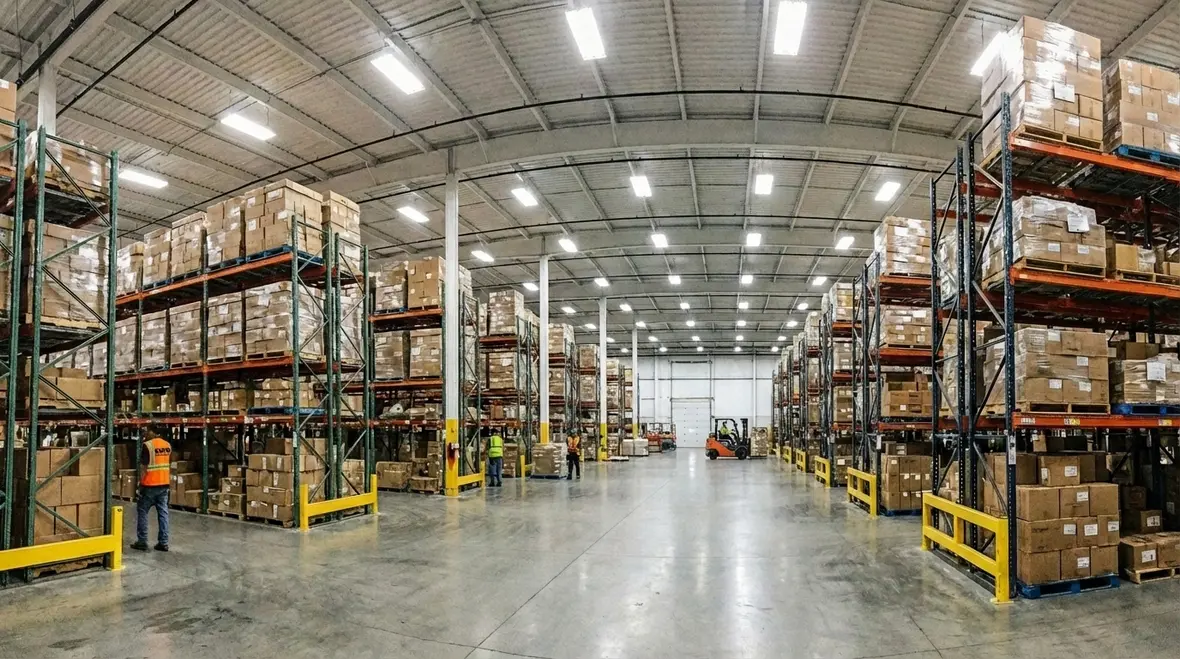
Kord Electric understands that commercial and industrial buildings demand lighting that performs at scale. Ceiling heights often exceed thirty feet. Storage racks create vertical canyons. Equipment moves constantly. Consequently, fixtures must deliver uniform light distribution without glare. Their expert service staff explains these concepts in plain language, translating technical standards into clear benefits for facility managers and property owners.
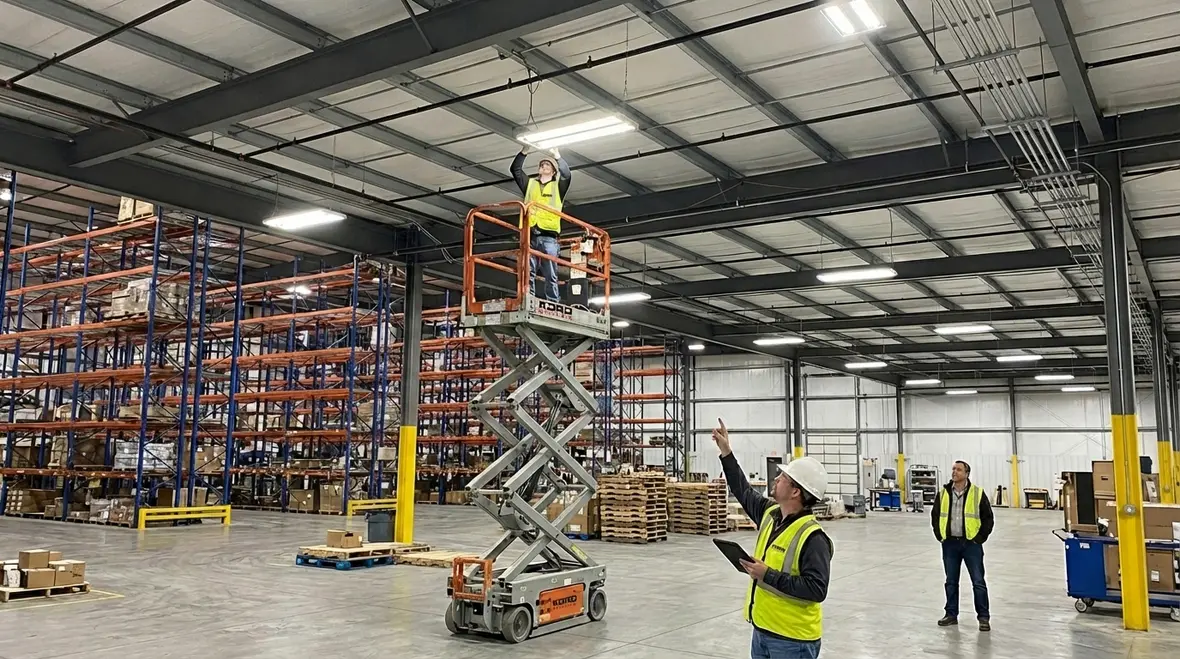
Moreover, lighting influences compliance with occupational safety regulations. Inspectors measure foot candle levels, emergency egress illumination, and control systems. If levels fall short, citations follow. Therefore, lighting design must align with federal, state, and local codes from day one.
And yes, they sometimes joke that lighting is like a good soundtrack in a movie. You only notice it when it is bad. No one wants their warehouse to feel like a suspense scene from a thriller when it should feel like a well run operation.
If your facility is already dealing with uneven illumination or safety concerns, pairing a lighting upgrade with structured electrical preventive maintenance can help catch issues early and keep critical systems stable over time.
Warehouse Lighting Installation Compliance From Blueprint to Final Inspection
Meeting code requirements is not accidental. It begins during planning. Kord Electric reviews architectural drawings, rack layouts, ceiling heights, and operational workflows. Then, their technicians calculate required illumination levels based on industry standards and local regulations. This ensures that every aisle, loading dock, and maintenance zone meets mandated thresholds.
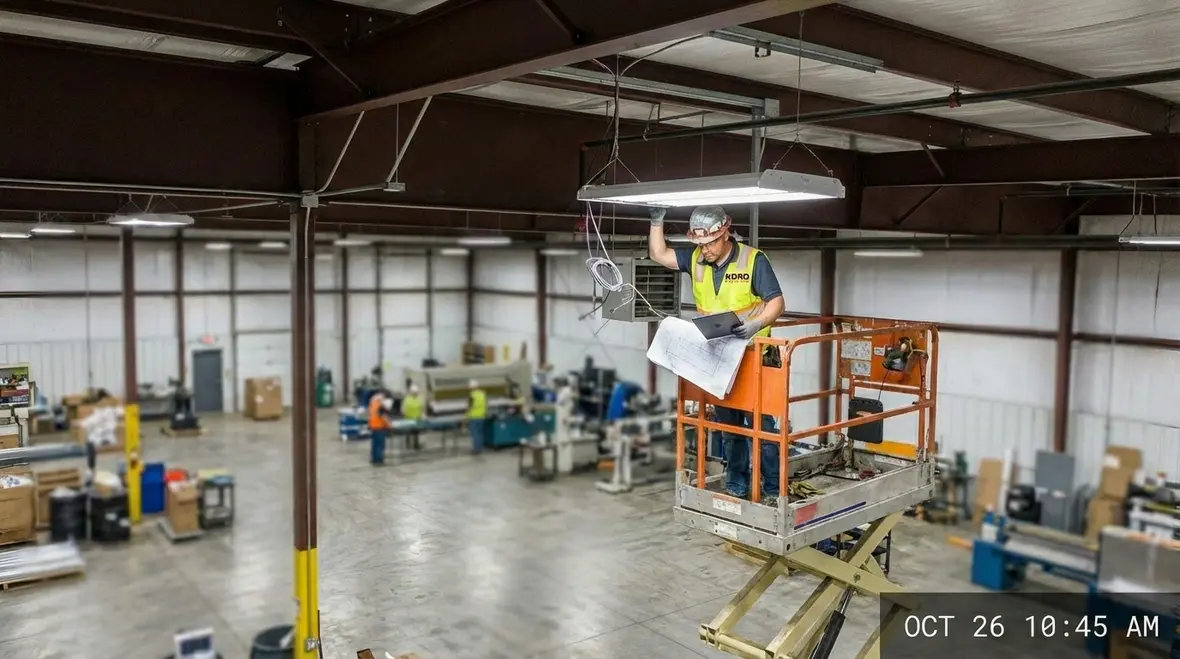
Next, they select fixtures engineered for industrial environments. High output LED high bay fixtures, vapor tight luminaires, and impact resistant housings often make the cut. However, product choice alone does not guarantee regulatory adherence. Placement, spacing, and mounting height determine real world performance.
Because of this, the team conducts lighting simulations before installation. These digital models predict light distribution and identify dark spots. As a result, adjustments happen on screen instead of after a costly rework.
During installation, licensed electricians follow strict procedures. They secure fixtures to structural supports rated for the load. They route wiring in accordance with electrical codes. They verify grounding and overcurrent protection. In addition, they document each phase so facility owners have clear records for inspections.
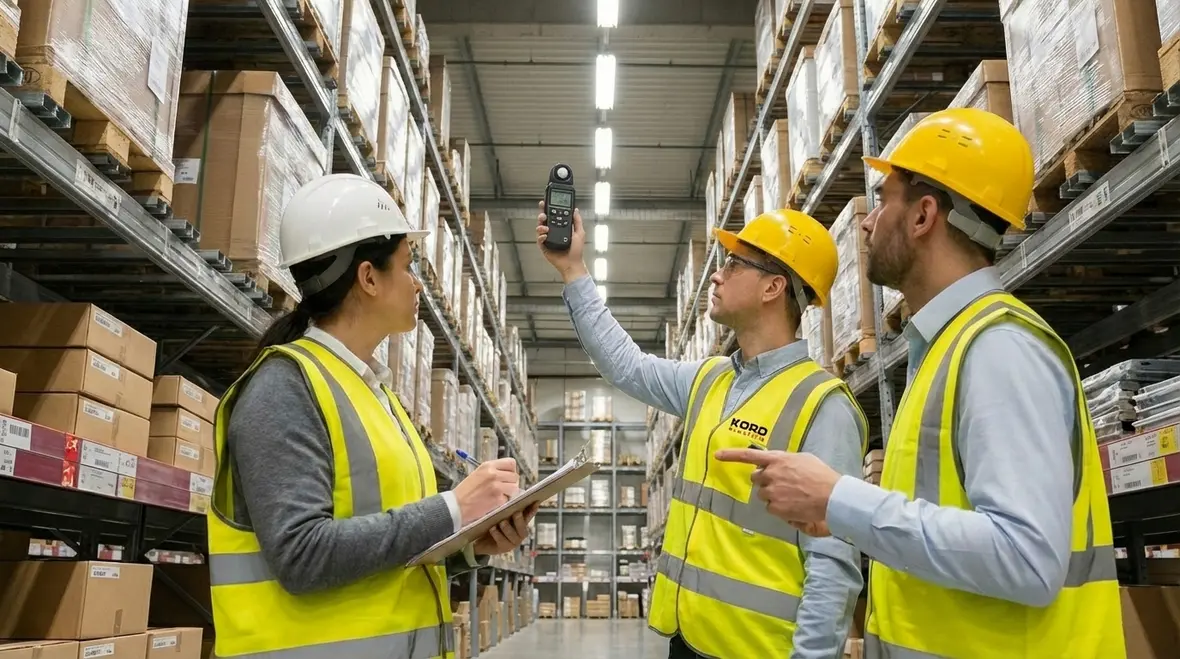
Finally, before project closeout, they perform on site light level testing. Using calibrated meters, they confirm that the installed system aligns with design intent and regulatory standards. That is how warehouse lighting installation compliance becomes a measurable outcome rather than a hopeful assumption.
For many facilities, this process ties directly into broader lighting installation services that cover everything from new construction to retrofit upgrades across multiple buildings.
How Do We Ensure Lighting Meets OSHA and Energy Codes?
Balancing Safety Requirements and Energy Limits
Kord Electric addresses this question early in every project meeting. First, they identify applicable standards such as OSHA guidelines for workplace illumination and local energy efficiency codes. Then, they design systems that satisfy both safety and efficiency metrics.
For example, OSHA may require specific light levels for general warehouse areas and higher levels for detailed tasks. Meanwhile, energy codes often limit power density per square foot. Therefore, the challenge lies in delivering adequate brightness without exceeding allowable energy consumption.
LED Technology and Intelligent Controls
Their technicians solve this by combining high efficiency LED fixtures with intelligent controls. Occupancy sensors reduce output in unoccupied zones. Daylight harvesting systems adjust brightness based on available natural light. Consequently, facilities maintain required illumination while lowering overall energy use.
Additionally, emergency lighting and exit signage receive careful attention. Backup power systems and battery units are tested under load conditions. This ensures that, even during outages, pathways remain visible and compliant.
The Right Light in the Right Place
The team often explains it this way: compliance is not about installing more light. It is about installing the right light in the right place with the right controls. It is a bit like cooking. Too much salt ruins the dish. Too little leaves it bland. Balance wins every time.
Performance Gains Beyond Compliance
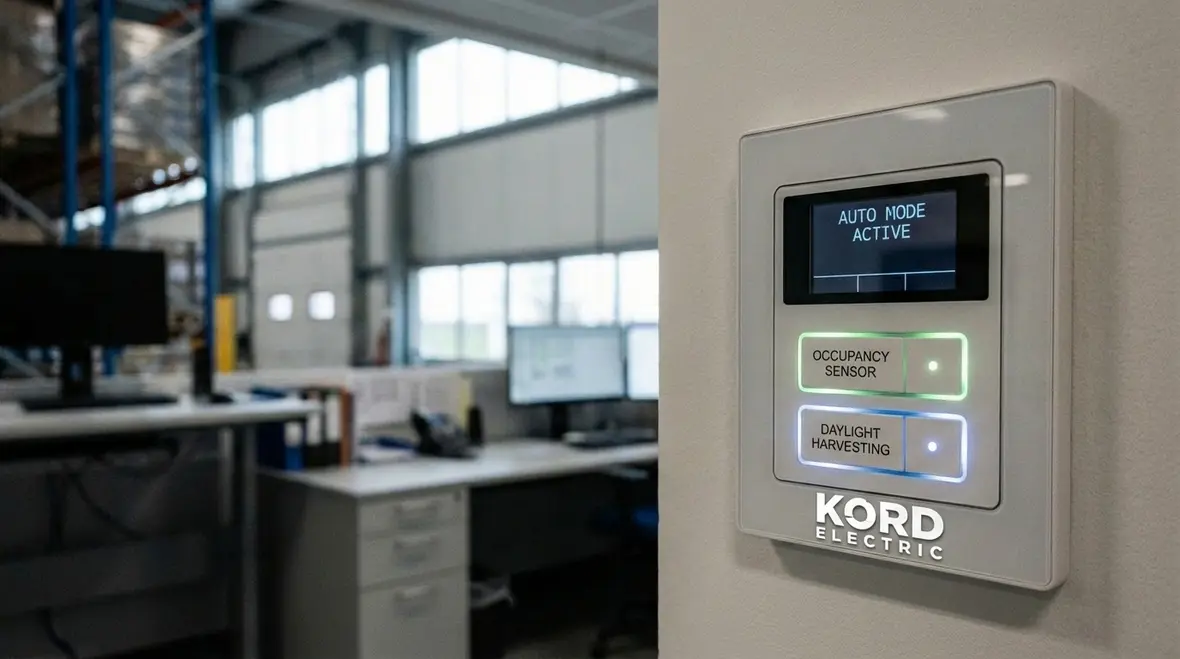
Although regulatory alignment is critical, Kord Electric looks beyond minimum standards. They design for operational performance. After all, commercial and industrial facilities measure success in throughput, accuracy, and uptime.
Improved lighting quality directly impacts worker productivity. Clear visibility reduces picking errors. Consistent illumination across aisles lowers eye strain. Furthermore, brighter loading areas enhance safety during truck operations.
Energy performance also plays a major role. Modern LED systems consume significantly less power than legacy metal halide or fluorescent fixtures. As a result, facilities often see noticeable reductions in utility costs. Over time, these savings offset installation investments.
Maintenance demands drop as well. LEDs offer longer lifespans and more stable output. Consequently, facility managers spend less time scheduling lift rentals and bulb replacements. In a large warehouse, that translates to real money and fewer operational disruptions.
Because Kord Electric focuses solely on commercial and industrial properties, their solutions scale effectively. Whether serving a distribution center, manufacturing plant, or logistics hub, they tailor systems to match operational complexity.
Designing for High Ceilings, Heavy Equipment, and Real World Conditions
Engineering Light for Tall Spaces
Industrial spaces present unique challenges. Ceiling heights require powerful fixtures capable of projecting light accurately from significant distances. However, simply increasing wattage is not the answer. Instead, beam angles and reflector design must align with rack layouts and aisle spacing.
Built to Withstand Industrial Environments
Moreover, warehouses often contain dust, vibration, and temperature fluctuations. Therefore, fixtures must feature durable housings and reliable drivers. Kord Electric selects products rated for these environments, ensuring longevity and consistent performance.
Controlling Glare and Enhancing Visibility
Another factor involves glare control. Excessive glare can reduce visibility and cause discomfort. Consequently, they use diffusers and optical lenses that distribute light evenly while minimizing harsh reflections.
Traditional vs. Engineered Lighting Approaches
Traditional Approach
Install fixtures based on rule of thumb spacing
Focus only on brightness levels
Replace old fixtures one for one
Minimal documentation
Kord Electric Approach
Conduct photometric analysis for precise placement
Balance brightness, energy codes, and safety standards
Redesign layout to improve uniformity and reduce shadows
Provide detailed compliance records and testing results
This side by side view clarifies the difference between simply adding light and engineering a compliant lighting system that performs under pressure.
Smart Controls and Automation in Industrial Lighting
Technology continues to shape modern facilities. Therefore, lighting systems now integrate with broader building management platforms. Kord Electric designs control strategies that support both compliance and efficiency.
Occupancy, Scheduling, and Real Time Monitoring
Occupancy sensors detect motion in storage zones and automatically adjust output. Time scheduling aligns lighting with shift patterns. Additionally, centralized dashboards allow facility managers to monitor performance in real time.
Data Driven Insights and Long Term Compliance
These features do more than save energy. They provide data. Managers can identify underused areas or unusual consumption trends. Consequently, lighting becomes part of a larger operational intelligence system.
Furthermore, integrating smart controls supports long term regulatory alignment. As energy codes evolve, adjustable systems adapt more easily than static installations. This future ready mindset protects investments and reduces the risk of costly retrofits.
It is not quite science fiction, but it does feel a little like giving the building a brain. Thankfully, this one does not argue back.
The Human Element: Skilled Technicians and Clear Communication
Licensed Experts for Complex Facilities
Behind every successful project stands a skilled team. Kord Electric employs licensed electricians and experienced project managers who specialize in commercial and industrial environments. They do not rush through installations. Instead, they plan meticulously and execute with precision.
Transparent Communication From Walkthrough to Commissioning
Equally important, their expert service staff explains each phase to clients. They review design choices, outline compliance considerations, and answer questions without jargon. This transparency builds trust and ensures that property owners understand how the system supports both safety and performance.
During commissioning, technicians walk the floor with facility representatives. They demonstrate control settings and review testing results. Therefore, by the time inspectors arrive, everyone knows what to expect.
This collaborative approach reduces surprises and strengthens long term partnerships. In an industry where downtime costs thousands per hour, clarity matters.
Frequently Asked Questions About Warehouse Lighting Installation Compliance
Conclusion: Partner With Kord Electric for Confident Compliance
When performance and regulation intersect, experience makes the difference. Kord Electric delivers lighting systems built for demanding commercial and industrial environments, ensuring warehouse lighting installation compliance without sacrificing efficiency or productivity. Their technicians design with precision, install with care, and explain every step along the way. For property owners who value safety, reliability, and long term savings, the path forward is clear. Connect with Kord Electric and let the light work as hard as the facility it serves.
If you are planning a new facility build, major retrofit, or multi site upgrade, explore their dedicated lighting installation services to align warehouse lighting installation compliance with your broader electrical and operational goals.