Arc Flash Mitigation in Industrial Facilities: Safety Strategies & Requirements
Arc flash mitigation in industrial facilities is not a box to check, it is a discipline we build into how our teams design, operate, and maintain electrical systems. At Kord Electric, we help commercial and industrial facilities and major property buildings reduce risk so workers stay safe and operations keep moving. In the first place, we do not treat arc flash like a mystery movie ending. We treat it like engineering. And yes, we explain it in plain language too, because confusion is the real culprit, not electricity. Still, the truth is simple: when an incident happens, the results can be severe. Therefore, arc flash mitigation must be deliberate, documented, and kept current, just like the procedures that protect people on every shift.
Why arc flash incidents happen in real plants
Arc flash rarely starts with one dramatic failure. Instead, it starts with small gaps in protection and maintenance. For example, insulation aging, loose connections, incorrect relay settings, and equipment damage can quietly build risk over time. Then one moment of fault current turns into a fast release of energy, and the arc flash event becomes far worse than anyone planned.
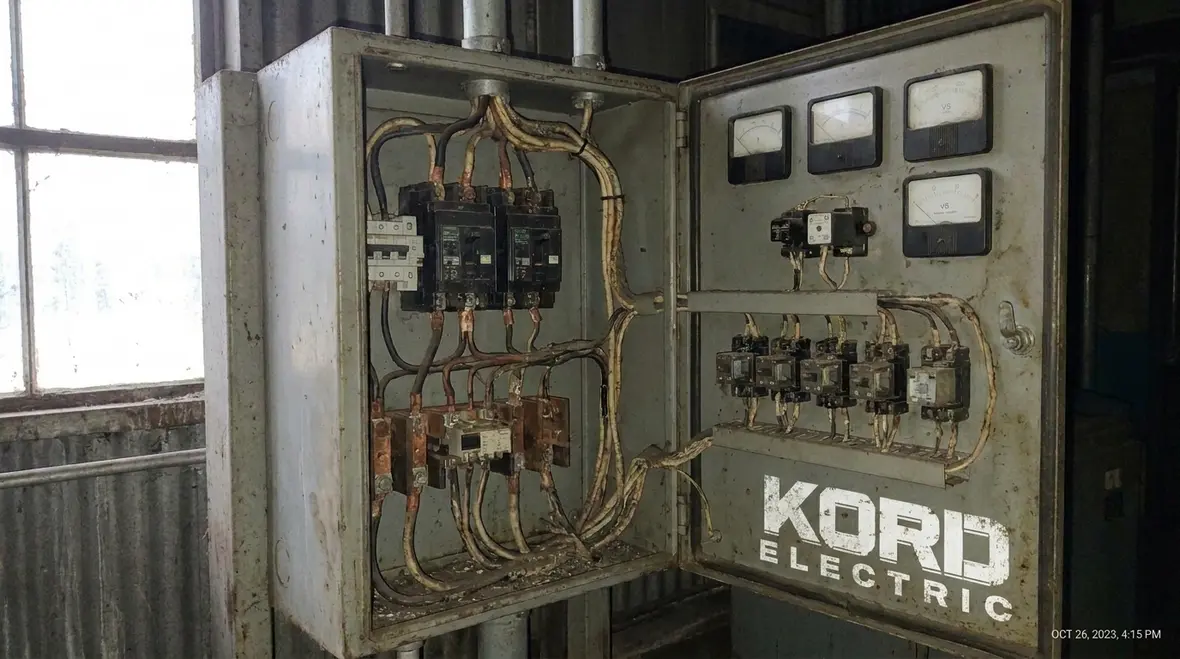
At this stage, our expert service staff and technicians typically see the same pattern. Equipment gets installed, then life happens. Panels get modified, contractors add circuits, load patterns shift, and documentation drifts. As a result, the original study assumptions stop matching the field. And when the protection scheme no longer matches reality, the incident risk rises.
Moreover, facilities often underestimate how quickly conditions change. A motor swap, a new production line, or a new compressor cycle can shift fault currents and clearing times. Then the calculated arc flash boundary no longer fits what the electrical system will actually do in a fault. Kord Electric helps teams prevent that mismatch by looking at the system, not just the paperwork.
What a dependable safety audit should cover
We build arc flash mitigation around a broader reliability mindset, because electrical safety audits should do more than point at problems. They should show how the system behaves under normal load, during fault conditions, and over time. That is how Kord Electric approaches industrial electrical safety audit work for reliability. We use audits to connect design intent with real-world performance. For leaders planning deeper reviews of their power systems, this mindset aligns naturally with Kord Electric’s industrial electrical safety audit for reliability approach, which ties risk reduction to day-to-day operations.
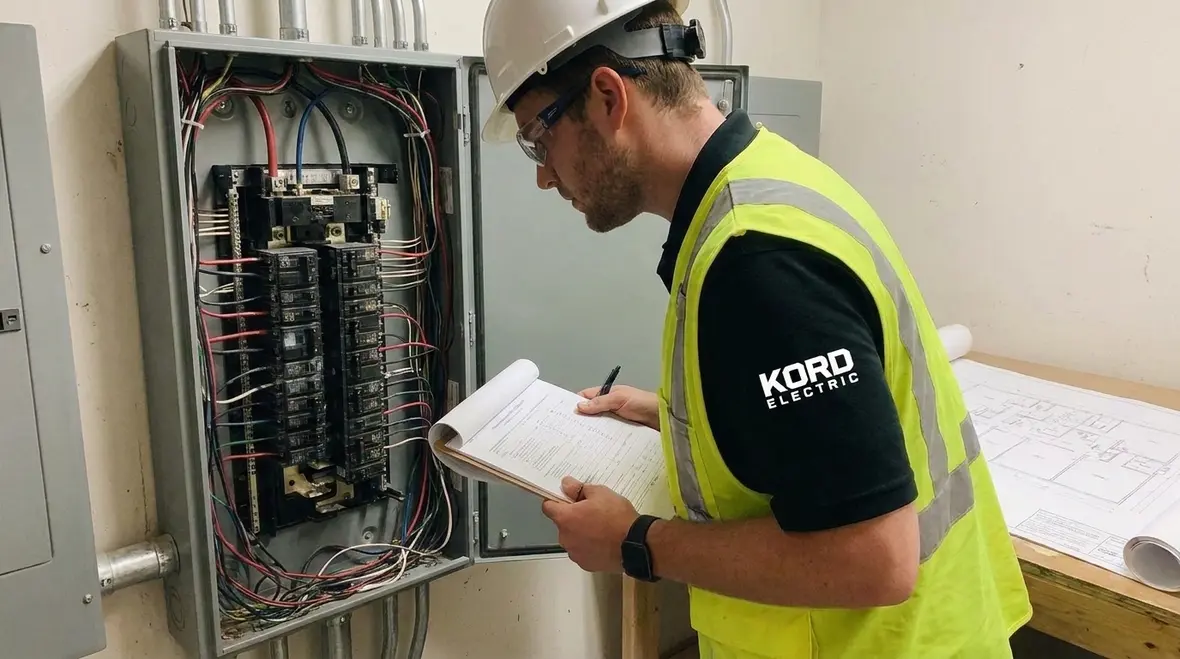
Specifically, our technicians review service and distribution equipment, protective device coordination, and how labeling and procedures match what is actually installed. Then we verify that operating practices align with the protective settings and the time currents curves that the system depends on. If something does not line up, we document the gap and we recommend a fix that fits the facility’s operation.
To stay grounded, we also validate key details that can be overlooked. Those include available fault current at various points, whether breakers match their settings, and whether maintenance records show consistent upkeep. And finally, we make sure the arc flash mitigation plan ties into other safety needs like lockout tagout and safe work boundaries.
One might say an audit is like a smoke alarm. It does not stop a fire by itself. However, when it works and when it is maintained, it gives people a chance to respond. Our goal is to make sure the electrical “alarm system” for safety works the same way, with clear data and clear action.
Arc flash studies and incident energy targets that teams can trust
Arc flash mitigation in industrial facilities depends on the study, but not in the way many people imagine. A study is not a one time document that sits on a shelf. It is a living model that guides decisions. When it is built with accurate utility data, correct conductor details, and verified protection settings, it becomes trustworthy. When it is built with guesses, it becomes a trap.
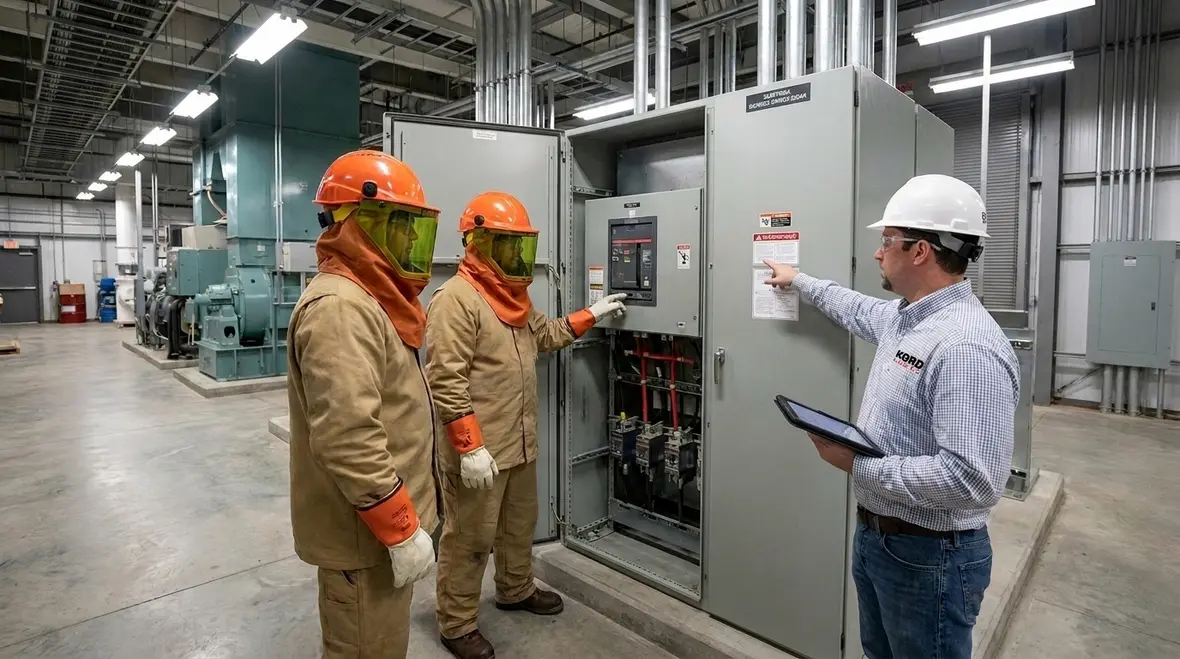
Our process emphasizes what others often skip. We confirm upstream and downstream equipment ratings, we confirm protective device types, and we evaluate coordination so clearing time reflects real settings. Then we calculate incident energy and determine safe work boundaries for each relevant location. That work then supports labeling and selection of protective clothing levels.
In addition, we help teams move from study results to action. For example, if clearing times are too long, we can recommend breaker upgrades, relay setting changes, or other engineering adjustments. If the arc flash boundary extends into areas where workers move frequently, we consider design and operational changes to reduce exposure time. In short, the goal is not only to classify risk, it is to reduce it with practical steps.
Engineering controls that reduce danger without slowing production
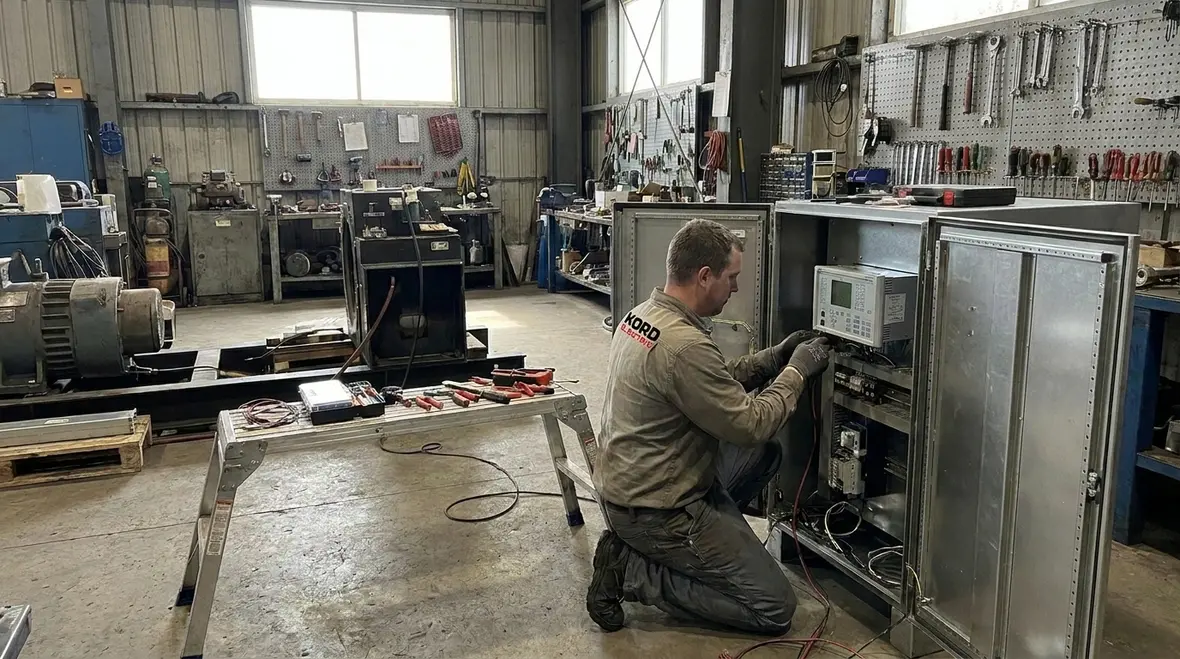
Once the study and audit identify risk drivers, our technicians help implement engineering controls that lower incident energy and improve protective performance. This is where arc flash mitigation shifts from theory to work orders.
Common improvements include better protective coordination so faults clear faster, improved selectivity across breakers and relays, and changes that reduce fault current paths. In some cases, we recommend short interval protection or adjustments that keep devices operating within intended curves. In other cases, we address the physical environment, like barriers and enclosure integrity, so energy release does not travel where it should not.
We also consider practical reality. Industrial facilities run on schedules, and major property buildings run on public commitments. Therefore, Kord Electric plans solutions with minimal disruption, often aligning work with planned outages, maintenance windows, or phased commissioning. As a result, teams reduce risk without turning every upgrade into a multi month standstill.
And yes, we keep it human. If a plan requires a shutdown, we explain it clearly, we coordinate timelines, and we tell teams what will happen before it happens. Nobody needs a surprise. Even superheroes get a warning sign.
Field practices, labels, and training that actually stick
Engineering controls matter, but we also know that behavior matters. Arc flash mitigation depends on people using the right protective equipment, following work procedures, and respecting boundaries. That is why we place weight on labeling quality and field readiness.
Labels should match the current configuration and the study assumptions. If equipment is modified and labels remain unchanged, the facility invites confusion. Then, during a live work scenario, workers follow outdated information, and safety plans break down. Kord Electric helps teams keep labeling accurate and consistent with the latest electrical configuration.
Next, we work with facility teams on training that focuses on decision making. Instead of memorizing, workers learn how to interpret boundaries, understand when additional controls are required, and verify the conditions before opening equipment. Our technicians and expert service staff explain the “why” behind steps so people can adapt when reality differs slightly from the textbook.
We also support safe work coordination with other programs in the facility. That includes lockout tagout practices and energized work rules where allowed. When safety plans run together, risk falls. When they live separately, risk rises. The difference is not magic. It is coordination, and we build it.
Keeping arc flash mitigation current as systems evolve
Most facilities change faster than safety documentation. Equipment gets added. Panelboards get reconfigured. Loads shift. Settings drift after maintenance. Therefore, our approach includes a maintenance mindset for arc flash mitigation, not only an initial study.
Kord Electric encourages periodic review based on the facility’s change rate and risk exposure. If a facility experiences frequent modifications, it should review sooner. If changes are rare, a longer interval may fit. In both cases, we connect review timing to actual operational events, not arbitrary calendars.
We also help facilities confirm that protective devices stay within expected settings and that maintenance practices reflect manufacturer guidance. For example, testing that verifies breaker operation and trip characteristics supports study assumptions. Then the incident energy estimates remain valid.
And when changes occur, we help teams evaluate whether the study needs an update. Sometimes the change affects only a small downstream area. Other times, it shifts available fault current and impacts upstream coordination. Our team guides this decision so the facility does not overreact, and it does not ignore risk either.
FAQ
Conclusion: Your next safety step starts with Kord Electric
If a facility wants real arc flash mitigation, it needs more than a report. It needs verified field conditions, dependable study inputs, coordinated protection upgrades, and work practices that match the data. Kord Electric serves commercial and industrial facilities and major property buildings with technicians and expert service staff who explain the details and help teams act with confidence. Contact us to review your current setup, align safety with reliability, and build a practical plan that keeps people protected while operations stay on track.
For organizations that want to connect arc flash mitigation with broader reliability, Kord Electric’s regional Los Angeles County electrical services bring together preventive maintenance, upgrades, and responsive support so mitigation, protection, and uptime move in the same direction instead of fighting each other.
When you are ready to turn planning into implementation, our team helps you link studies, audits, and field work into one coordinated roadmap. From industrial facilities with complex distribution to major property buildings that never really sleep, we align your electrical safety strategy with how your operation actually runs. That way, arc flash mitigation in industrial facilities becomes part of a stable long term story, not a one time project that fades as soon as the paperwork is filed.