
Industrial Electrical Safety Audit for Reliability
Industrial Electrical Safety Audit, the calm way to stop surprises
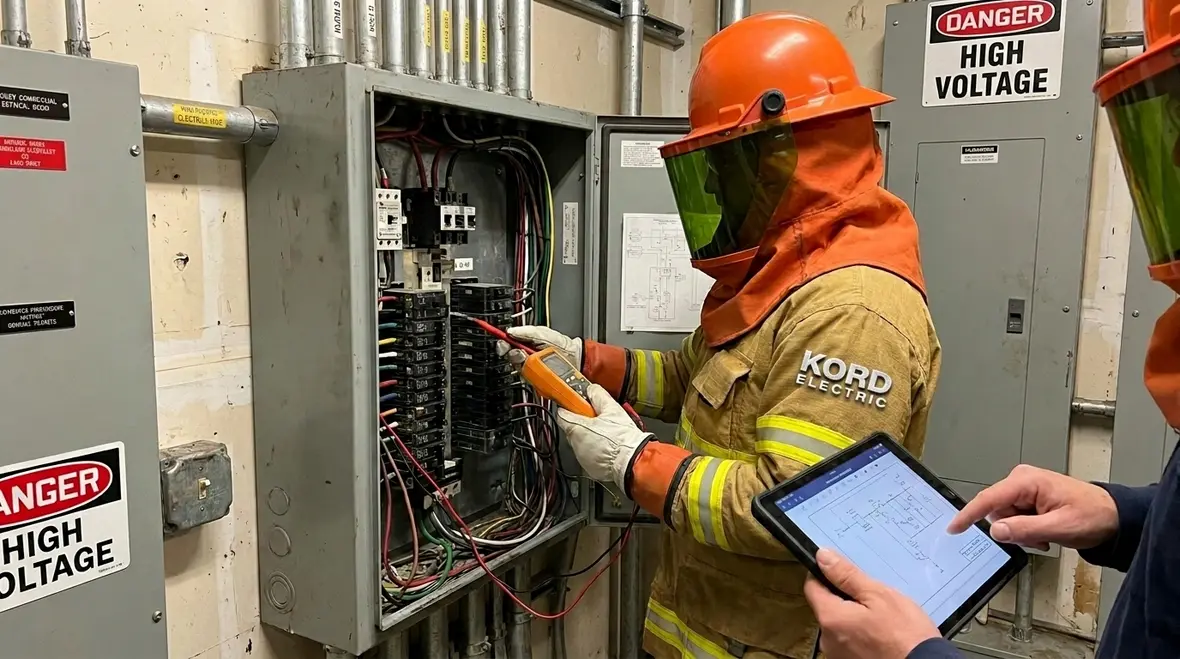
At Kord Electric, we run an industrial electrical safety audit that helps commercial and industrial facilities find hidden risks before they turn into downtime, injuries, or emergency calls at the worst possible time. In our process, we check how power moves through your site, how equipment is protected, and how people actually work around electrical systems day after day. Then we explain what we find in plain terms, because our technicians and expert service staff do not just hand over a report and disappear. We guide others through fixes, priorities, and safe operating steps, so the next audit feels less like a pop quiz and more like a routine health check.
What an industrial safety audit is really trying to catch
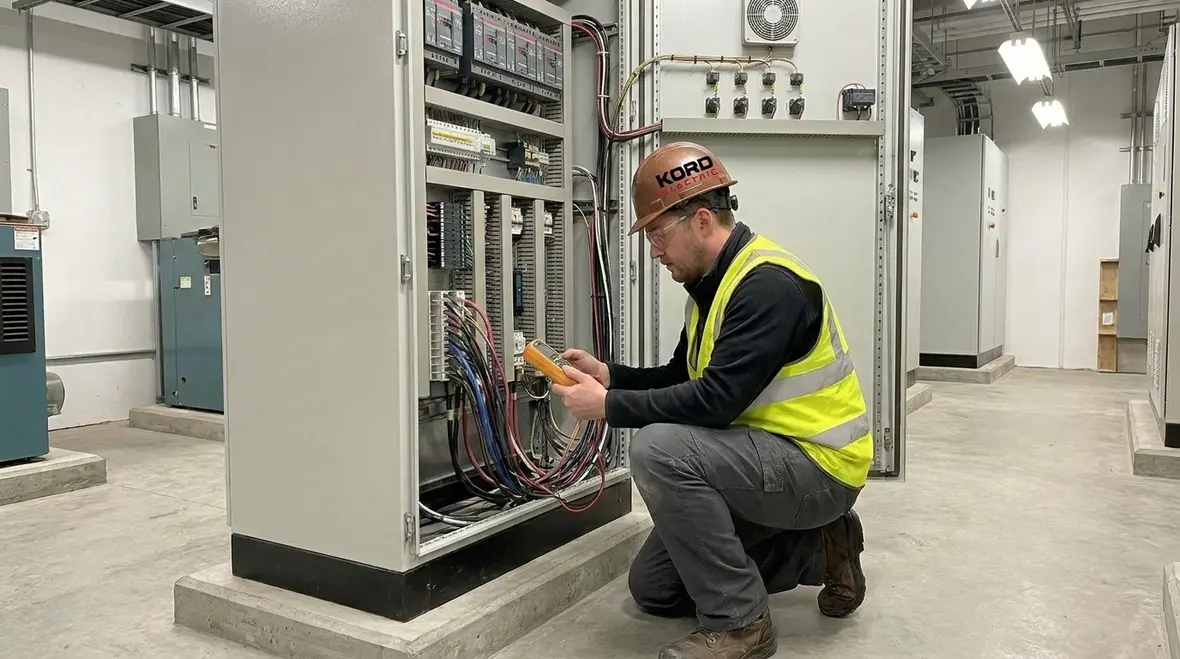
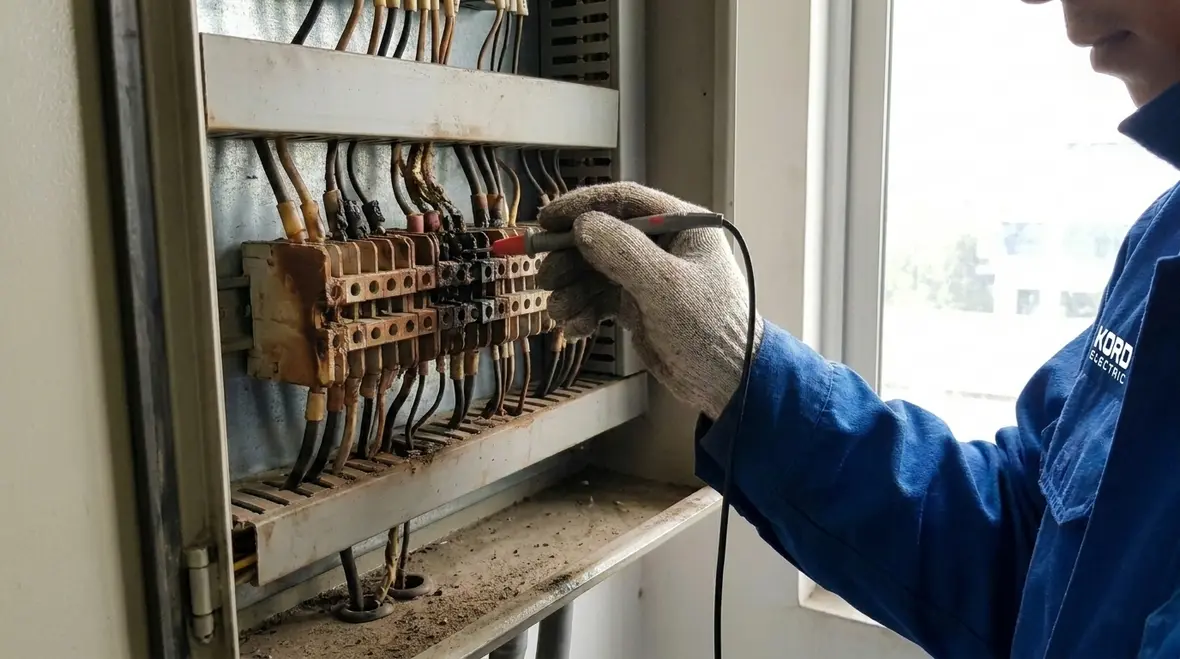
Most people think electrical safety audits only look for obvious damage. However, the best industrial electrical safety audit aims deeper. It identifies how small issues combine over time. For example, minor wear at a connection can raise heat. In turn, heat can loosen terminals. Eventually, the system can fail under load when you need it most.
As we review your facility, we also look at how risks show up during normal use. That means we observe panels, switchgear, distribution boards, grounding points, and cable routes. At the same time, we verify protective devices and their settings. Then we compare what the drawings say to what the field truly shows. If the two do not match, we treat that as a safety signal, not a paperwork problem.
In addition, we pay attention to “human factors.” People do not work in a vacuum. They follow habits. They access equipment in certain ways. They store materials near panels. So, we check the real environment, not the ideal one. And yes, we have seen cases where the only “gap” in safety was a stack of cardboard sitting too close to the wrong cabinet. The laws of physics do not care about good intentions.
Key objectives of an industrial electrical safety audit
When our team performs an industrial electrical safety audit, we focus on clear objectives that protect people, equipment, and operations. In practice, we guide others to reduce risk while keeping systems reliable.
- Identify electrical hazards that can cause shock, arc flash, or fire by checking insulation, enclosure integrity, cable condition, and labeling.
- Verify protective device coordination so breakers, fuses, and relays clear faults fast enough to limit damage and keep risk in control.
- Confirm grounding and bonding are effective because weak grounding can turn small faults into major events.
- Assess safe access and work practices including clearance around electrical equipment and how staff interacts with energized parts.
- Improve documentation accuracy so one person does not “know” the system while everyone else guesses.
- Prioritize corrective actions based on severity and impact, so you fix what matters first and plan the rest with confidence.
Then, once we finish the review, we help others turn findings into action. We do not just list issues. We explain how each one affects risk and reliability, and we help you select the right path forward for commercial and industrial operations where uptime matters.
Why reliability planning belongs in an electrical safety review
Electrical safety and reliability are linked. When protective systems and distribution layouts are designed well, the site handles faults with less damage and less disruption. For that reason, our technicians connect safety checks to distribution design principles, especially in facilities that depend on stable power.
In our experience, many reliability wins come from how the distribution system is built. For example, in data center electrical distribution design for reliability, redundancy, selective isolation, and planned load paths help a site keep working even when something goes wrong. We apply similar thinking during an industrial electrical safety audit, because a well planned system can reduce the time a fault stays active. Meanwhile, better segregation and proper switching sequences can limit the blast radius of an incident.
So, when we assess your site, we look for mismatches that break that reliability logic. We check whether equipment ratings match real loads. We confirm whether planned paths exist in the field. We also verify that protective devices can operate as intended across the system’s actual configuration.
And if you are wondering whether this sounds like extra work, we get it. Nobody wants “just one more thing.” Yet, the alternative is learning about your electrical behavior through an outage. That is a plot twist nobody asked for.
How our technicians and expert service staff run the audit
In the real world, audits succeed or fail based on how the team performs the work. At Kord Electric, our process combines field work and clear communication. We start by reviewing available drawings, one line diagrams, and previous service history. Then we plan what to inspect based on the systems that power the most critical operations.
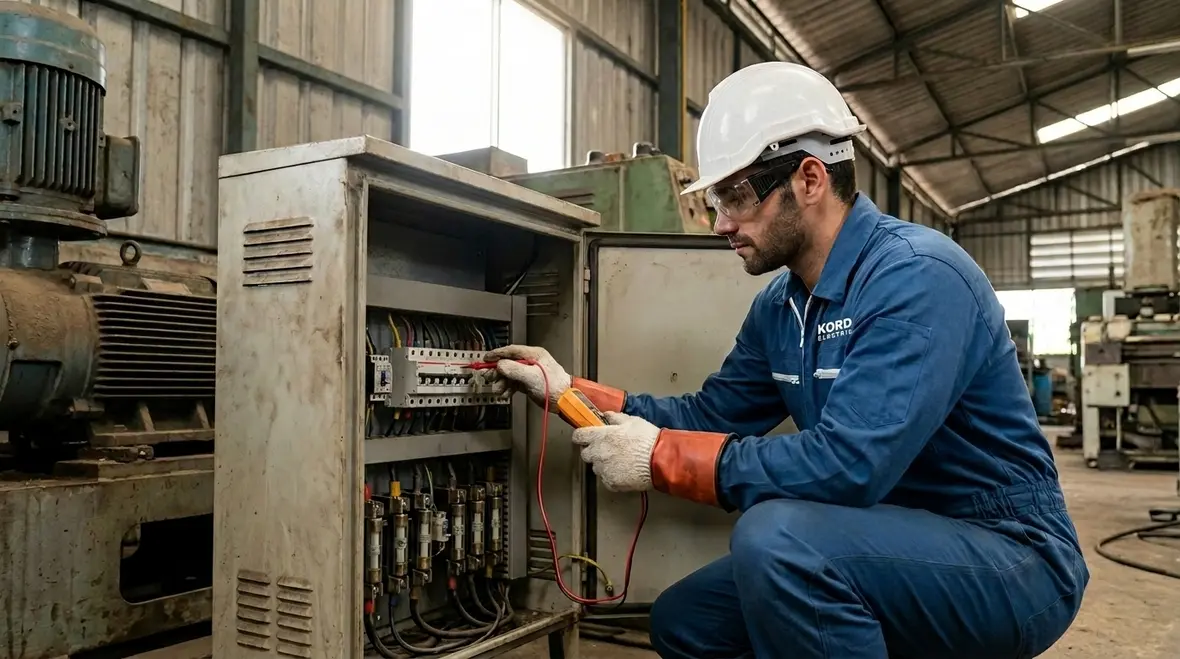
Next, our technicians perform targeted checks. We inspect enclosures, terminations, wiring integrity, and labeling. We evaluate how bus systems and distribution gear are built and maintained. We verify grounding pathways and bonding connections. Then we confirm protective device details like ratings, settings, and evidence of maintenance.
After that, we move from “what we saw” to “what it means.” Our expert service staff explains findings in a way that others can use. They explain risk in simple terms. They show where corrective actions reduce danger. Then they align those actions with your operational reality, since commercial and industrial facilities often cannot just shut down to “make everything perfect.”
Finally, we help plan next steps. We recommend immediate fixes for critical hazards. Then we propose staged work for longer term improvements. We also support staff with practical guidance, so safety stays real after the audit ends.
What reports should include and how teams should use them
A useful industrial electrical safety audit report should not feel like a mystery novel. It should be an operating tool. Therefore, our deliverables focus on clarity, prioritization, and actionability.
In our reports, we typically structure findings so others can quickly understand the issue, its impact, and the recommended correction. We also help you map each item to a practical plan. For example, a critical hazard might require immediate attention. Meanwhile, an improvement that reduces risk over time can be scheduled with other planned electrical work.
Additionally, we encourage teams to treat the audit as a living process. After corrective work, you should recheck assumptions. You should verify labeling updates and document changes. You should make sure that what got repaired matches what the system needs. In other words, you do not “complete” safety. You manage it.
If your facility supports multiple tenants or has complex operations, this matters even more. In those cases, we help others coordinate safe access, safe isolation, and clear responsibility so everyone knows how to work around electrical equipment without guesswork.
FAQ: Industrial electrical safety audit questions
Final call for safer power at your facility
If you operate in commercial or industrial environments, you already know that electrical risk does not announce itself politely. It shows up as wear, drift in settings, mismatched documentation, and delayed fault clearing. Our industrial electrical safety audit helps you find those issues early, prioritize corrections, and keep power safer and more reliable.
For many organizations, pairing an industrial electrical safety audit with a structured program such as electrical preventive maintenance turns one-time insights into long term protection for critical systems.
If you are ready to connect safety and reliability in a calm, organized way, Kord Electric can help you map audit findings into a practical roadmap that fits your operations and budget.
Contact Kord Electric today to schedule an audit for your facility. We will walk you through findings, plan next steps, and help protect your people and uptime with calm, professional certainty.
To see how we approach mission critical environments, explore our guide on data center electrical distribution design for reliability and discover how the same disciplined thinking applies to your industrial electrical safety audit and long term reliability planning.
And when it is time to move from audit findings into proactive service work, our dedicated electrical preventive maintenance services help keep breakers, switchgear, and distribution paths operating the way they were designed, year after year.


