Commercial Backup Generator Installation Guide
Backup Generator Options Guide for Commercial and Industrial Facilities
When the lights go out in a hospital wing, a data center, or a manufacturing floor, silence is never peaceful. It is expensive. At Kord Electric, our backup generator installation services are designed for commercial and industrial facilities that cannot afford downtime. Within the first few minutes of an outage, revenue, safety, and reputation all stand on the line. Therefore, we approach every project with calm precision and a steady hand. Our technicians and expert service staff guide property managers, plant supervisors, and facility directors through each option, explaining what matters and what does not. Because in the world of critical power, guesswork belongs in game shows, not in your building’s electrical room.
What follows is a clear, grounded guide to generator options for large scale properties. We will walk through fuel types, sizing, transfer systems, compliance, and long term service. Along the way, we will keep it practical. After all, power planning should feel less like a thriller movie and more like a well rehearsed symphony.
Understanding the Stakes for Large Properties
Commercial and industrial facilities operate on tight timelines and even tighter margins. For example, a distribution warehouse depends on powered conveyors, scanners, and climate control to move products efficiently. Meanwhile, a healthcare campus relies on continuous electricity for life safety systems, imaging equipment, and surgical suites. When an outage strikes, every second matters.
However, not all buildings face the same risks. A high rise office tower may prioritize elevators, fire pumps, and emergency lighting. On the other hand, a manufacturing plant may need to keep specific production lines energized to prevent material loss. Therefore, the first step in any backup generator installation is not choosing equipment. It is defining what must stay on.
At Kord Electric, our team begins with a detailed load analysis. Our experienced technicians sit down with facility managers and ask deliberate questions. What systems are mission critical. What can cycle on later. What downtime is acceptable. As a result, we create a power strategy that aligns with operations rather than guessing from a catalog page.
There is a certain calm that comes from knowing the plan fits the building. It is the difference between wearing a tailored suit and borrowing one two sizes too big. One inspires confidence. The other invites trouble.
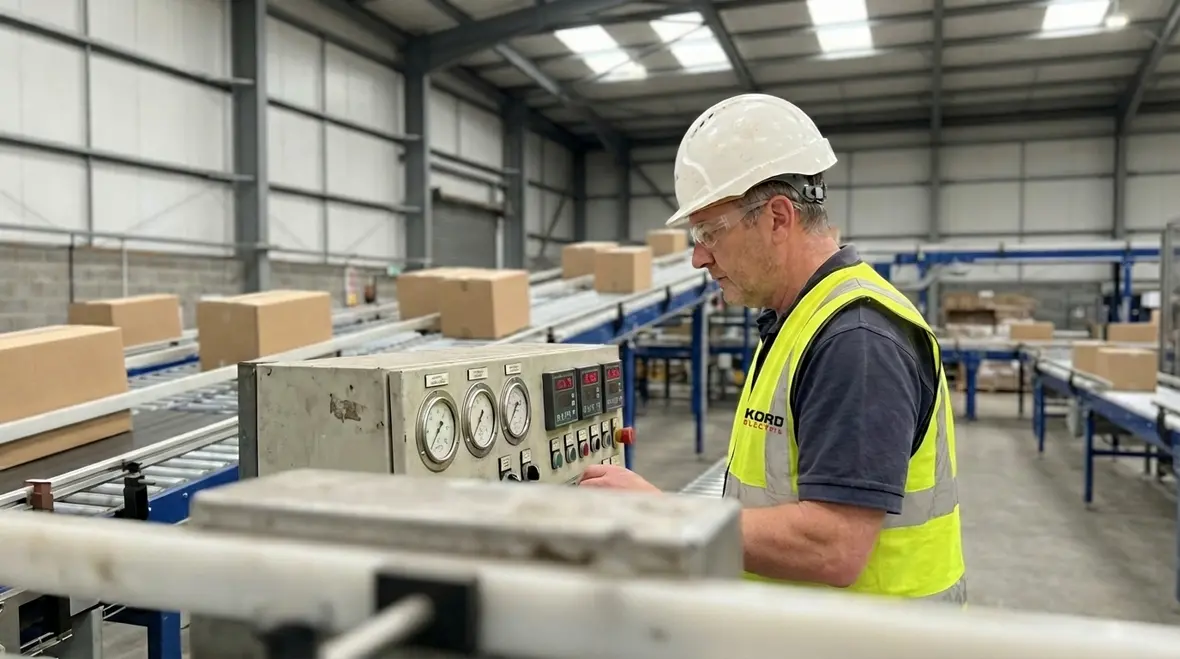
Choosing the Right Fuel Source for a Backup Generator Installation
Fuel type shapes performance, maintenance, and long term cost. Therefore, selecting the right source is more than a technical choice. It is a business decision.
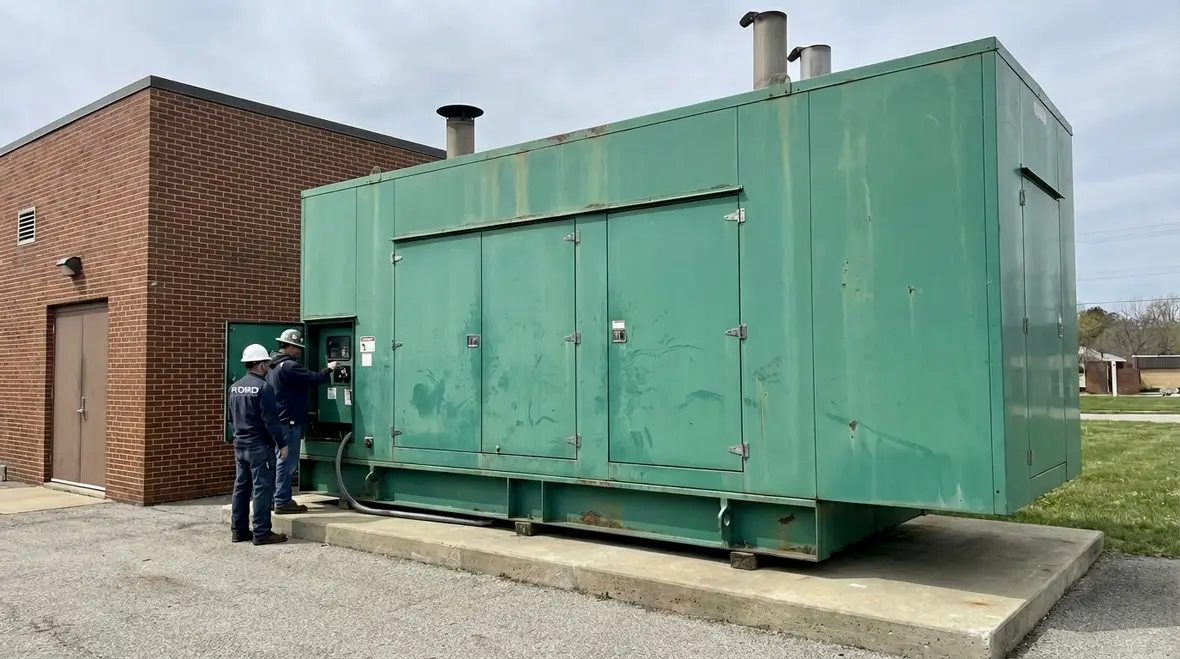
Diesel generators remain a popular option for industrial settings. They deliver high power output and respond quickly under load. In addition, diesel systems often provide strong reliability in remote or heavy duty environments. However, they require on site fuel storage and routine monitoring. For facilities with limited space or strict environmental rules, this factor carries weight.
Natural gas generators connect directly to a utility gas line. As a result, they eliminate the need for large fuel tanks. They also burn cleaner, which can support compliance goals. However, they rely on the stability of the gas supply. In major regional events, gas pressure can fluctuate. Therefore, risk assessment remains essential.
Dual fuel systems combine diesel and natural gas capabilities. Consequently, they offer flexibility during extended outages. If one source becomes limited, the system can shift to the other. For large campuses or critical manufacturing sites, this adaptability provides peace of mind.
Our expert service staff explains each option in plain language. We do not bury clients in jargon. Instead, we outline performance, costs, and service needs side by side. Because while generators may be complex machines, the decision process should feel clear and steady.

How to Size a Generator for a Commercial Building
Sizing is where science meets experience. Too small, and the generator strains under load. Too large, and the facility overspends on equipment and fuel. Therefore, precision matters.
First, we calculate total connected loads. Next, we identify essential circuits that require emergency power. Then, we evaluate starting currents for motors, chillers, elevators, and pumps. Because large equipment often demands a surge of power at startup, failing to account for inrush current can lead to voltage drops or system instability.
Moreover, we consider future growth. A distribution center expanding next year should not outgrow its generator this year. Consequently, our technicians review expansion plans, equipment upgrades, and projected capacity changes before finalizing recommendations.
Power factor, harmonics, and load sequencing also influence generator sizing. While these concepts may sound technical, our team translates them into real world implications. For example, improper sequencing can cause equipment to compete for power the moment the generator starts. That scenario feels a bit like everyone rushing through one doorway at once. No one moves efficiently.
Through careful engineering and field experience, Kord Electric ensures that each backup generator installation matches the building’s true operational profile. We believe in measured decisions, not oversized promises.
For facility owners planning broader system upgrades, integrating generator sizing with your overall electrical strategy can prevent bottlenecks later. Resources like the commercial electrical systems guide for modern buildings help connect the dots between normal operations and emergency power so backup plans never feel bolted on as an afterthought.
Transfer Switches and Control Systems That Keep Everything Moving
A generator without a transfer switch is like a fire truck without a driver. The equipment exists, yet nothing happens at the critical moment. Therefore, automatic transfer switches play a central role in system design.
When utility power fails, the transfer switch detects the outage and signals the generator to start. Within seconds, it shifts the load from the utility source to the generator. When utility power returns and stabilizes, the system transitions back smoothly. As a result, operations continue with minimal interruption.
For large commercial and industrial facilities, selective coordination is essential. This process ensures that only the affected circuits trip during faults, while the rest of the system remains active. Consequently, a minor issue does not cascade into a major shutdown.
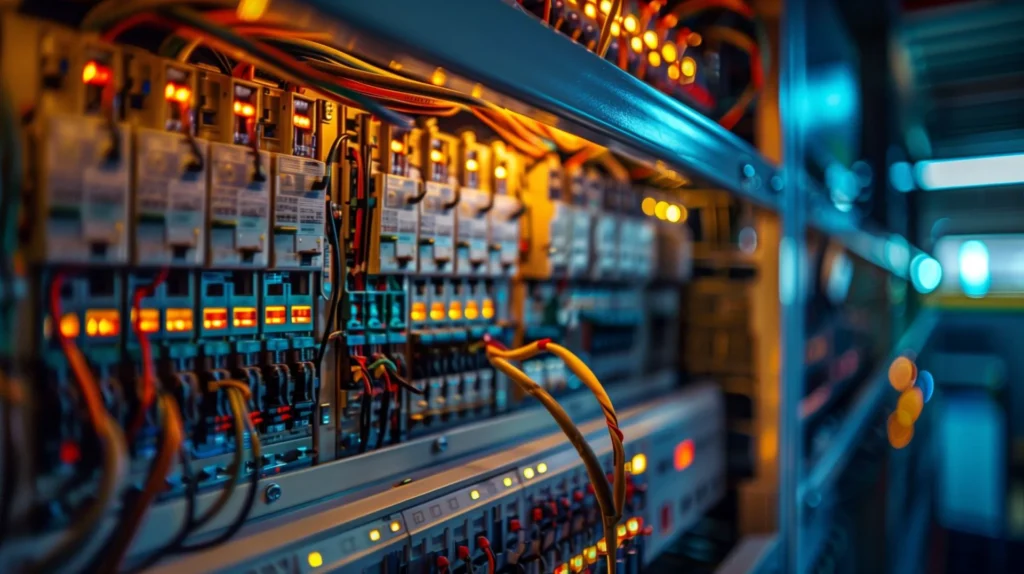
Modern control panels also allow facility managers to monitor performance in real time. Through digital interfaces, teams can track voltage, frequency, fuel levels, and service alerts. In addition, remote monitoring adds another layer of confidence, especially for multi building campuses.
Our technicians walk clients through these systems in person. They open panels, point to components, and explain what each indicator means. Because in moments of stress, familiarity brings calm. And calm decision making keeps facilities running.
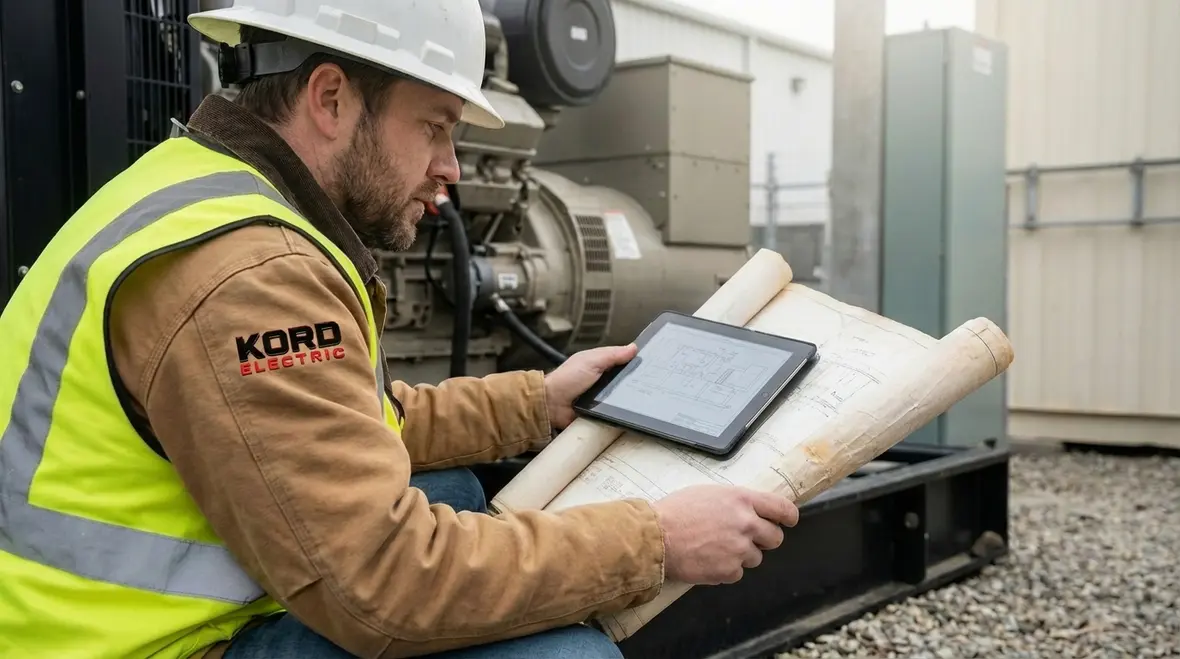
Compliance, Safety, and Code Considerations
Commercial properties face strict regulatory standards. Fire codes, building codes, environmental rules, and insurance requirements all intersect around emergency power systems. Therefore, compliance cannot be an afterthought.
For example, certain facilities must maintain life safety branches that power alarms, emergency lighting, and fire suppression equipment. Others must meet specific runtime requirements, often measured in hours rather than minutes. Moreover, fuel storage regulations may dictate tank placement, containment measures, and ventilation standards.
Kord Electric remains current with national and local codes that govern backup generator installation for commercial and industrial sites. Our expert service staff coordinates with inspectors, engineers, and facility stakeholders to ensure every component aligns with regulations. As a result, clients avoid costly rework and unexpected delays.
Safety also extends to physical placement. Generators require proper clearance, airflow, and sound control. While no one expects a generator to whisper like a meditation app, thoughtful placement reduces noise impact on nearby offices and neighboring properties. Therefore, acoustic enclosures and vibration isolation often become part of the design conversation.
In short, compliance is not paperwork. It is protection. And protection, when done right, feels almost invisible.
Many of the same principles that drive preventive maintenance and electrical safety apply directly to generator projects. If you are building a reliability roadmap, pairing your generator plan with a structured electrical preventive maintenance program keeps critical infrastructure aligned with evolving codes and inspection requirements.
Comparing Generator Configurations for Major Buildings
| Configuration Type | Best Use Case and Key Advantages |
| Single Large Generator | Ideal for facilities with a concentrated load profile. Offers simplified maintenance and lower initial equipment complexity. However, redundancy may require additional planning. |
| Paralleled Generators | Suitable for campuses and high demand sites. Multiple units share load, provide redundancy, and allow staged maintenance. As a result, operations continue even if one unit requires service. |
| Dedicated Critical Branch Unit | Designed for life safety or specific production lines. Isolates essential systems from non critical loads. Therefore, it reduces strain and enhances reliability. |
| Hybrid with Load Management | Combines intelligent controls with generator capacity. Prioritizes circuits dynamically during outages. Consequently, it maximizes efficiency without oversizing equipment. |
Each configuration carries tradeoffs. Therefore, our technicians analyze operational patterns before recommending a path. We believe the right system should serve the building quietly, almost like a stage crew that makes the show possible without stepping into the spotlight.
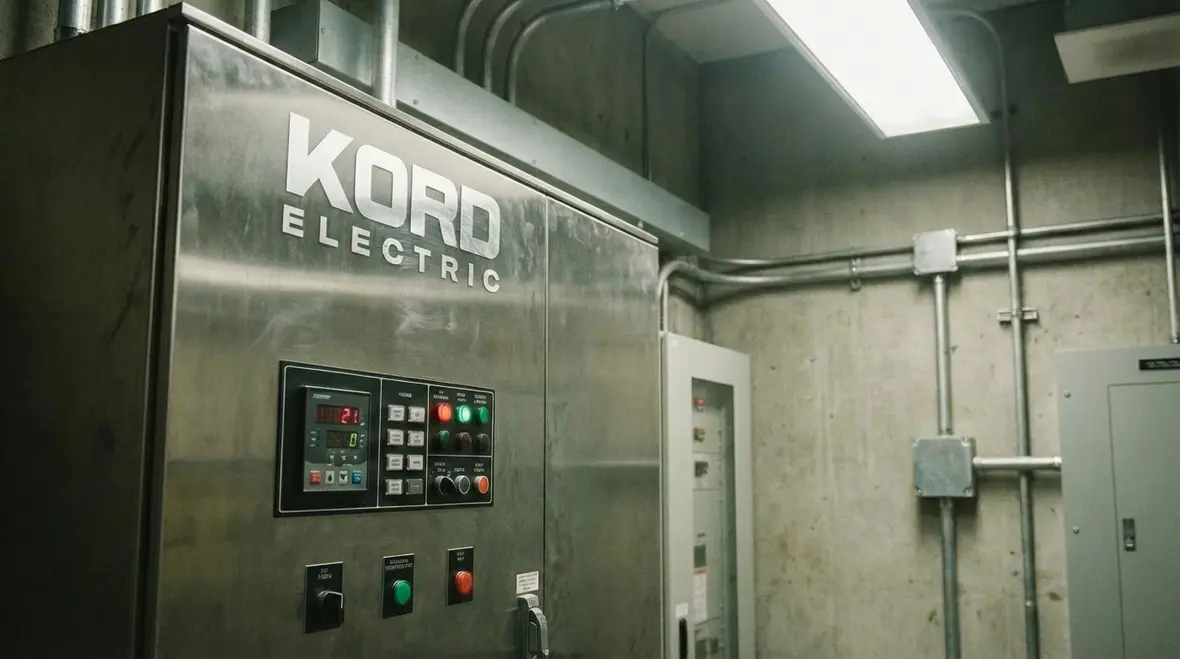
Maintenance and Long Term Reliability Planning
A generator that sits idle for years can become unreliable at the worst possible moment. Therefore, maintenance planning begins the day the system goes live.
Routine inspections, load bank testing, fuel quality checks, and battery evaluations all play a role. Moreover, scheduled exercise cycles keep components lubricated and ready. Because mechanical systems prefer movement over neglect, regular operation extends service life.
Kord Electric provides structured service programs tailored to commercial and industrial clients. Our expert service staff documents each visit, tracks performance trends, and flags issues early. As a result, small concerns rarely grow into major disruptions.
In addition, proactive maintenance supports warranty protection and regulatory compliance. Insurance carriers often look favorably on documented service histories. Consequently, a disciplined approach to care not only protects equipment but also strengthens risk management.
Some facility managers joke that generators are like insurance policies with engines. You hope you do not need them often. Yet when the moment arrives, you want them ready without hesitation. We could not agree more.
What Should a Facility Manager Ask Before Installing a Generator?
Facility leaders often approach Kord Electric with a simple question. What do we need to know before moving forward. The answer unfolds in layers.
- What loads are truly critical. Define essential systems clearly.
- How long must the facility operate during an outage. Determine runtime goals in hours or days.
- Is redundancy required. Evaluate tolerance for risk.
- What space and ventilation constraints exist. Review physical limitations early.
- How will ongoing service be managed. Plan maintenance from the start.
When these questions receive thoughtful answers, the path forward becomes clear. Moreover, involving experienced technicians early prevents costly redesigns later. Because while last minute fixes may look dramatic in movies, in real facilities they tend to cost time and money.
FAQ About Commercial Backup Generators
Conclusion and Next Steps with Kord Electric
Power is not just electricity. It is continuity, safety, and trust. At Kord Electric, we approach every commercial and industrial project with steady focus and expert care. From design through service, our technicians guide each decision with clarity and confidence. If your facility is ready to strengthen its resilience, we invite you to connect with our team. Together, we will design a generator solution that keeps your operations steady, even when the grid is not.
For many properties, a generator project is just one part of a broader reliability strategy. Pairing backup generator installation with services like electrical preventive maintenance for commercial and industrial facilities helps ensure that normal operations, emergency systems, and long term upgrades all work together as one cohesive plan.
If you are evaluating options for a new facility, expanding an existing site, or planning critical system upgrades that may include backup generator installation usage, Kord Electric can help you map out a complete path—from initial load study and fuel selection to maintenance schedules and compliance documentation.
When you are ready to move from “we should really do something about backup power” to a clear, engineered solution, our team is here to support every step.
To discuss generator design alongside your broader service needs, including inspections, testing, and ongoing support, explore our electrical preventive maintenance services and connect with our commercial and industrial specialists.