Electrical Code California Compliance Guide
When it comes to electrical code california, there is no room for guesswork. In a state where innovation moves fast and regulations move faster, commercial and industrial facilities must stay sharp. At Kord Electric, we do not simply wire buildings. We guide property managers, facility directors, and developers through the evolving standards that govern how power flows, how systems stay safe, and how businesses remain compliant. Our technicians and expert service staff explain each requirement in plain language, because no one wants a code lecture that feels like a courtroom drama.
In the sections ahead, we walk through what has changed, why it matters, and how California electrical regulations shape the way major properties operate. We keep it steady, clear, and practical. After all, compliance is not about fear. It is about confidence.
Understanding the Foundation of Electrical Code California
California builds upon the National Electrical Code, yet it does not stop there. The state adds its own amendments through the California Electrical Code, updated on a three year cycle. As a result, commercial and industrial properties face requirements that often exceed national standards.
These updates focus on safety, energy efficiency, seismic protection, and emerging technologies. Because California leads in renewable energy and sustainability, its regulations often set the pace for the rest of the country. Therefore, property owners cannot afford to treat compliance as a once a decade review.
At Kord Electric, our team studies each revision before it takes effect. Our technicians attend ongoing training, and our expert service staff breaks down complex updates into clear action steps. We believe that when clients understand the why behind a rule, compliance feels less like a burden and more like smart business.
Moreover, code updates are not abstract theory. They directly affect panel upgrades, grounding methods, arc fault protection, load calculations, and emergency systems. In large commercial facilities, even a small change can influence thousands of square feet of infrastructure. Consequently, preparation becomes everything.
What Changed in Recent California Electrical Regulations?
Facility managers often ask what truly shifts between code cycles. The answer is both simple and layered. Recent updates emphasize safety systems, energy monitoring, distributed energy resources, and resilience.
First, enhanced requirements for arc fault and ground fault protection now apply in more scenarios within commercial occupancies. While these devices may seem small, they significantly reduce fire risk. Additionally, inspectors pay closer attention to proper labeling, panel accessibility, and accurate load calculations.
Second, energy efficiency rules tie directly into Title 24 standards. Lighting controls, occupancy sensors, and advanced metering must integrate seamlessly with electrical infrastructure. Because California prioritizes energy reduction, facilities must prove performance, not just installation. For a deeper dive into how Title 24 shapes lighting strategies, many property teams also study resources like the California Commercial Lighting Code Guide for 2026, which unpacks how controls, sensors, and layouts affect compliance and operating cost.
Third, backup power systems receive greater scrutiny. Emergency and legally required standby systems must meet stricter transfer and testing standards. Hospitals, data centers, manufacturing plants, and high rise buildings face detailed requirements. Therefore, documentation and testing logs become as important as the equipment itself.
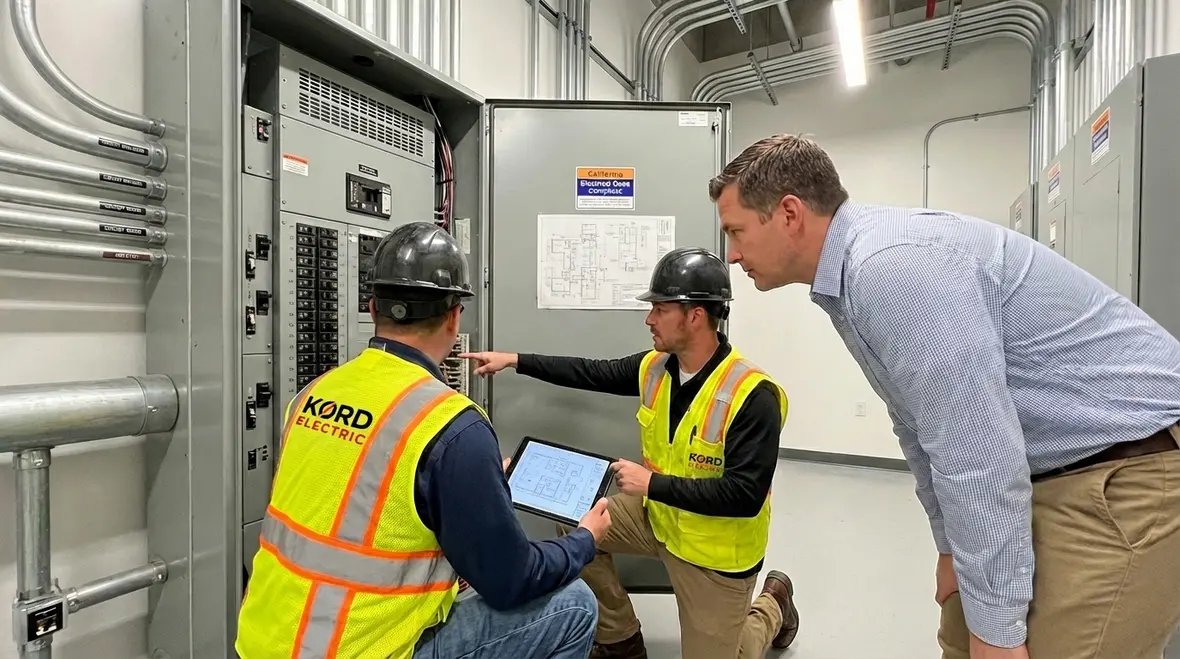
Our technicians do not just install. They explain. They walk facility teams through why selective coordination matters or how proper grounding protects sensitive equipment. And yes, they do it without sounding like a robot reading a manual. Think less textbook, more trusted advisor who has seen it all.
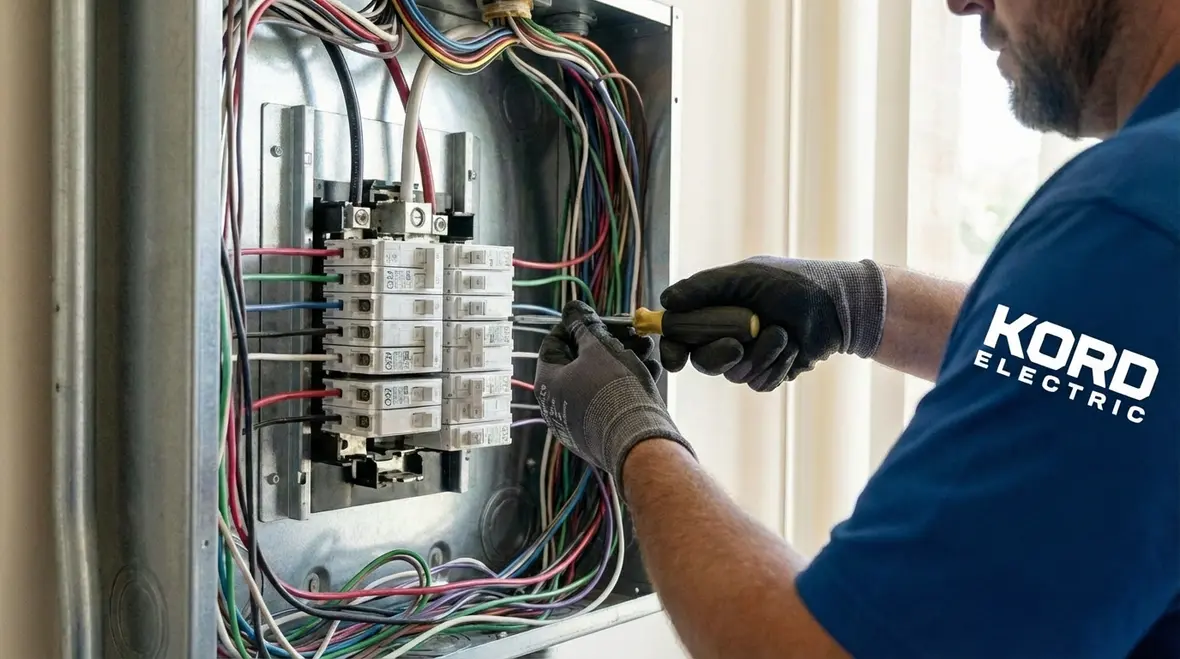
How Do Electrical Code Updates Affect Commercial and Industrial Buildings?
In large properties, compliance touches every system. Lighting, distribution, switchgear, generators, fire alarms, and EV infrastructure all fall under the scope of the California electrical code. As a result, a single renovation can trigger broader upgrades.
For example, when a manufacturing facility expands production lines, load calculations must be reassessed. If service capacity increases, new switchgear may need to meet updated short circuit ratings. Furthermore, labeling and arc flash studies must reflect current standards.
High rise office buildings face additional considerations. Emergency egress lighting must align with updated battery or generator requirements. In addition, fire pump connections and life safety circuits require precise separation and protection.
At Kord Electric, we approach projects with a systems mindset. Our expert service staff reviews existing infrastructure before proposing solutions. Instead of patching one area, we evaluate how changes ripple across the entire facility. That perspective prevents costly surprises during inspections and pairs well with long-term strategies like electrical preventive maintenance programs that keep facilities aligned with evolving codes year after year.
And let us be honest. No property manager enjoys a red tag from an inspector. It is the commercial real estate version of getting called to the principal’s office. However, with proper planning, those moments become rare.
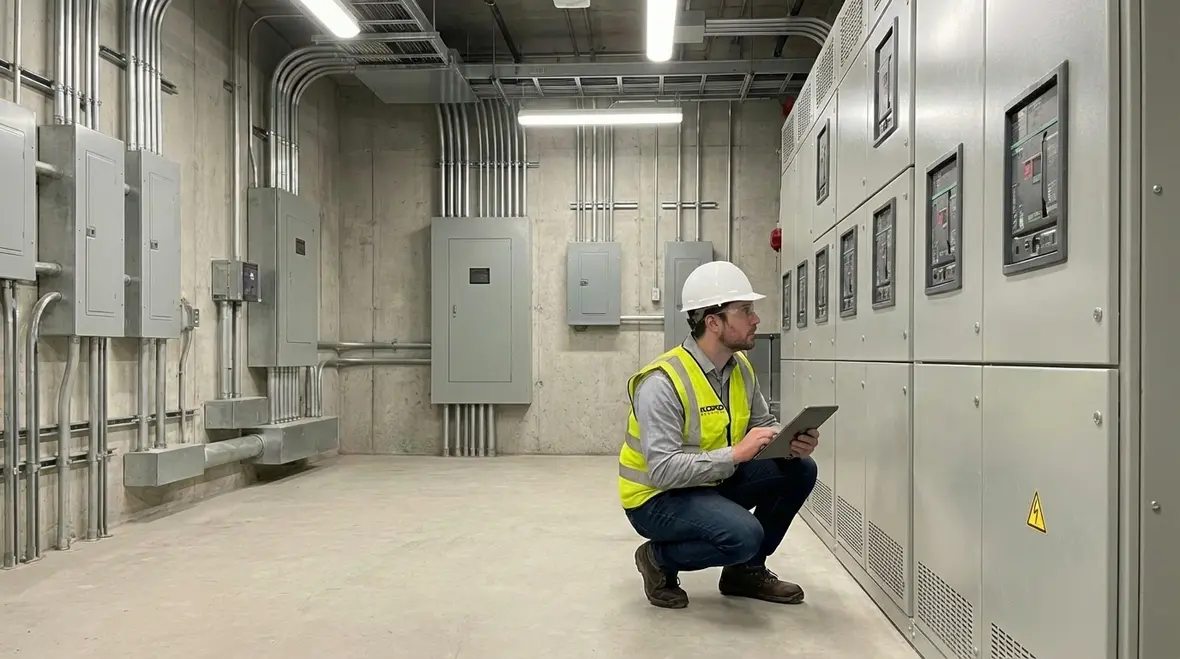
Planning Upgrades Under California Electrical Compliance Standards
Successful compliance begins long before tools come out of the truck. It starts with assessment and strategy.
First, we conduct a comprehensive code review tailored to the building type. Industrial plants differ from corporate campuses. Data centers differ from distribution warehouses. Therefore, each evaluation focuses on occupancy classification, load demands, and operational risk.
Next, we align upgrade plans with budget cycles. Because major facilities operate on tight financial schedules, phased improvements often make sense. For instance, a property may prioritize panel replacements this year and advanced metering next year. With a structured roadmap, compliance becomes manageable.
Additionally, we coordinate closely with engineers, inspectors, and facility leadership. Communication prevents missteps. Our technicians document every installation detail, ensuring that inspection day feels routine rather than dramatic.
Throughout the process, we explain each step. Clients hear not only what needs to change, but why it matters. That clarity builds trust. And trust, much like a well grounded system, keeps everything stable.

Key Focus Areas in Modern Electrical Code California
Below is a clear breakdown of critical areas affecting commercial and industrial properties. On the left, you see the focus area. On the right, you see why it matters for major facilities.
Focus Area
Arc fault and ground fault protection
Energy monitoring and advanced metering
Emergency and standby power systems
EV charging infrastructure
Seismic bracing and equipment anchoring
Arc flash labeling and studies
Impact on Facilities
Reduces fire risk and protects equipment
Supports Title 24 compliance and energy goals
Ensures life safety and operational continuity
Prepares properties for fleet and tenant demand
Protects systems during earthquakes
Improves worker safety and inspection readiness
Each of these areas carries technical depth. For example, seismic bracing in California is not optional decoration. It requires precise calculations and approved hardware. Likewise, arc flash studies demand accurate data and updated labeling. Therefore, experienced technicians become essential.
Training, Documentation, and the Human Element
Codes evolve. People must evolve with them.
At Kord Electric, continuing education is not a marketing slogan. It is routine. Our technicians review every cycle of the California Electrical Code and participate in industry workshops. Consequently, they bring current knowledge to each commercial and industrial project.
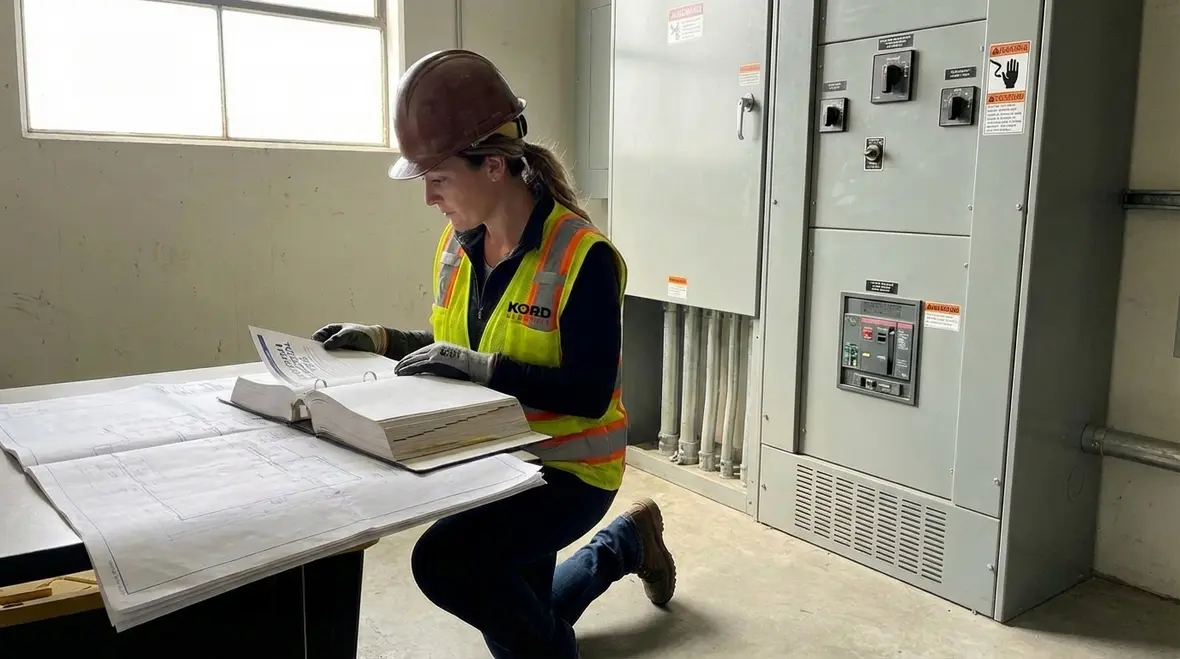
However, knowledge alone does not guarantee compliance. Documentation seals the deal. Inspection authorities expect clear panel schedules, load calculations, single line diagrams, and testing records. Therefore, we maintain organized records that clients can access when needed.
Moreover, our expert service staff acts as translators between technical language and operational reality. When a facility director asks how a new regulation affects production uptime, we answer directly. No vague phrases. No dramatic pauses. Just clear guidance.
And yes, sometimes we add a light moment. After all, discussing bonding and grounding for an hour can feel like binge watching a very niche documentary. A little humor keeps the room awake. Yet professionalism always leads.
Staying Ahead of Inspections and Liability Risks
Inspections are not the enemy. In fact, they serve as checkpoints for safety and performance. Nevertheless, failing one can delay operations and increase costs.
Proactive audits reduce that risk. By reviewing facilities against current California electrical regulations, we identify gaps early. Additionally, we recommend corrective steps before small issues become large liabilities.
Insurance carriers and legal teams also pay attention to compliance. When incidents occur, documentation of adherence to the electrical code california framework becomes critical. Therefore, investing in proper upgrades protects more than equipment. It protects reputation.
Large commercial and industrial properties carry significant responsibility. Employees, tenants, and visitors rely on stable and safe systems. Because of this, leadership teams increasingly treat electrical compliance as part of overall risk management strategy. We stand beside them in that effort.
Frequently Asked Questions
Partner with Kord Electric for Confident Compliance
Electrical regulations will continue to evolve. Technology will advance. Expectations will rise. Fortunately, with the right partner, compliance does not have to feel overwhelming. At Kord Electric, we guide commercial and industrial facilities through every phase of planning, upgrade, and inspection. Our technicians and expert service staff explain each step with clarity and calm authority. When your property must meet the highest standards, trust us to keep your systems safe, efficient, and fully aligned with California requirements.
If your next project involves major lighting retrofits, EV charging infrastructure, or power quality corrections, our team can align that work with current electrical code california requirements while improving reliability. Explore related solutions like commercial EV charger installation or voltage fluctuation mitigation services to see how compliance and performance go hand in hand.
When your property must meet the highest standards, partner with an electrical contractor who treats code as a foundation, not an afterthought. Contact Kord Electric today to discuss your facility, upcoming inspections, or long-term upgrade roadmap.