

Commercial Electrical Metering Solutions Types Planning Installation
At Kord Electric, we support only commercial, industrial, and major property buildings, and we treat metering like a backbone, not an afterthought. In this guide, we explain our Commercial Electrical Metering Solutions: Types, Planning & Installation, including how we choose the right meters, plan the wiring and setup, and install them with care. And yes, we also explain what we are doing in plain language, because nobody enjoys paying for surprises. First, we cover the types of commercial metering used in real building scenarios. Then we walk through planning steps, installation best practices, and the checks our technicians perform after power is back on. Finally, we cover compliance expectations, integration with monitoring, and what to ask before work begins.
What commercial metering solutions do for billing, safety, and control
When others rush into installation without a plan, they tend to create problems that show up later, usually on a bill. We design commercial metering solutions so the building owner gets accurate usage data, predictable billing inputs, and a clean path for maintenance and upgrades. Accurate measurement also supports safety, because it helps identify unusual load behavior and reduces guesswork during troubleshooting.
In many facilities, metering affects more than invoices. It can guide load balancing, support demand response planning, and help property managers spot energy spikes before they become emergency repairs. As a result, metering becomes a tool for smarter operations, not just a device mounted on a wall like it is waiting for a time traveler to arrive.
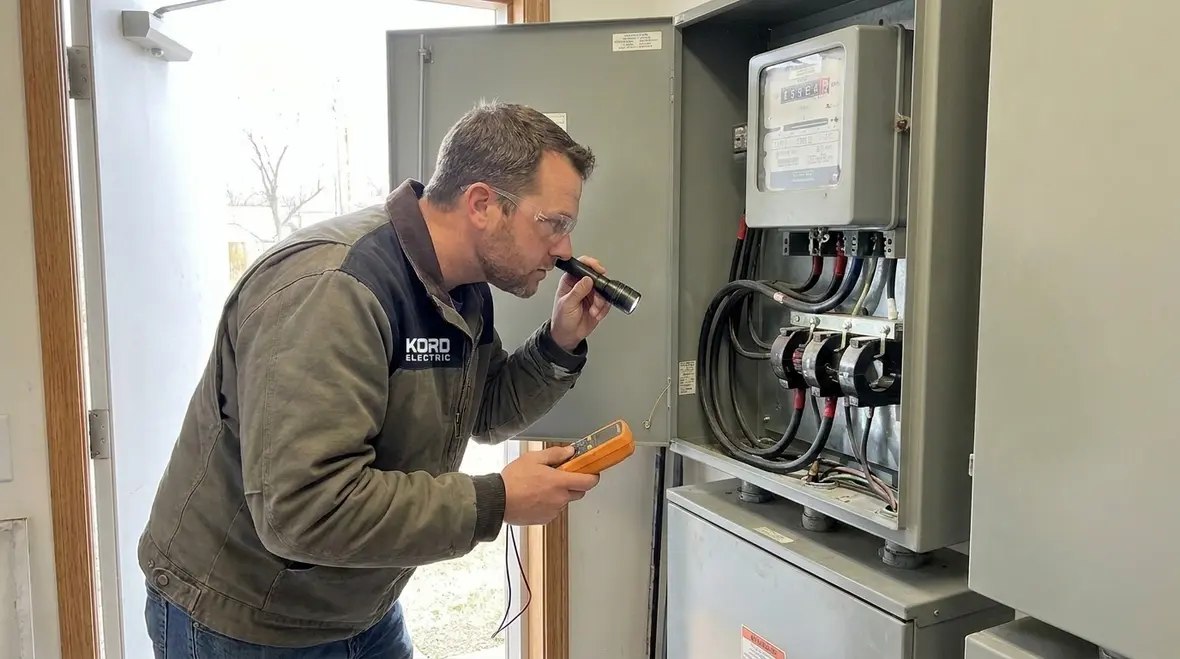
Commercial Electrical Metering Solutions: Types you see in real building projects
Different sites need different approaches, so we match the metering system to the building’s electrical layout, utility requirements, and operational goals. In most major property and industrial environments, we focus on metering that supports stable readings, clear wiring, and easy verification during service calls.
Here are the most common types we handle through our commercial and industrial work.
- Metering with current transformers and voltage sensing: This setup suits many facilities where direct metering is impractical due to high current levels. We plan the CT location, polarity, and wiring paths so readings stay trustworthy.
- Revenue grade metering systems: We treat these as money, because that is what the utility and the business consider them to be. We follow strict installation practices, labeling, and testing so the data can stand up to scrutiny.
- Submetering for zones and tenants: For multi zone buildings and large campuses, submetering helps isolate usage by area, floor, process line, or tenant. We ensure metering is organized, so future audits do not turn into a scavenger hunt.
- Smart metering with remote read capability: When monitoring and reporting matter, smart capable systems support automated collection and trend data. We coordinate the device setup with the building’s communication needs so the system actually works after installation.
And if you are wondering whether “smart” means “set it and forget it,” we will answer gently: no. Smart meters still need correct wiring, correct configuration, and a clear acceptance process. We make sure that happens, and then our team explains the outcome so your staff is not left guessing.
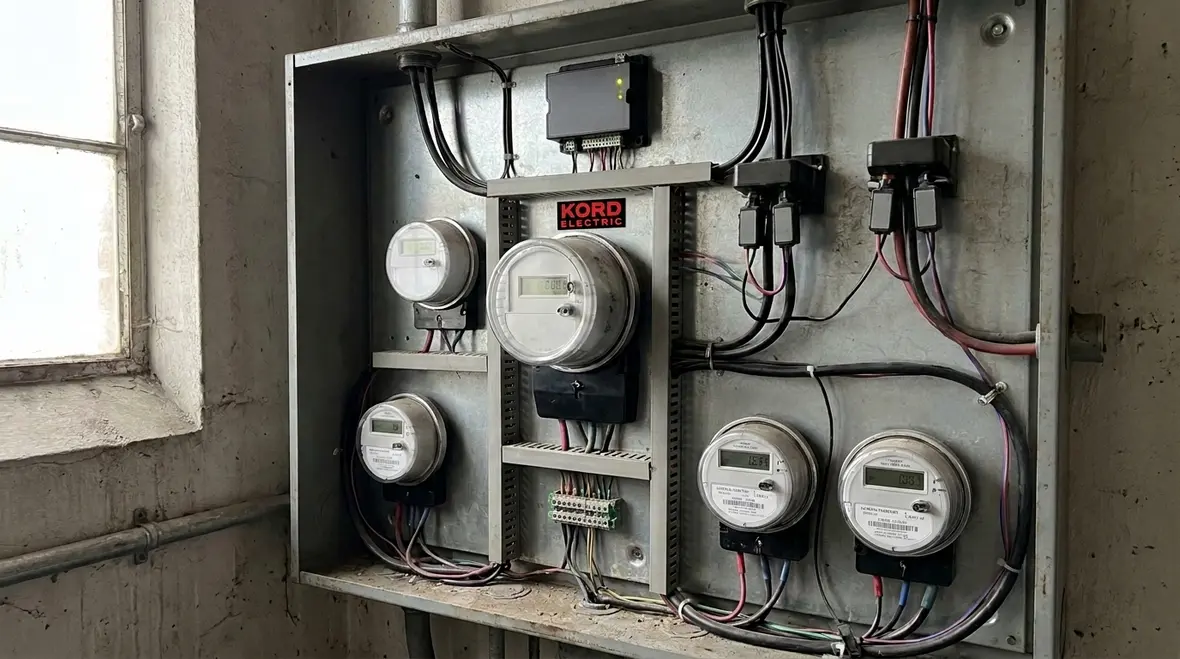
Planning the metering scope for a building that will not sit still
Planning decides whether installation goes smoothly or drags out like a TV season that could have been one episode. We start by gathering electrical one line information, panel schedules, service details, and utility metering rules. Next, we map where the meter equipment will live, how cables will route, and how access will work for maintenance.
Because major property buildings rarely pause for construction, we also plan work windows and energization steps. Our service staff explains the plan in plain terms, including what we will test, what will be temporarily offline, and how we will restore normal operation. That transparency matters, especially when facilities are operating under tight timelines.
In practice, we often build a checklist that covers:
- Meter location and mounting requirements, including accessibility for future inspections
- CT and VT placement, wiring segregation, and how we prevent mix ups
- Labeling standards for conductors, cabinets, and measurement points
- Integration needs for monitoring platforms or building management systems
- Testing steps that confirm correct scaling and wiring before the utility accepts anything
In addition, we prepare for change. If a load profile will evolve, or if tenants and panels will shift, we select metering components and pathways that can handle growth without requiring demolition level rework.
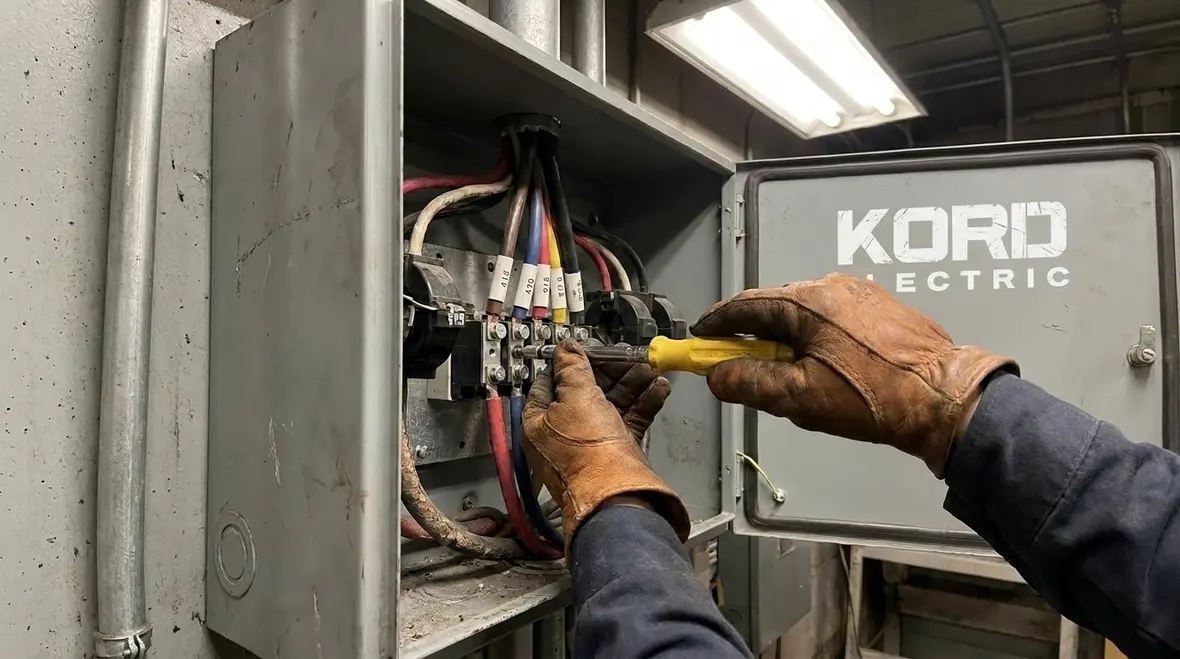
Installation steps we follow so readings stay accurate
Our technicians do more than mount equipment. They verify details that usually cause the biggest billing and performance problems. And importantly, we follow a disciplined process from rough wiring to final verification.
Step 1: We set up the equipment layout, route conductors, and prepare termination points. Then we confirm labeling so the right wire ends up in the right terminal the first time.
Step 2: We install CTs and voltage sensing components with attention to polarity and ratio settings. If those details are off, the meter can read “something,” but it will not read the truth.
Step 3: We land wiring in an organized manner, keeping separation where needed and preventing bundle confusion.
Step 4: We test configuration and continuity before we energize in final mode. Next, we perform checks that confirm scaling and correct phase relationships where applicable.
Step 5: We verify operation after power is restored. Then we confirm the data output matches expected load behavior.
Step 6: We document everything for the owner and for ongoing maintenance, so service teams do not have to “learn it again.”
As we work, our expert service staff explains what each verification step accomplishes. That matters because the building owner should understand the “why,” not just the “done.” Think of it like the difference between watching a movie with subtitles and watching it with the director commentary. Both are watchable, but one gives you control.
Smart meter installation for commercial buildings: acceptance, integration, and upkeep
When smart metering is part of the plan, we coordinate the installation steps with configuration expectations and the monitoring path. The goal is not just to install a meter, but to make sure the system delivers usable data to the right place.
In our experience, smooth acceptance depends on three things. First, we verify the meter is configured correctly and that the wiring supports stable readings. Second, we confirm communication methods and that the data is routed to the intended platform or reporting dashboard. Third, we support the handoff with clear documentation.
And because jokes keep people awake during long electrical timelines, here is the truth: if you do not verify communication early, you will eventually chase settings like a lost remote at the worst possible time. We avoid that by testing during installation, not after.
For integration, we also plan for how facility teams will use the data. Some buildings want interval trends and alerts. Others need usage summaries for chargeback or internal reporting. We align the metering setup with those needs, so your operators can take action, not just view numbers.
Finally, we support upkeep through recommended inspection intervals and maintenance practices that keep metering components in safe condition. We focus on long term reliability because commercial and industrial facilities cannot afford downtime that turns into a recurring storyline.
Compliance and quality checks we prioritize for industrial and major property sites
Commercial metering solutions must perform reliably and safely, especially in facilities where electrical systems serve large loads and critical operations. We focus on quality checks that support safe installation, consistent measurements, and clear ownership documentation.
Our technicians prioritize:
- Correct workmanship in terminations, routing, and cabinet organization
- Verification tests that confirm correct wiring, scaling, and stable operation
- Clear labeling and records for ongoing maintenance and audits
- Coordination with the utility or authority requirements where applicable for revenue metering
As a result, when questions come from stakeholders, our documented evidence makes the conversation shorter. Nobody wants to debate “what the meter should have read” when the system can explain what it did.
FAQ about commercial metering solutions
Connected strategies and deeper dives for smart metering
If you want to explore how smart metering links into broader building strategies, Kord Electric’s dedicated resource on smart meter installation for commercial buildings walks through practical examples. That guide explains how real facilities use meter data to build a clearer energy picture, coordinate load management, and support decisions about upgrades, emergency response, and long term reliability.
In many commercial and industrial environments, Commercial Electrical Metering Solutions: Types, Planning & Installation end up intertwined with preventive maintenance, lighting control, and troubleshooting strategies. When metering is planned with those efforts in mind, your data becomes more than a series of numbers. It becomes a shared reference point for engineers, operators, and finance teams trying to keep a complex building running smoothly.
For Los Angeles County and surrounding areas, that whole-building view often starts with a single call to a contractor who understands how code compliance, uptime, and safe work practices fit together. From there, metering becomes part of a larger playbook that also covers panel capacity, subpanels, lighting, and emergency response pathways.
Ready to upgrade your metering with Kord Electric
If you manage a commercial, industrial, or major property building, you do not need “good enough” metering. You need accurate data, reliable performance, and a clear plan from selection to testing. Kord Electric brings expert service staff, disciplined installation practices, and documented quality checks that make future maintenance easier. Contact us today to discuss your metering goals, review your site requirements, and schedule a professional installation timeline. Let’s get your energy numbers working for you, not against you.
For property teams that want metering to plug into a broader service strategy, our Los Angeles County electrical services cover troubleshooting, upgrades, preventive maintenance, and project planning across commercial and industrial facilities. That way, the same partner who installs and configures your meters can also support the downstream work that keeps your system reliable year after year.
Whether you are planning a targeted meter upgrade or a larger electrical modernization, Kord Electric helps you connect the dots between equipment, data, and day to day operations so your facility runs with fewer surprises and more control.


