Commercial Electrical Panel Capacity Upgrade Signs
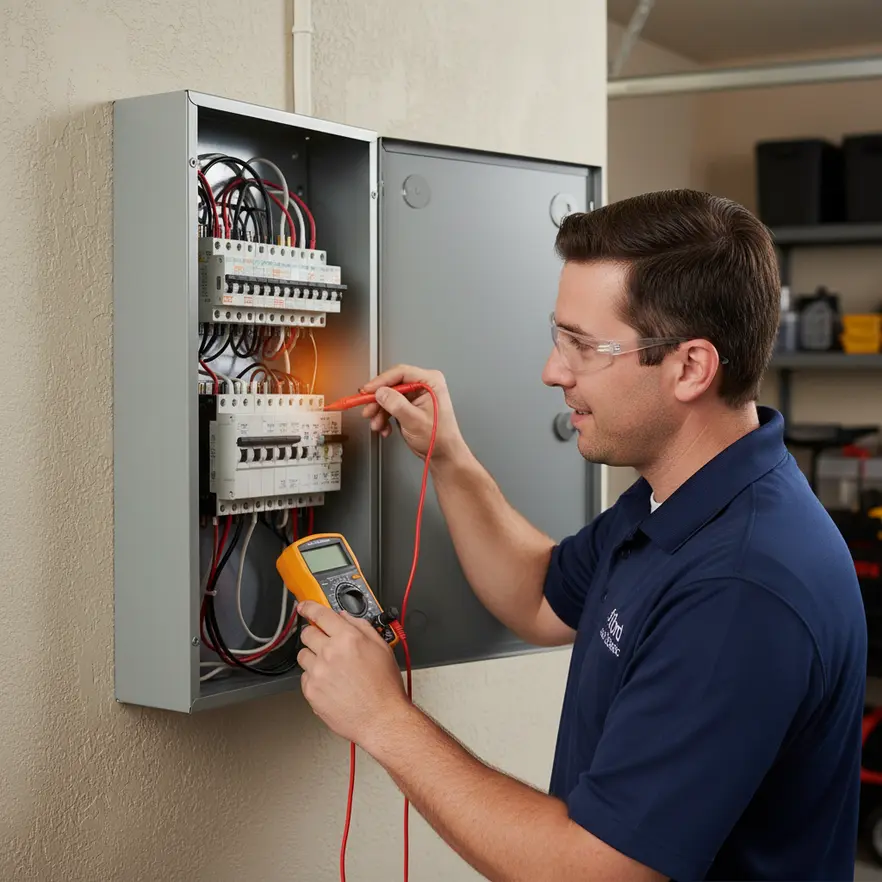
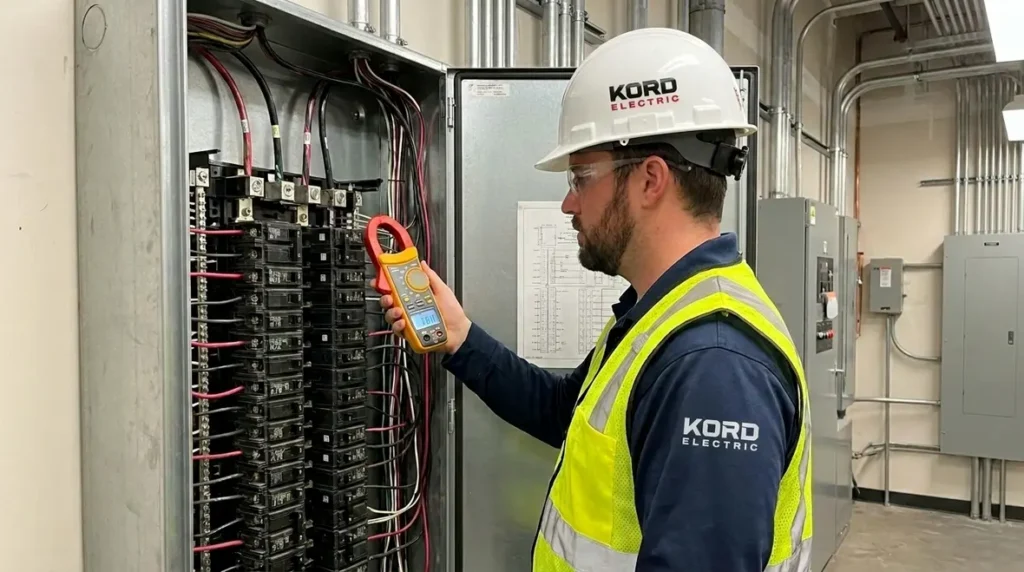
Over time, commercial electrical systems can quietly drift from “fully capable” to “barely hanging on.” When commercial electrical panel capacity upgrade signs show up, it is usually not the lights that fail first. It is the margin. Others can notice it as flicker, heat, or breakers that trip at the worst time, like during a rush when the HVAC starts and the printers decide to rebel. In the first stages, the problem feels small, but it compounds quickly across panels, feeders, and load calculations. At Kord Electric, we work with commercial and industrial facilities and major property buildings, so we take these warnings seriously. We also explain what we see, in plain language, as our technicians and expert service staff walk you through the cause, the risk, and the right upgrade path.
What “overloaded” really means inside a commercial panel
In many buildings, “overloaded” does not only mean too much power. It can mean the wrong power distribution, aged components, undersized wiring, or growth in loads without an updated load study. When a facility adds new equipment, racks, refrigeration, EV chargers, or even just more tenants and more plug loads, the electrical demand climbs. Then, the panel that once had comfortable headroom starts to operate closer to its limits.
Meanwhile, heat becomes a silent thief. As conductors and bus bars carry higher currents, temperature rises. In turn, connections can loosen over time, and loose connections create even more heat. So, the system becomes less efficient and less reliable, even if the total load seems “within range” on paper. This is why we assess not just the numbers but also the physical condition of the panel, the breaker alignment, and the wiring terminations. Our expert team then maps the load profile across peak hours to confirm what the building is truly asking for.

The goal is not to scare anyone. It is to remove the mystery. Once you understand that “overloaded” can mean wiring, distribution, aging hardware, and unplanned growth all stacked together, it becomes easier to see why a structured commercial panel review is not optional—it is responsible. Especially in facilities where uptime is part of the business model, that distinction matters.
Commercial electrical panel capacity upgrade signs worth acting on now
Here are the most common commercial electrical panel capacity upgrade signs we see in commercial and industrial settings. If you recognize several of these, you should schedule a review before the next peak season turns into a power outage training event.
- Frequent breaker trips. You reset once, it trips again. Sometimes it trips only under load, like when multiple departments run equipment at the same time.
- Lights dim or flicker. If the flicker happens when motors start, you may be dealing with voltage drop, feeder limitations, or an overloaded bus.
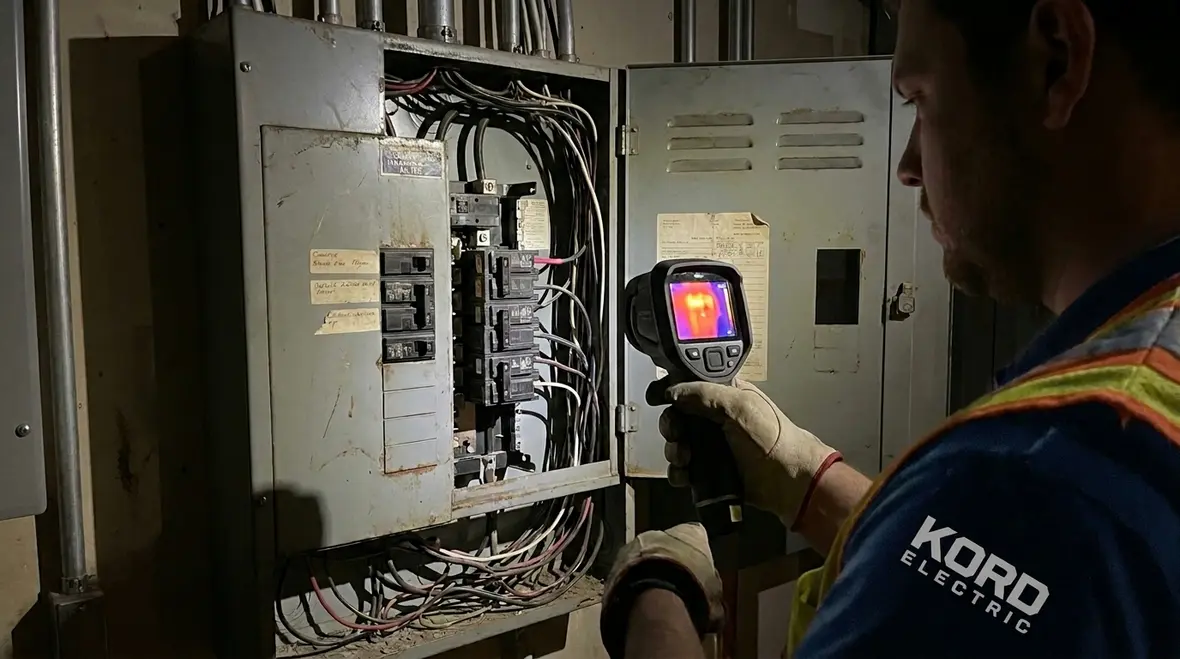
- Buzzing, crackling, or a hot panel. Heat discoloration, a burning smell, or unusual sound is not a “wait and see” situation. We treat this as a safety issue.
- Warm breakers or warm conductor areas. Breakers can run warm normally, but sustained warmth or hotspots point to high resistance connections or insufficient capacity.
- New equipment pushes the system over the edge. After expansions or equipment upgrades, you notice performance issues. That is usually a sign the panel schedule and load calculation need an update.
And yes, we have heard “the building is old, what do you expect” more times than we care to count. The right answer is: you expect safe operation. Old systems can still be solid, but only when they match the current load and are maintained correctly. When your facility already struggles with nuisance trips or unexplained dimming, pairing a panel review with a broader electrical preventive maintenance program helps catch deeper infrastructure issues before they escalate into outages or equipment damage.
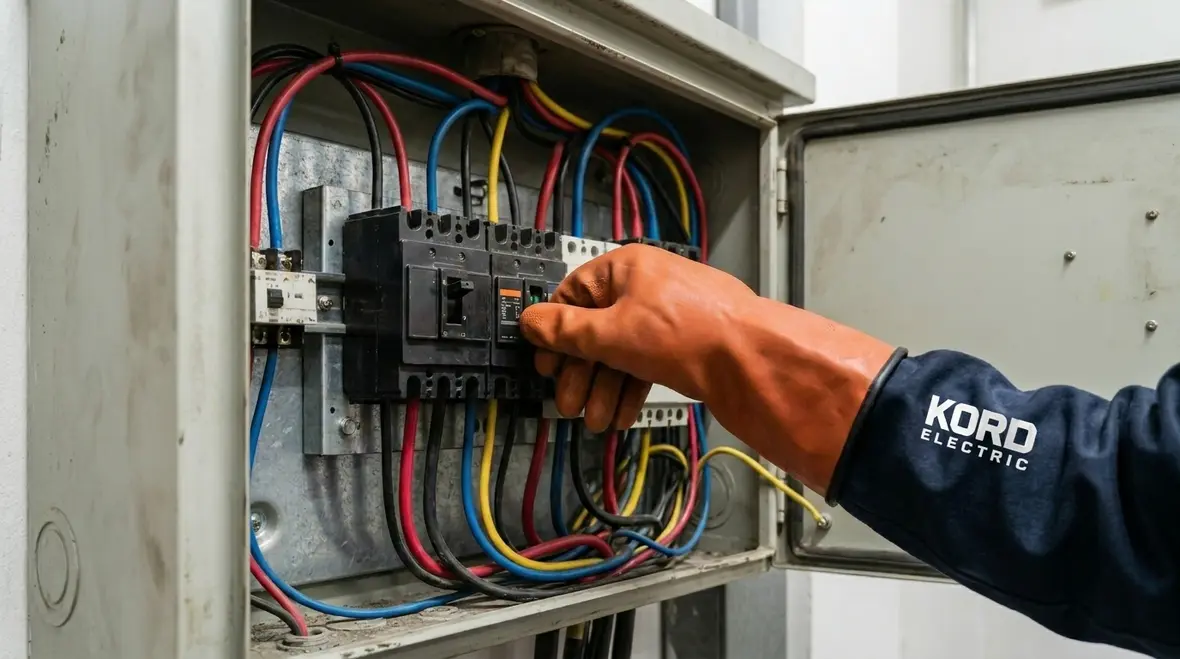
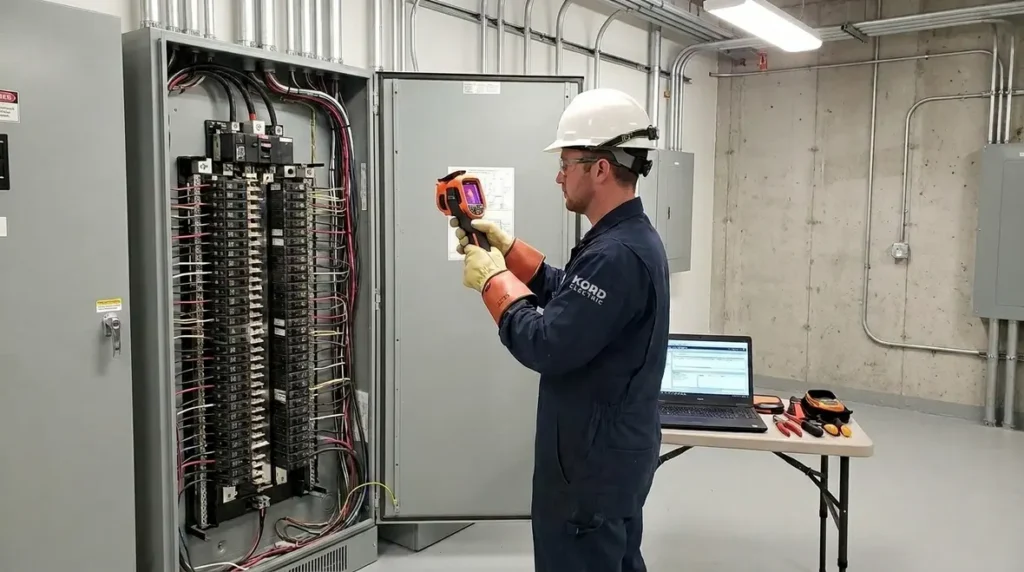
When these commercial electrical panel capacity upgrade signs cluster together, it is your building’s way of sending calendar invites to a problem you do not want to attend. Responding early with a structured inspection, thermal scanning, and testing keeps that “invitation” from turning into a surprise shutdown in the middle of your busiest shift.
Why these signs show up when a building grows
A major property building does not stay the same. Loads shift. Tenants change. Maintenance replaces old gear with newer gear, and newer gear can draw different currents. For example, refrigeration systems can cycle more often in hot months. Warehouses can add forklifts, chargers, or extra dock equipment. Office spaces might add more printers, IT racks, and network infrastructure. Even retail spaces often expand lighting or signage, which affects demand.
As a result, the panel that once covered the base load now works harder during peaks. Furthermore, if someone adds circuits without verifying feeder size, breaker coordination, or panel balance, the panel can become uneven. One section carries more load than intended, while other sections sit underused. That imbalance can create hotspots even when the total load seems acceptable.
Our technicians also look at how the building uses power throughout the day. When we confirm the load curve, we can predict when problems appear and why. Then we explain the upgrade choices so facility managers can plan the work with less uncertainty and less downtime.

In fast-growing facilities, a capacity review often pairs naturally with targeted services like voltage fluctuation diagnostics when sensitive equipment has started acting up. Looking at growth, voltage stability, and panel headroom together gives a clearer picture of how close your system is to its real limits.
How we confirm a capacity issue before we recommend upgrades
Instead of guessing, we follow a process designed for commercial environments. First, we gather the existing panel schedule, one line diagrams, and any available prior inspection notes. Next, we verify breaker ratings, conductor sizes, and how circuits are grouped. Then we review the current load and compare it to expected growth, including planned expansions and operational schedules.
From there, we evaluate the panel’s internal conditions. We inspect terminations for heat damage, check for signs of loose connections, and assess how evenly the load sits across phases. We also examine grounding and bonding and confirm the system supports proper fault clearing.
Finally, we translate our findings into a clear plan. We do not hand you a vague suggestion. Our expert service staff explains what the panel is doing right now, why it cannot safely handle more growth, and what a commercial electrical panel capacity upgrade should accomplish. That way, others in your chain of command can approve decisions with confidence, not hope.
In many cases, that plan connects directly to long term reliability strategies like electrical preventive maintenance, so the upgraded panel does not just start strong; it stays that way. Alignment between capacity upgrades, maintenance, and future projects keeps your operation from slipping back into the “barely hanging on” category a few years later.
Panel upgrades that protect operations, not just equipment
A capacity upgrade should improve safety, stability, and long term reliability. When we upgrade a commercial panel, we often address more than amperage alone. We may need to balance phases, update feeders, confirm breaker compatibility, and align the panel layout to match how the building actually runs. If we skip those steps, the upgrade can still fail under peak load because the system is not fully coordinated.
Moreover, we keep the facility’s workflow in mind. We plan so that critical loads keep running as much as possible. In most commercial and industrial situations, downtime is expensive. So, we stage work, coordinate with your team, and confirm tests after installation.
While we stay focused on panels and power distribution, we also support related electrical improvements that often appear alongside capacity concerns. For instance, when buildings add recessed lighting, demand can rise, and new circuits add load paths that must be coordinated. If you need guidance for that type of work, we can also help with recessed lighting installation by checking circuit capacity and proper layout before we set the lights. You can review our approach here: https://kordelectric.com/recessed-lighting-installation/.
That is the real difference between a “quick fix” and a real upgrade. One tries to survive the next outage. The other builds margin so the building operates like it should. In larger facilities, that margin is often supported by broader services like lighting installation and LED retrofit upgrades that reduce strain on panels while improving visibility and efficiency across the property.
Common mistakes that delay the upgrade
Facilities often try to solve the symptom instead of the cause. And in the short term, it can look like it works. But here is what tends to happen next.
- Resetting breakers instead of investigating. Repeated trips can point to overload, short circuits, or overheating connections. Resetting hides the warning signs.
- Adding circuits without a load study. People assume available spaces mean available capacity. In many panels, that is not the case once you account for existing loads.
- Ignoring heat and odors. If a panel feels hotter than it should, the system tells you in real time. We do not ignore that message.
- Upgrading only one area. If multiple departments share feeders, you still need proper distribution across the system, not just one “busy” circuit.
- Waiting for a full failure. At that point, the repair costs more and the risk goes up. We would rather prevent the event than respond after it.
Look, nobody wants to chase electrical problems. But chasing is cheaper than emergency calls. Besides, the building will not stop adding equipment just because you are busy. So, we help you plan the upgrade before the timeline becomes “right now” and your staff becomes unpaid performers in a drama production called “Why Is the Power Out.”
Avoiding these pitfalls is also how you keep future projects—like commercial kitchen remodels, EV charger installations, or large lighting retrofits—from overloading a system that was never updated to match your current reality. A proactive commercial electrical panel capacity upgrade gives those projects a stable foundation instead of a weak link.
FAQ
Contact Kord Electric for a commercial panel capacity review
When we see the warning signs, we act with calm urgency and a clear plan. Kord Electric serves commercial and industrial facilities and major property buildings, and our technicians and expert service staff explain every step so your team knows what is happening. If your breakers trip, your lights flicker, or your panel runs hotter than it should, request a commercial panel capacity review today. We will assess your load, inspect the equipment, and recommend a safe upgrade that keeps your building operating. Call us now and put the risk back in the past, where it belongs.
If your facility is also planning broader improvements—from lighting retrofits to preventive maintenance programs—our dedicated service lines, including electrical preventive maintenance, lighting installation services, and EV charger installation, can be integrated into the same roadmap. That way, your commercial electrical panel capacity upgrade signs become the starting point for a safer, smarter, long term infrastructure strategy rather than just another emergency repair.
When you are ready to move from “barely hanging on” to confidently powered, the next step is simple: schedule a site review, walk the facility with us, and let our team build a plan that fits your building, your budget, and your growth curve.