
Smart Building Power Management Systems That Cut Waste
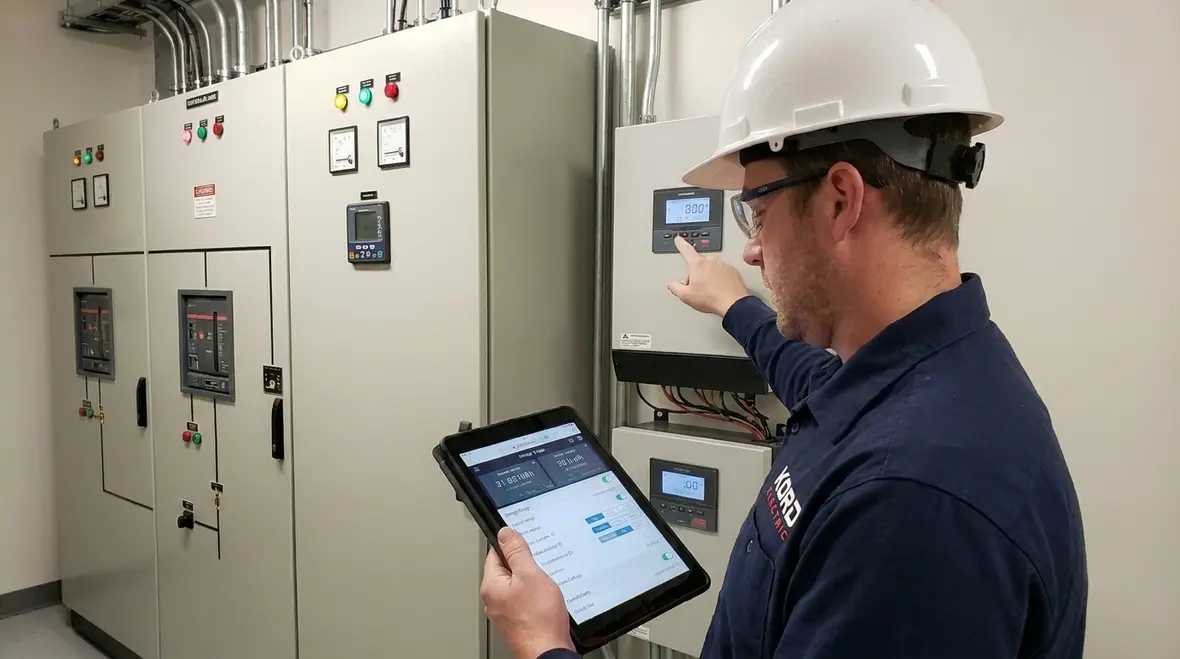
At Kord Electric, we implement smart building power management systems that help commercial and industrial facilities spend less on energy while keeping operations steady. In the first weeks, people often expect dramatic changes. Instead, the system works like a good operator: it watches, learns, and adjusts in the background. Then, over time, the building stops acting like it is running a marathon when it only needed a stroll. And yes, we have met facilities where the lights and air conditioning acted like they were celebrating a party no one invited them to.
In this article, we explain how smart building power management reduces operational costs, what our technicians check, how facilities benefit from smarter scheduling and controls, and how we help property teams verify results with real data.
How smart control reduces operational costs without hurting performance
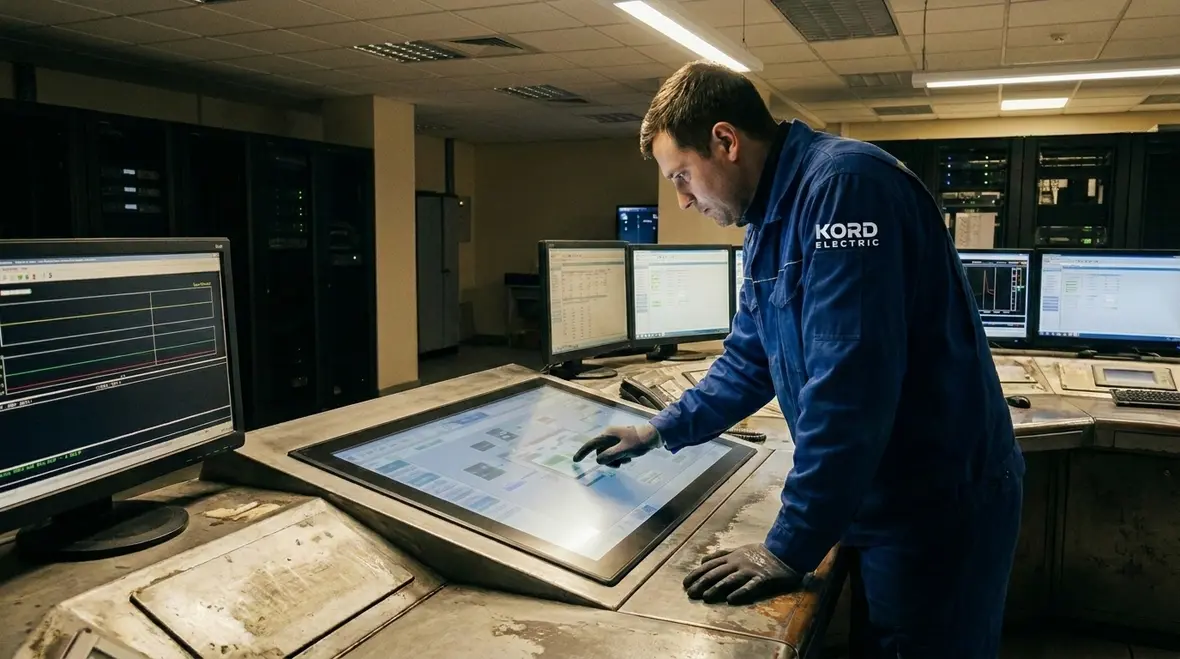
In most commercial buildings, energy use grows quietly. A tenant changes schedules, a process loads up, or a system drifts out of calibration. Meanwhile, the building continues to run as if nothing changed. That is where smart building power management systems earn their keep. They connect data from major loads, interpret it, and then coordinate equipment so the building meets demand instead of guessing.
When our technicians or expert service staff walk through a site, they often start by listening to what the facility team reports. Then, they compare that story to measured performance. As a result, the building stops wasting power on unnecessary runtime, oversized control responses, and inefficient reset strategies. Instead of “full speed all day,” the system moves toward “right speed at the right time.”
Of course, the goal is not to shut things off to save money. The goal is to reduce the cost of meeting the same comfort and production needs. In other words, we save energy while keeping reliability intact, which is the kind of trade most building owners can actually live with.
Smart meters, submetering, and data that facility teams can trust
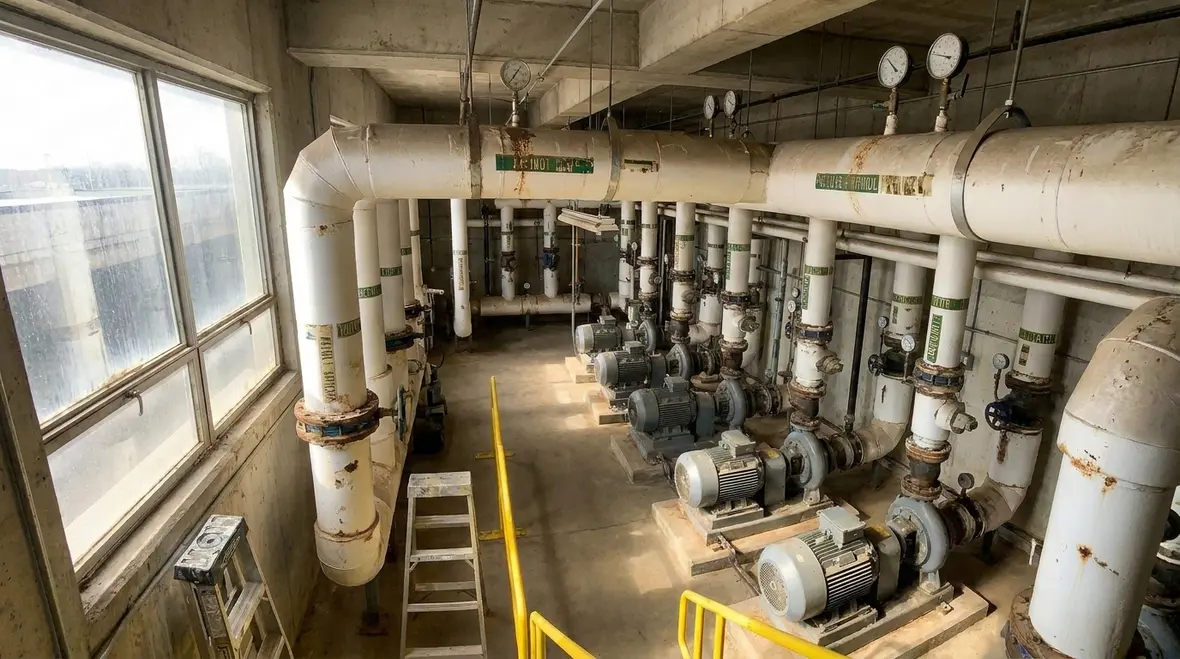
To manage cost, we first need clarity. Many buildings have utility bills, but those bills do not tell you which circuit, pump, or air handling unit caused the spike. We typically help clients install or improve metering and submetering so operational teams can see real usage patterns by area and load type.
Next, we align the control data with the building’s actual operations. For example, we map equipment schedules, production cycles, and occupancy trends. Then the monitoring system can decide when loads should ramp down or when they should maintain a baseline.
Our expert service staff also focus on data quality. If sensors drift, alarms trigger at the wrong times, and control logic reacts to bad inputs. Therefore, we review signal health, verify communication paths, and ensure that measurement accuracy supports decision making. And just like a pop quiz no one studied for, bad data leads to bad answers. We avoid that.
For commercial and industrial facilities, this approach matters because the cost driver is often not “one big problem.” It is a pattern of small inefficiencies stacking up across weeks and months.
When our monitoring identifies that lighting or equipment is consistently running harder than it should, we often connect clients with targeted upgrades. For example, large properties that discover inefficient lighting schedules can benefit from a structured retrofit approach. Our Commercial Lighting Upgrade Cost Guide walks through how better fixtures and controls translate into measurable savings and improved building performance.
Load shifting, peak demand management, and smarter scheduling
Energy costs often hinge on demand charges and peak windows. Even if total energy stays similar, a higher peak can raise the monthly bill. With advanced control, a facility can reduce peak demand by planning when high draw equipment runs.
In practice, smart scheduling works in a few ways. First, it prioritizes critical processes and comfort loads. Then, it coordinates non critical loads such as selected ventilation staging, chilled water plant operations, and certain pumping sequences. As a result, the system avoids unnecessary peaks while still meeting required conditions.
Additionally, the building can incorporate time of use rates, demand response events, and internal operating constraints. Our technicians help translate these constraints into control rules that match how the site actually runs. So instead of forcing equipment into unrealistic cycles, the system shifts load in a way operators can support.
Yes, there are days when the building must run full power. However, on normal days, the system can reduce stress on the electrical distribution and help smooth demand. That protects budgets and can improve equipment life, because nobody wants to replace chillers early just because the building forgot how to pace itself.
Reducing HVAC and lighting waste with controls that reset intelligently
Heating, ventilation, and air conditioning often make up a major share of commercial and industrial energy use. In many facilities, the biggest expense comes from running at the wrong setpoints for too long. That is where smart control strategies matter.
Instead of fixed schedules, smart building power management systems can apply adaptive resets. For example, the system can adjust supply air temperature, chilled water setpoints, and ventilation rates based on zone conditions and outside air behavior. Consequently, the building maintains comfort and process needs while using less energy to do it.
Lighting control also plays a role. For large properties, lighting is not just on or off. It is dimming, switching, and managing daylight contributions. With intelligent occupancy and daylight feedback, the lighting system can reduce output without turning the space into a cave. And if someone says “we cannot dim that area,” we make sure the design supports their needs first, because operations safety comes before any savings spreadsheet.
Our team often helps clients harmonize controls across HVAC, lighting, and other electrical loads. This coordination matters because equipment does not operate in isolation. One system can fight another, which creates waste. We prevent that by aligning logic and verifying responses through testing.
For facilities exploring deeper lighting control strategies, we often pair our smart building power management systems with dedicated lighting projects. Our Lighting Installation Services support everything from LED retrofits to fully new commercial lighting layouts, so controls, fixtures, and power distribution all work together instead of at odds.
Electrical distribution monitoring, power quality, and fewer surprises
Power management is not only about how much energy a building uses. It is also about how cleanly the power arrives and how efficiently equipment draws current. When faults, imbalances, harmonics, or voltage deviations occur, efficiency drops and maintenance needs increase.
Kord Electric supports facilities by focusing on electrical distribution monitoring. We help clients track load behavior, detect abnormal conditions, and create maintenance alerts that catch problems early. For instance, if a pump shows rising current draw over time, that can signal wear or misalignment. If a facility experiences repetitive spikes, it can point to process changes, equipment cycling, or control issues.
In addition, we help teams manage power factor and optimize operational settings where applicable. As a result, the facility can reduce avoidable losses and improve performance. While these tasks might sound like “electrical trivia,” they directly affect operating costs and reliability in real buildings.
Meanwhile, our expert service staff explain what they find in plain language. That matters. Operators should not have to decode charts like they are reading ancient scrolls. They need actionable steps and timelines they can plan around.
For properties experiencing recurring voltage or power quality concerns, our field teams pair smart monitoring with hands-on diagnostics. Our guide on Voltage Fluctuations in Commercial & Industrial Facilities outlines how stabilizing power improves equipment life, reduces downtime, and supports the same long-term reliability that smart building power management systems are designed to protect.
Commissioning, training, and proof you can measure
After installation, the work continues. Many projects fail because teams install controls but do not verify them. So, our approach includes commissioning support, performance testing, and tuning. We set baselines, apply control strategies, and measure outcomes against the initial conditions.
Then we train facility teams to use the system confidently. We show them what the dashboards mean, how alarms work, and which settings they should review during seasonal transitions. As a result, the control system stays effective after the first month, not just during the honeymoon period.
We also provide guidance on operational workflows for commercial and industrial sites. For example, we help teams coordinate how they handle maintenance, changes in tenancy, and updates to schedules. And when something changes, the building should not behave like it is stuck in the past.
Because at the end of the day, the smartest system in the world cannot save money if nobody trusts it or uses it. So we build trust through testing, documentation, and hands on support.
For facilities that want ongoing verification beyond the initial project, our structured Electrical Preventive Maintenance programs extend that same discipline into day-to-day operations. Preventive inspections, thermal scans, and data reviews keep smart building power management systems aligned with real-world conditions year after year.
FAQ
Conclusion: let’s make your building spend smarter
If your facility is paying for energy that you cannot explain, it is time to stop guessing. At Kord Electric, our technicians and expert service staff help commercial and industrial buildings deploy smart building power management systems that cut waste, reduce peak demand, and improve reliability. Contact us for a site assessment and a practical plan for metering, control upgrades, commissioning, and measurable results. We will bring calm, not chaos, to your energy strategy. And trust us, your utility bill will notice.
If your smart building plans also include targeted equipment upgrades, we can align those projects under one roadmap. From lighting installation services to preventive electrical maintenance, our team designs, installs, and maintains the systems that keep your building efficient, resilient, and ready for what comes next.
Ready to see where your building is quietly overspending? Our commercial and industrial electrical experts can review your existing loads, power quality, and control strategies, then recommend a smart building power management approach that fits your operations instead of fighting them.
Explore our Electrical Preventive Maintenance services to keep your upgraded systems performing at their best long after the project wrap-up meeting.


