Commercial Electrical Panel Expansion Capacity Guide
At Kord Electric, we start every upgrade with a clear look at your commercial electrical panel expansion capacity, because adding new equipment without planning is like installing a ceiling fan before checking if there is a beam. In the first 100 to 150 words, we say it plainly: your facility must have room, load headroom, and a safe path for future growth. Otherwise, the “simple change” turns into a full electrical project with surprise downtime and surprise costs. And yes, others have tried. We have seen panels packed like a suitcase before a long trip. It does not end well.
How capacity planning protects a facility during electrical upgrades
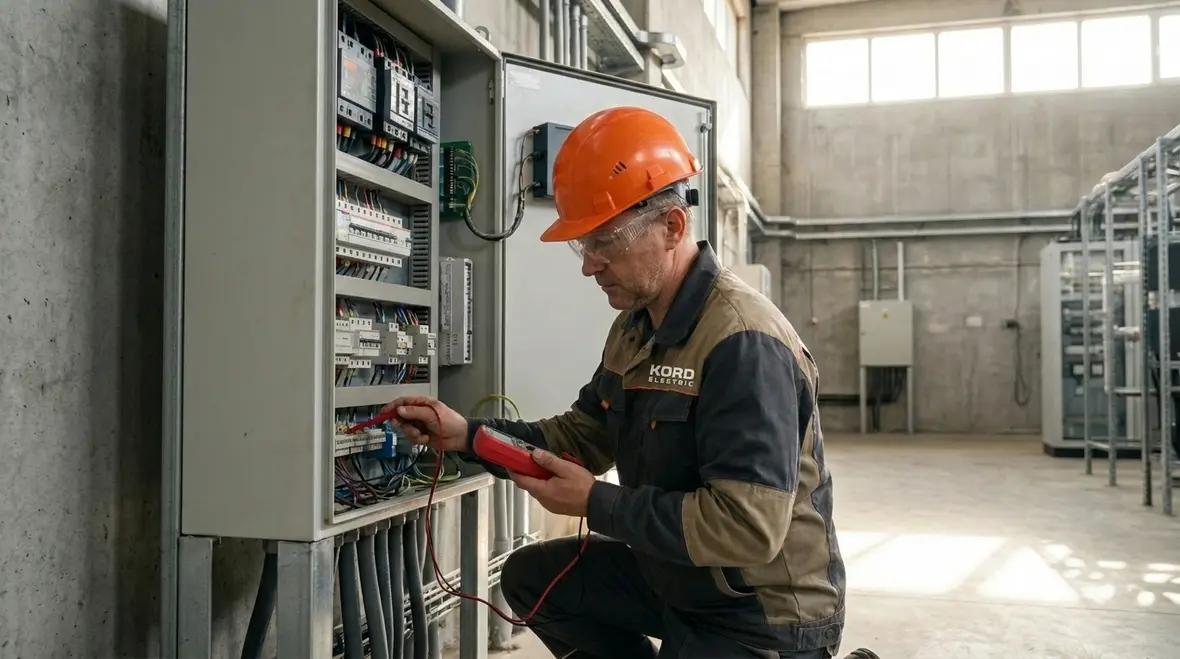
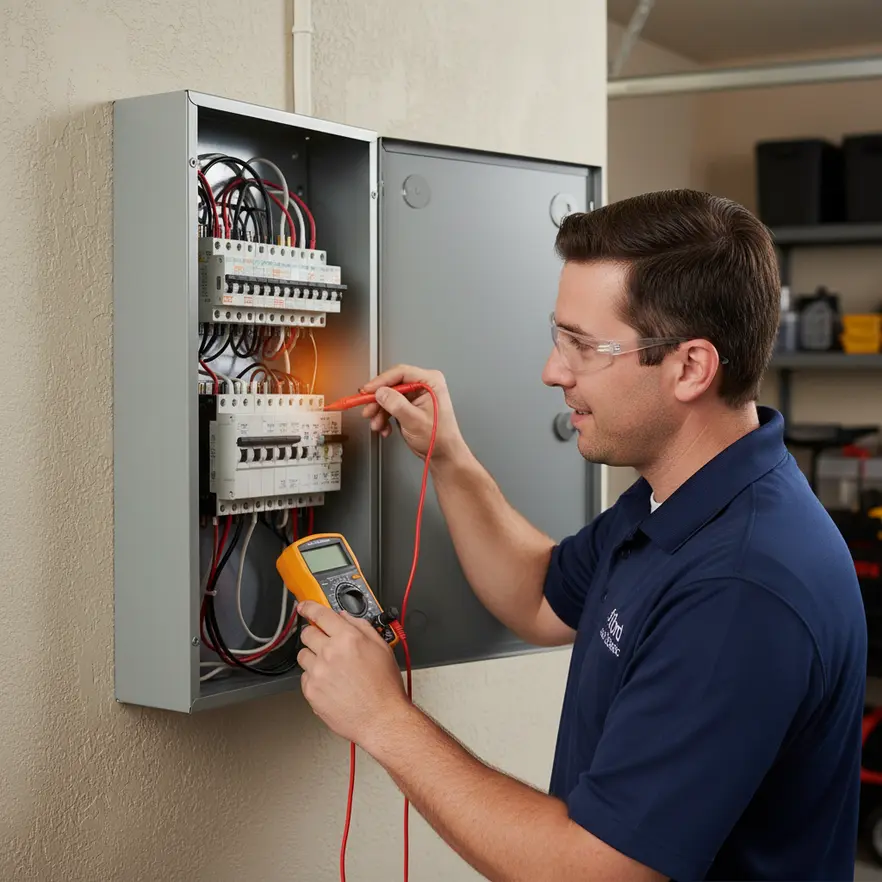
When a commercial or industrial site adds machinery, tenant improvements, EV charging, HVAC expansions, or new lighting, the electrical system absorbs those changes in real time. Therefore, capacity planning becomes the quiet hero of the project. We assess the facility before equipment arrives, so decisions happen once, not twice.
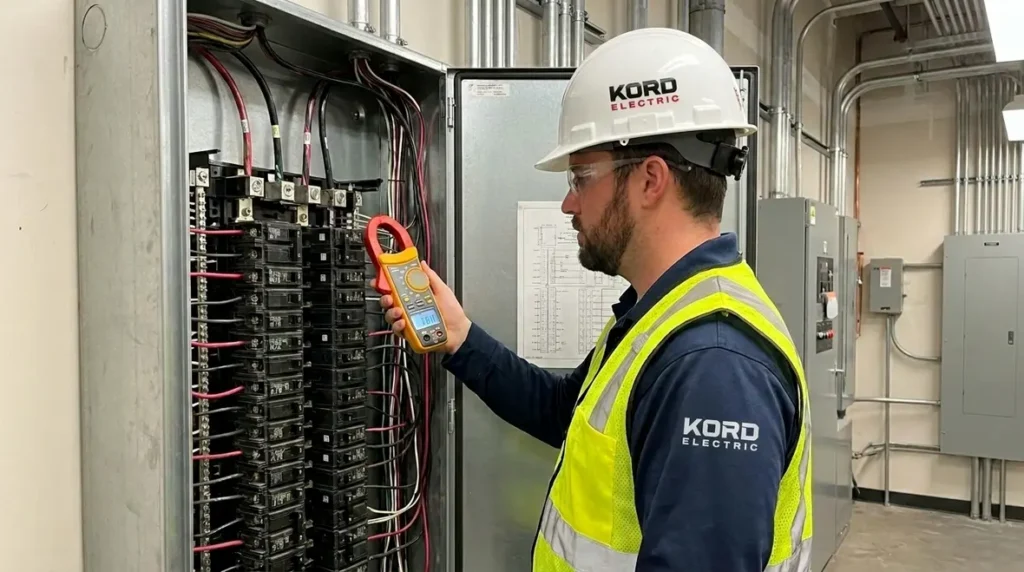
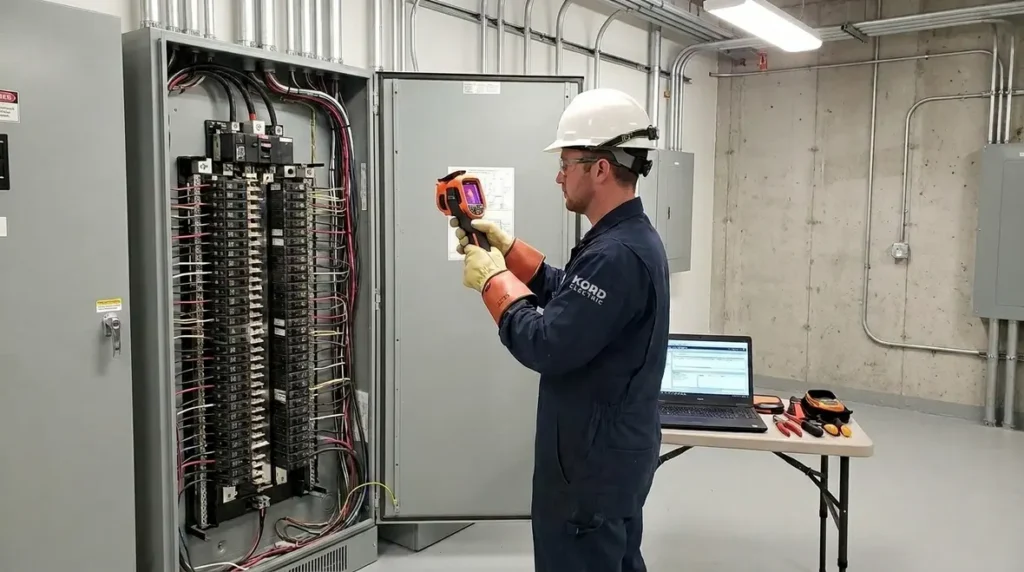
Typically, our process focuses on three essentials. First, we review existing panel schedules and breaker utilization. Next, we estimate future demand based on the equipment list and operating patterns. Finally, we confirm that the wiring, grounding, and bus ratings can support the plan without stress. In other words, we do not guess. We measure, we document, and we build confidence.
Our technicians and expert service staff explain the results in plain language, so the team understands what is available, what is safe, and what needs correction. If a panel has limited expansion, we will say so early, because waiting until the last week of construction is a recipe for delays. And delays, as anyone in a property schedule knows, cost more than most people realize.
What we evaluate before adding new equipment
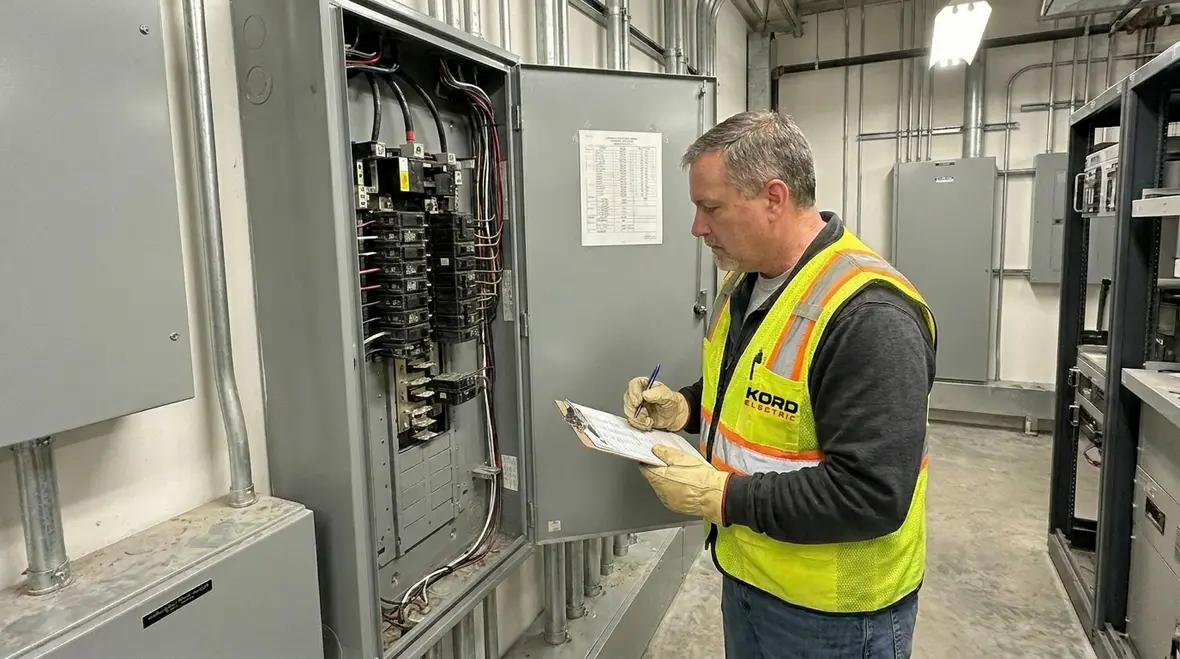
Before Kord Electric proposes any panel work, we look at the facility like a map, not a mystery novel. Then we identify constraints and opportunities. This is especially important for commercial and industrial facilities and major property buildings, where one change can ripple through multiple floors, systems, and tenants.
We evaluate these items in a structured way:
- Panel inventory and spare capacity: We review breaker positions, spare slots, and whether the panel model allows safe expansion.
- Load profile and demand: We look at peak loads, diversity factors, and motor starting currents when relevant.
- Branch circuit capacity: We confirm conductor sizes, circuit protection ratings, and ampacity limits.
- Service entrance and upstream limits: We verify transformer ratings, service conductors, and main device constraints.
- Power quality and system health: We consider harmonic risk, voltage drop, and existing performance.
Because we take this approach, others avoid the “panel looks fine on paper” problem. A panel can appear to have spare positions, yet upstream components may not support the added load. Meanwhile, some facilities also have hidden issues like overloaded neutrals or aging components. Our expert service staff spots those risks while the project still has options.
How we size the next step using real numbers
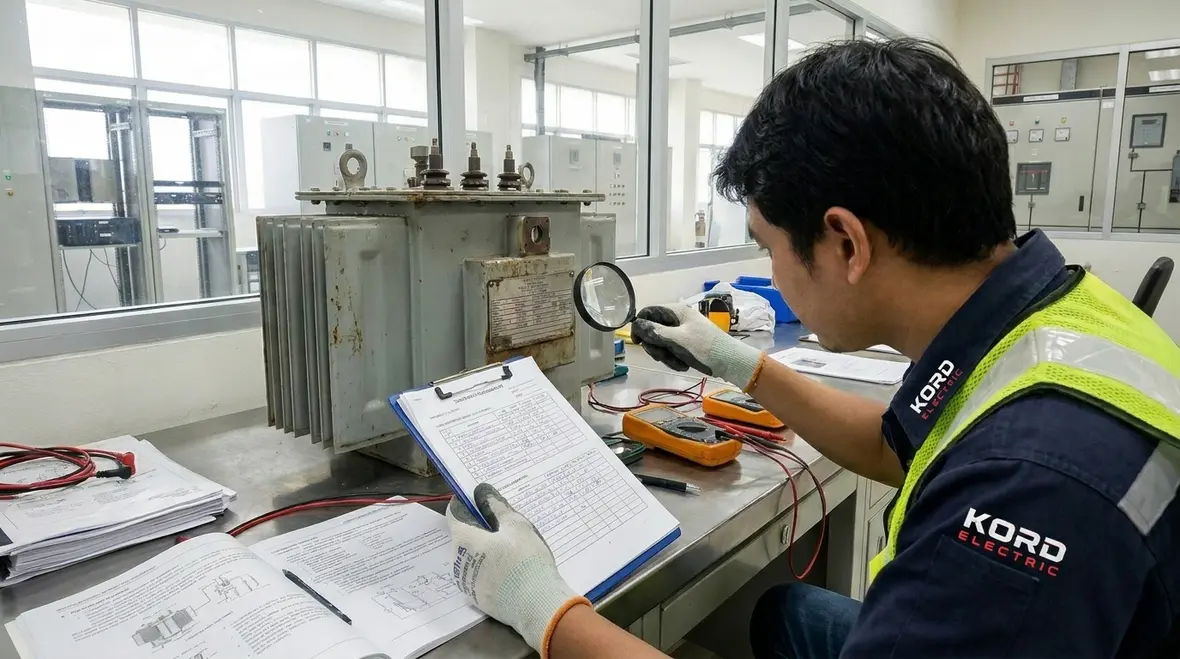
Capacity planning works best when it uses actual operating data and reasonable assumptions. So we build a load picture that matches how your site runs, not how it runs in a brochure.
We commonly start with existing utility records, equipment nameplate data, and the schedule of the new loads. Then we apply demand factors that fit commercial operations. For example, refrigeration and lighting often run steadily, while motor equipment can create sharp start currents that affect voltage and protection coordination.
From there, we translate the math into an electrical plan. If the facility needs more circuits, we may recommend a commercial electrical panel expansion capacity approach, such as using listed expansion options, adding a second panel where permitted, or upgrading the service pathway. If expansion alone is not enough, we recommend a broader solution. That could include transformer upsizing, rebalancing loads, or rerouting circuits to reduce voltage drop.
And yes, we hear the joke sometimes: “Just add a breaker.” In reality, breakers only help when the panel, bus, and upstream equipment can handle what you plug into the system. We keep the humor light, but the engineering stays serious.
Panel expansion options for commercial and industrial systems
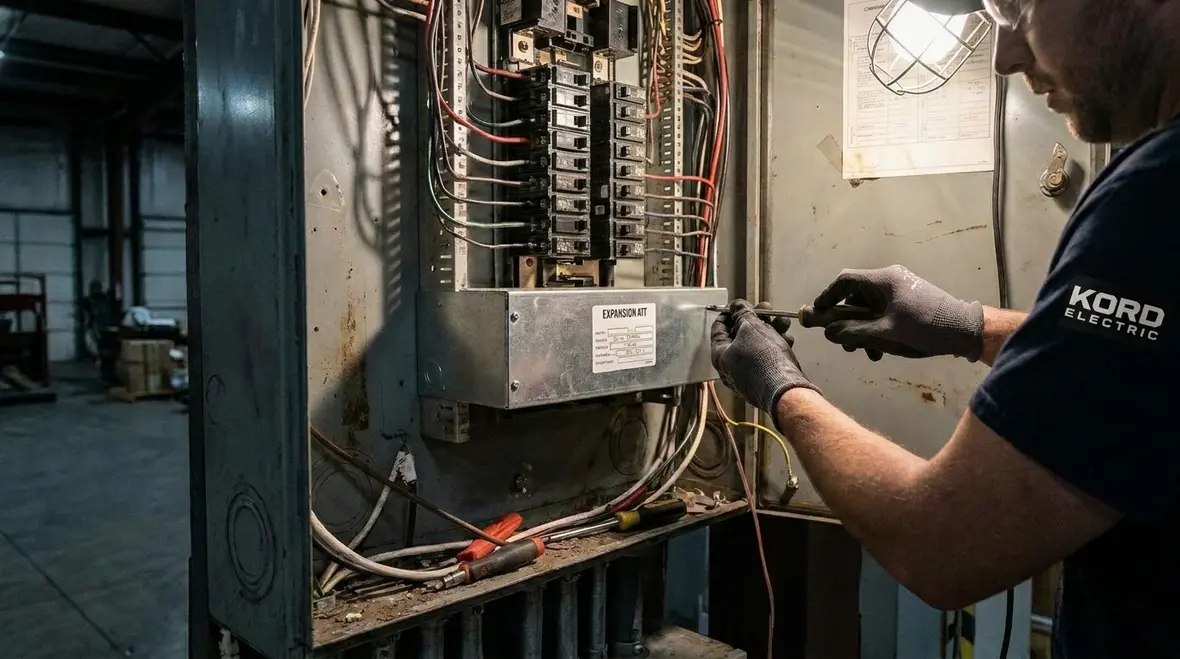
Once we understand the load, we turn to the right physical solution. Panel expansion is not one universal act. It depends on the equipment rating, the available spaces, and the rules that govern safe installation. For major property buildings and industrial facilities, we also consider redundancy, service continuity, and coordination with ongoing operations.
Our technicians typically explore options such as:
- Listed panel expansion kits and approved add on sections, when the manufacturer supports them.
- Additional distribution panels fed from appropriately sized upstream equipment.
- Subpanel layout changes that improve circuit organization and reduce future rework.
- Load balancing updates so phase loading stays within safe limits.
- Protection and coordination adjustments when new loads change fault levels.
However, we do not treat expansion like a shortcut. Instead, we verify compliance with applicable electrical requirements and good construction practice. That includes proper labeling, torque verification, and inspection readiness. Because if an installation passes inspection but fails under real operation, nobody wins.
Just as important, we plan the work sequence. We coordinate with site managers so power interruptions remain limited, and we schedule panel work to fit real tenant and production timelines.
Common mistakes when teams skip capacity planning
Skipping capacity planning is how projects get expensive in ways that feel unfair. It usually starts with good intentions and then collapses under real conditions. Below are frequent issues we see in commercial and industrial environments:
- Adding circuits without checking upstream service limits and transformer capacity.
- Believing “spare slots” equal safe load headroom.
- Overlooking motor starting currents and expecting breakers to behave like they do on lighting loads.
- Failing to review neutral loading when loads include single phase 120 over 208 or 277 over 480 configurations.
- Not considering future growth, so the facility must re-open panels again later.
Then there is the scheduling problem. When teams discover late that expansion options are limited, they spend time searching for parts, revising drawings, and coordinating shutdown windows. Meanwhile, production or tenant operations wait. As we often tell clients, time is the one material that never comes back.
Our expert service staff helps prevent those failures by communicating early and explaining what the electrical system can and cannot support. We do not hand over a pile of numbers; we connect those numbers to practical next steps.
Featured snippet FAQ: capacity planning and panel expansion
Plan panel capacity as part of a larger electrical strategy
Panel expansion is rarely an isolated decision. Most commercial and industrial properties are also thinking about lighting upgrades, safety compliance, or long-term reliability. That is why our technicians often connect capacity planning with broader services such as electrical preventive maintenance programs and structured inspection schedules for larger facilities. When these efforts work together, the panel becomes part of a durable electrical backbone instead of a temporary fix.
For facilities considering broader modernization, capacity reviews often run alongside projects like commercial and industrial lighting installation or targeted rewiring work. Aligning those efforts reduces duplicate shutdowns, simplifies permitting, and creates a clearer picture of what the system must support over the next five to ten years.
Conclusion: let us plan your next electrical move
If your facility plans new equipment, expansions, or tenant improvements, Kord Electric helps you avoid last minute surprises. We assess your electrical system, confirm safe commercial electrical panel expansion capacity options, and map upgrades to real operating conditions. Our technicians and expert service staff keep the process clear, so you can approve the right plan with confidence. For larger portfolios and mission-critical sites, we can also pair panel expansion reviews with ongoing electrical preventive maintenance so today’s upgrades stay reliable over the long term.
Whether you need a focused panel review, a lighting upgrade, or a comprehensive modernization of your commercial electrical system, our team approaches each project with planning first, tools second. Contact Kord Electric today to schedule a capacity planning review and get a practical path forward for your commercial or industrial site.