Commercial Electrical Panel Load Balancing Kord Electric
How Kord Electric Tunes Commercial Electrical Panel Load Balancing for Modern Loads
Modern commercial sites do not run on “yesterday’s wiring math.” Between EV charging, building HVAC upgrades, server rooms, new lighting, and that one tenant who always adds a load at the worst time, the panel has to keep up. That is why we focus on commercial electrical panel load balancing early, so power stays steady, breakers do not trip for no reason, and sensitive equipment keeps its cool. In the first place, we do not treat the panel like a passive box. Instead, our expert technicians plan how power moves, how it is measured, and how it stays balanced under real duty cycles. Yes, we will also talk through it in plain language, because nobody should need a decoder ring to understand their own electrical system.
Behind every quiet electrical room is a lot of invisible decision-making. Commercial tenants ask for more capacity, technology stacks get denser, and building expectations keep rising. Kord Electric approaches that reality with calm, structured planning. Instead of guessing which breaker “should be fine,” we base our recommendations on the way your building truly runs day after day, season after season.
Why Modern Facilities Stress the Panel More Than People Think
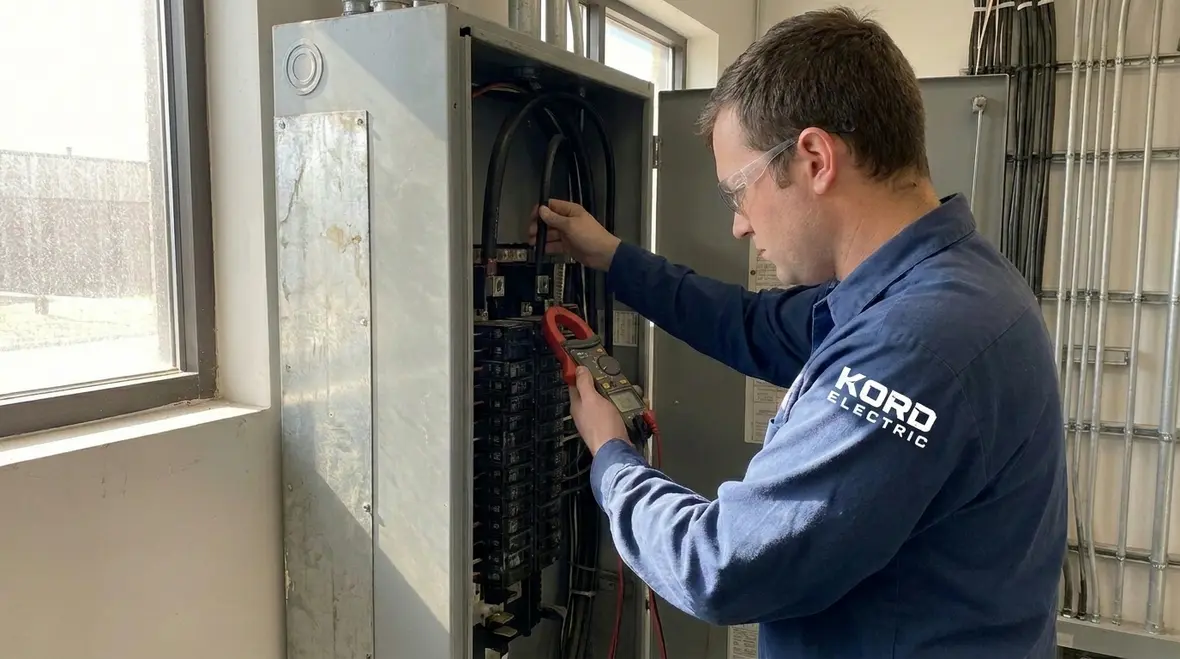
In commercial and industrial facilities, loads change faster than many owners expect. Seasonal HVAC swings can push demand up. Production lines and compressors can start and stop with sharp peaks. Meanwhile, power quality matters more now than it did when “good enough” was the standard. As loads rise, panel components face heat, aging, and uneven usage across phases. If one leg carries more than its share, that imbalance shows up as higher temperatures, nuisance trips, and sometimes degraded performance in downstream equipment.
Therefore, Kord Electric looks at more than total amperage. We evaluate load behavior, starting currents, and how new equipment fits into the existing scheme. And just like a playlist with one song that never matches the mood, an unplanned add on the panel can throw off the whole rhythm.
We also look at where your panel fits in the larger system: feeders, transformers, and upstream protection. That big-picture view helps avoid the trap of “fixing” a panel imbalance while quietly creating stress somewhere else in the system. Our technicians are trained to think about the entire electrical story, not just the chapter in front of them.
Step By Step: Load Studies, Phase Mapping, and Panel Health Checks
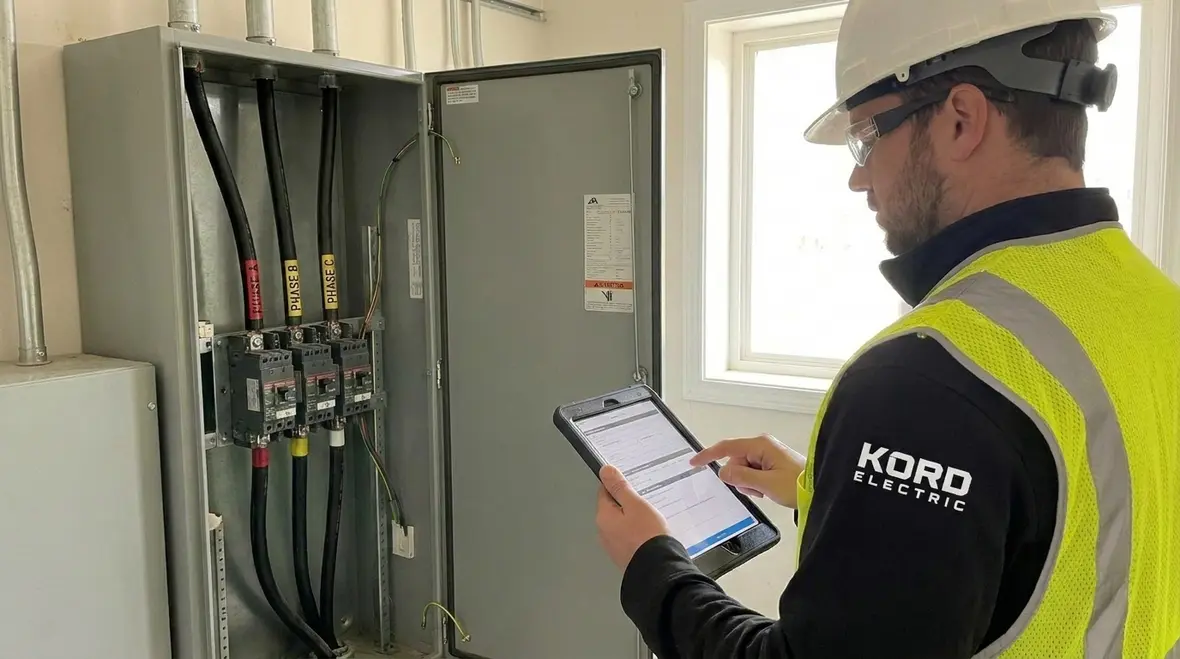
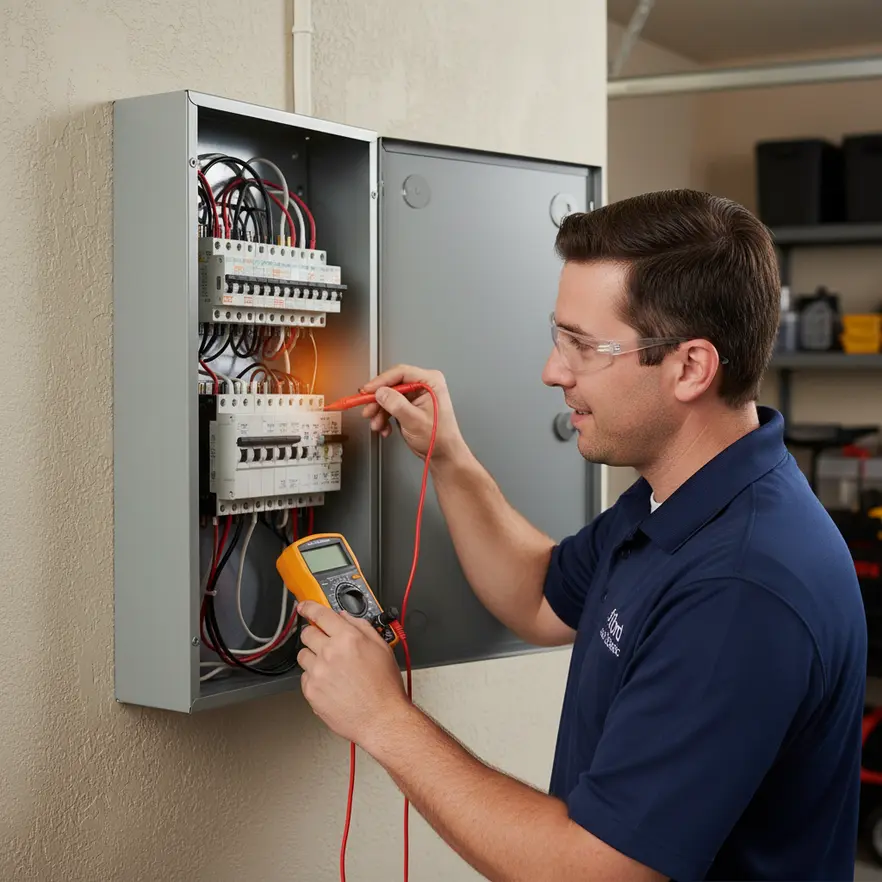
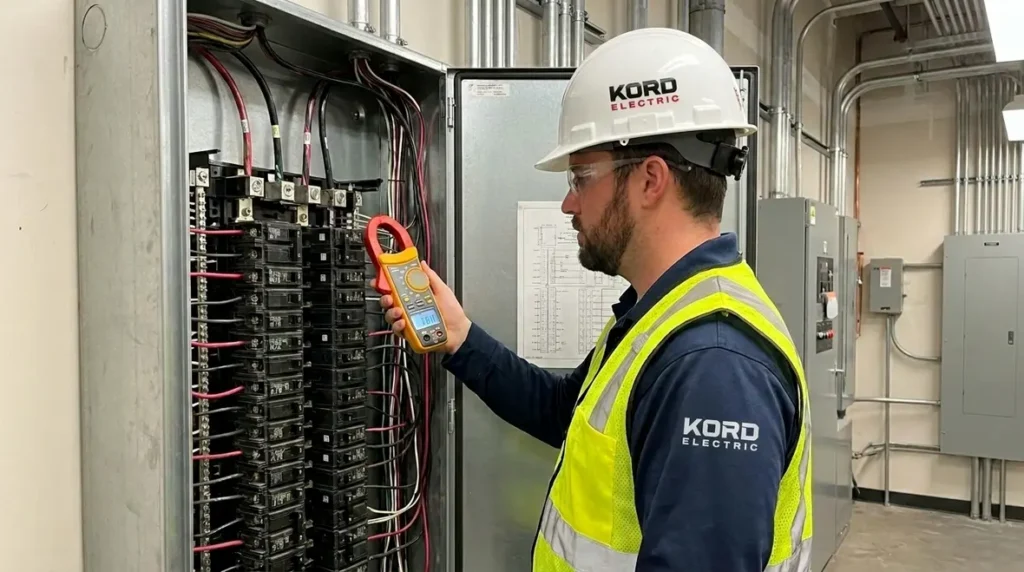
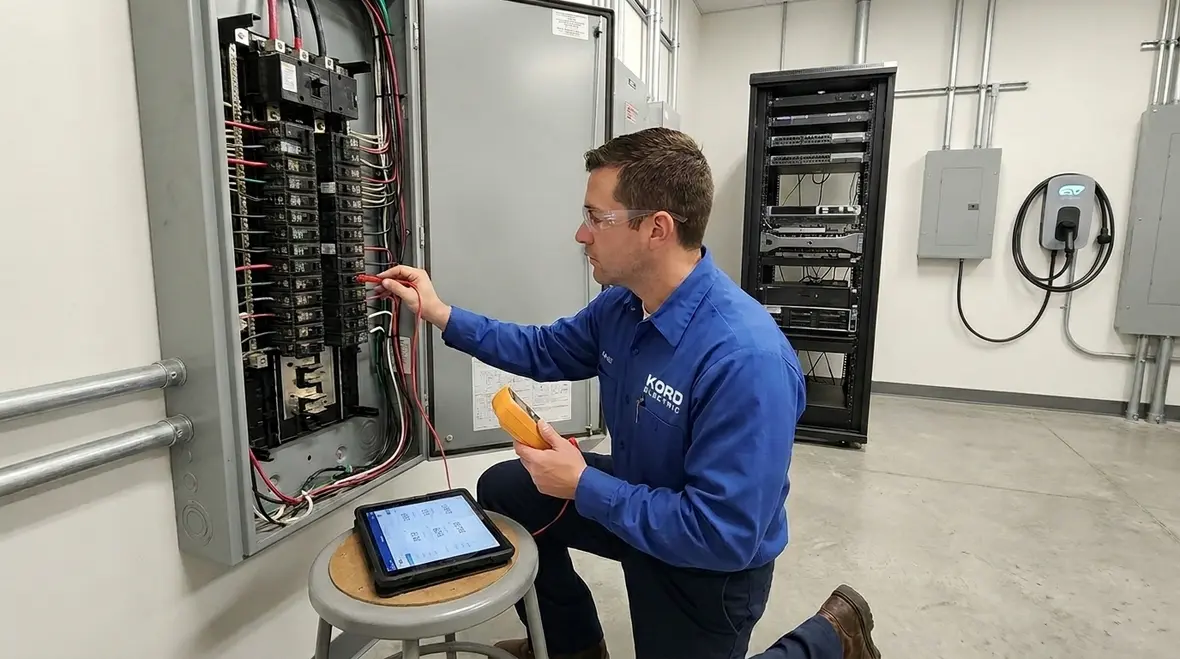
When our service team performs an electrical assessment, we begin with data, not guesswork. First, we review historical demand where available, then we measure present loads during realistic operating windows. After that, we map circuits to phases, identify oversized neutrals, and check for signs of heat or wear. Next, we look at breaker sizing and verify that each circuit aligns with the panel’s design intent.
At this stage, our technicians explain what they find in a calm, straightforward way. For example, if they see one phase running consistently hotter, they will show the measurements and explain how phase imbalance affects thermal stress. Likewise, they will describe what changes can reduce stress without shutting down the entire operation.
Finally, we verify protections and coordination, so protective devices operate as they should. That means when a fault happens, the right breaker trips fast, and the rest of the building keeps running. We often connect these findings to broader reliability work, such as structured electrical preventive maintenance programs that keep panels, feeders, and critical equipment healthy over the long term.
How We Rebalance Loads Without Disrupting Operations
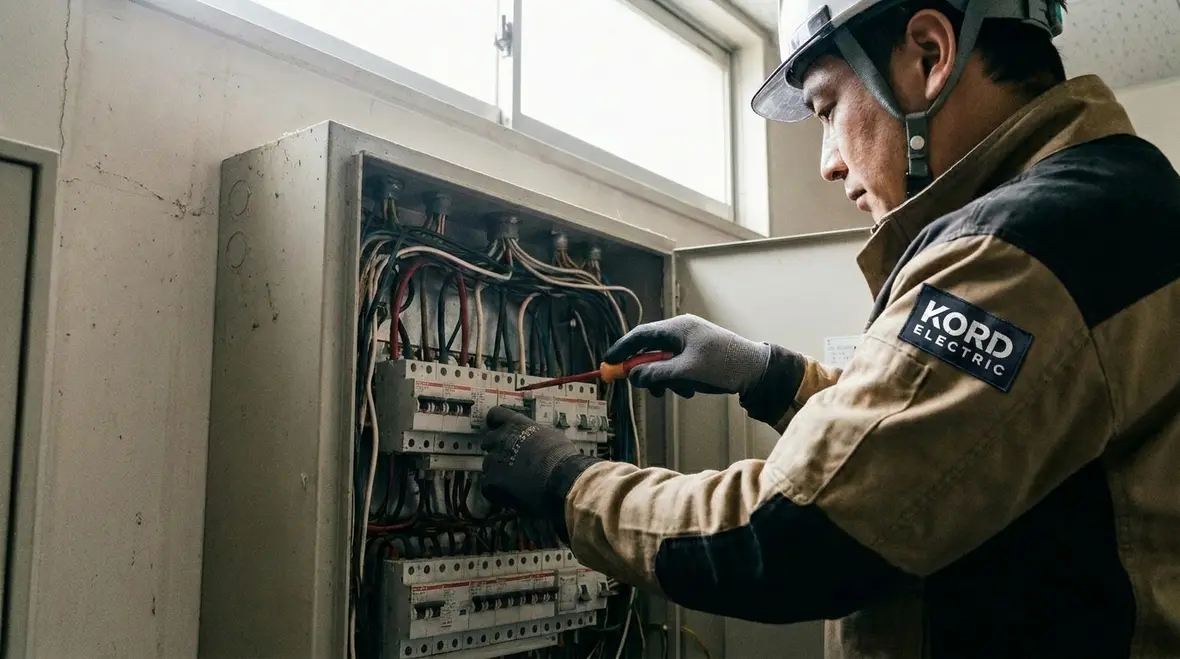
Rebalancing sounds simple until a facility has uptime requirements and a schedule tighter than a sitcom callback. So we plan changes with care. Our approach typically uses a phased rollout. We identify candidate circuits, confirm amperage and duty cycles, then shift or reassign circuits so load shares match across phases. We also confirm that equipment still operates within its required voltage tolerance and that control circuits remain stable.
To keep disruption low, we coordinate switchovers around off peak hours and production cycles. Additionally, when changes involve sensitive equipment, we validate operation before we leave the site. Our team treats the panel like a living system, not a one time project.
And if you are thinking, “We should have done this earlier,” you are probably right. But we are professionals, so we fix what matters now. Where appropriate, we also document recommendations for future upgrades, so you can time replacements, expansions, and additional balancing work on your terms instead of waiting for an inconvenient failure.
EV Charging, Smart Equipment, and the Real World of Panel Planning

EV chargers are one of the clearest examples of why modern panel design needs real planning. Charging adds demand in a way that can ramp quickly during peak parking times. That is why Kord Electric coordinates EV charging with the panel’s capacity and phase strategy. We reference our established EV charger installation practices to ensure the electrical path, protections, and circuit planning align with the building’s actual load profile.
For many major properties, EV charging does not arrive alone. Owners often add lighting upgrades, modern HVAC controls, or additional tenant loads in the same period. As a result, the panel must handle both baseline demand and new peak loads. We use a method that supports commercial systems as they expand, rather than forcing a fragile “single moment” solution.
In our experience, the biggest performance gains come when EV charging is planned alongside the rest of the facility’s circuits, not shoehorned in after the fact. Then commercial electrical panel load balancing becomes a practical tool, not a buzz phrase. That approach pairs well with larger infrastructure planning, such as scaling charging capacity over time or coordinating with other upgrades described in Kord Electric guides on EV charging infrastructure and cost planning for commercial properties.
Where Panel Load Balancing Meets Long-Term EV Strategy
When a site looks beyond “just getting a few chargers online,” panel planning gets smarter. Our technicians consider diversity factors, staggered charging schedules, and smart controls. That way, as more vehicles plug in, your system responds gracefully instead of lurching through every new demand spike.
Power Quality and Safety: What We Protect While Balancing Loads
Balancing loads helps with heat and breaker trips, but it also supports safer operation and steadier performance. Our technicians consider power quality items such as voltage drop, harmonic effects from variable speed drives, and the impact of uneven loading on neutral conductors. When a panel handles modern controls and efficient motors, those details matter.
In addition, we inspect how the panel distributes current to prevent overheating at terminations. Loose connections, degraded lugs, and aging components create failure points. Therefore, our team performs targeted checks and documents conditions so the owner understands what needs attention and why.
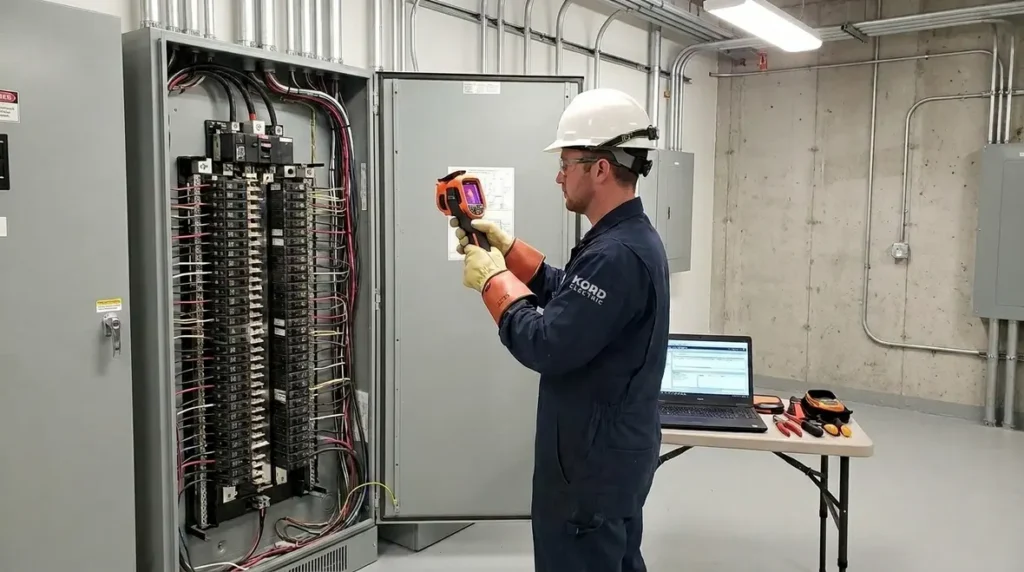
We also verify grounding and bonding practices as part of a safe commercial electrical system. That is not a “nice to have.” It is a foundation that helps protect people, equipment, and the overall reliability of the building. Combined with periodic maintenance and thermal inspections, these practices help catch hidden issues before they become expensive shutdowns.
Connecting Load Balancing to Broader Electrical Reliability
Load balancing rarely exists in a vacuum. It often shows up as part of a broader plan to reduce voltage fluctuations, avoid emergency power failures, and support growing electrical demands across a property. When we tune a panel, we are also thinking about how that work supports your larger reliability goals, from stable production lines to clean power for IT and building automation systems.
Dual Column Planning: A Simple View of What Changes First
To make decisions clearer for major property owners and commercial operators, our staff uses a practical order of operations. While every site varies, this is the common flow we follow.
| What We Check First | What We Change Next |
|---|---|
|
Load history and measured demand, phase assignment, breaker and conductor ratings, neutral loading, panel temperature indicators, and circuit duty cycles. |
Circuit reassignment for better balance, breaker coordination and protection verification, termination correction, and EV charging integration planning when needed. |
|
Panel age and condition, available capacity for future projects, and how current loading compares to design intent. |
Recommendations for future-ready upgrades, such as targeted panel replacements, feeder resizing, or controls that support smarter commercial electrical panel load balancing. |
How Load Balancing Supports Larger Commercial Projects
Major projects like rewiring, lighting retrofits, and power quality corrections all benefit when panel load data is accurate. When Kord Electric builds cost guides and roadmaps for large commercial facilities, the conversation often includes load balancing as a building block: a way to understand what the system is doing now before committing to bigger changes.
For example, a facility preparing for a large-scale lighting upgrade might start with a load study and balancing exercise. That groundwork gives the owner a realistic picture of spare capacity, transformer loading, and panel headroom. Instead of overbuilding blindly or cutting the budget too close, decisions are made from measured data.
From “It Seems Fine” to Data-Driven Planning
Many commercial buildings operate under a quiet assumption that “it seems fine” is close enough. Panel load balancing shifts that mindset. With measured readings, thermal scans, and clear documentation, property teams gain a sharper view of how their system behaves during peak usage, seasonal changes, and expansion periods.
That clarity also supports more confident conversations about budget. Instead of reacting to surprise outages or emergency repairs, managers can plan upgrades in phases, schedule work around production, and coordinate multiple improvements at once. Whether the next project is additional EV infrastructure or a focused voltage stability upgrade, a well-balanced panel is a strong starting point.
FAQ
Choose Kord Electric for Reliable Commercial Electrical Panel Performance
Kord Electric helps commercial and industrial facilities keep power steady, safe, and ready for modern loads. Our expert technicians plan load studies, rebalance circuits with care, and integrate changes like EV charging using proven practices. Then we verify protection, power quality, and panel health so your operation does not rely on luck. If your site is growing or you feel the system is acting “inconsistently,” contact us. We will review your panel, explain the findings clearly, and chart the next steps.
For property managers coordinating multiple upgrades across a campus or portfolio, our team can connect panel load balancing to a wider strategy. That includes planning for rewiring, lighting improvements, voltage stability, and scalable EV charging in a way that respects budgets and timelines. When you are ready to explore broader support across your property, our Los Angeles County electrical services help tie local code compliance, safety, and long-term performance into one clear plan.
No matter how complex the facility, the goal stays simple: calm, predictable electrical performance. From commercial electrical panel load balancing to dedicated service programs, Kord Electric builds that stability step by step, so your teams can focus on running the operation instead of chasing the next unexplained trip.