Commercial Electrical Panel Upgrades for Growth
Commercial electrical panel upgrades that keep your building steady
Kord Electric helps commercial and industrial facilities stay powered, protected, and ready for growth. When we perform commercial electrical panel upgrades, we do more than swap boxes. We review how your building uses electricity, how the service behaves under load, and how safety devices respond during real-world demand. Then we install the right system, sized correctly and built to last through busy seasons and unexpected spikes. And yes, we explain what we’re doing in plain language, because nobody wants an electrical job that feels like a mystery novel written by a transformer.
In this article, we outline the signs your commercial building needs an electrical panel upgrade, what we look for during our assessment, and how our technicians guide owners and facility managers step by step, with calm confidence.
Why panels fail when demand grows
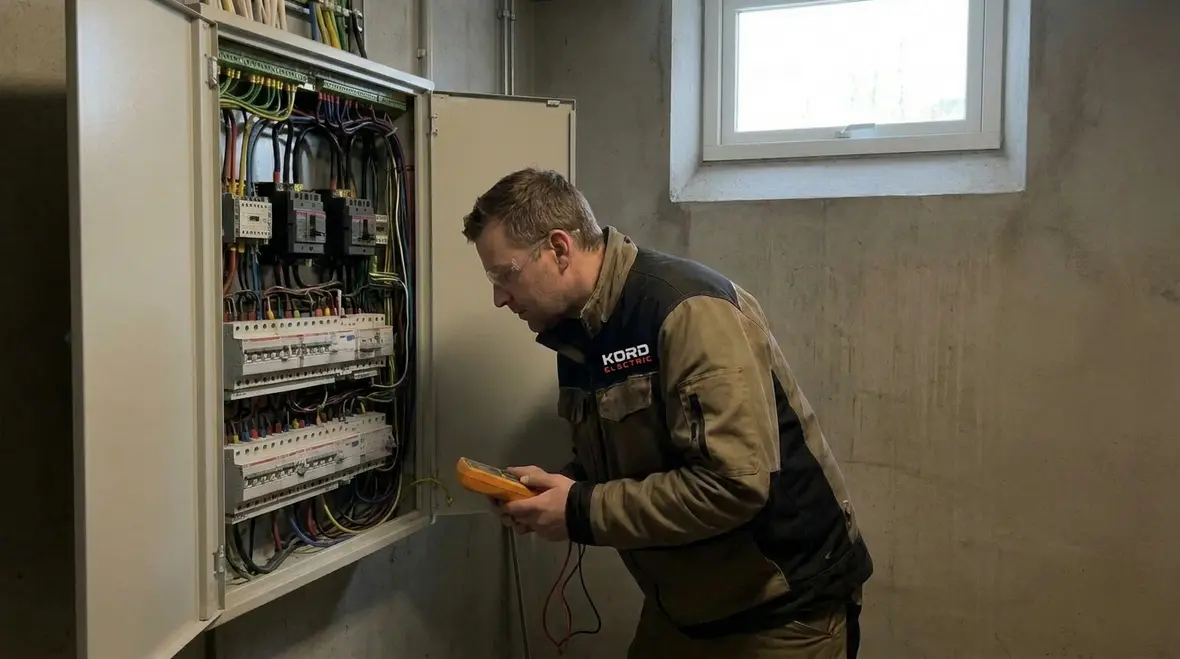
Most electrical panels do not fail like a sudden movie scene. Instead, they show slow changes that add up. As equipment loads increase, the panel works harder than it was designed to handle. Older components can warm up more often, connections can loosen over time, and protective devices may wear out. Eventually, you start seeing nuisance trips, voltage dips, or breaker behavior that feels inconsistent. That is when we recommend commercial electrical panel upgrades as a practical next step, not a scary guess.
At Kord Electric, our experienced service staff explains this using what we call “load reality.” In other words, we look at what your building actually runs, including HVAC, elevators, pumps, lighting, kitchen equipment, manufacturing lines, server rooms, and any tenant improvements. Then we compare that to the capacity and condition of the current panel.
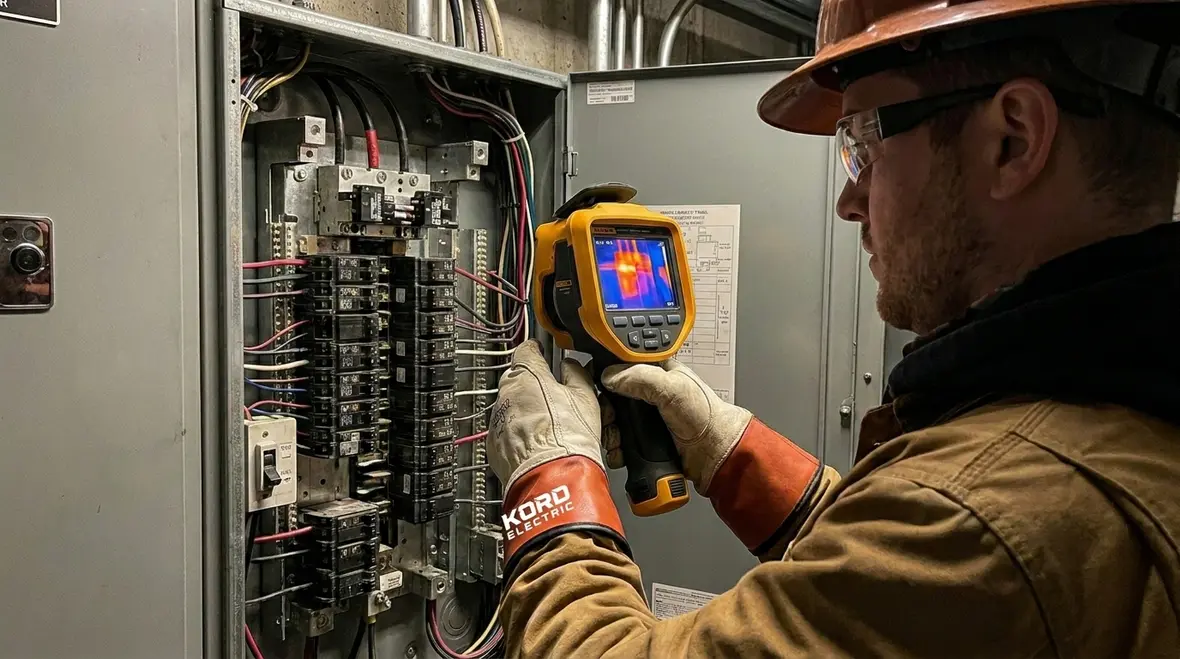
Signs you need an electrical panel upgrade in a commercial building
Below are the most common signals we see in offices, warehouses, retail spaces, and industrial facilities. If more than one shows up, you should treat it as a serious scheduling item.
1) Frequent breaker trips or reset cycles
When breakers trip often, it usually means the panel can no longer manage load or a circuit has developed an issue. Sometimes the breaker ages; sometimes a connection heats and fails under stress. Either way, we investigate before anyone keeps “bystander troubleshooting” the problem.
2) Lights dim when equipment starts
If lights flicker or dim when motors start, you may see voltage drop across the system. That often points to undersized service paths, aged components, or overload behavior at the panel. We help facility teams connect symptoms to causes, because electricity does not do drama for fun. Okay, maybe it does, but we still fix it.
3) Burn marks, discoloration, or a persistent hot smell
Visible signs of heat damage deserve immediate attention. Even if the building still runs, damaged insulation and overheated connections can worsen quickly. Our technicians prioritize safety and verification, not guessing.
4) Rusted enclosure, corrosion, or moisture inside the cabinet
Commercial environments include humidity, washdown areas, and condensation. If moisture reaches the panel, corrosion can disrupt connections. We check the enclosure condition and internal components, then recommend a repair or upgrade plan that fits your facility.
5) Capacity limits that block expansion
If you keep adding equipment and you cannot add circuits without major rework, the panel likely has little room left. In commercial and industrial projects, growth is normal. Therefore, we plan upgrades so your building can handle future changes without constant emergency electricians.
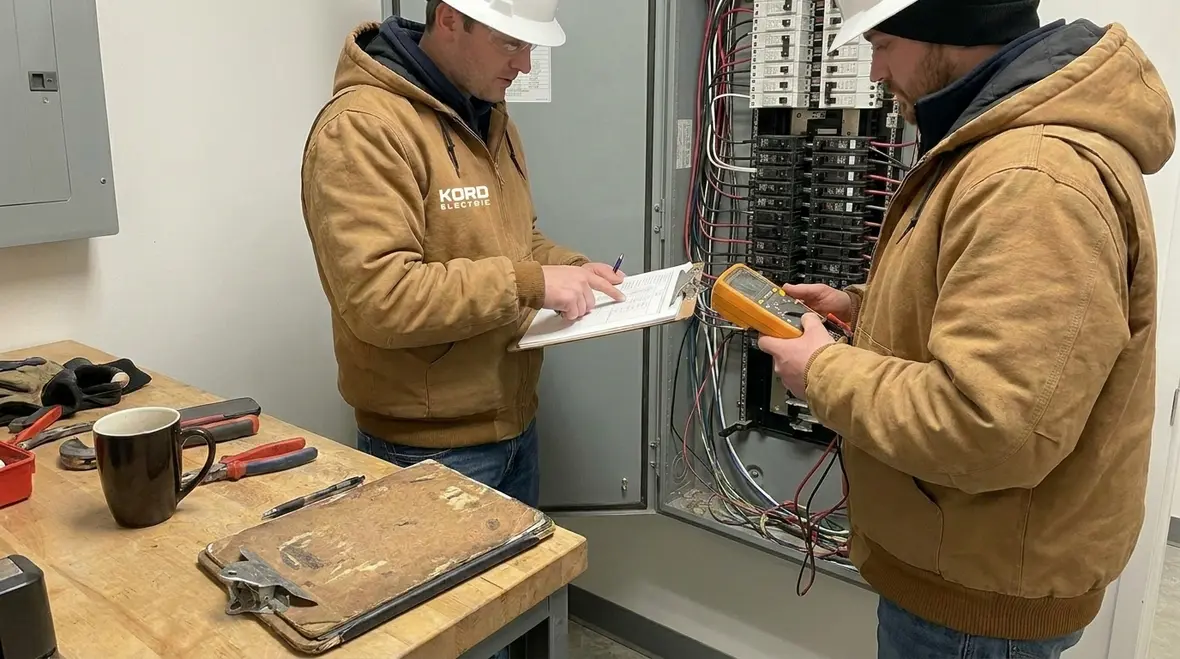
How our technicians diagnose the issue before we recommend work
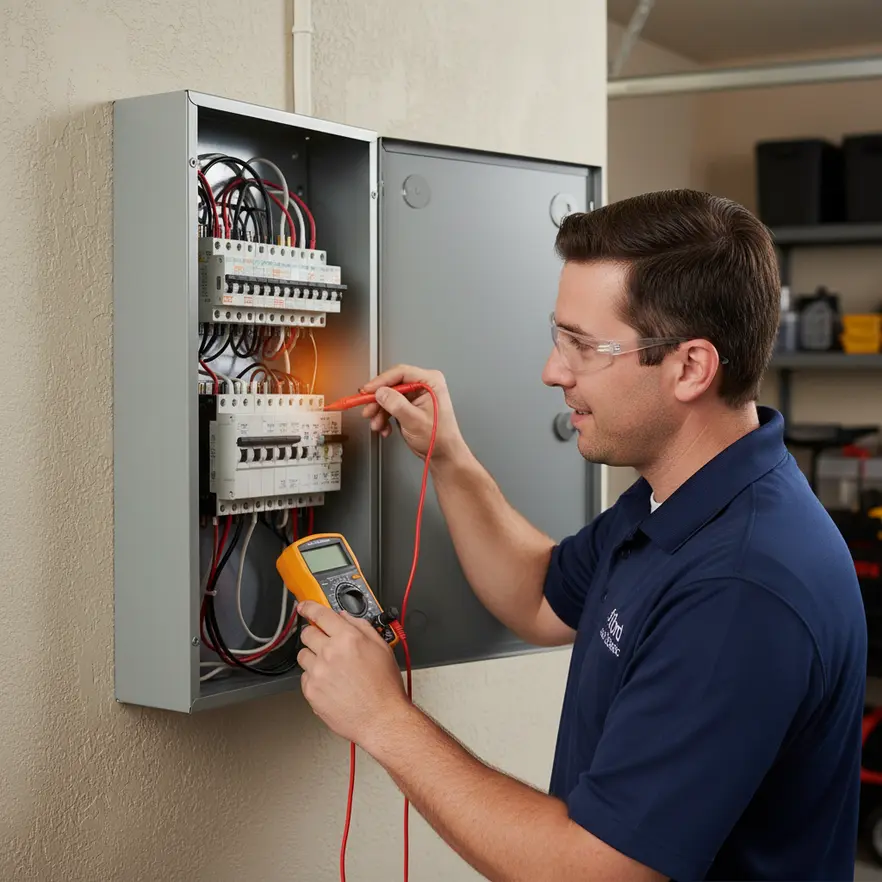
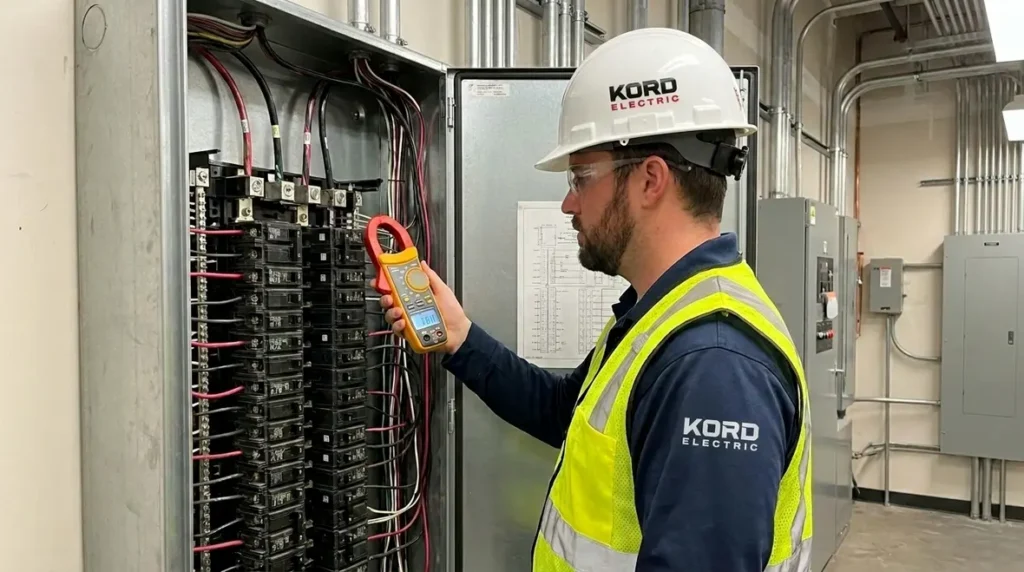
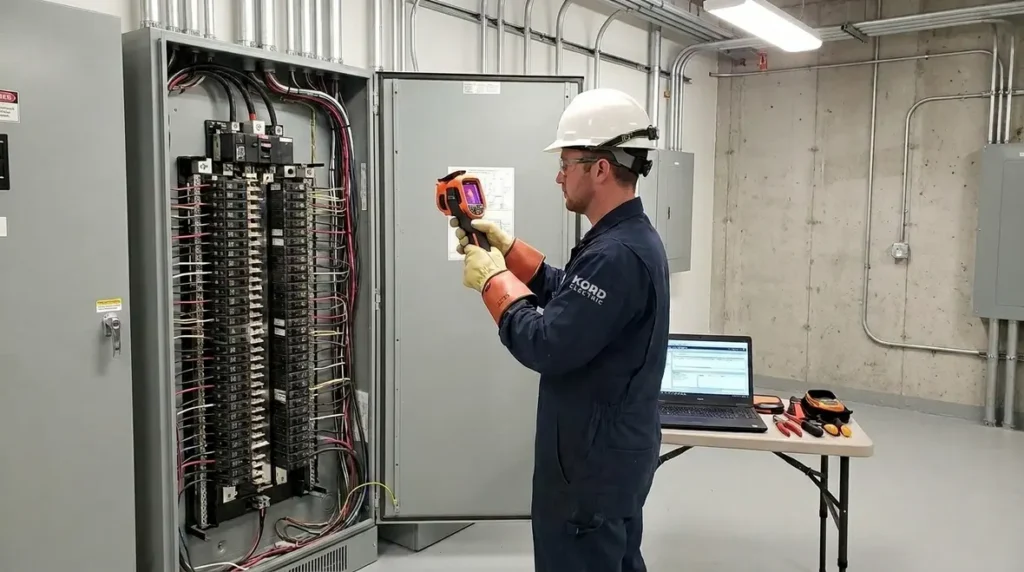
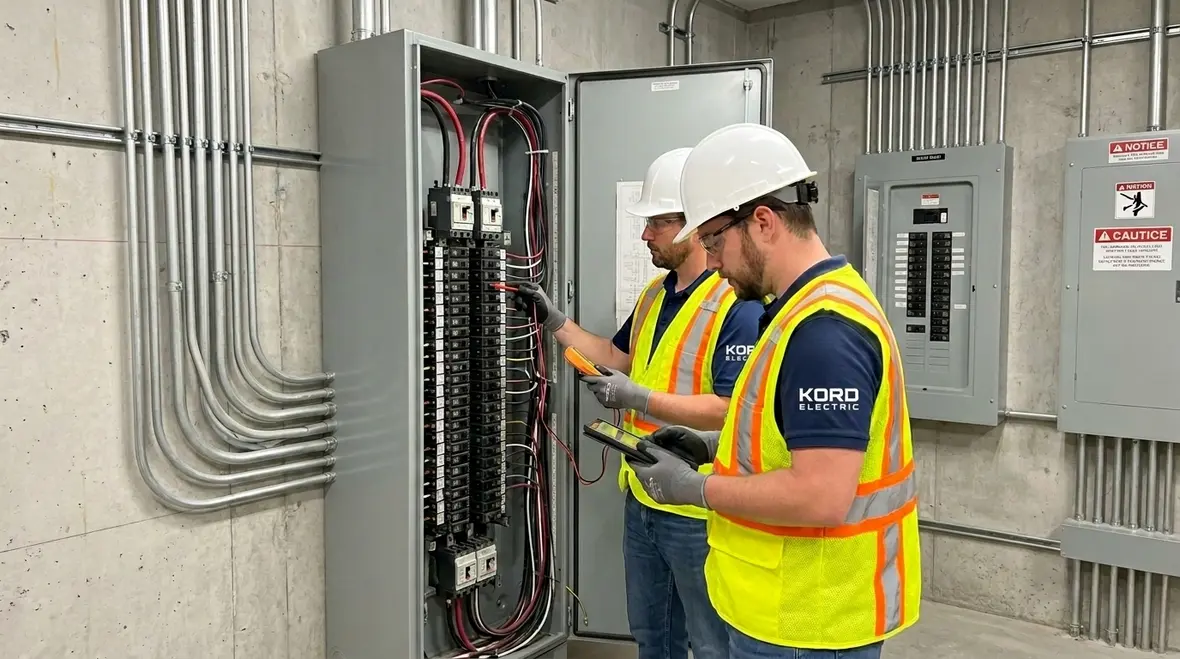
We do not walk into a facility and simply say, “Upgrade time.” Instead, we take a structured approach that reduces surprises and protects your uptime. First, our technicians talk with your team about what changed, such as new equipment, tenant buildouts, seasonal load swings, or recent power issues. Then we examine the panel and related equipment, including service conductors, bus bars, breakers, grounding and bonding points, and any signs of past overheating.
Next, we verify the electrical load situation. We review circuit usage, record how the building behaves during peak periods, and check whether protective devices match the loads they protect. After that, we explain what we found and what it means in real terms. Our service staff uses clear language and honest options, because we want you making decisions with facts, not fear.
And yes, we sometimes hear the line, “It’s been like this for years.” That may be true. However, years of minor issues can still build toward a major failure when demand spikes. Electricity always keeps receipts.
What a proper upgrade includes for commercial and industrial needs
A good upgrade targets more than the cabinet. It addresses capacity, protection, and system coordination. For commercial electrical panel upgrades, we commonly plan around these areas, depending on your building design and equipment.
1) Correct sizing for current and planned loads
We size components to handle present demand and expected growth. This reduces the chance of frequent trips and keeps performance stable during motor start events, production cycles, or HVAC surges.
2) Updated breaker and protection strategy
As systems age, protective devices may no longer match the behavior of modern loads. We evaluate whether circuit protection should be adjusted to improve coordination and reduce nuisance outages. Our technicians also consider safety requirements so the system trips correctly when it should.
3) Reliable bus bar and connection quality
We inspect and upgrade the internal connection points that carry power. Tight, clean, properly torqued connections help reduce heat buildup. This matters because heat is the quiet villain behind many panel problems.
4) Grounding and bonding checks
Proper grounding supports safe operation and helps protective devices do their job. We evaluate these components so the system behaves correctly across normal and fault conditions.
5) Coordination with power distribution and tenant improvements
Commercial buildings often include multiple areas and changing tenancy. So we plan the upgrade so your distribution system stays workable for future modifications. That means fewer “panic renovations” later.
Related upgrades we plan around, including EV charging
Many commercial properties now add electric vehicle charging, and that changes the electrical conversation fast. If a site installs EV infrastructure without planning, the panel can reach its limits sooner than expected. For that reason, we coordinate electrical capacity and distribution upgrades with EV charger projects. When we support EV charging installation, we focus on how the charger load will integrate with existing circuits and demand patterns.
If you want a practical view of how we plan electrical work for EV projects, you can reference our approach here: EV charger installation. In short, we help owners avoid the common mistake of treating charging as a “single add-on.” Instead, we treat it as part of the building’s ongoing electrical system. That mindset helps prevent strain on the panel and keeps the whole site reliable.
How to set an upgrade timeline without shutting down the building
Commercial owners often ask about timing, because downtime costs money. We plan the work to fit operational needs. First, we schedule assessment when your facility load is manageable. Then we design the installation plan based on what can be done while the building runs and what requires controlled shutdown time.
Our technicians coordinate with your facility manager to minimize disruptions, and we communicate clearly before each phase. In addition, we help you understand the steps involved, including any temporary arrangements if needed. We keep the process predictable, because unpredictable electrical work is how you end up with angry emails and surprise invoices.
Finally, we recommend testing and verification after installation, so you get a real, measured outcome. That way, your new panel does not just look correct. It performs correctly.
FAQ: Electrical panel upgrades for commercial buildings
Final words from Kord Electric
When a commercial building’s electrical system starts acting up, it usually does so for a reason, and that reason rarely improves on its own. At Kord Electric, our technicians evaluate load, inspect components, and explain your options clearly before we install the right commercial electrical panel upgrades for your facility. If you are ready to protect uptime, reduce nuisance outages, and support future growth, call us. We will come prepared, work carefully, and help you move forward with confidence.
To keep your upgraded equipment running smoothly year after year, many facility teams also partner with Kord Electric for structured electrical preventive maintenance programs that protect panels, switchgear, and critical distribution equipment.
If your growth plans include new lighting, process equipment, or EV charging expansion, you can pair panel work with targeted projects such as recessed lighting installation and dedicated EV charger installation so your building is ready for both today’s loads and tomorrow’s opportunities.