
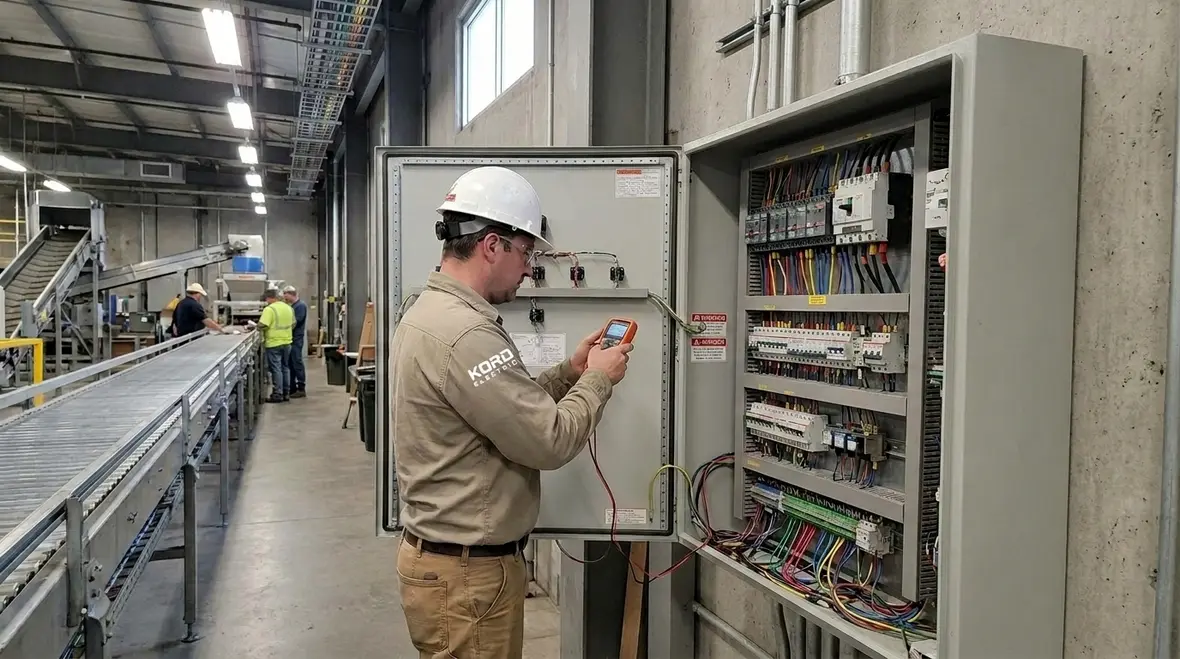
Factory Electrical Safety Compliance Guide
At Kord Electric, we focus on commercial and industrial facilities and major property buildings, and we treat factory electrical safety compliance like it is not a paperwork game, but a life safety system. We install, inspect, and help you meet the electrical rules that protect workers, equipment, and downtime budgets. In this guide, our technicians and expert service staff walk through the core standards and what they mean in real plant conditions. We explain it in plain language, because “compliance” should never sound like a curse word. And yes, we will still keep it professional, even if that one breaker panel has the personality of a haunted house.
Factory electrical safety compliance: the standards that keep people and plants protected
Factory electrical safety compliance is not just a legal checkbox. It is the framework that keeps people, equipment, and operations out of harm’s way. When you stand in the middle of a production floor, surrounded by motors, drives, panels, and process equipment, those rules show up everywhere: in the way conductors are sized, how systems are grounded, how circuits are protected, and how clearly equipment is labeled. At Kord Electric, we treat those rules like a safety net built out of engineering and common sense, not red tape.
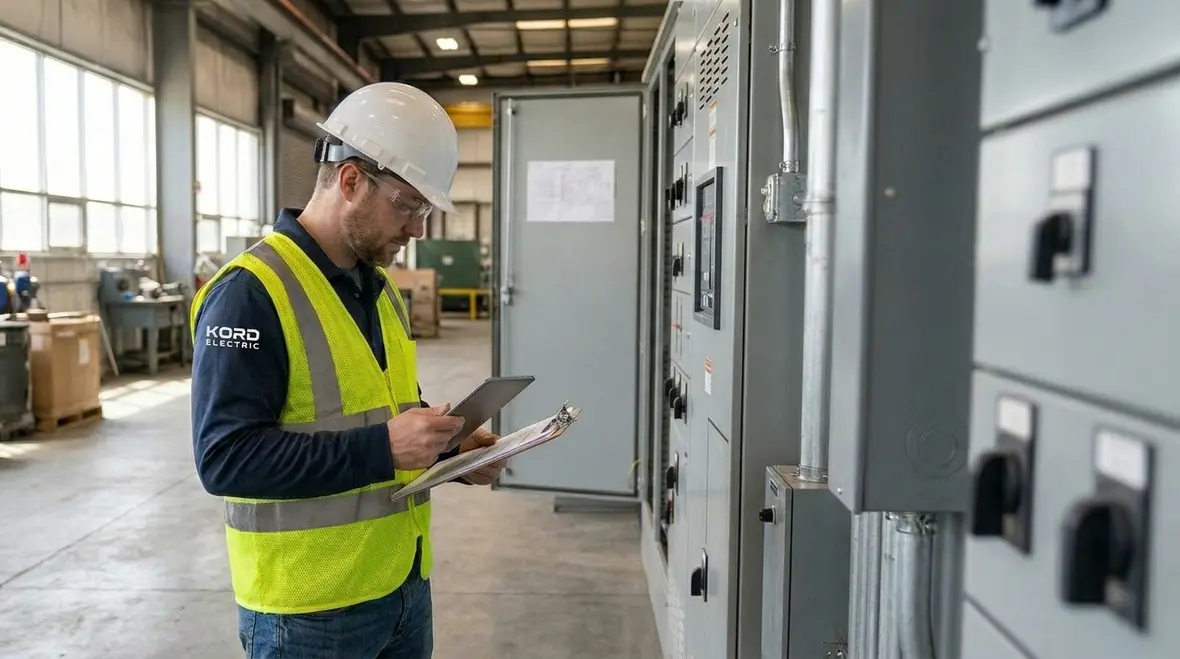
In real facilities, “compliance” intersects with production schedules, line changeovers, and the constant pressure to avoid downtime. That is why our technicians look beyond the code books and into how people actually work around equipment. We align standards with your processes, so the rules that protect your team do not quietly clash with the way the plant runs day to day.
Which standards matter most in industrial electrical systems?
When our team looks at a facility, we do not start with the newest label or the biggest binder. Instead, we start with the standards that control risk. In most workplaces, the backbone includes national electrical safety rules, local codes, and the requirements that drive safe installation, safe operation, and safe maintenance. These typically cover proper conductor sizing, safe grounding and bonding, overcurrent protection, insulation standards, and labeling.
Then we consider how those rules show up in your day to day work. For example, a factory does not operate like a showroom. You have vibration, dust, moisture, forklifts, and shifts that run late. So the standard requirements for circuit protection, enclosure rating, and wiring methods matter more because the environment does not gently cooperate.
Also, compliance is not just about the original install. We often see systems that were correct years ago, but changed without updating documentation or protective coordination. Therefore, our experts help you treat compliance as an ongoing process, not a one-time event. That is where structured electrical preventive maintenance and inspections become your best friends instead of last-minute emergencies.
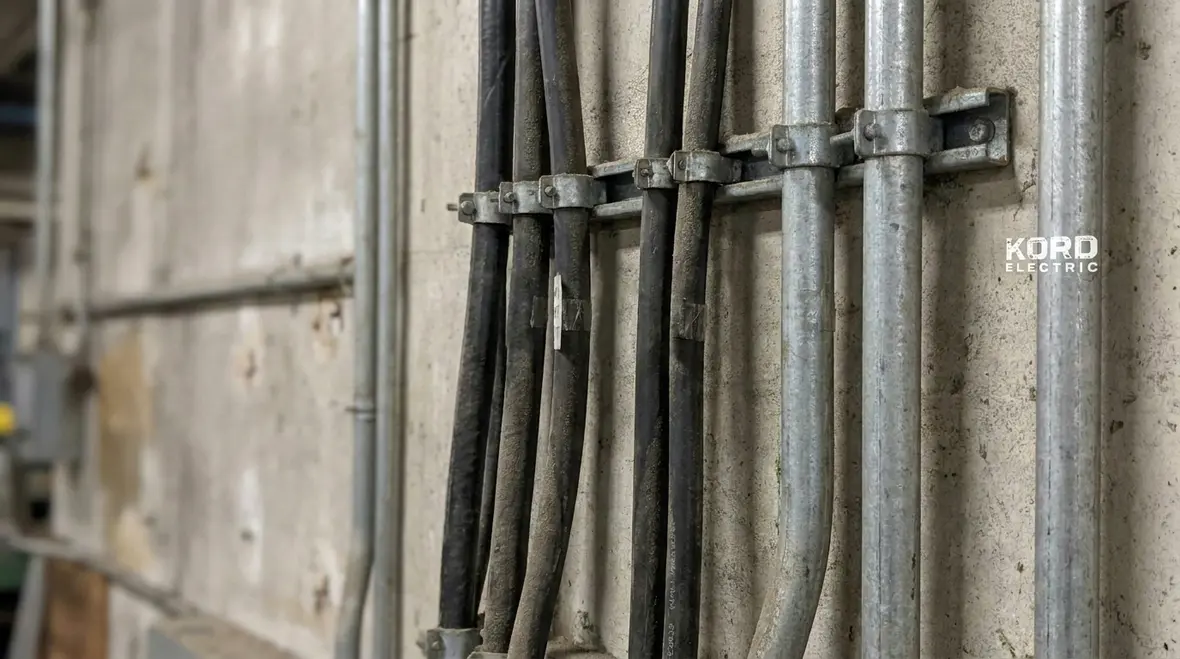
If you want a deeper dive into how national standards like the National Electrical Code shape commercial and industrial systems, Kord Electric shares additional insight in their NEC-focused resources. Those rulebooks help define what safe looks like before anyone ever flips a disconnect or energizes a bus.
From code books to concrete floors
On paper, standards talk about ampacity, temperature ratings, fault currents, and conductor insulation. On your plant floor, those details become answers to very practical questions:
Can this circuit handle the new motor without overheating during peak production?
Will this panel still coordinate properly after we add another line of equipment?
Is that enclosure really rated for where it is installed, or has moisture been quietly winning the fight?
If something fails, does the right breaker trip, or does half the plant go dark?
Factory electrical safety compliance connects those questions to clear answers—and those answers are written in the language of standards, test results, and documented inspections.
How do we design for shock, arc flash, and fault protection?
Electrical hazards rarely announce themselves politely. Instead, faults happen, and when they do, you need a protection system that reacts fast and safely. Our technicians explain this using a calm, step-by-step approach so your staff understands what the equipment should do during normal operation and during worst case conditions.
First, shock protection comes from grounding and bonding, correct insulation, and proper protection methods. Next, arc flash risk depends on how quickly protective devices clear a fault, as well as equipment design and maintenance. Our experts look at overcurrent devices, trip settings, and coordination so the right breaker clears the fault instead of the entire building. That keeps emergency response manageable and prevents “lights out for everyone” scenarios.
Finally, fault management includes testing and verification. Therefore, we recommend proper inspections, testing protocols, and documented results. When you can show what you measured and when, you reduce the guesswork during audits and internal safety reviews.
Building a protection strategy that actually works
On a practical level, designing for shock, arc flash, and fault protection usually includes:
Confirming grounding and bonding are intact and sized correctly for the available fault current.
Verifying breaker and fuse settings so they clear faults quickly without taking down unrelated equipment.
Reviewing panelboard and switchgear layouts so access, labeling, and clearances support safe work practices.
Integrating preventive maintenance so terminations, insulation, and mechanical connections do not quietly degrade.
In serious plants, this is where factory electrical safety compliance and daily reliability overlap. A well coordinated protection strategy not only checks the right boxes; it keeps your operations from turning a simple issue into a plant wide event.
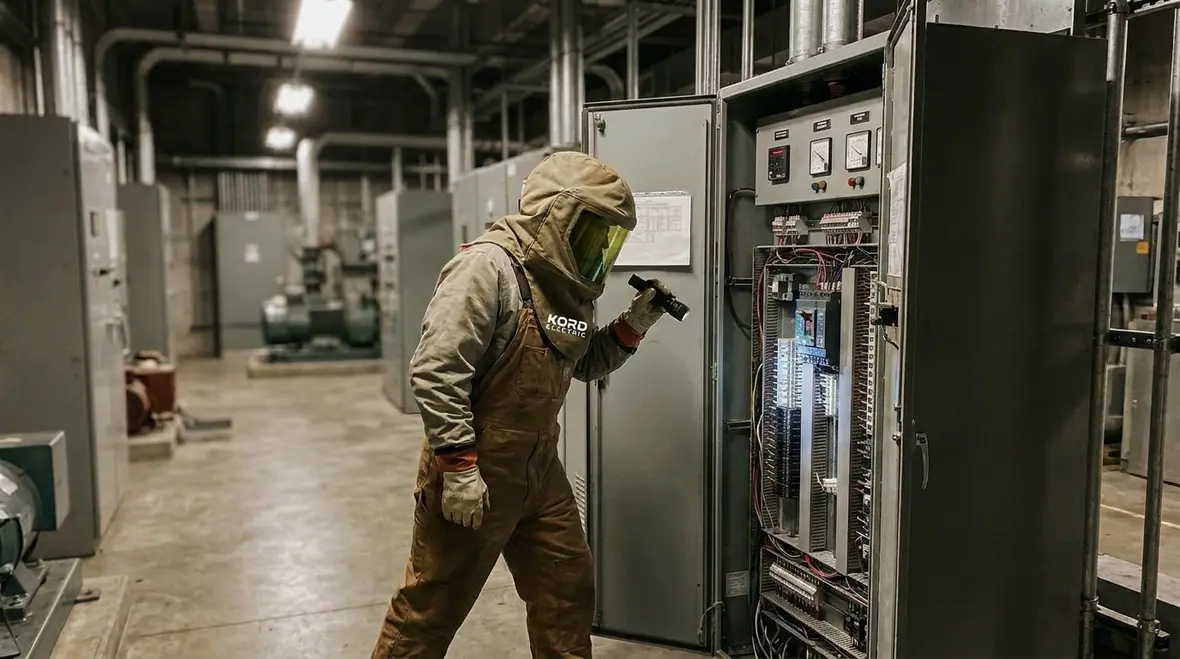
What does “safe installation” look like on a real plant floor?
Safe installation is not a vague phrase. It shows up in details that keep systems reliable even when the work gets tough. For industrial facilities, we look closely at how wiring is routed, secured, and protected. We verify that conduits and cable types match the environment, that terminations are correct, and that enclosures meet the needed protection level.
Then we address labeling, because confusion kills faster than electricity does. When a technician walks up to a panel in the middle of a shift, they should not have to play detective. We support consistent labeling for circuits, disconnects, and equipment. Also, we confirm that lockout and tagout procedures map to real isolation points.
And when a facility adds new equipment, we make sure the new work integrates without undermining the older system. That is where many compliance gaps hide. A “temporary” tap becomes a permanent hazard, and suddenly the plant behaves like it is held together with wishful thinking.
Installation details that separate “fine for now” from “built to last”
On the plants we support, safe installation usually leaves fingerprints in places like:
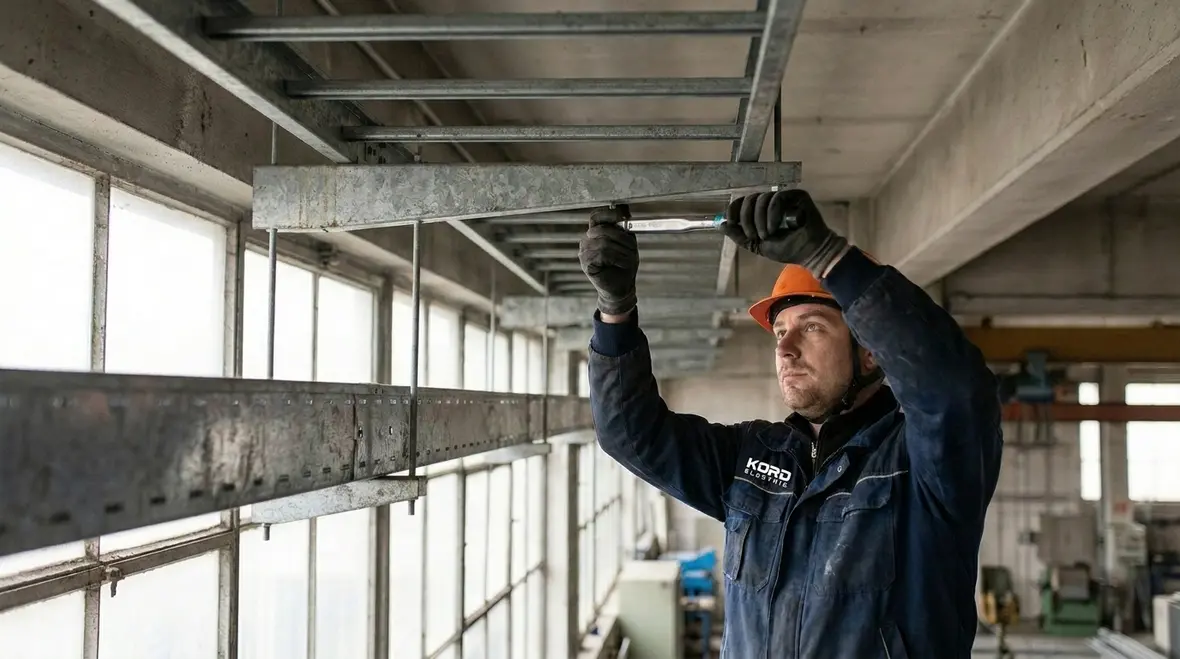
Cable tray and conduit that keep mechanical damage, moisture, and heat from quietly chewing through insulation.
Panel layouts that leave room for documentation, torque labels, and future expansion instead of cramped chaos.
Clearly labeled disconnects, drives, and control panels so maintenance teams do not waste time guessing which device controls what.
Lockout and tagout points that match the drawings on paper and the labels in the field.
If you want to see how safe installation practice scales up for specific environments like data centers, Kord Electric’s distribution design resources show how those same principles protect uptime in mission-critical scenarios as well.
Where does testing, documentation, and maintenance fit in?
Standards do not end at installation. They continue with testing, inspections, and maintenance that confirm the system stays safe over time. Our approach is structured, and our expert service staff explains the “why” behind each step so your facility team can make informed decisions.
Testing often includes verifying grounding paths, checking insulation integrity, and confirming that protective devices function as designed. In addition, we review documentation like single line diagrams, panel schedules, and protective device settings. When the paperwork matches the field, audits and operational troubleshooting get easier.
Maintenance matters because factories evolve. New production lines add loads. Motor replacements change characteristics. Even building renovations can shift pathways for heat, moisture, and mechanical stress. Therefore, we help you build a maintenance plan that keeps factory electrical safety compliance strong through changes, not just through initial compliance.
Think of documentation as the plant’s instruction manual. If the manual goes missing, every problem becomes a guessing contest. And we do not get paid to guess. We get paid to fix.
Factory electrical safety compliance as an ongoing rhythm
In practice, keeping your factory electrical safety compliance strong usually means:
Setting up preventive maintenance intervals that match your risk profile and production schedule.
Documenting every major change—new panels, new feeds, new machinery—so drawings never quietly fall behind reality.
Capturing test results for grounding, insulation, and protection devices in a way that makes future audits straightforward.
Using inspection findings to prioritize capital projects before small issues turn into complex failures.
This is where structured electrical preventive maintenance programs earn their keep. Instead of waiting for problems to introduce themselves at the worst possible moment, the plant takes control of its own risk curve.
How EV charging and other expansions connect to electrical safety compliance
Many facilities expand by adding EV charging, and they often focus on uptime while underestimating electrical impact. We have seen it firsthand, and our team explains it clearly. For example, our EV charger installation work at Kord Electric follows the same safety mindset as every other industrial electrical scope. When you add chargers, you add load, heat, and new demand patterns. Therefore, the existing electrical infrastructure must support it safely.
During our EV charger installation process, we evaluate service capacity, panel availability, and protective device needs. We also check cable routing, conduit requirements, and the proper setup for safe operation. Then we make sure the system gets documented and maintained so it stays aligned with compliance expectations.
If you are managing a major property building, this matters even more because the chargers often serve multiple user groups and operate throughout the day. In other words, it is not just “install and forget.” It is “install, integrate, verify, and keep it safe.” And yes, that is the boring part that prevents the expensive part.
Why expansions test your compliance culture
Expansions—EV charging, new production lines, upgraded lighting, or remodeled commercial kitchens—tend to expose whether factory electrical safety compliance is truly part of your culture or just a checklist. The difference shows up in questions like:
Did someone update the single line diagram when that new panel was installed?
Were breakers and fuses re-coordinated when load patterns shifted?
Did the team revisit arc flash labels and PPE requirements?
Is the new equipment now part of your preventive maintenance plan, or did it slip through the cracks?
When the answer is yes, expansions strengthen your infrastructure. When the answer is no, expansions quietly build new layers of risk behind the walls.
Training, audits, and the human side of safety
Even the best electrical design fails if people cannot safely work around it. Our technicians and expert service staff help you create practical training that supports safe behaviors. We focus on how workers identify energized equipment, how they follow lockout and tagout, and how they respond when something looks off.
For audits, we help facilities assemble the proof: inspection reports, test results, and updated drawings. Then we guide internal teams on how to keep documentation current when changes happen. Since factories run on schedules, we also help reduce disruption by planning work around production windows.
Most importantly, we emphasize consistency. When staff understands the protection philosophy and can point to what was tested and what was verified, your compliance culture becomes real. It stops being a binder on a shelf and starts being a daily habit that protects people.
Turning compliance from a burden into a habit
The human side of factory electrical safety compliance is where real change happens. We see the shift when:
Operators feel comfortable calling out “something does not look right” before it becomes a failure.
Supervisors understand how training, lockout and tagout, and inspections fit together.
Maintenance teams treat documentation as a critical tool, not an afterthought.
Leadership ties safety metrics and uptime metrics together instead of trading one against the other.
When that mindset takes root, electrical standards stop feeling like an outside imposition and start acting like a shared language for keeping people safe and production steady.
FAQ: Essential safety rules for industrial electrical systems
Final call to action: bring Kord Electric in before the risk brings you in
If your facility runs heavy loads, expands often, or simply wants fewer surprises, Kord Electric can help. Our technicians and expert service staff align your electrical work with the real requirements behind factory electrical safety compliance, from safe design and protection to testing, documentation, and ongoing maintenance. We support commercial and industrial facilities and major property buildings, and we plan work to reduce disruption.
For plants that want to treat risk proactively, pairing a safety-focused electrical review with structured preventive maintenance is a powerful move. Kord Electric’s electrical preventive maintenance services help protect panels, switchgear, distribution paths, and specialized equipment so compliance stays strong long after the first inspection. And if your roadmap includes upgrades like EV charger installation, the same safety-first mindset carries through every new project.
Contact Kord Electric today for a safety-focused electrical review and a clear plan your team can trust—one that keeps people protected, keeps equipment reliable, and treats factory electrical safety compliance as the everyday backbone of your operation instead of a scramble before the next audit.


