Preventive Maintenance for Industrial Electrical Systems
At Kord Electric, we focus on preventive maintenance for factories and the industrial electrical systems that keep production moving. We treat electrical upkeep as more than a checklist; we see it as risk management you can feel in your uptime. When our team plans service visits, we reduce surprises, control costs, and protect the people who work around live power every day. And yes, we know, nobody wakes up excited to think about breakers and insulation. Yet the alternative is like waiting for the last scene of a movie to realize you never hit play.
In this article, we explain how strategic preventive maintenance for industrial electrical systems works, what our technicians inspect, and how we document results so others in your operation can act fast. We also connect the dots to energy changes like EV charging, since modern facilities rarely keep the same electrical load for long.
How preventive maintenance for industrial electrical systems reduces risk
Industrial sites run on steady power, but electrical systems do not “hold their breath” until the next inspection. Over time, components age, connections loosen, heat cycles build stress, and moisture finds weak points. Therefore, we build preventive maintenance plans around how power actually behaves in the real world: with current spikes, vibration, and changing loads.
Our approach starts with clear goals. We aim to prevent arc faults, reduce nuisance trips, and catch insulation issues before they become downtime. Next, we align each task to the asset type, such as switchgear, MCCs, transformers, busways, and motor drives. Then we use service records to spot trends, because one missed sign today becomes a bigger problem tomorrow.
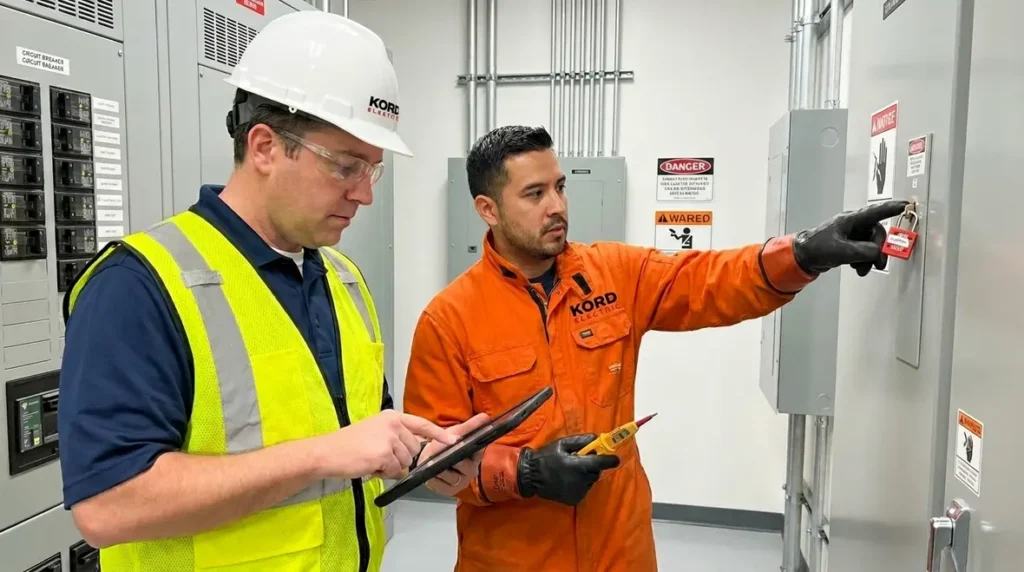
Our expert service staff explains everything in plain language so facility teams can follow decisions. We do not hide behind jargon. When we say a connection looks “overheated,” we show you what we measured and what it usually leads to. That way, others can plan repairs with confidence, not guesswork.

What our technicians inspect during scheduled service visits
We run inspections in a sequence that makes sense for safety and for how faults usually grow. First, we confirm the system’s operating conditions and review previous service data. Then we inspect the physical hardware and test key electrical performance points. Finally, we document findings in a way your team can use.
During maintenance, our technicians typically focus on these areas:
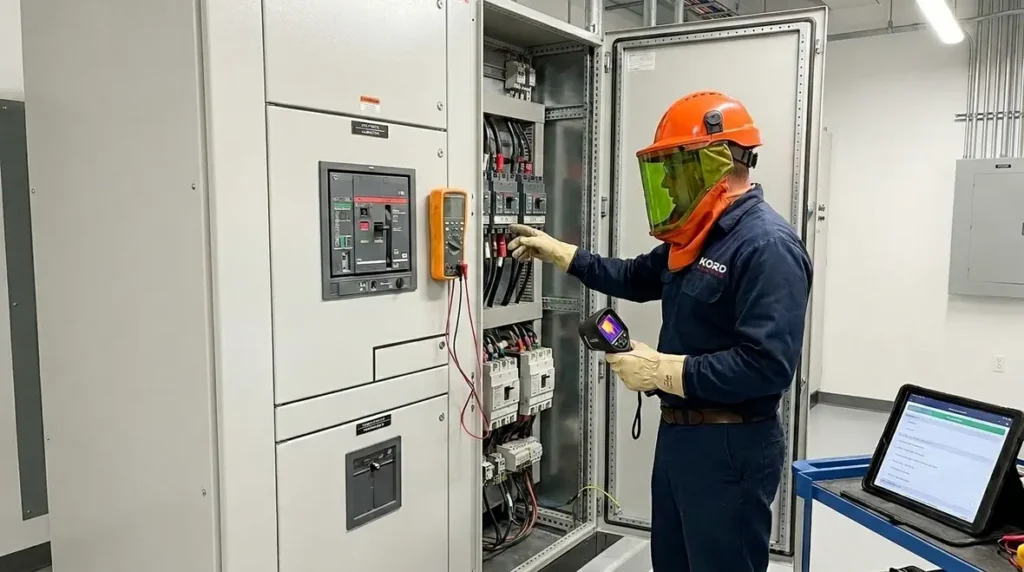
- Switchgear and panels: torque checks, visual signs of overheating, corrosion control, and breaker operation tests
- Busbars and connections: tightness verification and inspection for discoloration or pitting
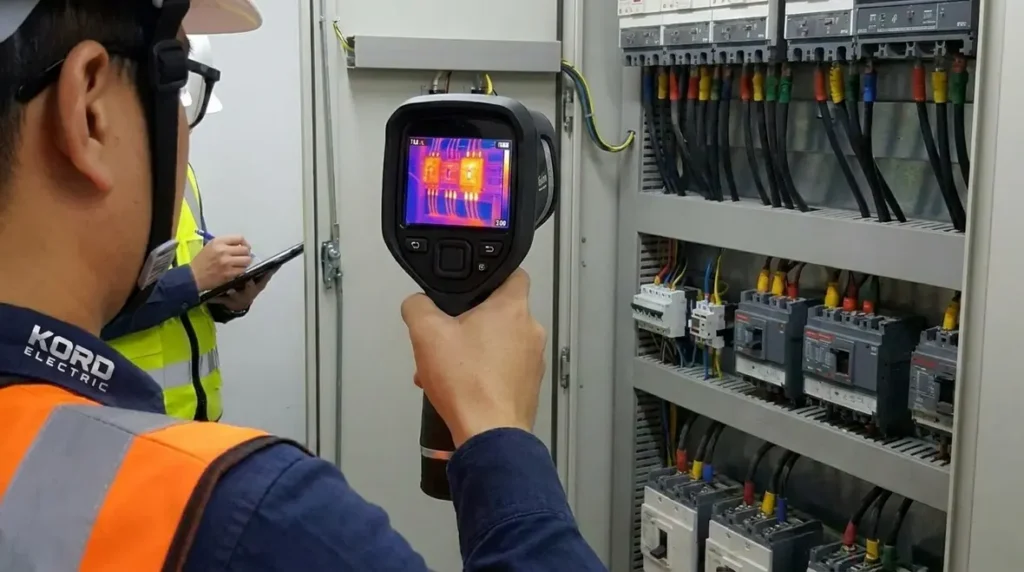
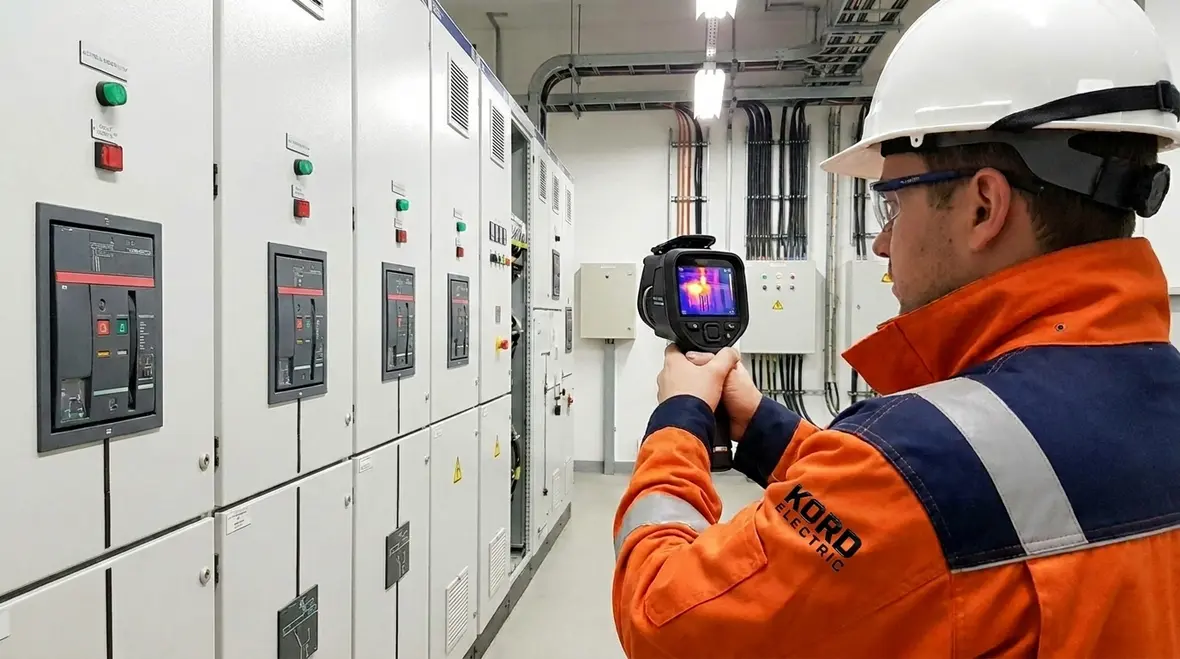
- Thermal performance: infrared scans to spot hot spots that often signal loose connections
- Motor control equipment: verification of MCC components, contactor health, and control circuit stability
- Transformers: oil and insulation related checks where applicable, plus load and temperature observation
- Grounding and bonding: continuity checks and verification of proper protection paths
- Protection devices: review of relays, coordination settings, and protection trip history
Also, we do not treat preventive work as “only looking.” We test, we verify, and we follow up. If we find early heat damage, we act early. Because we have seen what happens when a minor loose lug turns into a major failure. It is the electrical equivalent of ignoring a small crack in a windshield, then acting shocked when it spreads across the whole view.

How we build a maintenance plan that fits your production schedule
A strong plan respects your work. That means we schedule work when it creates the least disruption. Yet we also avoid a common trap: letting maintenance become random and reactive. Instead, we create a plan that balances risk, asset condition, and operating cycles.
Our team starts by learning how your facility runs. We ask what equipment is critical, when peak loads hit, and how often production can pause. Then we group assets by importance and failure impact. After that, we define visit intervals and test depth. For some equipment, quarterly attention makes sense. For other assets, we may use semi annual or annual coverage with targeted testing.
Next, we align maintenance with operational seasons and process changes. A facility that ramps up output before a seasonal demand spike deserves earlier electrical checks. Similarly, sites that add shifts or new machinery often require updated preventive maintenance planning because electrical load patterns change.
Meanwhile, our expert service staff keeps communication calm and clear. We tell facility managers what we will do, how long it may take, and what decisions you may need. We also explain any findings in a direct way, since silence during a service visit is like leaving someone in a dark parking lot and calling it “privacy.”

Reliable results depend on testing, documentation, and follow up
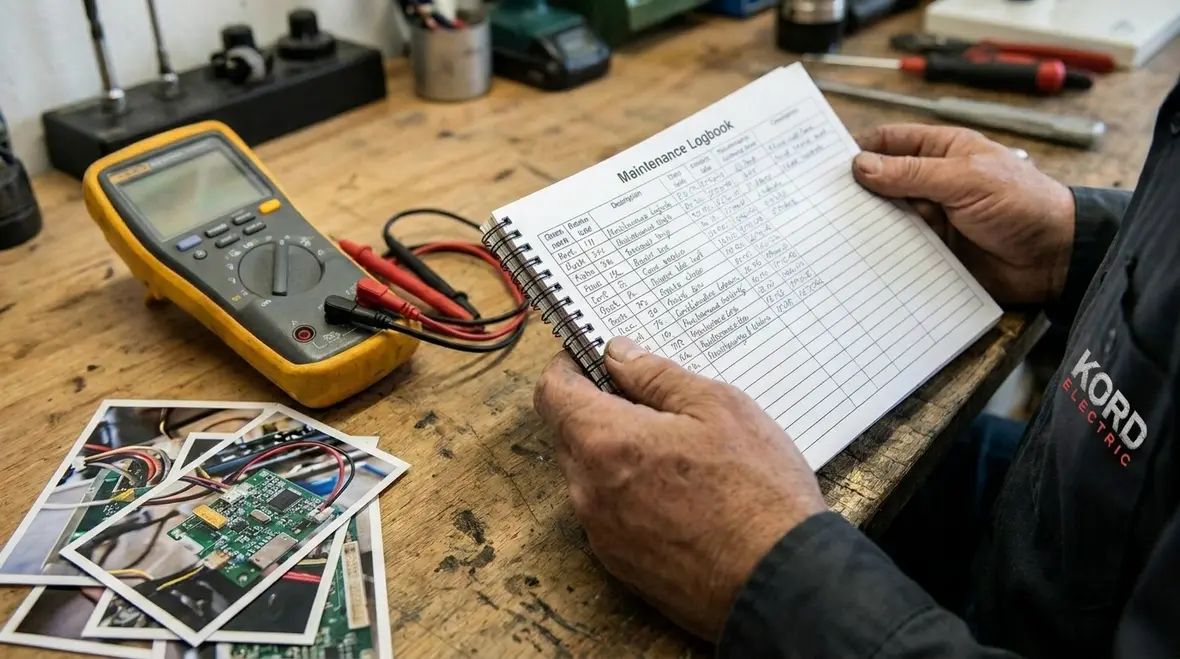
Preventive maintenance works best when it produces evidence. Therefore, we document readings, photos, and test results in a format that supports real decisions. This matters because a good inspection without usable data becomes a story you cannot act on.
We use a mix of visual checks and electrical testing to capture what the eye and tools can prove. Then we compare results across visits to detect drift. For example, a thermal hot spot may not be dangerous today, but the trend can show it is worsening. Likewise, breaker behavior and relay history can reveal whether protection devices work within expected ranges.
Additionally, we help connect electrical findings to business impact. If we see recurring overheating on a specific run, we explain the likely cause and repair options. Then we suggest next steps and timing. That way, others can plan budgets, schedule parts, and reduce the risk of unplanned downtime. We make sure the outcome is more than “we looked.” It becomes “we improved your reliability.”
And we keep the tone business casual, not courtroom. You do not need a PhD in electrical engineering to understand the recommendations. You need clear next steps, and that is what we deliver.
Protecting industrial power during load growth and energy upgrades
Industrial facilities rarely stay still. They add equipment, expand production lines, and shift energy needs. Consequently, preventive maintenance for factories must evolve with those changes. A system that worked last year can struggle this year after added motors, new HVAC loads, or expanded processing equipment.
One reason we talk about load growth is that electrical stress does not show up evenly. It concentrates where connections age first, where cooling stays weak, or where distribution routes carry the heaviest demand. Therefore, we treat upgrades as an opportunity to strengthen your electrical reliability, not just to install new gear and hope.
Energy upgrades can also bring new infrastructure needs. For example, when a major property building adds fleet charging or public-style charging, electrical planning becomes more than a “nice to have.” Our site includes relevant details about EV charger installation, and we use the same discipline in how we plan power distribution, protect circuits, and coordinate safe operation.
When facilities add EV charging, the electrical load profile changes. However, our job does not stop at the charger. We verify upstream distribution capacity, confirm protective device coordination, and help ensure the overall system stays stable. In other words, we keep the lights on and keep charging reliable, even when usage spikes. If power systems had a sense of humor, they would laugh at the idea that one new load never affects another. They do not laugh, though. They just fail.
If you are considering broader upgrades across your facility, you can also review how our electrical preventive maintenance programs support long term reliability across commercial and industrial environments.
Common signs your electrical system needs more than “later” service
Even with a maintenance plan, sometimes signals appear that demand earlier attention. We recommend acting when you notice patterns, not only alarms. Therefore, we use these practical signs to guide decision making:
- Repeated nuisance trips that look “random” but happen at predictable times
- Hot smells or unusual warmth around panels, motor starters, or junction points
- Frequent breaker resets or increased relay activity
- Corrosion, dust buildup, or moisture in electrical enclosures
- Visible discoloration on busbars, lugs, or cabinet interiors
- Slow motor starts or abnormal motor control behavior
- Vibration changes around rotating equipment that can loosen electrical connections
When we arrive, our technicians explain what we observe and what tests confirm it. Then we recommend actions based on severity and business impact. That is how we keep preventive maintenance for industrial electrical systems practical instead of theoretical.
Also, we remind our partners of something simple: waiting for failure rarely costs less. It usually costs more, and it often costs productivity. In the industrial world, time is money, and electrical downtime is the kind of bill you never budget for.
FAQ: Preventive maintenance for industrial electrical systems
Next steps with Kord Electric for safer electrical reliability
If your facility runs on electric power, you already know how expensive downtime can be. Kord Electric helps commercial and industrial sites protect reliability through strategic preventive maintenance for factories, built around risk, load patterns, and real operating schedules. Our technicians explain findings clearly, document evidence, and recommend next steps you can act on. If you want a maintenance plan that prevents the problem before it interrupts production, contact us today and schedule a service consultation.
For facilities planning broader system changes, from panel upgrades to new lighting or EV infrastructure, you can also explore related services such as lighting installation services and our dedicated EV charger installation solutions. Coordinating these projects with a structured maintenance program helps keep your entire electrical ecosystem aligned, compliant, and ready for growth.