Commercial Electrical Subpanel Installation Requirements and Best Practices
Commercial facilities run on steady power, and our work at Kord Electric starts with one clear goal: a safe, well-designed path for electricity. That is where Commercial Electrical Subpanel Installation: Requirements & Best Practices comes in, because the right subpanel setup protects equipment, reduces downtime, and keeps inspections from turning into an all day saga. In the first stage of every project, we confirm the load needs, plan conductor routing, and follow code like it matters because, frankly, it does.
In this article, we explain how our trained technicians build commercial and industrial electrical subpanel systems for major property buildings. We also walk through requirements that inspectors expect, best practices that keep systems quiet and reliable, and the small details that most people only notice when something fails. And if you are picturing a subpanel as a boring box, you are right. But like a good security guard, boring is the point.
Scope and job planning for commercial and industrial buildings
When others ask for “a subpanel,” we ask for the real story first. We serve commercial and industrial facilities and major property buildings, so we plan for the reality of shared loads, phased tenants, and future expansion. In other words, we do not just install. We design for how the building actually behaves.
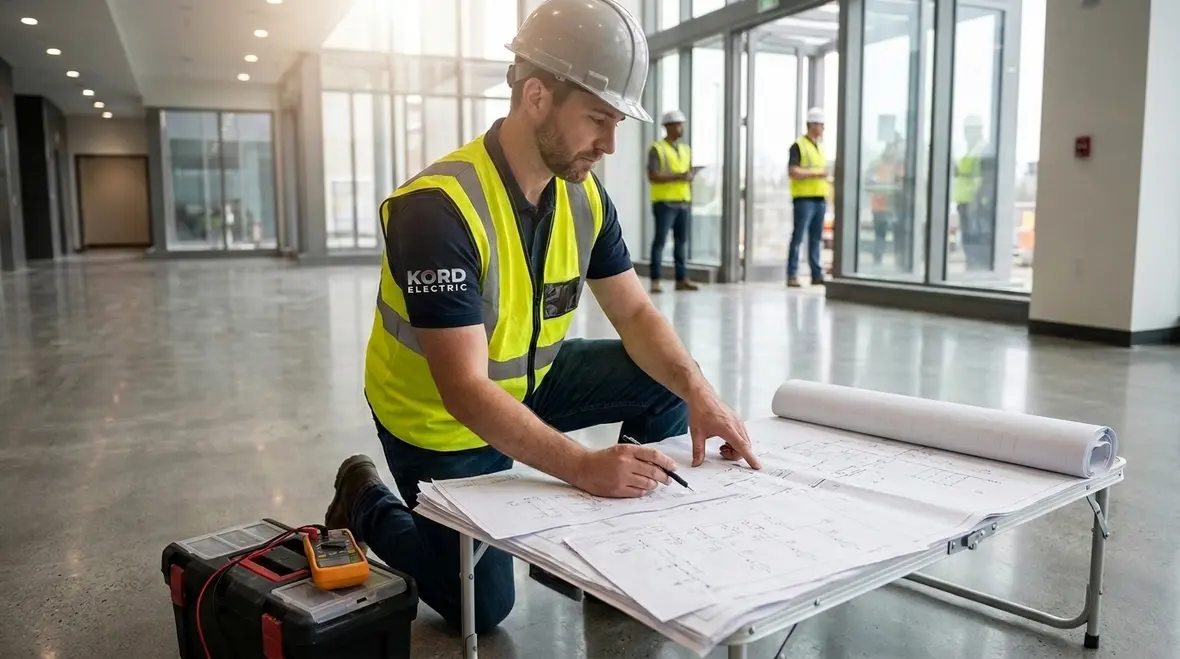
Our technicians begin with a site walk and then verify what drives the electrical demand. That includes lighting panels, HVAC units, pumps, elevators, kitchen loads for food service areas, and tenant improvements that show up later like uninvited guests. Next, we review one line diagrams and the existing service equipment to make sure the subpanel will integrate cleanly. Then, we map out where circuits will land, how they will be labeled, and where the subpanel will sit so access stays safe and code compliant.
Finally, we consider coordination. Utility service timing, breaker sequencing, and load diversity matter, and we plan the subpanel bus and breaker choices accordingly. When we get this part right, the rest of the installation goes faster. And yes, faster can be good news for your operations. Your building does not want electrical work that drags on like a slow sitcom plotline.
Load calculations, breaker sizing, and panel layout that inspectors respect
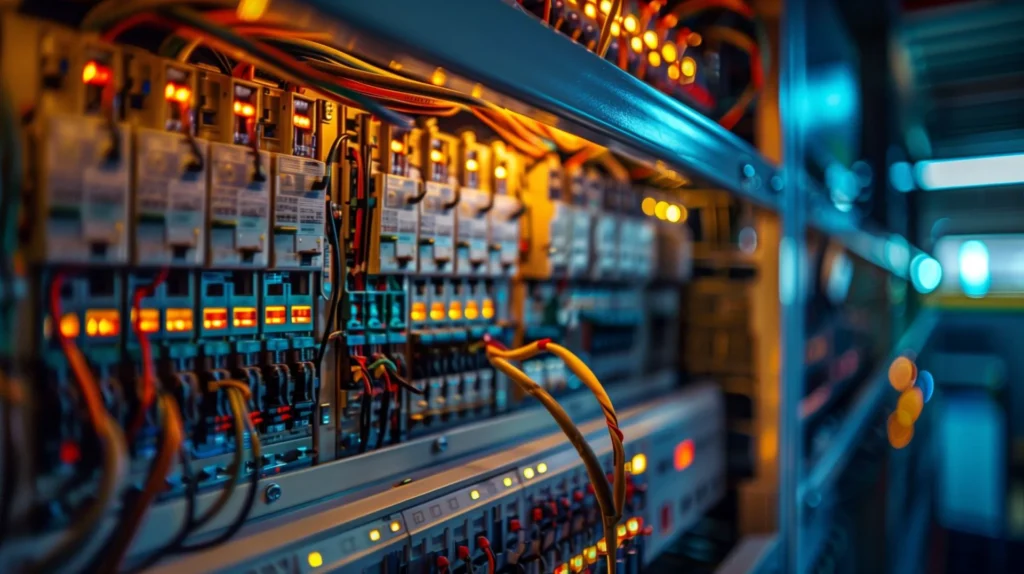
The best Commercial Electrical Subpanel Installation: Requirements & Best Practices start long before any screws go in. We confirm load calculations, select breakers that match the ampacity and intended duty, and ensure the panel layout allows proper derating and heat dissipation where needed. Then we keep the layout practical so maintenance stays straightforward, not like guessing where a cable went after the fact.
During design, our expert service staff looks at current and expected usage. We consider continuous loads, non continuous loads, and inrush where motors start. As a result, breaker sizing stays accurate instead of “close enough.” That matters because undersized breakers trip at the worst times, while oversized breakers can fail to protect conductors.
Next, we address arrangement. Panelboards and subpanels need enough working space, clearances for service access, and proper conductor landing space. We also verify that each circuit gets a correct rating for the device it powers. Then we plan labels so operators and electricians can trace circuits without playing electrical detective.
If you are building a major property with multiple wings or tenants, we also plan for future circuits. We aim for a layout that supports growth without forcing unsafe rewiring later. Because what is worse than a subpanel that fails? A subpanel that works today but becomes a trap for tomorrow.
Conductor routing, grounding, bonding, and surge readiness
After the load plan, we focus on the path electricity will take. We route conductors with care to control voltage drop and reduce noise or overheating risks. We also keep bends within safe limits and avoid “pinch points” where insulation can wear over time.
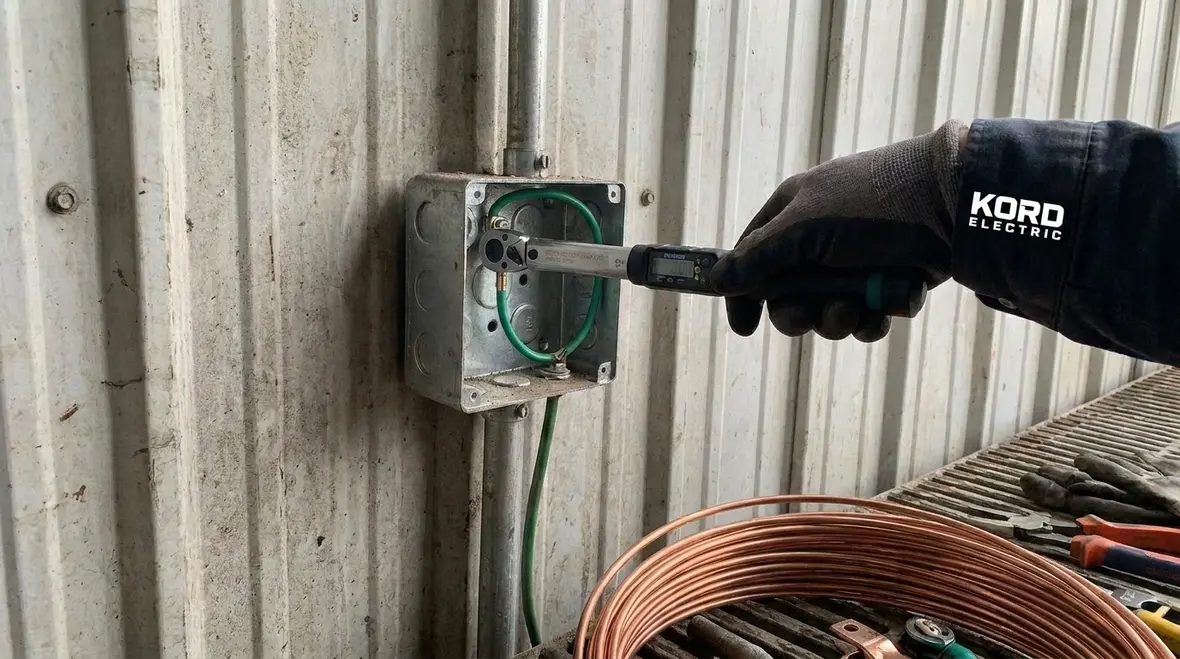
Grounding and bonding are not optional details. In commercial and industrial settings, correct grounding helps protect people and keeps equipment stable. We verify grounding electrode connections, ensure metal enclosures bond properly, and check that bonding matches the system design. When we install a subpanel, we treat the grounding scheme as part of the whole building system, not a patch on the side.
We also plan for surge events. Many facilities face power quality issues from switching loads, motor starts, and even utility events. So we evaluate whether surge protection belongs at the subpanel level based on the equipment served. This is not a guess. We consider the sensitivity of the connected loads and the building’s power profile.
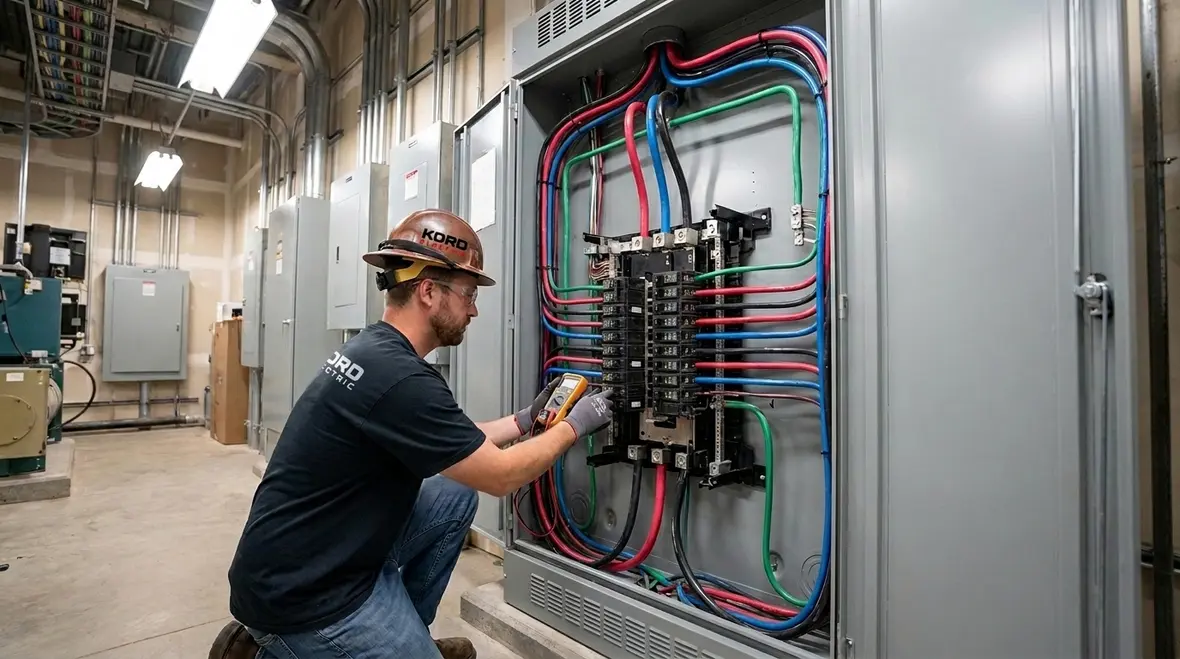
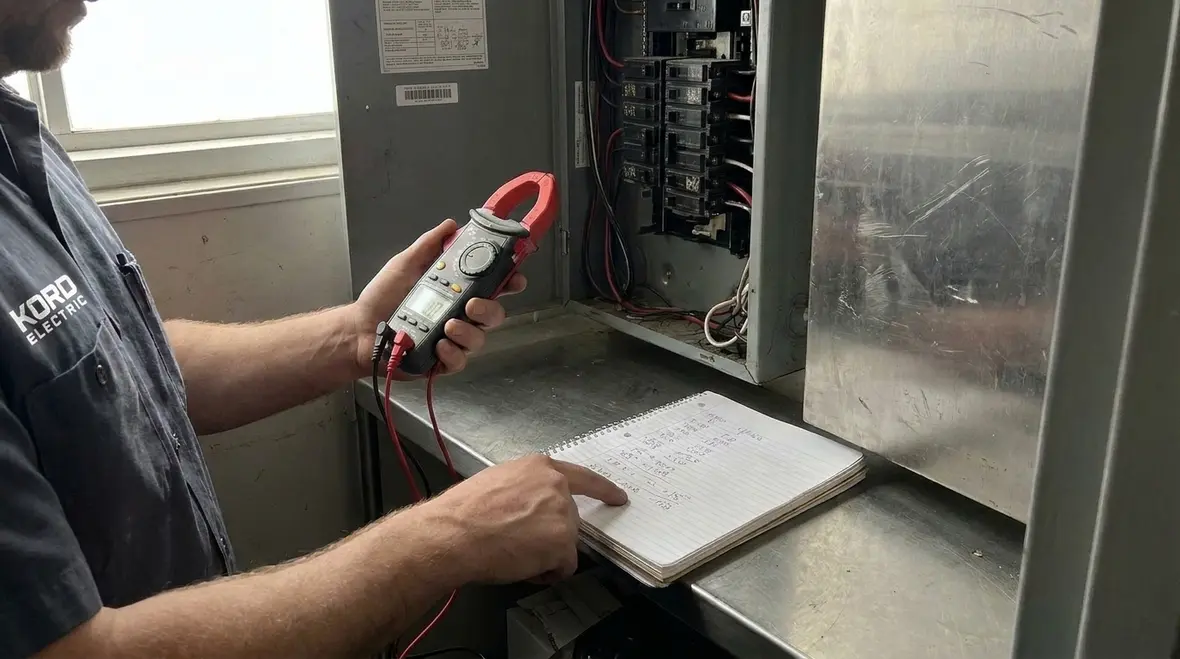
Then, we test and verify. Our technicians confirm continuity where appropriate and ensure terminations are secure. In a clean installation, nothing feels like a last minute fix. It feels like it was built to last, because it was.
Code compliant installation steps we follow on site
When you want a reliable electrical outcome, the steps matter. Our crew follows a disciplined process that supports safety and inspection readiness. First, we confirm the mounting location and ensure the enclosure sits properly and securely. Then we verify working clearances around the panel so service personnel can operate it safely.
Next, we bring in conductors with proper size and insulation type. We follow termination standards and ensure conductors land firmly at breakers and bus connections. We also manage cable types and fittings based on the environment. In commercial spaces, you might have humidity, dust, temperature swings, or areas that require extra protection. So we match the materials to the real conditions.
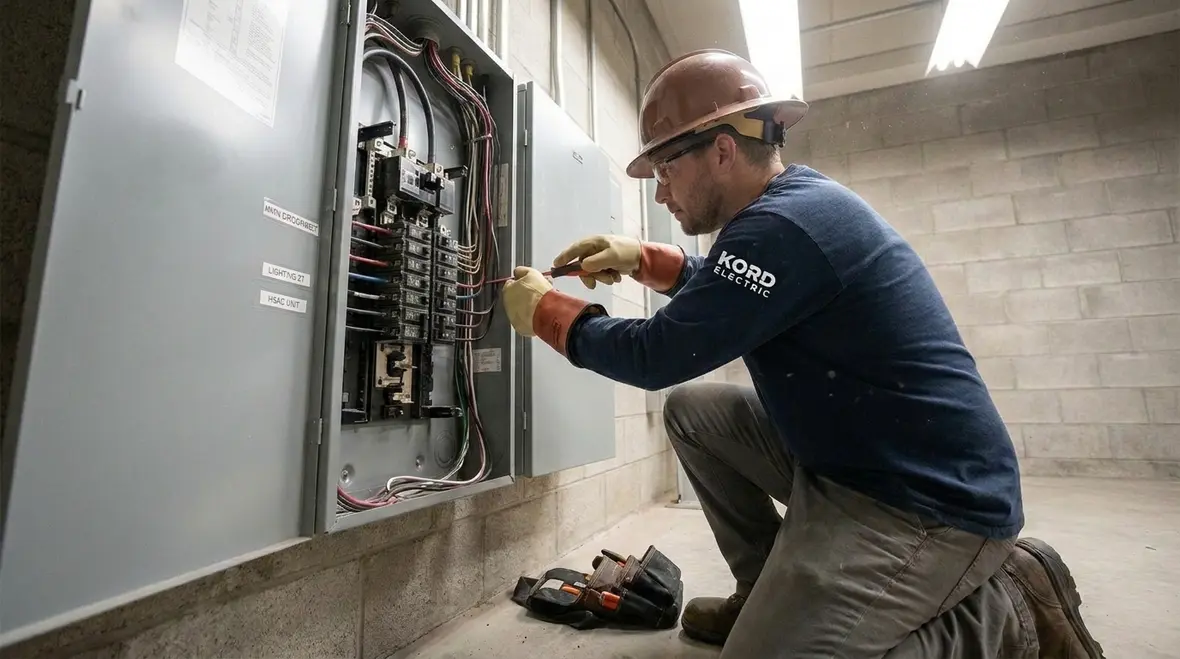
After we wire the circuits, we label everything clearly. Then we perform checks before energizing. We verify conductor identification, check for correct polarity where required, and confirm torque on terminations. Finally, we energize and test the breakers and feeders to confirm the system behaves as designed.
Our service staff also explains the results in plain language. So you know what was installed, what each breaker serves, and what to watch for later. If you have ever tried to decipher an electrical diagram like it was written in ancient Greek, you will appreciate how we handle this.
Using Kord Electric panel design guidance for faster, cleaner results
Our team works from practical panel design guidance and installation standards. If you want a look at the way we think about electrical panels, we keep helpful details in our resource pages, including our dedicated electric panels service page. We use those principles to support commercial project planning, reduce rework, and keep upgrades aligned with how buildings grow.
For example, we focus on selecting the right panel type for the application and ensuring the system stays serviceable over time. Also, we coordinate the panel’s internal layout with the external circuit plan so the workflow remains clean. This approach helps our technicians avoid the “install first, fix later” trap. That trap has a way of showing up right when your maintenance window ends.
Additionally, we build documentation during and after the installation. As a result, your facility records stay organized and future upgrades get easier. We also help property teams understand what changes mean for load capacity and circuit mapping. That way, the next renovation does not start with guesswork.
Maintenance, future expansion, and how to prevent repeat problems
Once the subpanel is in, the work does not stop. We recommend a maintenance approach that matches commercial operations. That means periodic inspections, breaker checks where appropriate, and cleaning or visual review of enclosures to catch early issues like loose terminations or signs of overheating.
We also encourage good operational habits. For instance, facilities should avoid repeated tripping by adding loads beyond design limits without evaluating capacity. When a breaker trips again and again, it is not a “mood.” It signals a mismatch that should be fixed at the load level or wiring level.
When future expansion arrives, we help property managers plan upgrades without tearing apart what already works. We look at spare spaces, bus capacity, and conductor availability. Then we design an upgrade plan that keeps the facility running and maintains code compliant configuration.
And yes, we keep humor nearby. Electrical problems can stress a team, so we keep things calm. Our technicians explain the “why” behind recommendations, not just the “what.” When a building owner understands the system, fewer surprises show up later. That is the kind of peace of mind you can measure.
FAQ
Call Kord Electric when your facility needs a real subpanel plan
If your commercial or industrial facility needs a safe, code compliant subpanel upgrade, do not leave it to guesswork. At Kord Electric, our technicians plan the load, install with disciplined steps, and verify performance before the lights and equipment run. Then our expert service staff explains what was done and how it supports your operations now and later. Contact us to schedule a site assessment and get a clean, professional electrical result your building can rely on. Because downtime is expensive, and surprises are not a strategy.
If you are coordinating panel work as part of a bigger reliability strategy, you can also connect subpanel planning with our broader Los Angeles County electrical services for commercial and industrial properties, so distribution upgrades, troubleshooting, and future projects all share the same roadmap instead of being scattered across vendors.
For property teams that want their Commercial Electrical Subpanel Installation: Requirements & Best Practices aligned with long term safety and performance, our technicians can also coordinate with services outlined on our electric panels page and related commercial offerings, so inspections, maintenance, and future capacity planning stay connected instead of starting from scratch every time a new project appears.