EV Charging for Commercial Properties: Electrical Requirements & Planning
EV Charging for Commercial Properties: Electrical Requirements & Planning can feel like one of those “easy on paper” projects, right up until the billing department asks where the power comes from. At Kord Electric, we focus only on commercial and industrial facilities and major property buildings, because those sites carry real load, real schedules, and real expectations. So when we plan EV charging, we do it the way serious operators do: with measurements, electrical design, code requirements, and a clear path from permit to first charge. Meanwhile, our expert technicians explain the process in plain language, so teams understand what is happening, what it costs, and what it protects.
Why commercial sites need a different EV charging plan
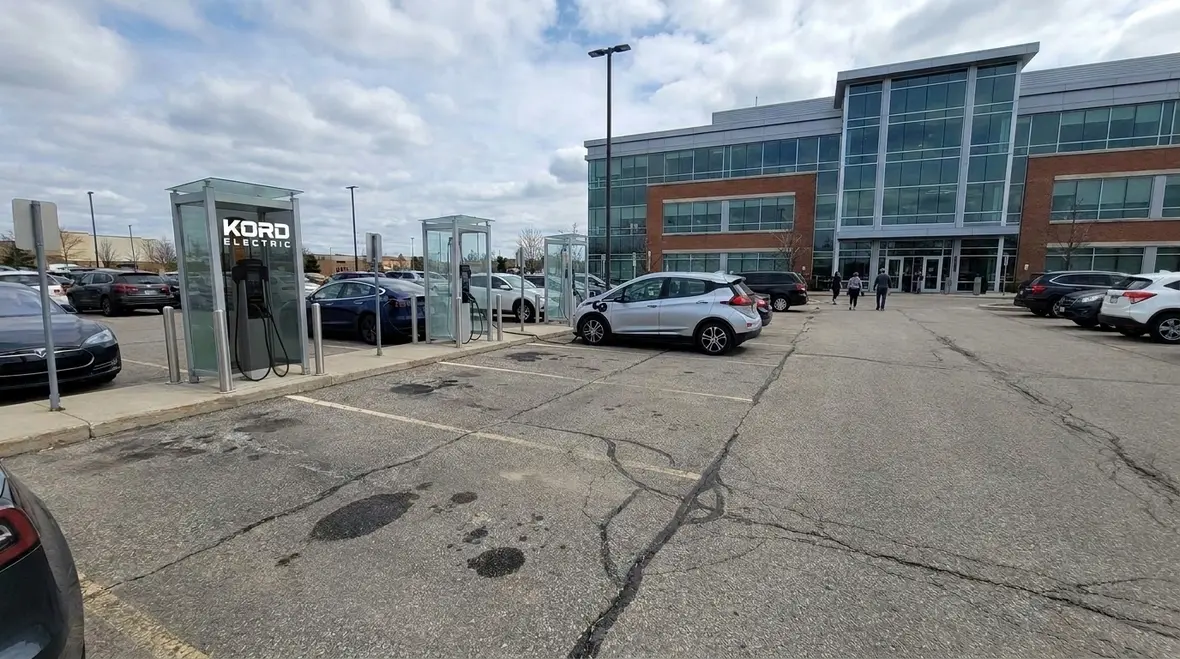
Third person readers often assume public charging is “one solution fits all.” However, commercial property power systems rarely act that way. A retail plaza, a warehouse, or an office complex can have multiple demand peaks, existing switchgear limits, and tenant meter setups that affect how charging loads should be handled. Therefore, we build EV Charging for Commercial Properties: Electrical Requirements & Planning around your site realities, not generic brochure math. And yes, it must work on a Tuesday at 2:00 PM, not only in the ideal conditions of a product photo.
Additionally, these sites serve fleets, staff, and sometimes customer vehicles. That mix changes the charging schedule, which then changes the electrical design. As a result, the best systems balance performance and load management so your operation keeps running. Kord Electric keeps an eye on long term capacity, so you are not forced into a painful redo when the next group of vehicles shows up.
For property teams who want a deeper dive into how scalable design plays out over multiple phases, Kord Electric’s Commercial EV Charging Planning Guide: Scaling Infrastructure With Confidence connects day one decisions with what your charging network needs three expansions from now.
Electrical requirements and load demand we design around
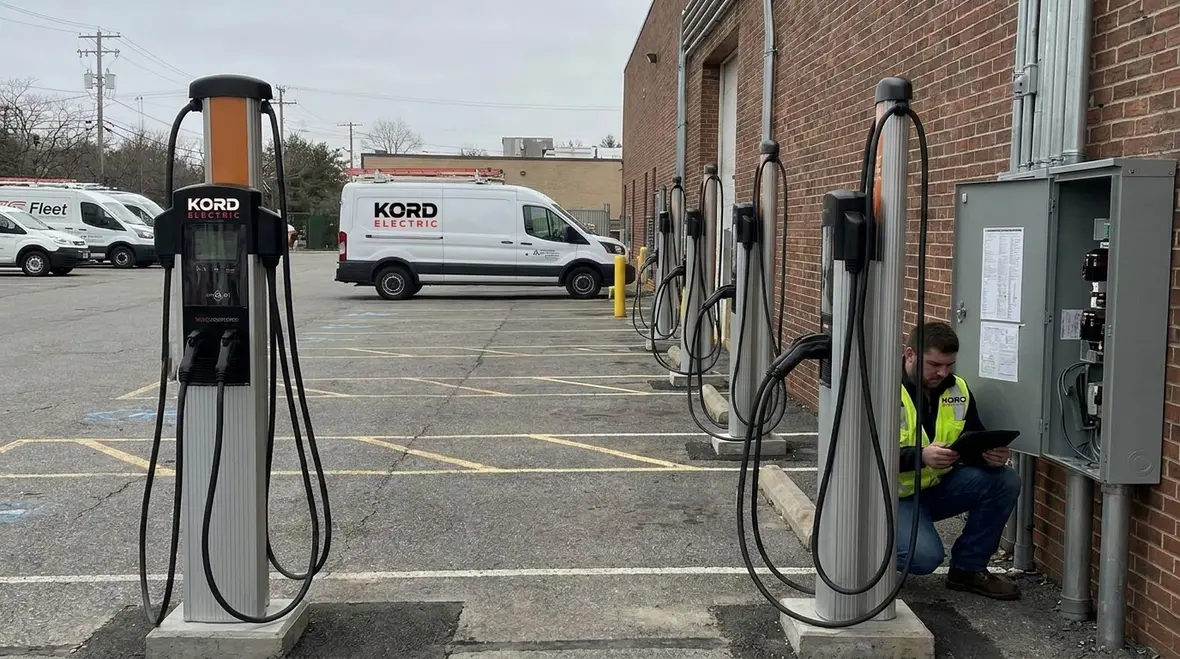
In the EV Charging for Commercial Properties: Electrical Requirements & Planning phase, we start with power availability and determine what your electrical system can support. That includes your main service capacity, feeder ratings, panel capacity, and whether you need new distribution equipment. Then we review demand patterns, because charging behavior can spike fast. For example, if a fleet returns at the same time every shift, chargers will attempt to draw current simultaneously unless the system uses load controls.
Next, we look at grounding, conductor sizing, overcurrent protection, and voltage drop. These details matter because the wrong conductor size can create overheating risks. Likewise, improper protection coordination can lead to nuisance trips that frustrate drivers and operations. Our technicians explain each requirement during commissioning, so the facility team understands why the design looks the way it does, and what safeguards it provides.
Finally, we confirm the intended charging levels. Some commercial setups need fast charging for turnaround times. Others prioritize dependable Level 2 charging for daily use. Either approach requires a careful electrical plan, which is why Kord Electric takes a structured approach rather than rushing toward equipment selection.
Translating load studies into practical decisions
Once we understand your load profile, we turn that data into real world choices: how many chargers make sense today, what power levels they should run at, how to structure load management, and whether to reserve capacity for future vehicles or tenants. In many commercial properties, that load modeling also ties into broader electrical infrastructure upgrade planning, so charging does not compete with critical equipment for capacity.
How we plan site layout, conduit routes, and charging access
Even strong electrical design can fail if the site layout does not support real driving and safe cable handling. Therefore, we map parking flow, stall locations, and vehicle sight lines. We also plan access for maintenance so a technician can reach chargers without blocking operations. Since commercial sites often run with tight turnarounds, we design routes that minimize disruption and reduce rerouting later.
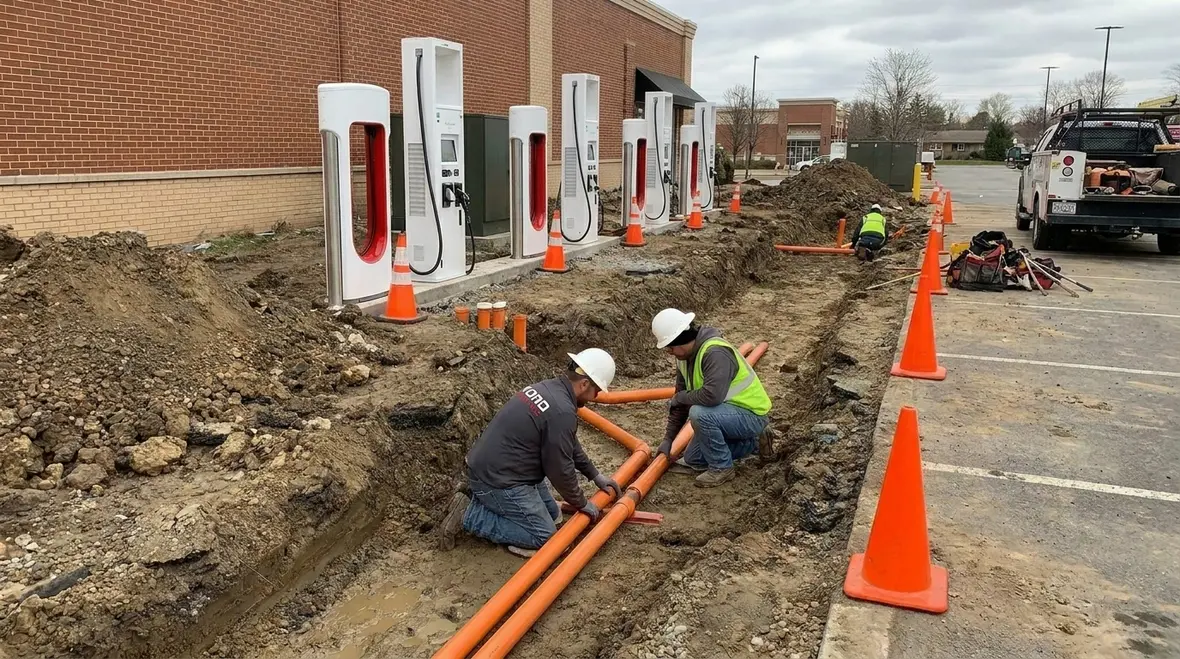
We also consider conduit routing and infrastructure depth, including what the paving and foundations allow. If the facility has existing utilities, we avoid conflicts and confirm clearances. Then we think about installation sequencing: trenching, rough in, pulling conductors, mounting hardware, and finishing. Our service team coordinates these steps so the project stays aligned with facility operations and downtime limits.
And yes, cable management matters. A “good enough” installation may look fine on day one, but it tends to deteriorate under weather, vehicles, and routine traffic. Kord Electric plans for durability from the start, because commercial property owners prefer stability over surprise repairs.
Designing access that works on busy days
A solid EV charging layout also respects how your busiest days feel on the ground. We keep emergency routes clear, avoid backing maneuvers that cause delays, and place chargers where drivers do not have to improvise their own parking patterns. That practical thinking makes EV charging feel like part of the property, not an awkward add on that only works when the lot is empty.
Matching charging systems to fleet needs and operating schedules
Commercial charging success often comes down to timing and policy, not just hardware. We help operators decide how many chargers to install, what power levels to use, and how charging should behave during peak times. For example, fleet managers might want a predictable amount of energy ready by shift start. Meanwhile, property managers may want to keep demand charges under control.
So we evaluate whether your operation benefits from smart load management. Load sharing helps multiple chargers coordinate their output, which can reduce the need for oversized electrical upgrades. Additionally, we consider user management, such as access control and driver authentication, so the right vehicles get the right charging schedule.
Our experienced technicians also explain the difference between charging reliability and charging speed. High output can be valuable, yet it depends on station uptime, availability, and site power constraints. Therefore, we recommend designs that reflect your day to day schedule, not just maximum theoretical output.
If you are mapping larger fleet transitions, Kord Electric’s Fleet EV Charging Infrastructure California Guide pairs well with this EV Charging for Commercial Properties: Electrical Requirements & Planning framework, especially when multi site schedules and utility constraints enter the picture.
Code, permitting, and documentation our team keeps tight
Commercial and industrial projects live and die by documentation. Kord Electric prepares for permitting by confirming electrical code requirements, reviewing equipment listings, and coordinating with the local authority that grants approval. Then we build commissioning steps that verify the system performs safely under expected conditions.
In practice, this means we document the electrical one line diagram approach, labeling, test results, and configuration details for controls. We also ensure that signage and safety features align with the charging environment. After installation, we walk through operational checks with facility staff, because an informed team reduces call backs.
To be clear, we do not treat EV charging like a weekend hobby. We treat it like part of your building’s electrical life. That mindset protects drivers, protects your electrical infrastructure, and protects your operational budget.
Keeping commercial EV projects inspection ready
Because commercial EV projects often involve multiple permits, plan checks, and inspections, we keep the documentation package aligned from early design through commissioning. That includes updates when field conditions change, so your records match the system that actually goes into the ground.
Budget planning and phasing without breaking the facility
Most commercial property upgrades happen in phases, because construction timing and budgets rarely line up perfectly. That is where our planning helps. We review current capacity and future growth, so you can expand charging later without tearing up the same areas again. We also estimate costs tied to electrical upgrades, trenching, equipment, and controls so leadership can plan with real numbers instead of hopeful guesses.
Additionally, phasing can reduce risk. We can start with a set of core chargers that match your immediate fleet needs, then expand once usage patterns show what the site truly demands. Meanwhile, load management can keep peak draw under better control as you add units. In other words, we build a plan that evolves, instead of a plan that traps you.
And if anyone tells you this is simple, they probably do not own a warehouse with a strict shipping schedule. Charging projects do not run on vibes. They run on design, documentation, and careful coordination.
If you want to pressure test your numbers further, our Commercial EV Charging Installation Cost Guide lays out how power, civil work, and hardware decisions turn into actual budget ranges for commercial properties.
Dual focus matters: service, uptime, and support after install
Installing chargers is only half the story. Commercial operators need uptime, predictable maintenance, and responsive service. Kord Electric keeps expert service staff engaged after the work is complete, because equipment should not become an orphan the moment the ribbon gets cut. Our technicians explain basic monitoring and operational expectations to facility teams, so staff know what normal behavior looks like and when to call for help.
We also address safety and operational continuity. That means inspections follow proper checklists, and we help operators understand how to handle incidents, power interruptions, or unusual charge patterns. Moreover, good support protects the investment you made in EV Charging for Commercial Properties: Electrical Requirements & Planning and the electrical upgrades that power them.
Think of it as the difference between a one time delivery and a service agreement that sticks around like a responsible adult at a party. No surprises. No mystery boxes. Just support.
FAQ
Ready to plan commercial EV charging that actually works
Kord Electric helps commercial and industrial facilities plan charging systems that fit their electrical capacity, site layout, and operating schedules. We design the infrastructure carefully, coordinate the details, and support you after installation with expert technicians who explain the system in plain terms. If you want EV charging that performs on real days, not just in demos, contact Kord Electric to discuss your site and next steps.
For properties across the region that want a partner who already understands high demand facilities, our Los Angeles County commercial electrical services team integrates EV charging plans with the rest of your building systems, so upgrades feel coordinated instead of piecemeal.
If your long term roadmap includes broader EV infrastructure, you can also review Kord Electric’s EV Charging Infrastructure Planning for Commercial Growth to see how phased build outs, load management, and business priorities come together across multiple projects.