Commercial EV Charging Installation Cost Guide
Planning Your Business EV Charging Infrastructure: A Cost Guide for Commercial Sites
Why Commercial EV Charging Costs Start With Power, Not Hardware
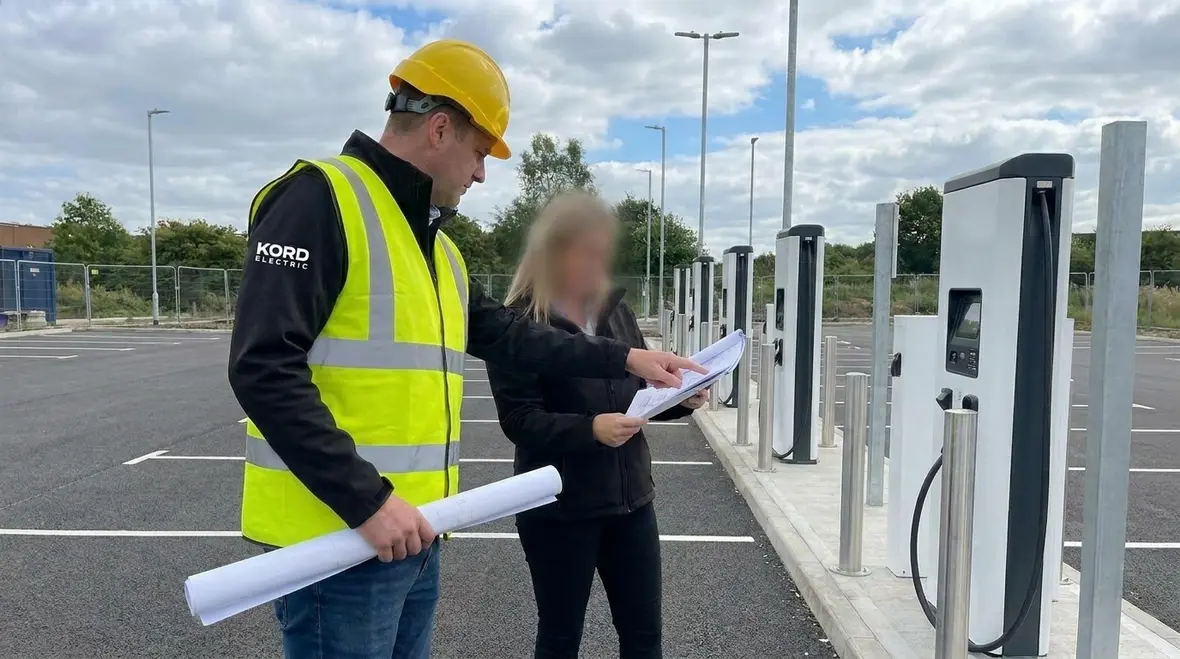
At Kord Electric, we see the same question come in early, usually before the permits and definitely before the cable runs get exciting. Owners want to know the commercial electric vehicle charging station installation costs, and they want a clear range they can plan around. For many businesses and industrial facilities, those costs depend on site power, charger type, and how many ports they want to add now versus later. And yes, the paperwork can feel like a long movie sequel where nobody asked for a sequel. Still, when we plan well, the project stays calm, the power stays safe, and drivers show up to charge instead of turning around. Others can guess. We plan, we estimate, and our technicians explain each step so nothing surprises you.
Instead of treating EV charging like a trendy accessory, we treat it like what it really is: a new layer of electrical infrastructure that has to coexist with production equipment, lighting, HVAC, data loads, and everything else that already lives on your panels and switchgear. When that layer is designed intentionally, your project behaves itself. When it is not, you get nuisance trips, overloaded feeders, stalled permits, and frustrated drivers staring at “out of service” screens.
That is why our conversations about budget also include conversations about how your site actually runs. How people park. How trucks move. When shifts change. Where power is easiest to reach. When we line those factors up front, the cost estimates stop feeling like guesses and start feeling like a roadmap.
What Drives Commercial EV Charging Installation Costs At Your Property
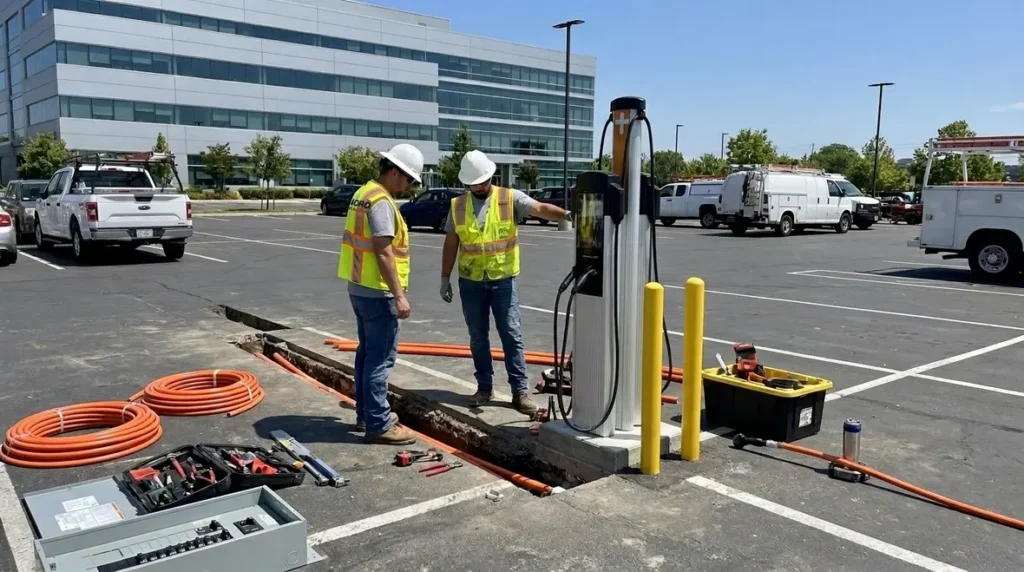
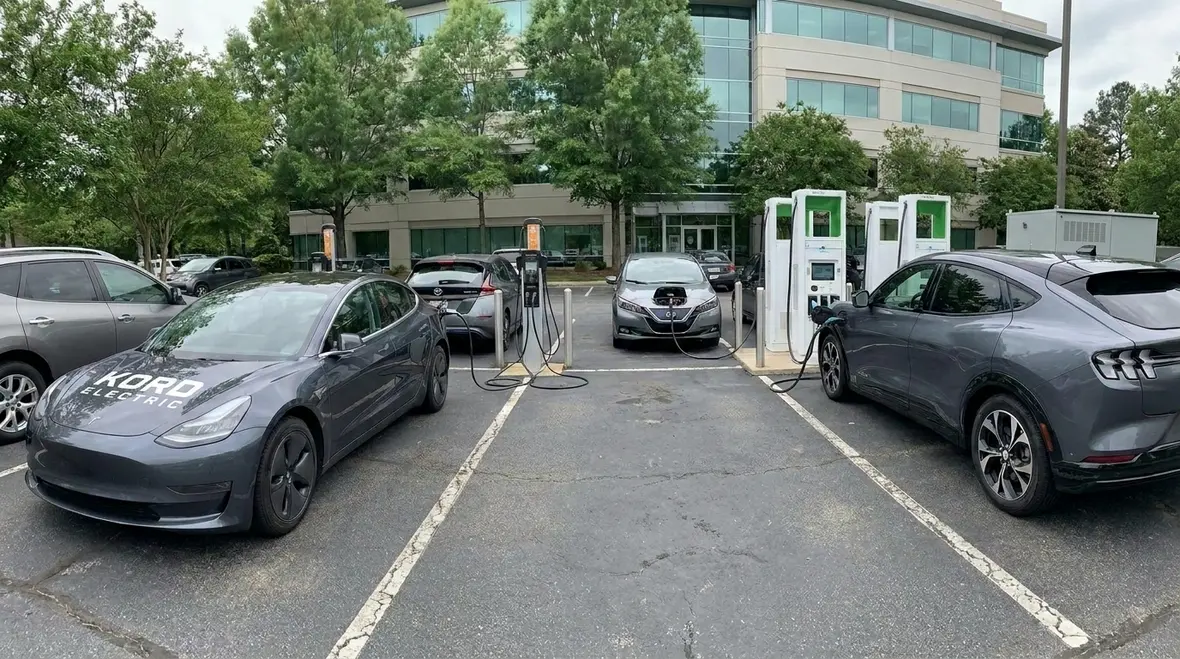
When a business builds EV charging, we do not treat it like a simple plug in and hope situation. First, the facility’s electrical infrastructure sets the ceiling. If your site already has spare capacity, the project moves faster. If not, you may need electrical upgrades, new switchgear, transformer work, or upgraded service. Next, the charger power level matters, because a site that supports faster charging usually needs more electrical support. Then we look at layout and installation conditions: trenching, conduit routing, surface restoration, and how close the chargers sit to the panel or utility feed. Finally, we consider timing and phasing, because adding chargers in stages often costs less than rushing a full build all at once.
Here is how our team thinks in plain terms. We map the power path, confirm the loads, and we forecast charging behavior for staff, visitors, fleets, and deliveries. Then we estimate the right build for your site type, from warehouses and truck yards to office campuses and multi tenant buildings. We aim to avoid two expensive mistakes: under sizing the power and over building before you know your demand.
The result is a plan that fits your risk tolerance and budget. Some facilities want to minimize upfront spend and grow slowly. Others want to lead the market with robust, future-ready charging from day one. Either way, the real number you care about is not just the installed cost per charger; it is the cost of getting the right amount of reliable charging without constant rework.
Electrical Capacity And Site Design That Actually Keep The Lights On
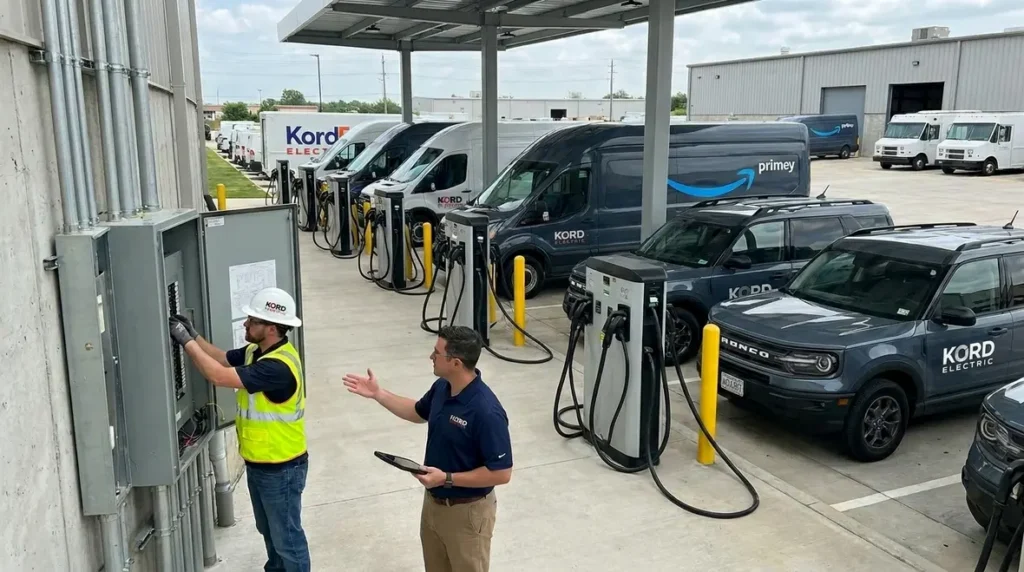
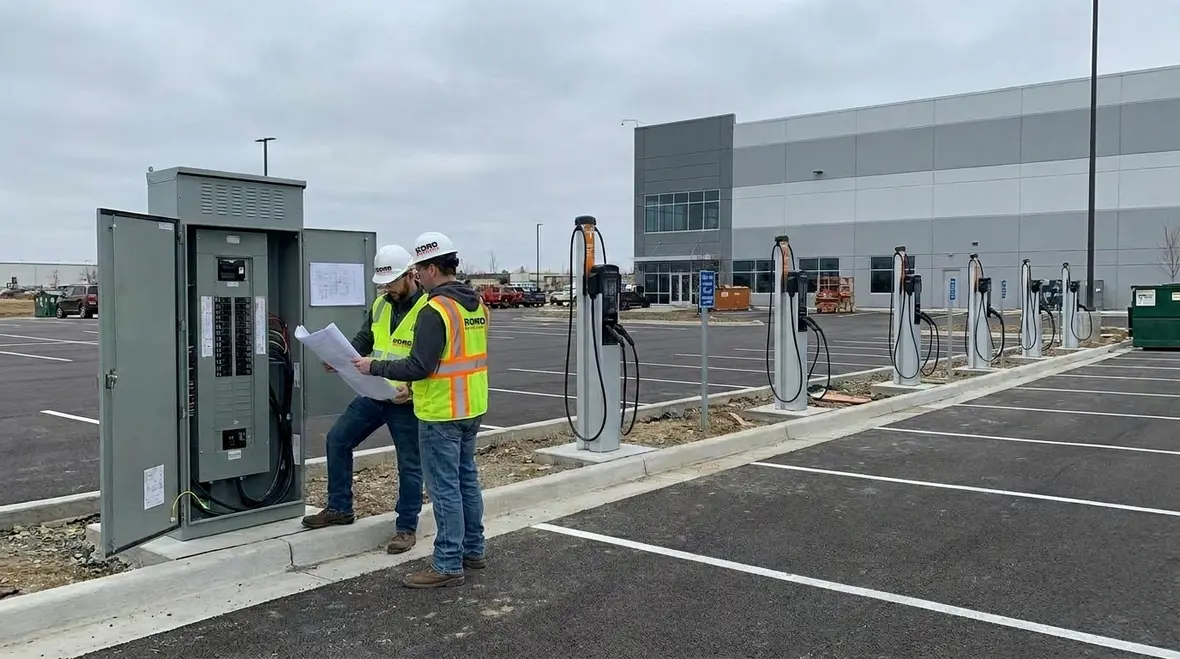
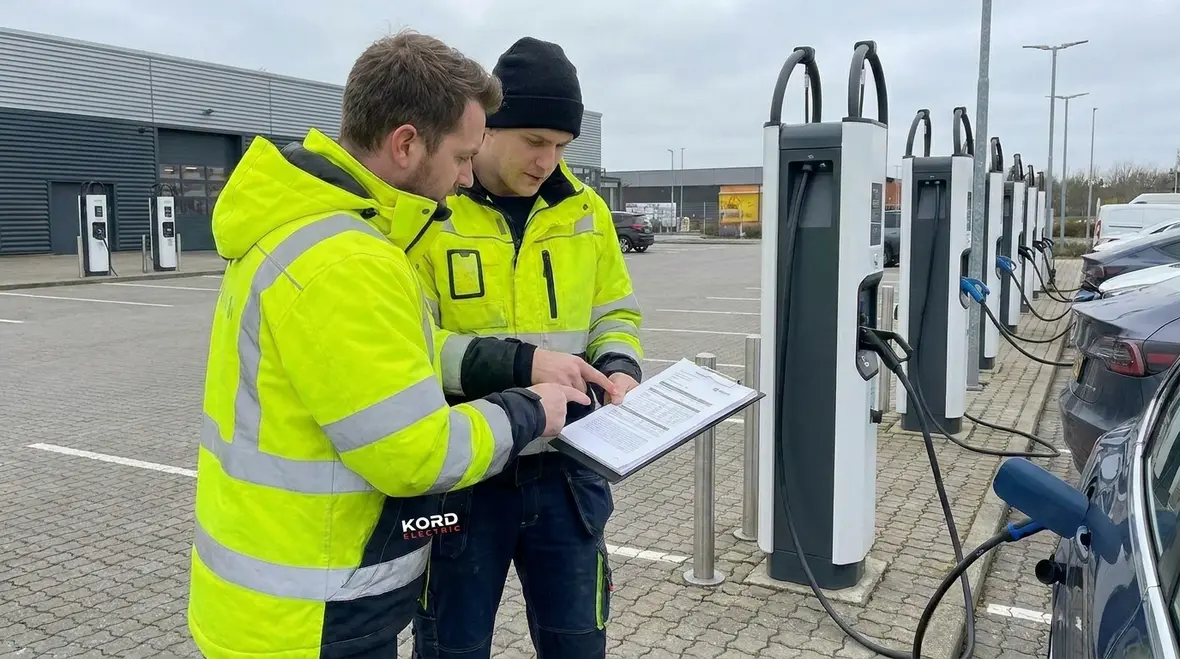
Most cost surprises come from the electrical side, not the chargers. So, we start with a real power evaluation. Our expert service staff typically reviews utility service size, available capacity, existing panels, and demand loads from HVAC, lighting, production equipment, and charging itself. After that, we plan the charger layout. We choose locations that reduce conduit length, control voltage drop, and keep cables safe where vehicles and equipment operate.
Also, we think about how power flows over time. If you run a facility with shift changes, peak loads may happen right when employees charge. If you own a fleet, charging may spike right after returns. Therefore, we often recommend load management options. These features help the system share power intelligently, so the site does not exceed its limits. That approach can reduce the need for bigger electrical upgrades. In our world, managing power is like herding cats, but with fewer scratches and more compliance.
When you want a full build, we also coordinate grounding, surge protection, and safe mounting practices. We do it methodically because commercial properties deserve work that lasts. We also document the plan so your maintenance team can understand it later. It is the same disciplined mindset we bring to broader infrastructure work like voltage correction and voltage fluctuation repairs for commercial and industrial facilities, where small missteps can lead to expensive downtime.
If your site has complex operations, we may also layer in submetering or monitoring so you can see what charging actually does to your demand profile. That data helps you refine policies, pricing, and future expansion instead of guessing in the dark.
Charger Types For Businesses: Level 2, DC Fast, And Mixed Deployments
Business sites rarely need only one solution. Some properties want Level 2 for employee parking and daily charging. Others need DC fast charging for fleet turnover, customer usage, and route operations. Mixed deployments usually deliver better coverage, but they also require careful power planning.
Level 2 chargers often make sense when drivers plug in for longer sessions. They install more easily in many cases, because they fit within typical facility power more often. DC fast charging can help with quick turnaround, yet it usually increases electrical demand and site design complexity. Therefore, the best choice depends on how long vehicles stay, how often they arrive, and how many chargers you want available at peak.
In practice, we help others decide by building a demand model with your operations in mind. Then we align charger selection with your goals. If your priority is predictable employee use, we plan for that. If you run a logistics center, we prioritize fleet schedules. If you manage a major property building, we design for tenant and visitor flow. In short, we do not sell chargers, we build charging infrastructure that fits real operations.
We also pay attention to how your EV charging project interacts with other upgrades you might be planning. For example, if you are already considering lighting installation services for large-scale facilities, it often makes sense to coordinate both scopes so panel schedules, conduit pathways, and future capacity work together instead of competing.
Permits, Code Compliance, And Why They Affect Your Timeline
Permits and code compliance cost money, but skipping them costs more. We guide commercial and industrial facilities through the approval steps without turning the process into a mystery novel. The specific requirements vary by location, but typically include electrical permits, site plan review, and inspections related to wiring methods and grounding. We also consider conduit types, installation clearances, and signage needs depending on the charger and site setup.
Our expert service staff explains what gets submitted and why. That matters because facility managers often want to know what can slow down installation. For example, a power upgrade may require utility coordination, and that can affect scheduling. Meanwhile, trenching and surface work can depend on access timing and site rules. So, we plan the sequence up front and we set expectations early. If you want a smoother ride, that is how you get it.
We also reduce risk by preparing the job so inspections do not become guesswork. When the work matches the approved plan, approval happens faster. That same philosophy powers our dedicated EV charger installation services for commercial and industrial properties, where code compliance, documentation, and clean workmanship are non negotiable.
In many jurisdictions, early conversations with the authority having jurisdiction (AHJ) and the serving utility can clarify requirements that directly impact your budget, such as mandated fault current levels, required protection devices, accessibility rules, or parking layout constraints. Building those details into the estimate keeps surprises off the table.
Cost Breakdown: What Typically Changes, What Stays Steady
Every site has its own story, but commercial electric vehicle charging station installation costs usually follow a few consistent categories. First, hardware includes chargers, pedestals or mounting bases, and any required networking or access control components. Second, electrical work includes labor and materials for wiring, conduit, breakers, transformers or switchgear upgrades if needed, and safety devices. Third, civil scope includes trenching, cable protection, backfill, and surface restoration. Fourth, engineering and documentation cover load calculations, site design, and permitting support. Finally, commissioning and testing confirm safe operation and correct communication for the system.
Then we identify what shifts the total. If a site needs a new transformer or service upgrade, the budget changes more than anything else. Similarly, long conduit runs or difficult access conditions can raise civil costs. Conversely, if your facility already has capacity and simple routing, the project can cost less while still meeting quality standards. We also consider whether the installation needs to match an existing site aesthetic or meet strict operational constraints.
To support planning, Kord Electric also publishes guidance on EV charger installation through our process overview. Our team uses that kind of structured approach so others understand the path from assessment to final install, including what the site needs before work begins.
For clarity, we often provide a phased plan. That means you can install the first set of chargers for current demand, then expand later with less wasted work. Conduit banks, spare capacity, and panel space can be reserved during phase one so future additions do not require digging up the same parking lot twice.
Budgeting Strategy That Protects Margins And Avoids Rushed Installs
Here is where many businesses lose money. They budget too tightly, then they rush. Rushed work creates change orders, and change orders tend to feel like surprise bills at the end of a road trip. Our approach keeps things steady. We start by setting a baseline for demand, then we align charger count, power level, and electrical upgrades to that baseline. Next, we include a contingency for site unknowns, like hidden utilities or unexpected panel conditions. Then we decide whether you want a quick install or a longer, optimized schedule.
We also help teams plan for future growth. For example, if your fleet expands next year, we can design conduit and power pathways to support later chargers. That can lower future expansion costs. And because commercial properties operate on schedules, we plan installation windows that avoid shutting down critical operations.
When you work with us, our technicians explain the work clearly as we go, not only at the end. Therefore, facilities managers know what is happening, why it matters, and what comes next. That transparency is the same mindset behind our commercial and industrial electrical maintenance plans, where long term reliability is built one clear decision at a time.
From a financial standpoint, the smartest budgets treat EV charging as part of a broader infrastructure roadmap. If you are planning major upgrades such as panel replacements, new production lines, or large HVAC projects, coordinating EV charging with those milestones can reduce overhead and protect margins over the life of the facility.
Frequently Asked Questions About Commercial Charging Installs
Conclusion: Get A Plan And A Cost Range You Can Trust
Planning EV charging for a commercial site does not have to feel like guesswork. At Kord Electric, we help you understand commercial electric vehicle charging station installation costs by mapping your power, designing the right layout, and coordinating the steps from assessment to final install. Our technicians and expert service staff explain each part in plain language, so your team can make confident choices. If you want a clear budget and a charging plan built for real operations, contact Kord Electric today and let us start with a site evaluation.
If your facility is also planning broader upgrades, we can integrate EV charging with services like commercial EV charger installation, emergency electrical services, and long term maintenance so your infrastructure strategy stays coordinated instead of fragmented. The goal is simple: safe, reliable power that keeps drivers, staff, and operations moving without surprises.
When you are ready to move from rough ideas to real numbers, our team is ready to walk the site, review the loads, and give you a cost range that is grounded in how your facility actually works.