
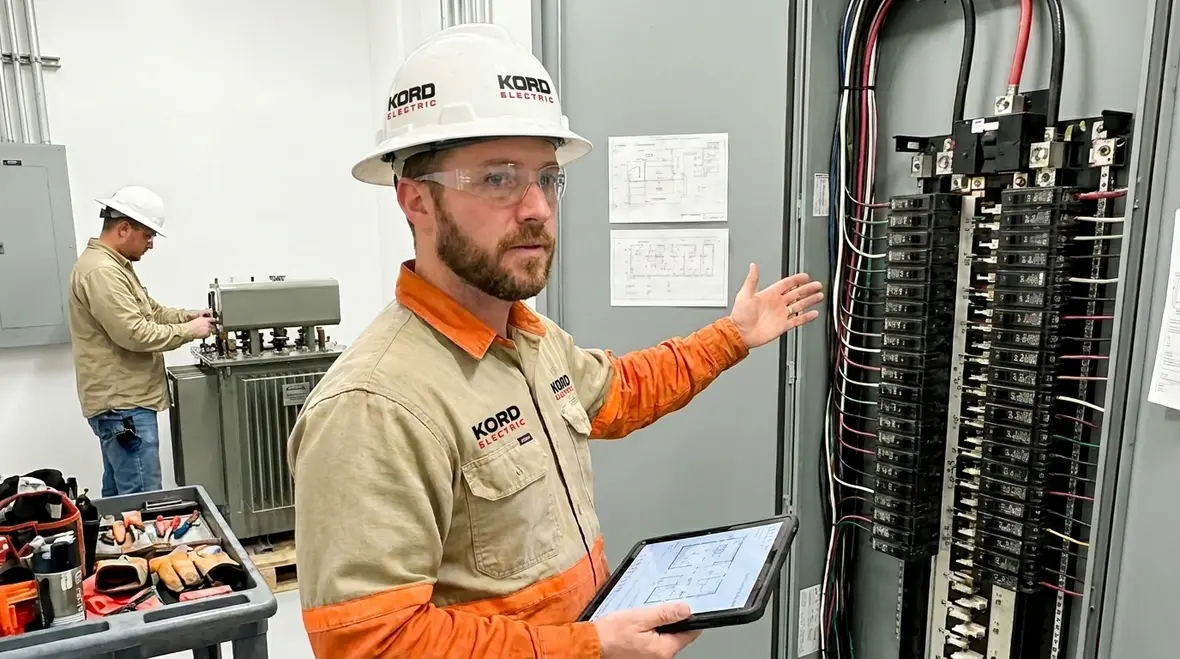
Electrical Infrastructure Upgrade Planning Guide
When a commercial or industrial building starts feeling “a little tired,” the electrical system is often the real culprit, not the paint job or the carpets. That is why Kord Electric begins with our Electrical infrastructure upgrade planning guide, and we follow it like a map through a maze where the exits are worth money. Within the first stage, our team reviews loads, power quality, aging gear, and compliance needs, then we shape a clear path forward for the entire project timeline. Next, we translate the findings into upgrade options that work for tenants, production schedules, and property budgets. And yes, we explain it in plain language, because nobody deserves a surprise outage like it is a pop quiz.
Why commercial electrical upgrades need a plan, not a patch
Others often treat upgrades like a fire drill. They wait for a problem, then they chase it with quick fixes, and the system keeps losing efficiency. In contrast, Kord Electric focuses on strategic planning for commercial electrical infrastructure upgrades, because the electrical backbone affects everything from safety to downtime cost. When planning is weak, the project becomes a chain reaction: one change triggers another, lead times stretch, and the building’s critical loads get treated like background noise.
To keep this from happening, we start by defining what the building must do, and what it must not risk. Then we evaluate distribution, panelboards, switchgear, transformers, grounding, and protection coordination. After that, our technicians build a sequence that respects how the facility runs. That is how we reduce surprises, and it is also how we help others avoid spending twice.
How the Electrical infrastructure upgrade planning guide shapes the roadmap
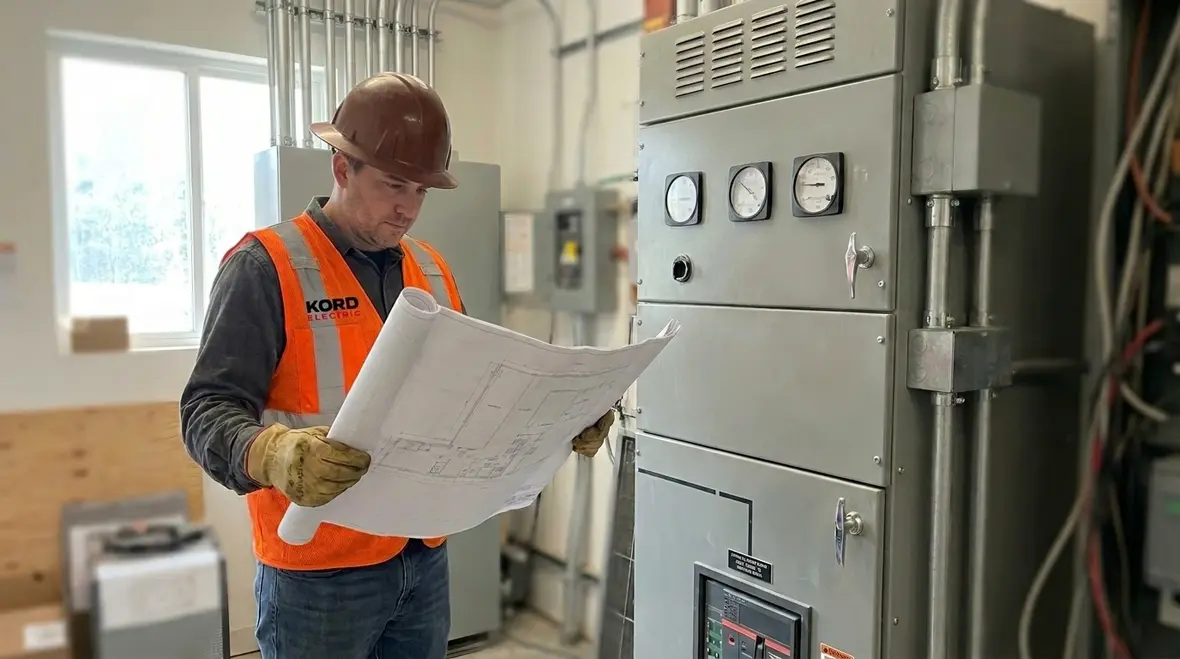
Our Electrical infrastructure upgrade planning guide turns scattered questions into a structured plan. First, we gather baseline data. This includes one line diagrams, equipment ratings, historical alarms, load profiles, and utility information. Next, we assess capacity margins and identify weak links such as overheating, nuisance trips, or poor power factor performance. Then we review safety factors and code requirements that apply to commercial and industrial environments.
After the assessment, we build options with clear tradeoffs. For example, we may propose targeted upgrades to support specific process loads, or we may plan a broader modernization to improve efficiency and reliability across the facility. Meanwhile, we map out outages and switching windows, because shutting down a plant or a major property wing is not a small decision. Finally, we document the plan so decision makers can approve scope with confidence instead of guessing.
For property leaders who also need to understand how rewiring costs fit into the bigger picture, this roadmap pairs well with broader resources such as Kord Electric’s detailed Rewiring Cost Guide for Commercial Electrical Systems, which explains how infrastructure upgrades affect budgets, timelines, and long term value.
Assessing load growth and critical operations without guesswork
Every major property has a “normal,” and then it has the moment things change. New tenants arrive. Production ramps up. Cooling demand spikes. And suddenly the electrical capacity that looked fine on paper becomes stressed in real life. Because of that, Kord Electric evaluates load growth using practical building inputs, not just rough assumptions. We look at peak demand, diversity factors, future expansions, and seasonal variations.
Then we identify critical loads. These include life safety systems, emergency power interfaces, process controls, refrigeration, pumps, elevators, and communications. We determine which systems can tolerate brief transfers and which need continuous performance. As a result, the upgrade plan protects operations during the work.
Our expert service staff also explains how the plan affects the daily routine. They stand in the facility, watch how power is used, and then they translate the details into scheduling choices. So the client understands what gets worked on first and why. That clarity matters more than any glossy brochure, and it keeps the project from becoming a sitcom episode where someone says, “We didn’t think of that.”
Designing for reliability: protection, coordination, and power quality

Reliability is not just “will the lights stay on.” Reliability means faults get cleared safely, breakers trip predictably, and sensitive equipment keeps its rhythm. In the real world, equipment failures rarely show up as a dramatic bang. They show up as repeated trips, damaged motors, overheated components, or equipment that slowly loses performance. Kord Electric designs upgrades to prevent that slow decline.
So we focus on protection and coordination. We verify that protective devices work together across the system, from incoming service to branch circuits. This helps reduce cascading outages, which is like dominoes falling, except the last domino is your entire production line. We also evaluate power quality issues such as harmonics, voltage imbalance, and unstable supply. If those problems exist, our plan addresses them before they damage equipment or create compliance gaps.
Meanwhile, we consider grounding and bonding, because that is a safety foundation. We make sure the system behaves correctly under fault conditions. Our technicians often discuss these concepts with the facility team in plain terms, so the people running the site understand how the upgrade improves both safety and performance. For facilities working to align infrastructure upgrades with standards, this strategy connects naturally to resources like Kord Electric’s NFPA 70B Electrical Panels and Switchgear Maintenance guide, which explains how disciplined maintenance keeps new gear operating the way it was designed.
Scheduling the upgrade: phased work that protects uptime

Most facilities cannot simply shut down while upgrades happen. Therefore, strategic planning includes sequencing and staging. We coordinate work around shift patterns, production cycles, tenant requirements, and critical seasonal loads. To do that, we build a phased plan that reduces risk during each outage window.
For example, we might upgrade downstream sections first, then verify performance, then proceed to the next segment. Or we might use temporary solutions when switching windows must be tight. The goal is to protect uptime while still completing the work with proper testing and documentation.
To keep the schedule realistic, Kord Electric also plans for lead times. Switchgear components, breakers, transformers, and custom parts do not magically appear overnight. We factor procurement timelines into the plan early, so the project does not stall midstream. And when changes come up, our expert staff updates the sequencing so stakeholders stay aligned. That way, the project moves forward instead of drifting like a late Netflix season.
Compliance, documentation, and stakeholder communication
Commercial and industrial upgrades require more than good workmanship. They need compliance support, clean documentation, and clear communication. If paperwork falls behind, closeout delays follow, and then everyone spends the next month chasing signatures. Kord Electric keeps that from happening by managing documentation alongside the work.
We provide structured reporting for key milestones, including findings, proposed scope, and test results. We also support the client in review and planning discussions, especially when multiple parties have input such as property management, facility leadership, and engineering teams. Furthermore, we explain how each change affects safety, capacity, and future flexibility.
Our approach stays practical. Our technicians and expert service staff explain the “why” behind the decisions, and they connect it to the facility’s goals. So stakeholders can approve the upgrade planning guide direction with fewer misunderstandings and fewer second meetings that could have been emails. When code questions come up, many teams also lean on Kord Electric resources such as the National Electrical Code explained for 2026, which demystifies requirements that often shape upgrade decisions.
Smart budgeting: controlling costs across the full project life
Budgets do not end when the invoice arrives. They continue with maintenance needs, energy use, and the cost of downtime. Kord Electric helps commercial and industrial facilities think beyond the immediate price tag. When planning is done well, the facility can avoid repeated repairs, reduce emergency callouts, and improve operating efficiency.
We start by estimating costs in a way that reflects real scope and real risk. Then we prioritize upgrades that deliver the highest impact for reliability and capacity. For some facilities, that may mean investing in distribution modernization first. For others, it may mean addressing power quality or protection coordination to prevent ongoing failures. We also consider energy improvements where they fit, because efficiency supports long term value.
Additionally, we build a plan that supports future expansions. That means fewer costly “rework” moments later when new loads arrive. As a result, the budget stays controlled, and the facility avoids spending today to fix problems that should have been addressed tomorrow. For teams mapping multi year investment strategies, this thinking aligns with planning tools like Kord Electric’s Electrician Cost LOS Guide for Commercial Facilities, which helps leaders understand how labor, materials, and risk all show up on the balance sheet.
FAQ
Ready for a calmer, safer electrical upgrade?
If your facility runs critical operations, you deserve a plan that protects uptime and budgets. Kord Electric brings structure through our Electrical infrastructure upgrade planning guide, and we handle the work with a technician based approach and clear communication. Next, we review your system, map a phased schedule, and design for reliability, coordination, and power quality. Reach out today for a commercial or industrial site assessment, and let us turn electrical stress into predictable performance.
For facilities that want their upgrade roadmap to dovetail with ongoing care, Kord Electric’s dedicated Electrical Preventive Maintenance services keep new infrastructure inspected, tested, and documented. Pairing an Electrical infrastructure upgrade planning guide with preventive maintenance turns a one time project into a long term reliability strategy.


