

Industrial Load Balancing Benefits for Facilities
Industrial energy efficiency starts with how a facility shares power across its loads. At Kord Electric, we help commercial and industrial buildings reduce waste by using industrial load balancing benefits to match available capacity with real demand. Instead of letting one panel run hot while another sits idle, we guide systems that spread electrical stress more evenly. As a result, facilities can lower peak strain, improve power quality, and avoid costly upgrades that show up like surprise plot twists. And yes, our technicians explain it clearly, because we would rather you know what is happening than guess like you are buffering a video.
What is industrial load balancing for facilities?
In simple terms, industrial load balancing helps a building distribute electrical load across phases and circuits in a controlled way. Many commercial and industrial facilities have equipment that turns on and off throughout the day. Think motors, HVAC fans, compressors, process lines, and charging systems. When these loads are not coordinated, you can end up with uneven phase currents, voltage dips, and extra stress on breakers and wiring. Over time, that unevenness can shorten equipment life and raise maintenance costs.
So, we do not just “balance numbers.” We align electrical behavior with how the facility actually runs. Then we tune the system so demand shifts are handled smoothly. Industrial load balancing benefits show up when the power system stays stable under changing load. That stability matters because a facility is not a static lab. It is a living operation, and it rarely follows a polite schedule.
Why load shifts push energy costs higher
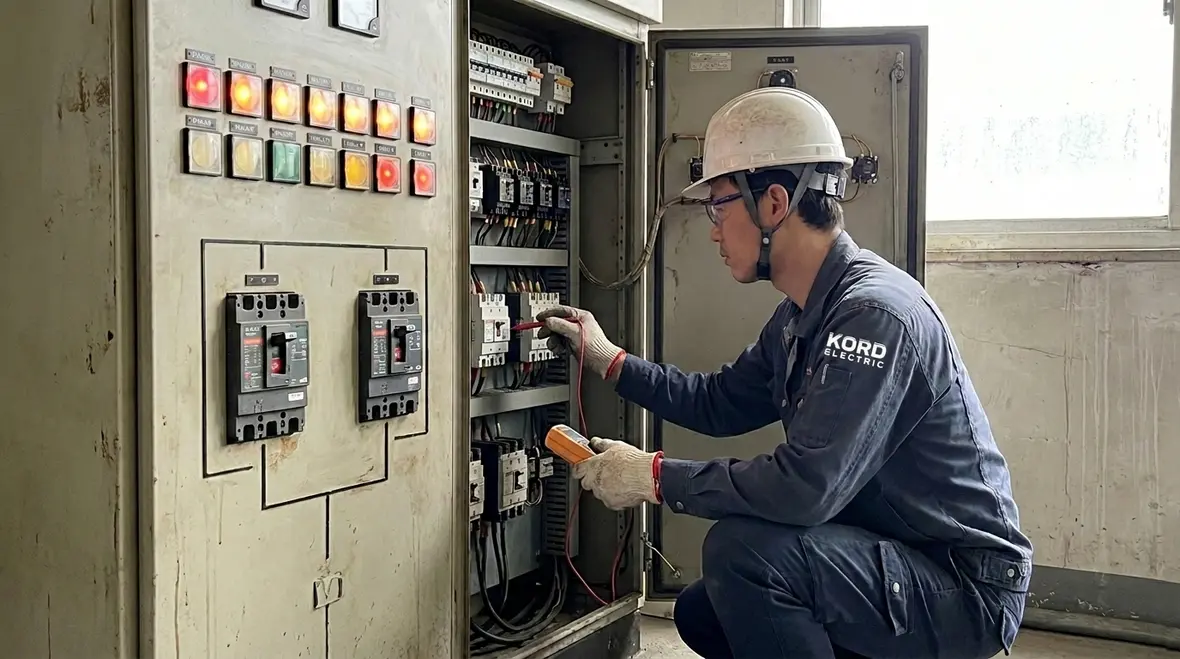
Energy waste often hides in the moments nobody watches. For example, a process line might ramp up at the same time as a large motor start. Meanwhile, another area might be running light or not at all. This mismatch can drive higher peak demand, which many utilities charge at premium rates. At the same time, poor load balance can increase losses inside cables and distribution equipment.
Moreover, the facility may experience power quality problems that trigger protection trips or derating. Then operations slow down, and the “real cost” becomes downtime. Naturally, nobody wants to pause a production schedule because the electrical system got moody. Yet that is exactly what can happen when the load profile changes faster than the electrical distribution can handle.
Because our team serves commercial and industrial facilities and major property buildings, we focus on how equipment cycles across shifts. We evaluate not just average usage, but the shape of usage. In other words, we look at what the power system does during the tough moments.
How Kord Electric designs balanced power systems
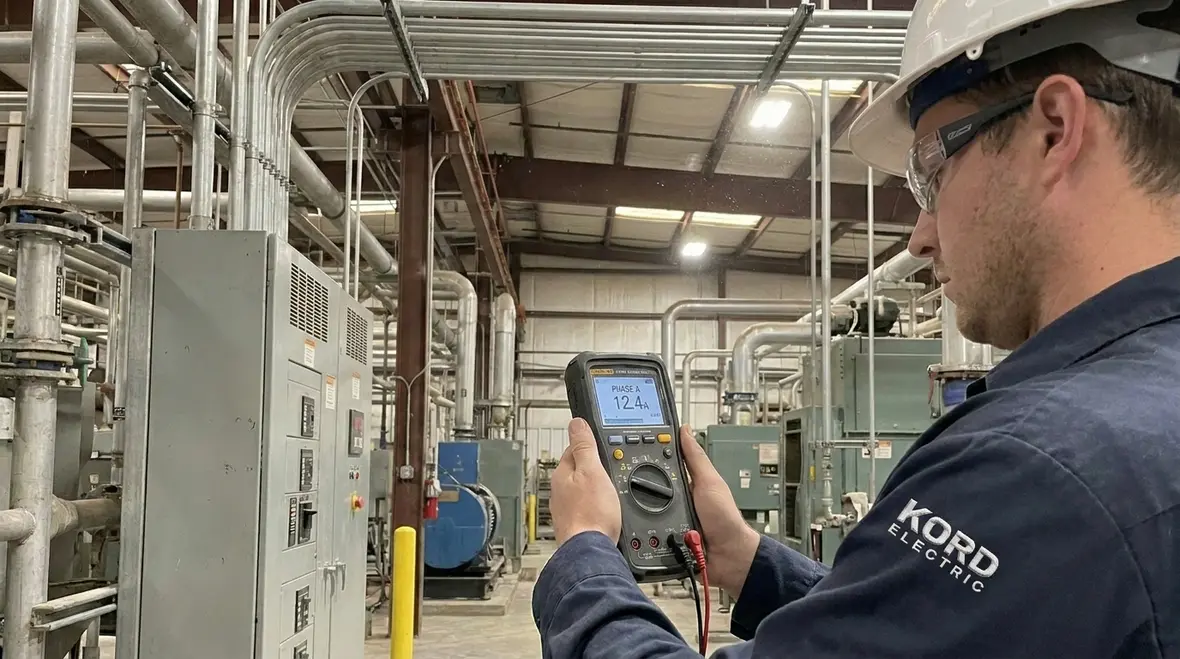
Kord Electric approaches load balancing like a practical engineering problem, not a mystery. First, we gather details about the building’s electrical one line, panel schedule, and known load types. Then we review operating patterns, including start times, duty cycles, and any seasonal changes. Next, we assess where the load imbalance shows up, such as feeder circuits, transformer loading, or phase loading.
After that groundwork, we recommend a configuration that supports steady distribution. We help facilities with control strategies that manage how loads are grouped and served. We also look at protective coordination so the system responds correctly when conditions change. Importantly, we plan for future growth, because many major property buildings do not stay the same forever.
Our technicians and expert service staff explain the plan in clear terms. They walk the decision line between what is needed today and what avoids trouble later. If the system requires upgrades, we show the path step by step. If it does not, we say so. Our goal is simple: improve energy efficiency without forcing the facility to guess.
For facilities facing broader reliability questions, load balancing can also connect directly with preventive efforts such as electrical preventive maintenance programs. When the same team evaluates balance, equipment condition, and long-term maintenance in one plan, facilities get a more complete picture instead of scattered reports.
What energy efficiency gains can facilities expect?

When an industrial facility improves load balance and matching, several efficiency benefits tend to follow. First, the electrical system runs closer to its intended operating range. That reduces stress on transformers, switchgear, and conductors. Second, it helps lower losses that occur when current spreads unevenly across phases. Over time, that translates into less wasted energy.
Third, better coordination can reduce peak demand spikes. When loads distribute more evenly, the facility experiences fewer sudden surges that push the utility rate into the higher brackets. In many cases, that means more predictable monthly costs. Think of it like leveling out the roller coaster, so the ride is still fun, but nobody gets thrown into the safety fence.
Additionally, facilities may see improved power quality. That can help sensitive equipment operate more consistently. Then the electrical system becomes a dependable partner instead of a chaotic coworker who keeps changing the rules mid-meeting.
Of course, every building has its own electrical story. Therefore, we measure and confirm performance targets. We aim for results that match the facility’s reality, not a generic brochure promise. For some sites, that includes tying industrial load balancing benefits into broader power quality improvements and even voltage stability work that looks a lot like our voltage fluctuation repair services.
Phased load balancing methods that work in real buildings
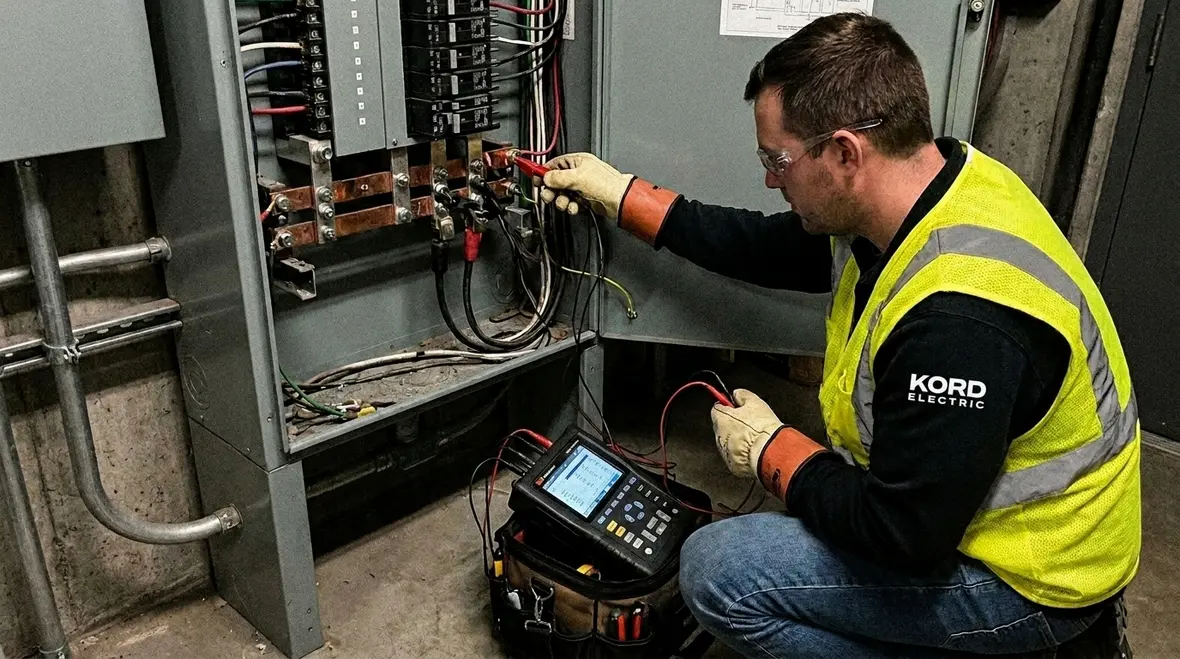
Balanced power is not one magic box. It is a set of practical methods that match the building’s wiring and operating needs. In many commercial and industrial settings, we use a combination of strategies, such as:
- Phase distribution review to identify where loads sit unevenly
- Load grouping so circuits and equipment work together more smoothly
- Control and sequencing to reduce simultaneous starts where possible
- Monitoring and adjustment so the system keeps performance as conditions change
- Protective strategy alignment so the system stays safe under load changes
Meanwhile, we also consider operational constraints. A facility cannot always shut down to rewire. So we focus on solutions that support commissioning with minimal disruption. And when changes are needed, our technicians plan the work so you do not spend your day rescheduling. In other words, we respect the schedule, because plants and buildings already run on tight timing.
We also account for harmonics and non linear loads when they affect power quality. That helps avoid “balanced but still unhappy” results. If the equipment distorts the waveform, balance alone cannot solve the full issue.
In facilities where lighting, EV charging, and process equipment all share capacity, these same phased approaches often overlap with other focused services. For example, lighting upgrades that follow a disciplined strategy like our lighting installation services can be sequenced and balanced so they support, rather than strain, the existing infrastructure.
Commissioning, monitoring, and ongoing service
Once a load balancing plan is in place, the job does not end. We help facilities commission the system, then validate that the distribution stays within targets. Next, we monitor key metrics that show whether the system performs during start ups and peak periods. Then we adjust settings if the facility’s operating pattern changes.
That is why our ongoing service matters. Kord Electric offers expert support designed for commercial and industrial environments where downtime is expensive. Our technicians can respond to performance concerns, and our service staff explains findings in practical language. They do not talk down to operators. Instead, they help teams understand what is happening and what actions make sense.
And when upgrades become necessary, we recommend them with a clear reason. We treat every recommendation like we are explaining it to a supervisor who cares about cost, safety, and uptime. Because that is who they are.
For organizations that want a structured, long horizon approach, industrial load balancing benefits become even stronger when they are aligned with broader electrical preventive maintenance and documented maintenance plans. That combination helps facilities move from reacting to issues toward a calmer, proactive operating rhythm.
Industrial load balancing in the context of broader electrical strategy
One of the easiest mistakes a facility can make is to treat load balancing as a one-time checklist item. In reality, it fits inside a much larger electrical strategy. As properties add EV chargers, new process lines, or expanded cooling capacity, the original balance can drift. A system that once operated comfortably at a given load profile may find itself running closer to the edge.
That is why we encourage facility teams to think of industrial load balancing benefits as something that evolves with the property. When you add commercial EV chargers, for example, those new loads are not just “more power use.” They change how and when capacity is drawn, which panels carry the stress, and how protective devices respond. Aligning these changes with a thoughtful EV charger installation plan keeps the whole system more stable.
The same principle applies to expanded lighting systems, new data rooms, or specialized equipment. Instead of bolting on another project and hoping the main distribution keeps up, we integrate each upgrade into a balanced picture. That approach keeps today’s solution from becoming tomorrow’s bottleneck.
Featured snippet FAQ for industrial load balancing
Conclusion: ready to balance your loads and protect your margins?
If your facility shows uneven phase loading, frequent peak spikes, or rising maintenance costs, Kord Electric can help you tighten control and unlock industrial energy efficiency. We serve commercial and industrial sites and major property buildings, and our technicians and expert service staff explain each step in clear, business minded terms. Contact us to review your electrical distribution and operating patterns, then build a plan that fits your uptime needs. Let us turn your power system from “sometimes stable” into dependable.
For facility leaders mapping out what comes next, it often makes sense to connect industrial load balancing benefits with a broader service plan. That might include preventive maintenance, targeted voltage stability corrections, and carefully sequenced upgrades like commercial and industrial EV charger installation. When those pieces work together, the result is not just a balanced system on paper, but a power infrastructure that actually supports your next phase of growth.
If you are ready to evaluate how your infrastructure handles today’s demand and tomorrow’s plans, start by reviewing your distribution, your peak events, and where the stress shows up. Kord Electric is here to help with that assessment and to design solutions grounded in real operating conditions, not assumptions.
You can learn more about the full range of services and how they support industrial load balancing benefits by visiting the Kord Electric home page, where commercial, industrial, and major property solutions are built around reliability, clarity, and long-term performance.


