Smart Lighting System Retrofits with Proven ROI
Smart Lighting System Retrofits Begin With ROI, Not Guesswork
At Kord Electric, we see a clear pattern in commercial and industrial facilities: the team wants better light, lower cost, and safer floors, but they also want the numbers to make sense from day one. That is why our smart lighting system retrofits focus on measurable returns, not hype. In the first planning session, our technicians and expert service staff walk others through what is possible, what is risky, and what will pay back. Then, we build a retrofit path that respects real factory schedules, real ceilings, and real electrical systems.
And yes, we have heard the old joke that “lighting is just lighting.” In a factory, lighting is productivity, safety, and downtime control. Lighting is the quiet coworker that never clocks out, but still shows up on the utility bill. Let us help you make that coworker pay its share.
How Smart Retrofits Cut Energy Waste Without Slowing Production
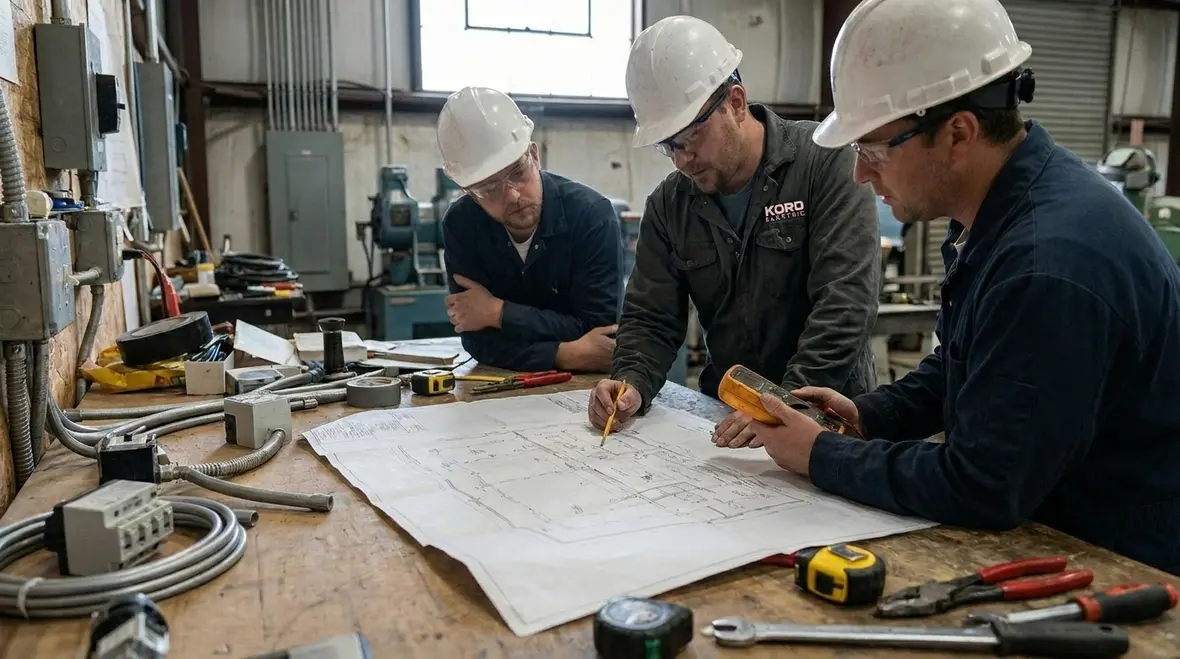
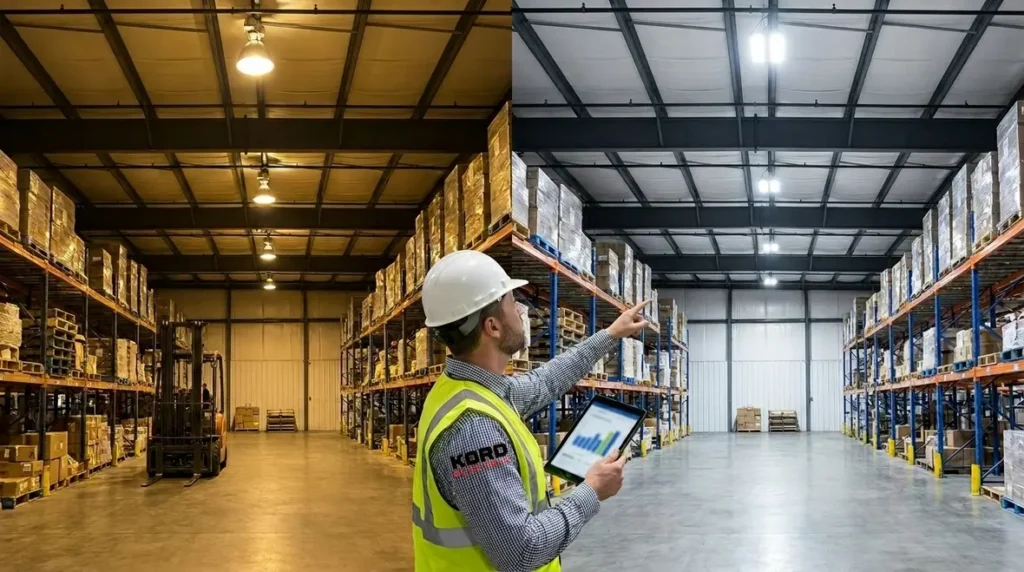
ROI starts with waste, and factories create plenty of it. Fixtures stay on when no one is working. Lights run at full output during low demand hours. In some bays, older controls behave like they were designed by someone who never walked those aisles. As a result, many sites pay for light they do not need.
When we lead smart lighting system retrofits, we do not just swap fixtures and hope. We map load profiles, note when processes slow down, and align control strategies to actual operation. Then we install controls that dim lights when activity drops and brighten them only when work happens.
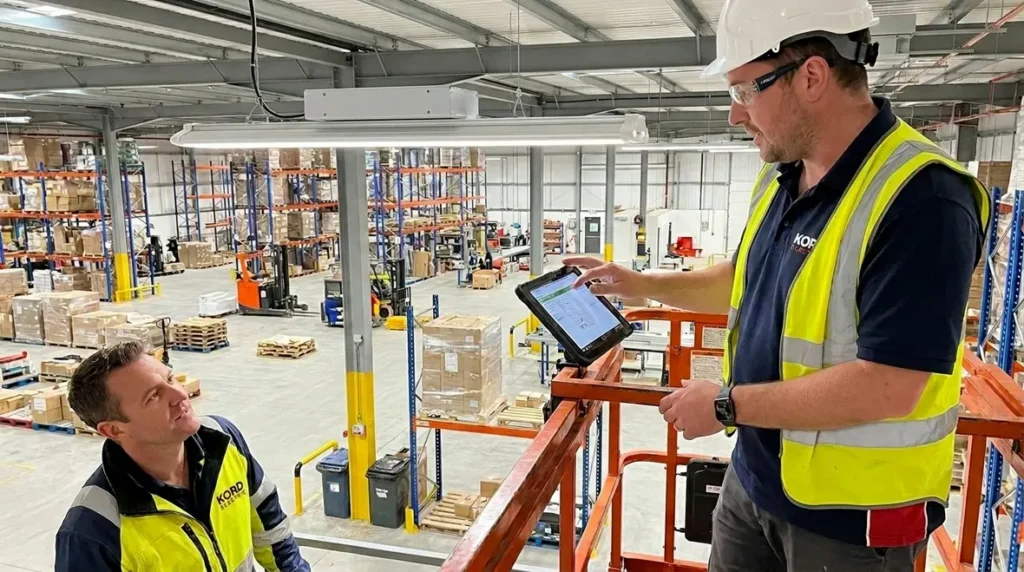
Meanwhile, we make sure the retrofit does not trigger production headaches. We coordinate work windows, protect existing circuits, and phase installs by zone. That way, a line can keep moving while we upgrade sections in a controlled plan. Ultimately, you get energy savings and improved visibility with less disruption than a full shutdown.
For facilities that operate across multiple shifts, the benefit grows. Sensors and scheduling reduce “always on” losses. If a warehouse bay sits empty overnight, the system knows. If forklifts and personnel concentrate in one area during a shift change, the system responds. In business terms, the lights stop behaving like a stubborn night watchman.
Upfront Planning That Protects Payback in Real Industrial Environments
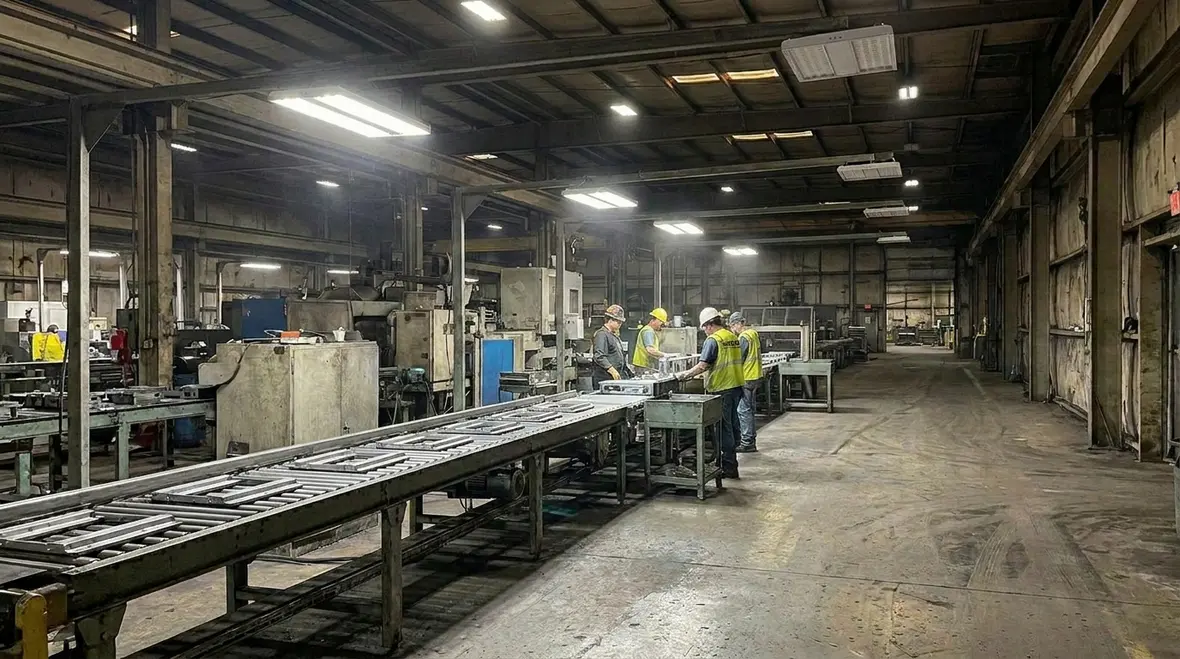
Many projects fail in the planning phase, not the installation phase. A retrofit can look great on paper but still miss ROI if it ignores wiring limits, ceiling constraints, or control compatibility. So we take a careful approach that fits commercial and industrial facilities and major property buildings.
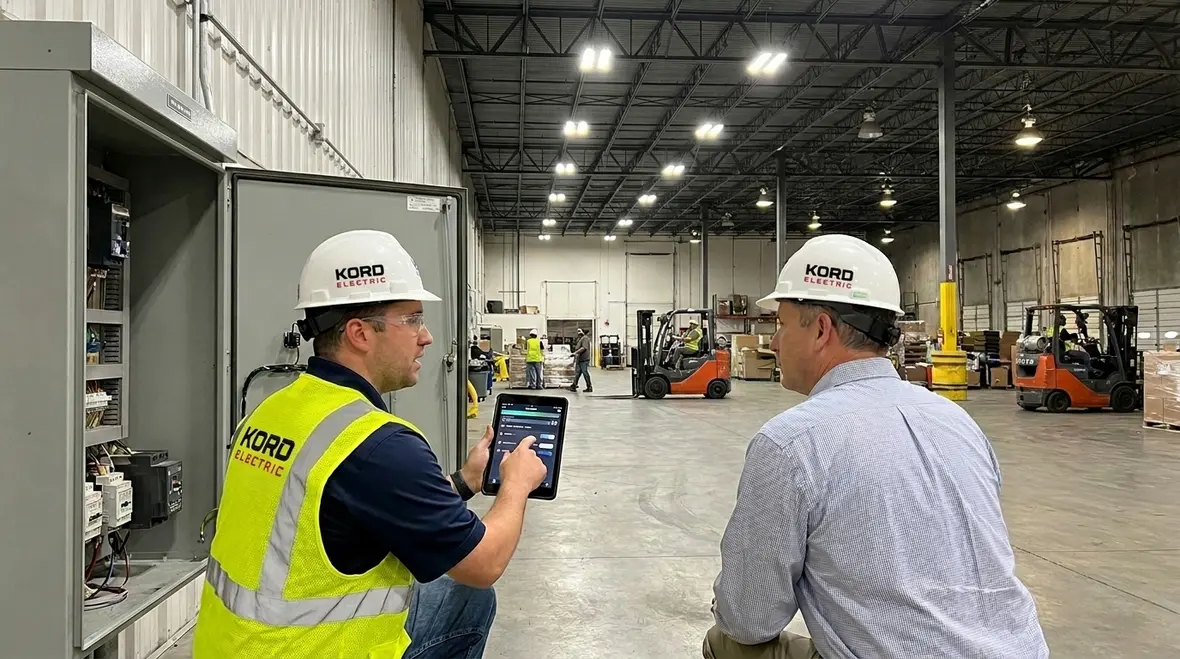
First, we evaluate the existing electrical system, including panel capacity, circuit layout, and any limitations that can affect new control devices. Next, our expert service staff review the site workflow so controls match reality. After that, we define success metrics: target kWh reduction, expected payback period, and performance indicators like maintained illumination levels.
We also plan for longevity. Components should remain stable under heat, dust, vibration, and humidity that show up in factories. If the environment pushes equipment hard, the ROI timeline gets crushed fast. Therefore, our technicians choose solutions that can handle real-world conditions.
As a practical touch, we document the approach in a way that helps facility managers and owners track progress. Then, if changes happen to operations, we can adjust strategies rather than start over. That is the difference between a one-time lighting job and a system that stays valuable.
Maintenance Plans That Keep Lighting ROI from Drifting Away
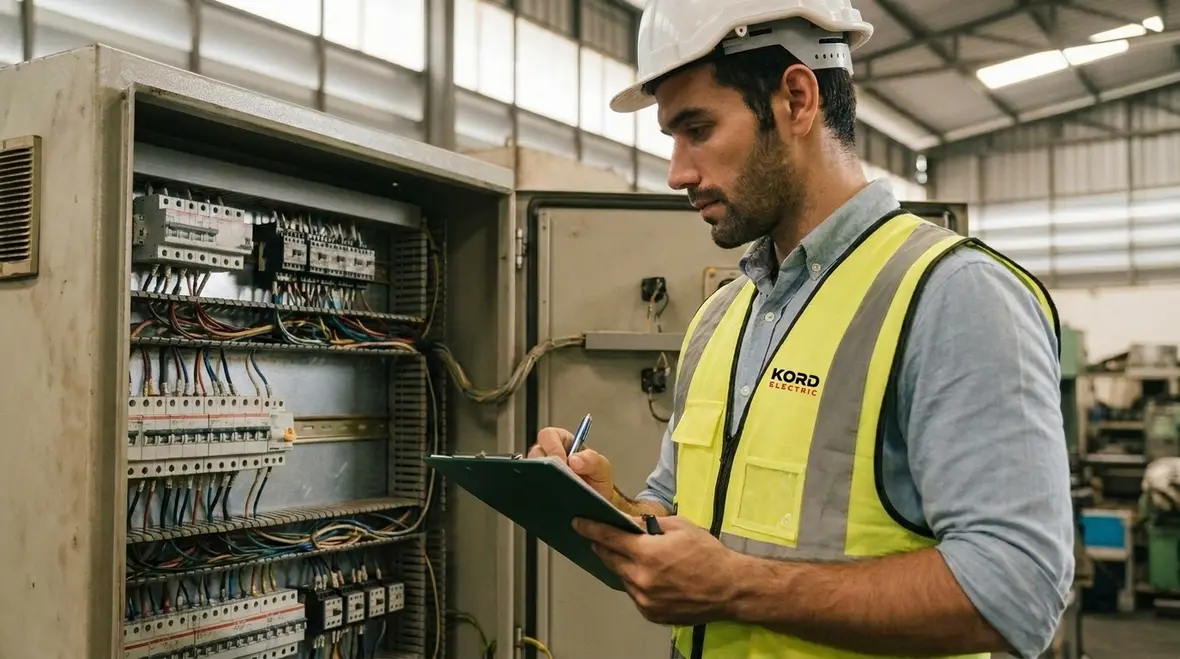
Retrofits can save energy, but ROI can still drift if maintenance is treated like an afterthought. Lights dim, sensors drift, firmware needs updates, and components wear under industrial conditions. Without a schedule and proper checks, small issues add up until the system becomes “sort of working,” which is never what a spreadsheet promised.
Kord Electric supports commercial and industrial maintenance planning, and we reference our structured approach from our Commercial and Industrial Electrical Maintenance Plans. The goal is simple: keep electrical performance steady, catch problems early, and prevent costly downtime. When others choose a plan, they usually get more than service. They get a predictable method to protect costs and extend asset life.
In practice, our team supports inspections, functional checks, and preventive actions that keep controls reliable. We also help teams understand the “why” behind the work. Our technicians do not just tighten a connection and walk away. They explain what they found, how it affects system performance, and what the next step looks like.
That transparency matters. Facility teams need to make operational decisions quickly. So we provide clear notes and recommendations in business-friendly language.
One more thing. If someone tells a plant manager that maintenance is optional, we politely disagree. In a factory, optional maintenance is just another word for expensive surprises.
Safety, Quality, and the Hidden ROI Factories Often Miss
Energy savings drive ROI, but they are not the only driver. In commercial and industrial spaces, lighting performance impacts safety and product quality. If visibility drops, workers spend more time searching for tools, reading labels, or spotting hazards. That creates slower work and higher risk. In other words, poor lighting turns into operational friction.
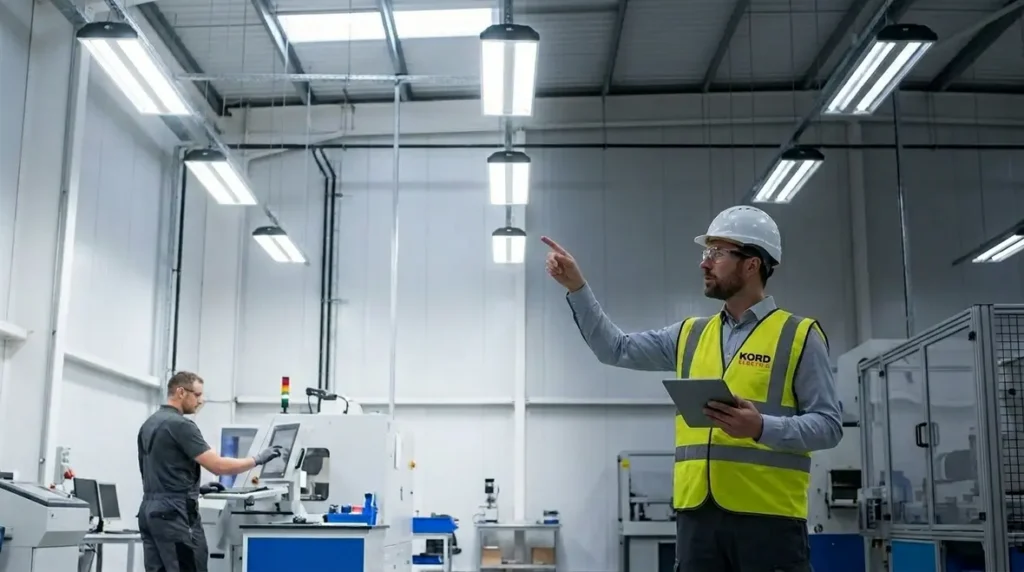
With smart control strategies, facilities can maintain more consistent illumination during shifts and tasks. As a result, teams gain better visual clarity where it matters. If an area sees different activity levels through the day, control logic can maintain appropriate light levels instead of using a one-size default.
Additionally, smart retrofits support better compliance behavior because visibility improves around work zones. We see less “we just deal with it” attitude when lighting performs reliably. And when the lighting supports safer movement, fewer near misses get swept under the rug.
Quality also benefits. Many industrial tasks depend on visual checks, assembly alignment, and inspection standards. When lighting stays stable, fewer defects slip through due to poor visibility. The ROI math becomes broader than energy, and that often changes executive conversations for the better.
Smart Retrofit Features That Move ROI Fast
When clients compare options, they usually ask what features actually change numbers. We explain it in plain terms. Here are the retrofit capabilities that typically deliver measurable results in commercial and industrial settings:
- Occupancy and vacancy sensing: Lights run when people and activity need them, then dim or turn off when spaces sit idle.
- Daylight and ambient light control: The system uses available daylight to reduce artificial output without sacrificing visibility.
- Zoned control: Factories operate in zones, not in one giant lighting blob. Zoned control matches energy use to real work areas.
- Scheduling for shift patterns: Different shifts need different settings. Scheduling prevents lights from paying for overtime when no one is there.
- Maintenance-friendly diagnostics: Systems that flag issues early help teams correct problems before they turn into repeat calls.
Our technicians coordinate these features with existing building constraints and electrical conditions. Then we set up the system so it behaves in a way that fits each site. After installation, our expert service staff explain how to monitor performance, what to watch for, and how to request changes without turning the facility into a test lab.
And yes, we have seen facilities that treat lighting controls like a mystery novel. The system works, but no one reads the plot. We make sure others understand the story so the ROI keeps writing chapters, not just collecting dust.
FAQ: ROI and Retrofits for Commercial and Industrial Facilities
Conclusion: Let Kord Electric Build Your Retrofit That Pays Back
ROI in lighting does not happen by accident. It happens when others plan carefully, install with respect for industrial schedules, and maintain performance over time. Kord Electric brings expert service staff and technicians who explain the process in a clear way, then deliver smart lighting system retrofits designed for commercial and industrial facilities. If you want better visibility, lower energy use, and a payback path you can trust, contact us now. We will review your site and map a retrofit plan that makes financial sense.
Contact Kord Electric to start the assessment, and if your facility is also planning broader electrical work, consider aligning your retrofit with a structured program like their Commercial and Industrial Electrical Maintenance Plans to support long-term reliability and ROI.
For facilities ready to move from planning into action, Kord Electric’s dedicated commercial lighting and electrical upgrade services can be integrated into a single roadmap so your smart lighting system retrofits, maintenance program, and other infrastructure projects work together instead of competing for downtime and budget.