Industrial Lighting Control Integration for Facilities
At Kord Electric, we help commercial and industrial facilities move from “lights on, figure it out later” to calm, steady control through industrial lighting control integration. In our projects, we connect lighting, sensors, and control systems so your building responds the way it should, not the way it happens to. And yes, that means fewer manual work orders, fewer guess-and-check calls, and less time spent explaining to contractors why the schedule still looks like it was set during a thunderstorm.
In the next sections, we walk through how we streamline operations, what our technicians and expert service staff do step by step, and how teams like yours can plan for savings without creating new headaches.
Why industrial lighting control integration changes daily operations
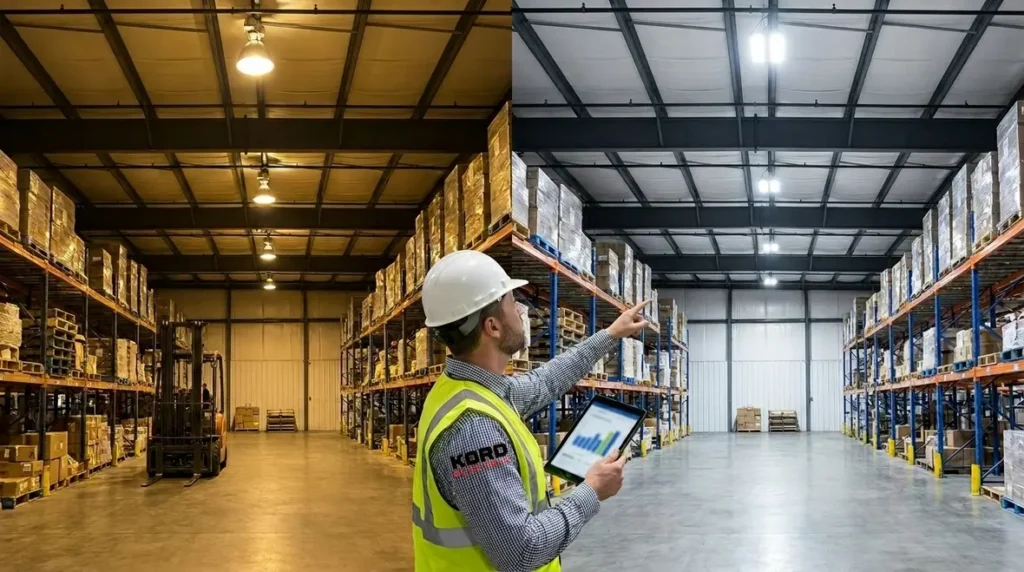
Industrial lighting control integration is not just about dimming lights. It is about reducing friction inside your day to day operations. When facilities use time schedules alone, the building slowly drifts out of sync with reality. Shifts change. Production lines move. Maintenance cycles land on different days. As a result, lights stay on too long or turn off at the wrong time.
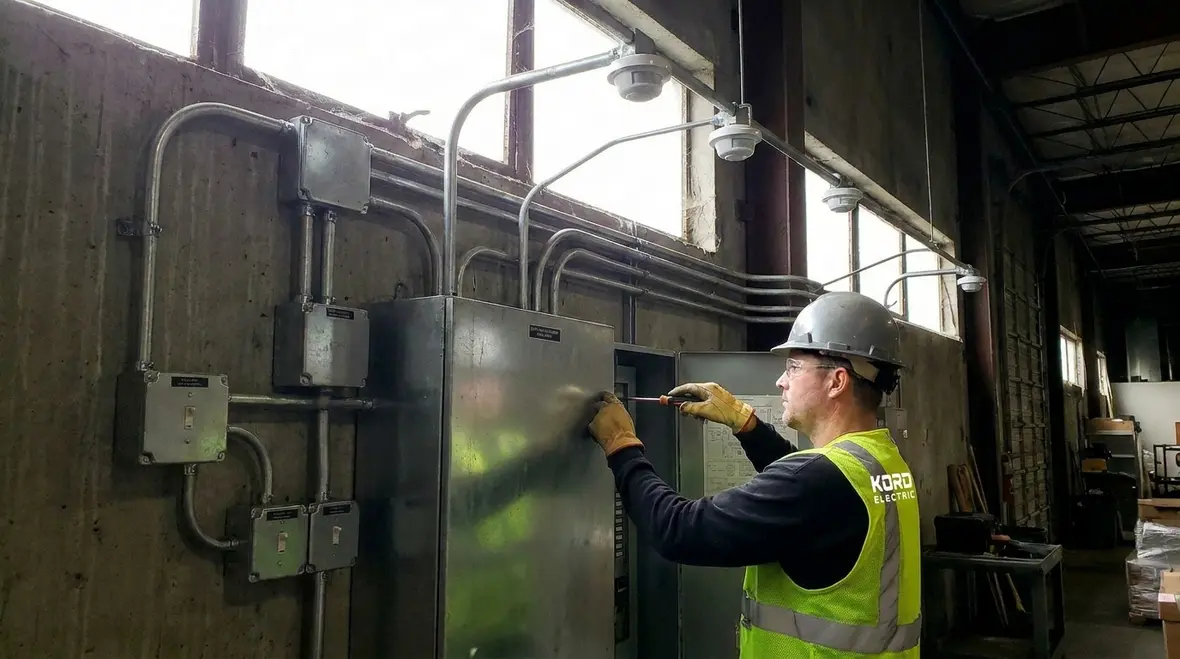
Meanwhile, when we integrate controls with occupancy and daylight feedback, the building keeps working even when humans forget. That sounds like magic, but it is usually good design and solid wiring practices.
Our approach at Kord Electric starts with how your site runs. Then we map the control points to the way space gets used. As a result, operations teams spend less time managing lighting behavior and more time running the business.
And if you think this sounds like “set it and forget it,” we agree. The difference is that we do the setting, and the system does the forgetting.

How we design a control plan that fits real facilities
We do not treat lighting like a one size fits all upgrade. Instead, our expert service staff builds a plan around your building’s layout, usage patterns, and power needs. Furthermore, we account for safety and compliance requirements that major property buildings must meet.
First, we identify zones that behave differently. Production areas, loading docks, corridors, and offices each deserve their own control logic. Then we choose devices that match the environment. For example, some spaces need stricter motion logic. Other spaces need daylight compensation because they sit near large glazing.
Next, we coordinate the controls with the electrical system so the site does not suffer from odd control interactions. We also review how your facility team will operate the system day to day. In other words, we design for maintenance staff, not just for the first week after commissioning.
Finally, we confirm that changes will not disrupt other building systems. Because in commercial and industrial environments, one small mismatch can echo across the whole operation.
Designing with your operations team in mind
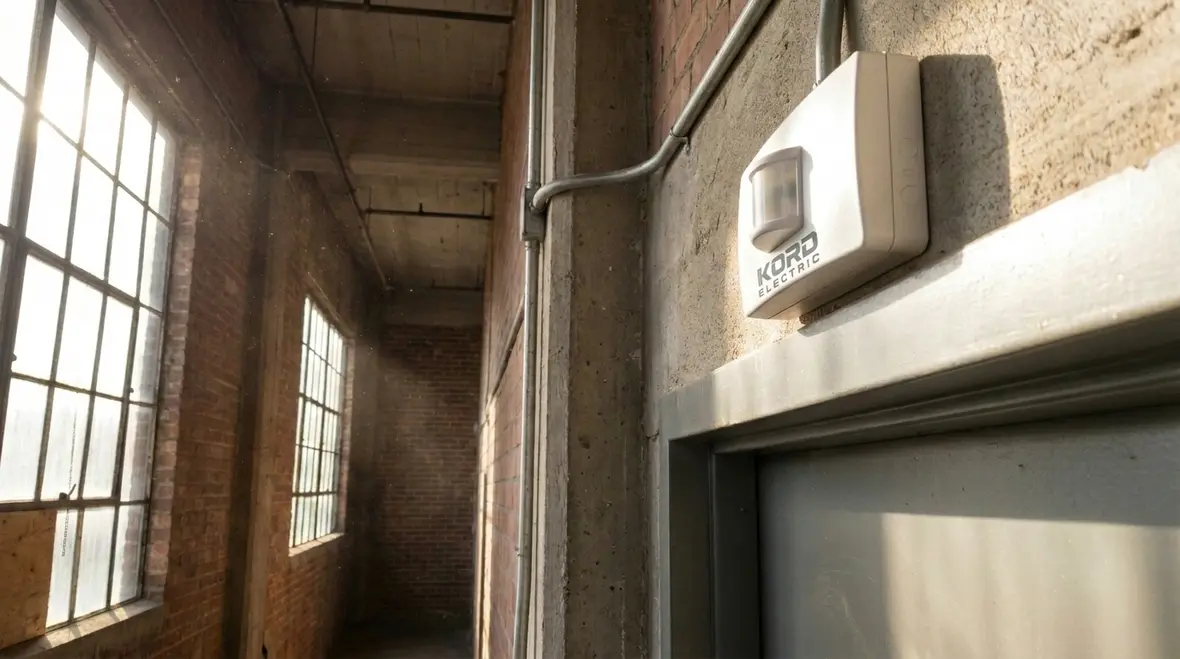
A well-designed industrial lighting control integration should feel intuitive to the people who use it every day. That is why we align zones with workflows, shift patterns, and safety considerations instead of just drawing neat shapes on a plan set. When override stations, sensor locations, and control panels match how supervisors and maintenance technicians actually move through the building, the system becomes a tool instead of a puzzle.
Where savings really come from, and where they do not
Many people chase lighting savings as if they are hiding under a floor tile. Sometimes that happens. But more often, savings come from steady control behavior, not from dramatic one time changes.
When we streamline operations through lighting control integration, cost reduction usually comes from three areas: reduced runtime, better response to occupancy, and fewer service calls due to predictable performance. Meanwhile, some cost drivers stay the same. If a facility has poor power quality or aging components, controls alone will not fix that.
Also, your maintenance strategy matters. If technicians do not have clear labels, test points, and consistent documentation, even a smart system turns into a mystery. Therefore, we build the install so it stays readable long after the first ribbon cutting.
In our guidance on commercial electrical projects, we often see how planning rewiring work impacts budget. For example, our rewiring cost guide for commercial electrical systems highlights how scope, labor conditions, and downtime drive real costs. That same thinking applies here: if you plan wiring pathways and access routes early, your lighting controls installation goes smoother, and your schedule stays closer to reality.
Steady control vs. one-time “magic tricks”
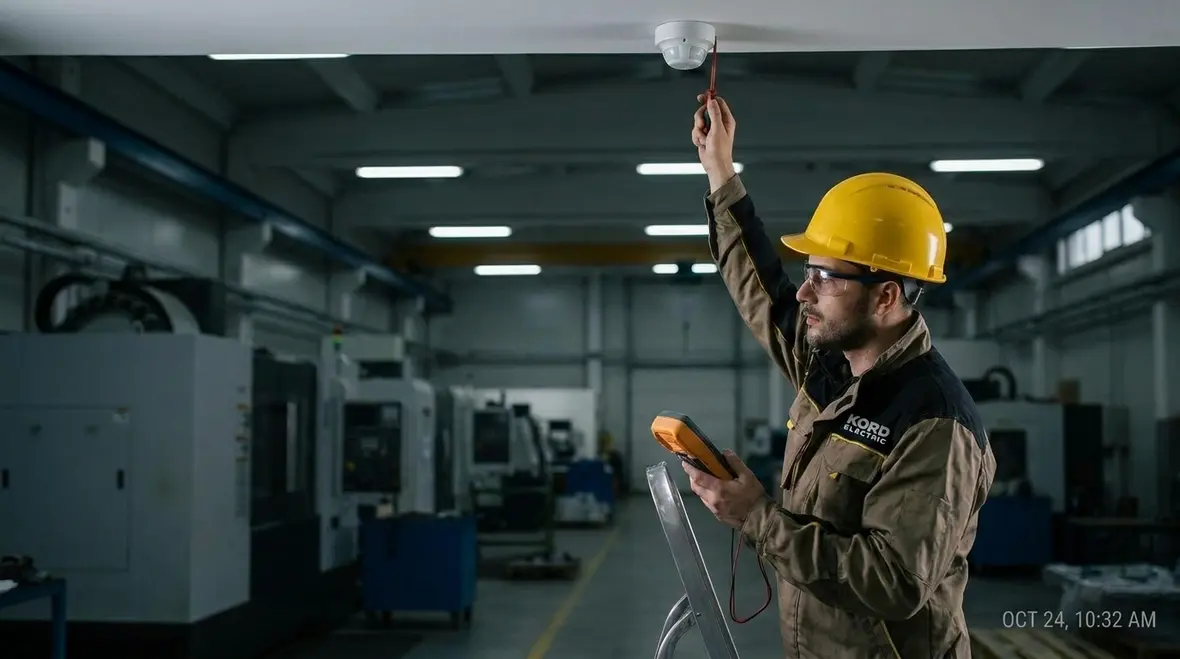
We occasionally get asked if one big industrial lighting control integration project will slash bills overnight and solve every problem on site. The honest answer is that real savings usually look more like a smooth, predictable curve than a dramatic cliff. Lighting that turns on and off consistently, doesn’t fight production schedules, and doesn’t require weekly service calls quietly saves money in the background, month after month.
Installation steps our technicians follow for smooth commissioning
We bring a disciplined process to each project. As a result, our deployments tend to feel controlled, even when the site is not.
Here is what our technicians typically do during industrial lighting control integration work for commercial and industrial facilities:
- Site walk and zoning review: we verify actual room use, lighting layouts, and switching behavior so the design reflects how the building really operates.
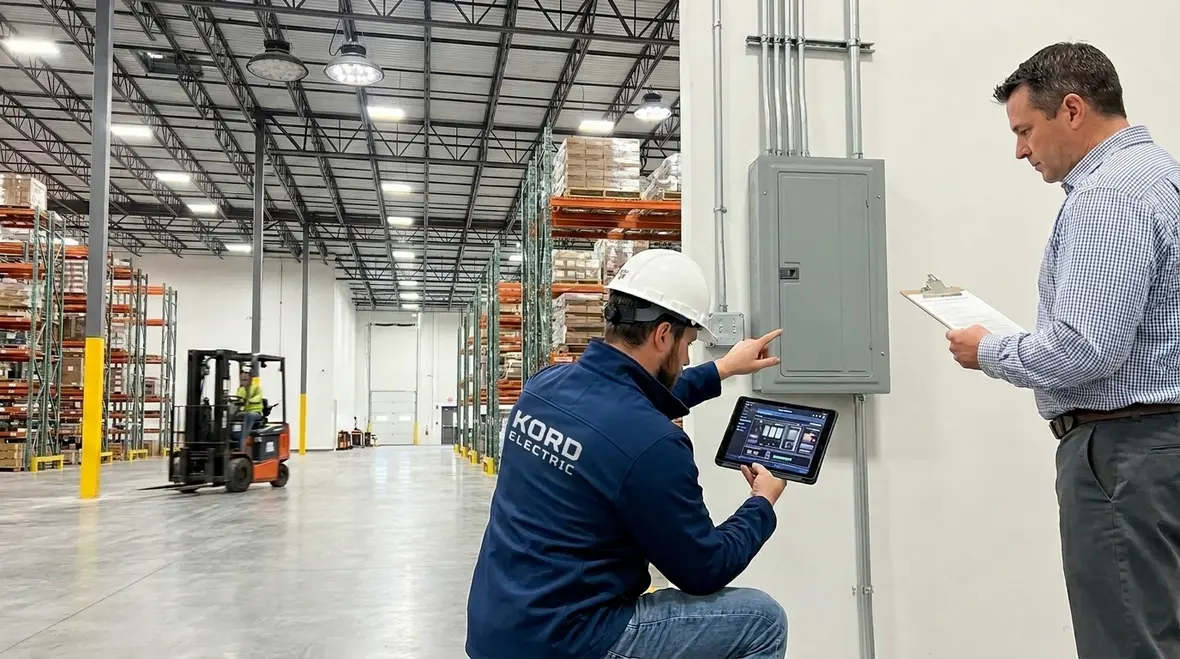
- Electrical coordination: we check panel schedules, circuit loading, and conduit routes so controls connect cleanly without surprises.
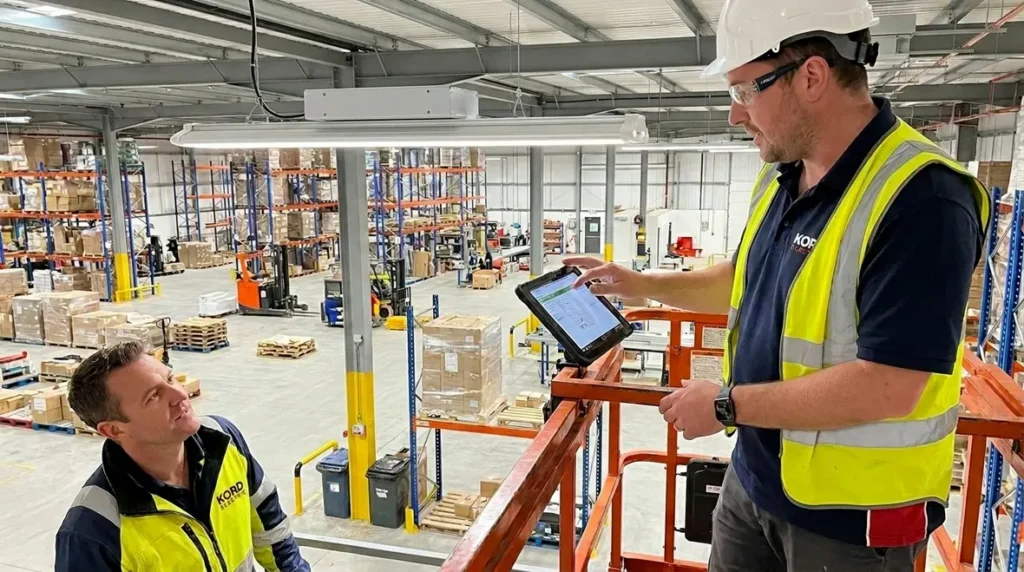
- Device placement and calibration: we position sensors to avoid false triggers and ensure daylight readings stay accurate across seasons.
- Control programming and schedules: we create schedules that match shift work and facility operations, then refine them based on how spaces get used.
- Testing with facility involvement: we run functional tests so your team sees what the system does in real conditions.
- Documentation and handoff: our expert service staff provides clear labeling and operating notes so your team can manage the system without guesswork.
Now, a quick reality check. If anyone tells you they can install and commission a control system perfectly in one afternoon, they are either selling something or auditioning for a sitcom. Good projects take time. But we make that time predictable.
Keeping commissioning calm, even when the schedule is not
Commissioning is where industrial lighting control integration becomes real for your team. We schedule tests with operations in mind, walk supervisors through zone behavior, and leave room for real-world adjustments. Instead of mysterious programming marathons, you get clear checkpoints, documented settings, and a system that behaves the way your facility actually runs.
Operations, maintenance, and avoiding “button theater”
After installation, the biggest risk is not the hardware. It is how people interact with the system. If controls require five menus and two password resets to change a schedule, teams avoid it. Then the facility drifts back into manual workarounds.
So we help prevent button theater. Instead of piling on complexity, we align control settings with how your staff already works. For instance, we set occupancy behavior so lights respond in a way that feels natural. We also define override paths so maintenance teams can act quickly without breaking the overall strategy.
We also plan for future changes. Buildings grow. Tenants shift. Warehouses get reconfigured. When controls are built with clean zoning and sensible naming, changes stay manageable. Meanwhile, when the system was hacked together, you end up paying for confusion.
And for commercial and industrial facilities, confusion costs money every time it steals an hour from a supervisor. That is why we focus on steady maintenance workflows, clear documentation, and serviceability.
Aligning controls with preventive maintenance
Lighting controls work best when they sit inside a broader maintenance strategy. Programs like structured electrical preventive maintenance give your team regular opportunities to review performance, update settings, and keep documentation current. That combination of disciplined maintenance and practical control design keeps facilities out of the “button theater” business and firmly in the stable-operations business.
Security, compliance, and power coordination considerations
Industrial environments demand trust. That includes electrical safety, device reliability, and system behavior that supports compliance expectations. As we integrate controls, we coordinate with power distribution so switching and dimming do not create odd operating conditions.
We also address how controls communicate and how access gets managed. When systems can be modified too easily, risk rises. Therefore, we focus on proper control access and secure management practices that match the reality of a major property building.
Additionally, we consider emergency and safety lighting boundaries where applicable. We ensure the lighting control strategy does not accidentally interfere with life safety functions. That is not a “later we will fix it” item. We treat it as a core design requirement.
In practical terms, our expert service staff uses testing and verification to confirm the system behaves as intended across operating states, not just during the initial walkthrough.
Coordinating lighting controls with the rest of your electrical strategy
Industrial lighting control integration works best when it shares a playbook with the rest of your electrical infrastructure. That includes panel capacity, voltage stability, and future upgrades like EV charging or additional production lines. By treating controls as part of a coordinated electrical plan instead of a stand-alone gadget, we help facilities avoid conflicts, nuisance trips, and compliance surprises.
FAQ: lighting controls and commercial electrical upgrades
Call Kord Electric to streamline your lighting control rollout
If your facility team spends too much time fixing lighting schedules, responding to unnecessary service calls, or explaining why “the building did it again,” we can help. At Kord Electric, our technicians and expert service staff plan industrial lighting control integration that fits how commercial and industrial operations actually run. Contact us to discuss your building zones, electrical conditions, and control goals. We will map a practical path forward, so your site gets smoother lighting control, fewer headaches, and real operational peace.
For facilities ready to pair smarter lighting with a broader reliability strategy, our dedicated electrical preventive maintenance services help keep panels, distribution equipment, and lighting controls aligned and performing at their best over the long term.
And when your lighting strategy overlaps with other upgrades—whether that is targeted power quality corrections or future-ready EV charging—we can coordinate industrial lighting control integration with services like commercial EV charger installation so your electrical infrastructure grows in a controlled, predictable way.