Commercial Electrical Panel Capacity for Upgrades
Commercial electrical panel capacity: the starting line for every upgrade
At Kord Electric, we evaluate commercial electrical panel capacity the moment a building asks for more power. We look at what the panel can safely deliver today, what it will need next, and how growth will hit the schedule. Because in commercial and industrial facilities, “close enough” is the kind of phrase that shows up right before smoke reports and surprise downtime. And nobody wants that, not even the villain in a bad superhero sequel.
To keep upgrades smooth, our certified technicians and expert service staff explain the whole process in clear terms. Then we move from understanding to action, using tested steps that protect equipment and keep operations running.
How we map demand before we touch a single breaker
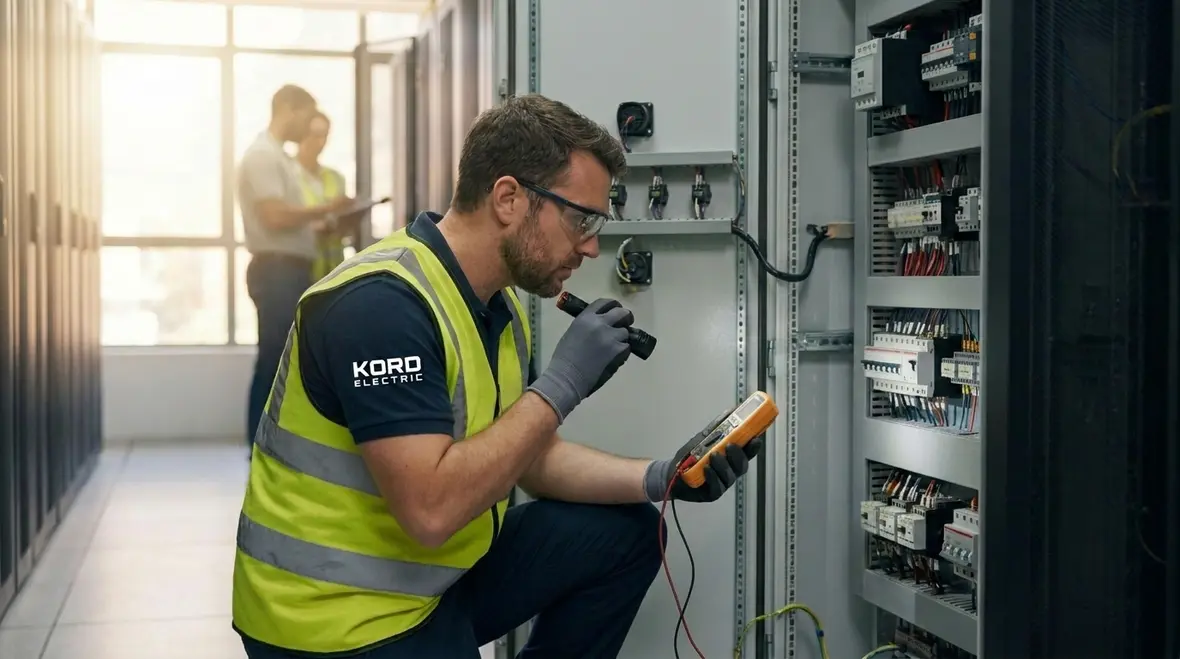
First, we confirm the current electrical load and the purpose of the upgrade. Next, we review planned additions like new equipment, expanded production lines, additional lighting, HVAC changes, and especially new charging and power points for fleets. Even if the job sounds small, we treat it like a system upgrade, because commercial buildings rarely add power in a neat, predictable way.
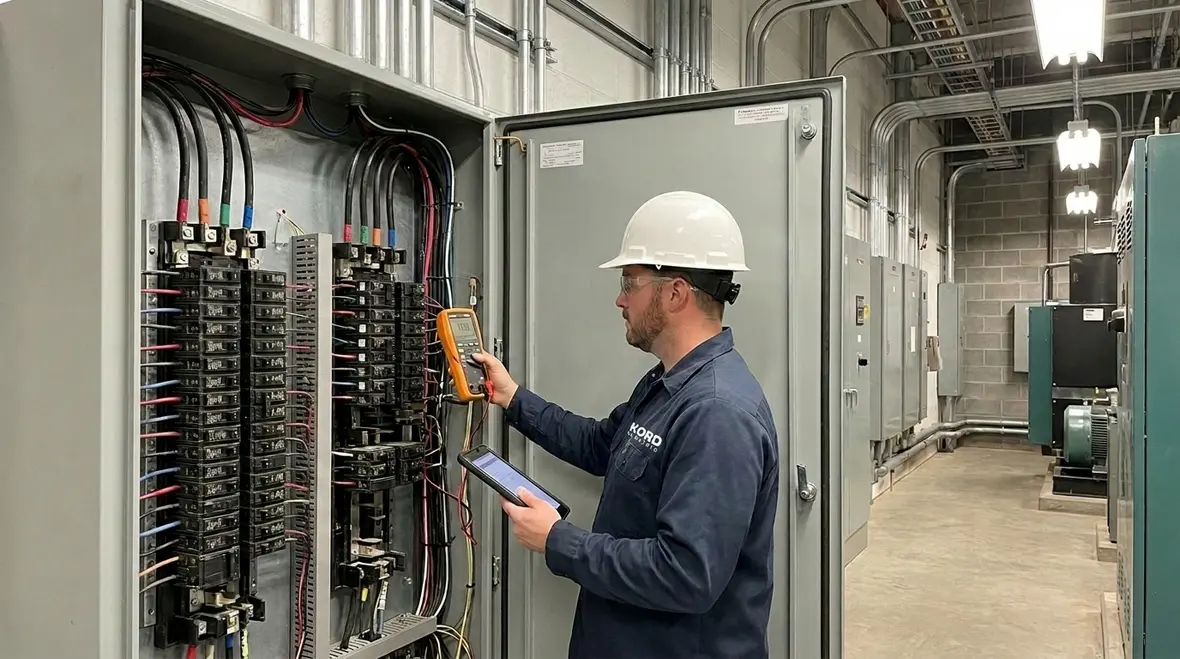
Then we do load mapping, which means we break the facility into circuits and groups. After that, we compare real-world usage patterns to nameplate ratings and typical demand factors. We also look at diversity, since not every space peaks at the same moment. And when the client says, “We only use it a little,” we smile calmly and verify with data. That is how we avoid guessing, the way a sitcom character guesses their way through tech support.
Assessing panel health, not just panel size
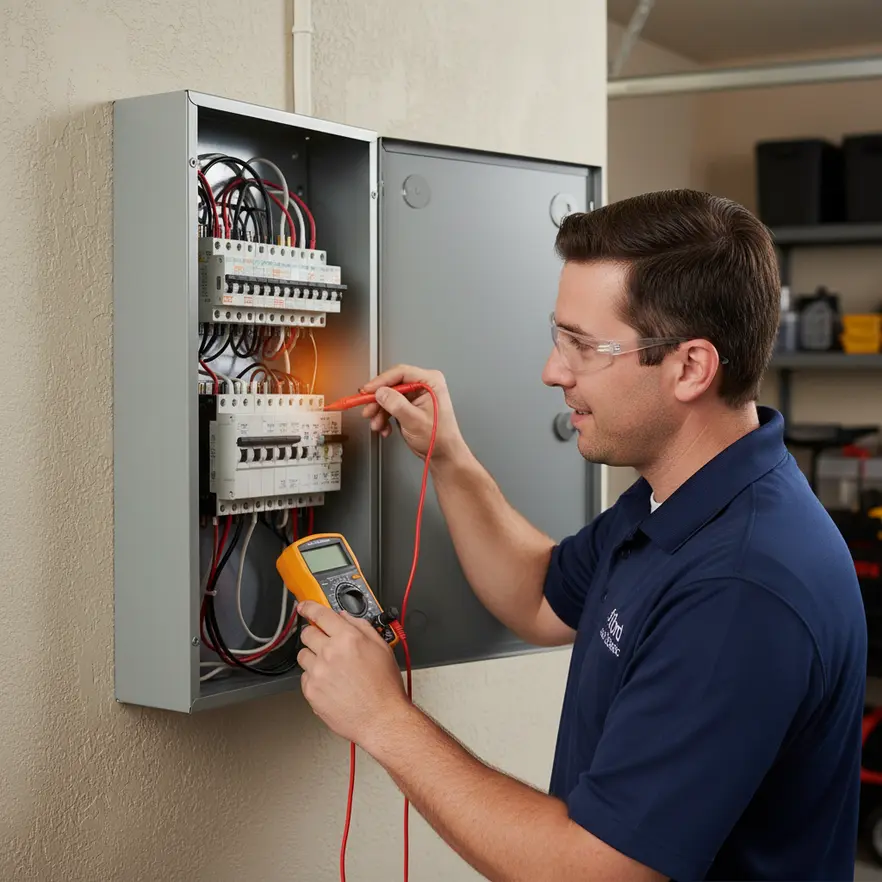
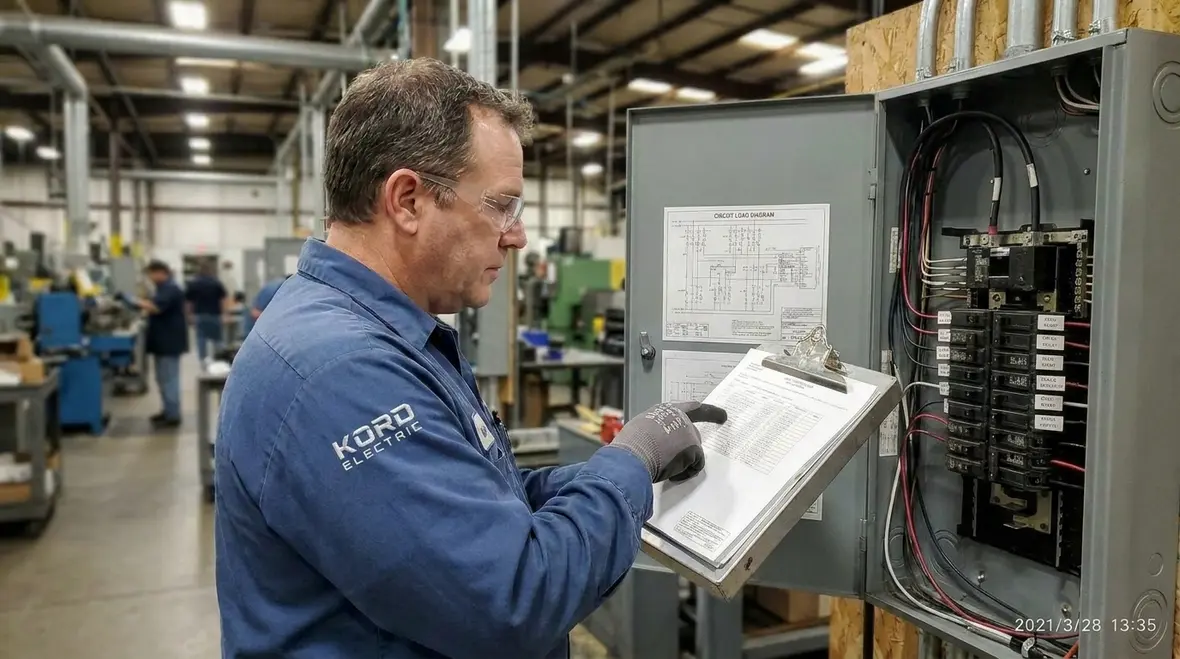
Panel size matters, but it is not the whole story. A panel may have space in the enclosure yet still struggle with thermal limits, aging components, or mismatched loads. Therefore, we check bus ratings, breaker types, physical lug condition, conductor sizing, and signs of heat stress. We also confirm that the panel configuration matches the load pattern and that protection devices coordinate correctly.
At this stage, our expert service staff explains what they see and what it means for your operating risk. We do not hide behind jargon. Instead, we translate the technical signals into practical guidance, so decision makers can plan confidently.
Finally, we assess how much capacity margin remains after today’s verified loads. In other words, we ask: how much “headroom” is left before a future project turns into an emergency call?
Using EV charging as a capacity stress test
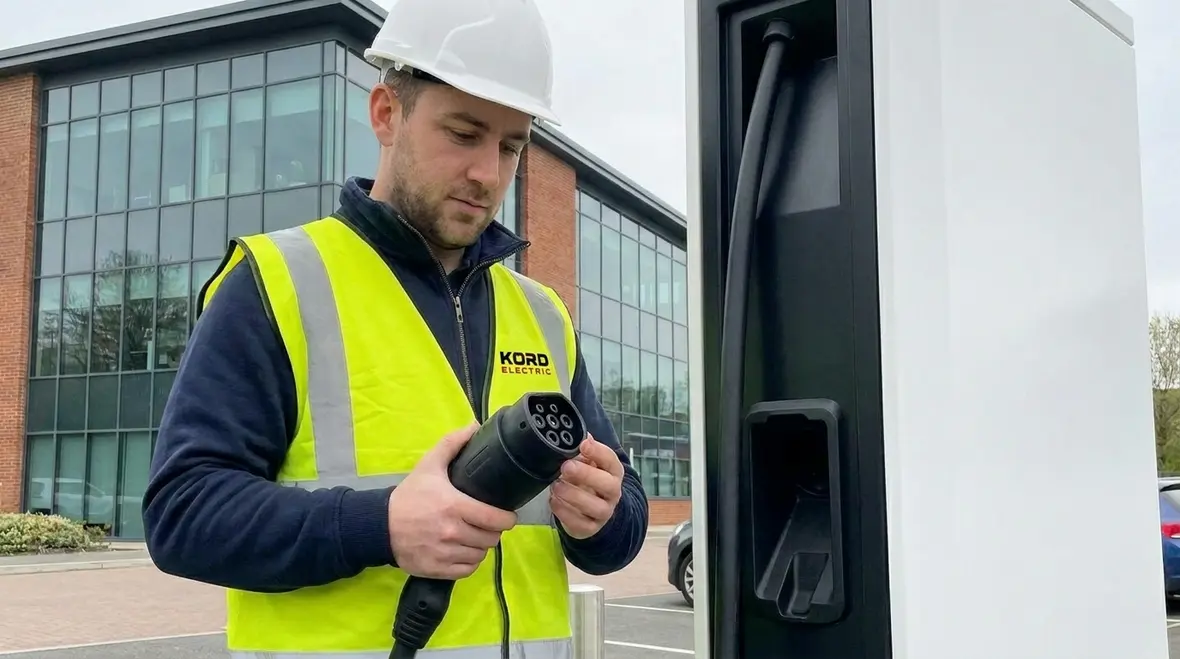
For many major property buildings and commercial sites, electric vehicle charging becomes the moment that reveals hidden demand. That is because EV chargers can add significant load at the exact time people least want disruption. When we support EV charger installation at commercial locations, we plan with capacity in mind from the start, and we design so the power system stays balanced.
Our approach usually includes reviewing existing site service, panel allocation, and upstream constraints. Then we choose how chargers connect so the building can manage charging schedules and electrical demand. If the site includes multiple chargers, we coordinate the load so it does not spike all at once like a group of people sprinting for the last slice of pizza.
Also, we help the client think about expansion. Today’s charger count becomes tomorrow’s fleet growth. So we plan routes for future pulls, clarify how conductors will route, and identify where upgrades might be needed for reliable operation.
As a result, our work reduces the risk of unexpected panel upgrades and helps prevent unstable performance during peak charging windows. For a deeper look at how we design and install charging systems for business sites, explore our dedicated EV charger installation services, where commercial capacity planning and long-term reliability go hand in hand.
Future-proofing with growth scenarios and protection strategy
Next, we build upgrade plans that do more than “solve today’s problem.” We create growth scenarios that reflect how the business runs. That includes future equipment installs, planned process changes, tenant improvements, and seasonal peaks.
Then we match those scenarios to an upgrade strategy. Sometimes the best path includes redistributing circuits. Other times, we recommend new panel sections, service upgrades, or additional distribution equipment. We also consider whether changes should happen in phases to reduce downtime and keep operations steady.
Protection strategy matters just as much as capacity. Therefore, we confirm breaker coordination, fault protection, and safe disconnecting means. We also review labeling and circuit documentation, because a well-documented panel saves time during maintenance and troubleshooting. In a commercial setting, time is money, and confused wiring is just expensive chaos wearing a fake mustache.
Common signs the commercial panel is nearing its limit
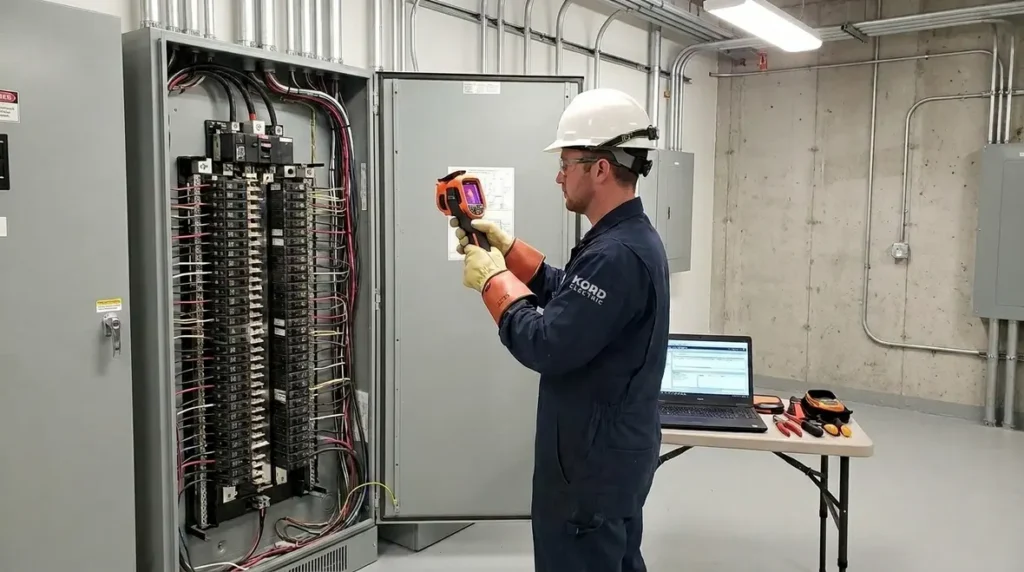
We see certain patterns when a facility is running out of room. One sign is frequent breaker trips or nuisance tripping that seems to happen more often during peak hours. Another sign is visible heat discoloration, loose connections, or an unusual odor after heavy usage. We also hear reports of voltage drop, flickering lights, or equipment that struggles to start.
To be clear, these symptoms do not always mean a capacity shortage, but they often point to overload, imbalance, or aging components. That is why we evaluate the entire electrical system, not just the panel rating sticker on the door.
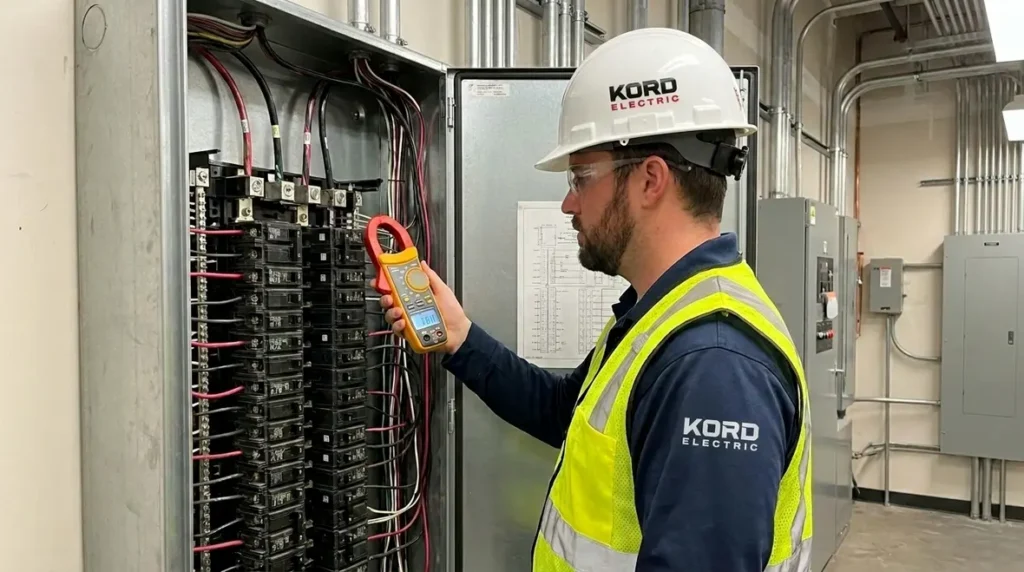
At Kord Electric, our technicians and expert service staff use safe diagnostic steps to locate the source. They then explain the findings with a calm, businesslike tone, so the client knows what is real and what is guesswork.
How we decide between breaker space, panel upgrades, and service changes
When clients ask how we evaluate commercial electrical panel capacity for upgrades, we respond with a clear decision framework. First, we identify what is actually usable. Then we calculate whether the existing breakers and feeders can support new loads with safe operating margins.
Next, we review the panel’s available slots and whether the current bus and feeder setup can take additional breakers. If the panel has physical space but not safe electrical margin, we still recommend upgrades. If the panel can handle new loads but wiring needs adjustment, we plan conductor and breaker changes that match the load plan.
Finally, we consider service changes when upstream limitations appear. Sometimes the service entrance or transformer capacity becomes the real ceiling. In those cases, the solution is not just a new breaker. It is upgrading the upstream equipment so the entire distribution system can carry the load.
By the time we finish, our team provides a recommended path with the reasoning, the impacts, and a schedule that fits commercial operations.
FAQ about evaluating panel capacity for commercial and industrial sites
Ready to plan your next electrical upgrade with confidence?
When a commercial building needs more power, we help you move from uncertainty to a clear plan. Kord Electric sends technicians and expert service staff to evaluate your system, verify real demand, and recommend the right upgrade path with safe capacity and practical timing. If you are planning expansion, adding major equipment, or deploying EV charger installation at a site with rising demand, contact us now. Let us handle the electrical math, so your operations stay steady and your downtime stays boring.
Near the end of many projects, clients also look ahead to related improvements like lighting upgrades, power quality corrections, or additional charging capacity. If you are mapping a broader roadmap for your facility, explore our dedicated lighting installation services alongside any panel work or EV charger installation plans, so each upgrade supports the next instead of working against it.