
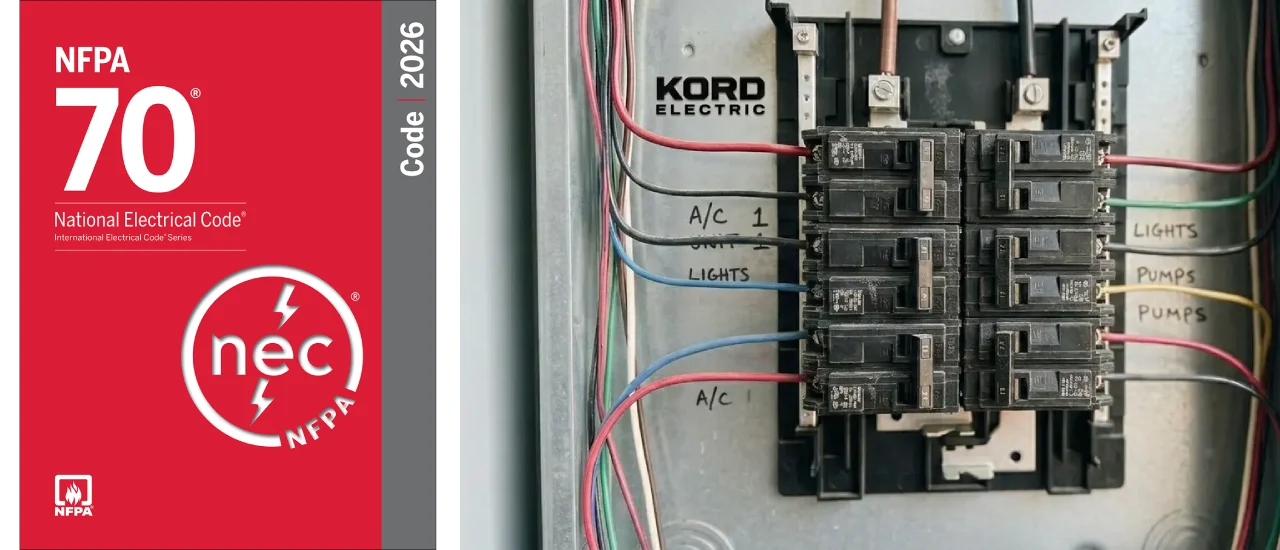
What Is NFPA 70?
National Fire Protection Association developed NFPA 70, widely known as the national electrical code, to establish safe electrical design, installation, and inspection practices across the United States.
This standard is the foundation for how electrical systems are built and maintained in commercial, industrial, and residential environments. It is updated every three years to reflect new technology, safety data, and evolving risks.
In simple terms, it is the rulebook that helps prevent electrical fires, shock hazards, and system failures.
Why the National Electrical Code Matters
Electrical systems are one of the leading causes of fires when improperly installed or maintained. The national electrical code exists to reduce that risk by standardizing how systems are handled from start to finish.
Key reasons it matters:
- Protects life and property from electrical hazards
- Ensures consistent installation practices across jurisdictions
- Supports insurance and inspection requirements
- Aligns electrical systems with fire protection infrastructure
For property owners and facility managers, compliance is not optional. It is a critical part of maintaining a safe and operational building.
What the NFPA 70 Code Book Covers
The nfpa 70 code book is extensive and detailed, but it generally focuses on a few core areas:
1. Wiring and Protection
Defines how electrical conductors should be installed and protected from damage, overheating, and faults.
2. Equipment for General Use
Covers electrical panels, disconnects, and devices used in everyday building operations.
3. Special Occupancies
Includes requirements for high risk environments like healthcare facilities, hazardous locations, and industrial plants.
4. Grounding and Bonding
Ensures electrical systems are properly grounded to reduce shock risk and improve system stability.
5. Overcurrent Protection
Sets standards for breakers and fuses to prevent overload conditions that can lead to fires.
How NFPA 70 Impacts Commercial Buildings
For commercial and industrial properties, NFPA 70 directly affects:
- Electrical panel installations and upgrades
- Power distribution systems
- Emergency and backup power systems
- Integration with fire alarm and life safety systems
This is especially important when expanding or modifying a building. Any new electrical work must meet current code requirements, even if the original system was installed under an older standard.
Common Compliance Mistakes
Even experienced operators can overlook key requirements in the national electrical code. Some of the most common issues include:
- Overloaded electrical panels
- Improper wire sizing
- Lack of proper grounding
- Unauthorized modifications to circuits
- Outdated equipment still in service
These issues often go unnoticed until an inspection or failure occurs.
How Electrical and Fire Protection Work Together
Electrical systems and fire protection systems are closely connected. A failure in one can impact the other.
For example:
- Fire alarm systems rely on properly installed power supplies
- Emergency lighting must meet both electrical and life safety requirements
- Fire pumps depend on reliable electrical infrastructure
This is where having a contractor that understands both sides becomes valuable.
If you’re upgrading or evaluating your system, it’s worth reviewing services like:
These directly tie into compliance with the nfpa 70 code book and overall building safety.
When Should You Update Your System?
You should evaluate your electrical system if:
- Your building is undergoing renovations
- You are adding new equipment or load demand
- You experience frequent breaker trips or outages
- Your system has not been inspected in several years
Even if your system is still operational, it may not meet current NFPA 70 requirements.
NFPA 70 FAQ
Final Thoughts
The national electrical code is not just a technical document. It is a safety standard that directly impacts how buildings operate every day.
Understanding the basics of NFPA 70 helps property owners, managers, and contractors make better decisions when it comes to electrical systems. More importantly, it ensures that those systems are safe, reliable, and compliant.
If you are unsure whether your system meets current standards, a professional evaluation is the best place to start.


