Fleet EV Charging Infrastructure California Guide
Fleet EV charging infrastructure California: a practical planning guide for commercial fleets
Fleet EV charging infrastructure California planning is not guesswork, and it is not a “buy a few chargers and hope for the best” situation. Instead, it is a system you build in layers: site power, charging design, workflow, and ongoing service. Kord Electric helps commercial and industrial facilities and major property buildings plan that system with technicians and expert service staff who explain things plainly, then execute with care. In this guide, we lay out how others in the same market handle rollout schedules, manage utility constraints, and keep drivers moving. And yes, we will admit it: software updates can be as unpredictable as a Netflix recommendation, but the physical plan does not have to be.
Why fleet EV charging starts with real-world operations
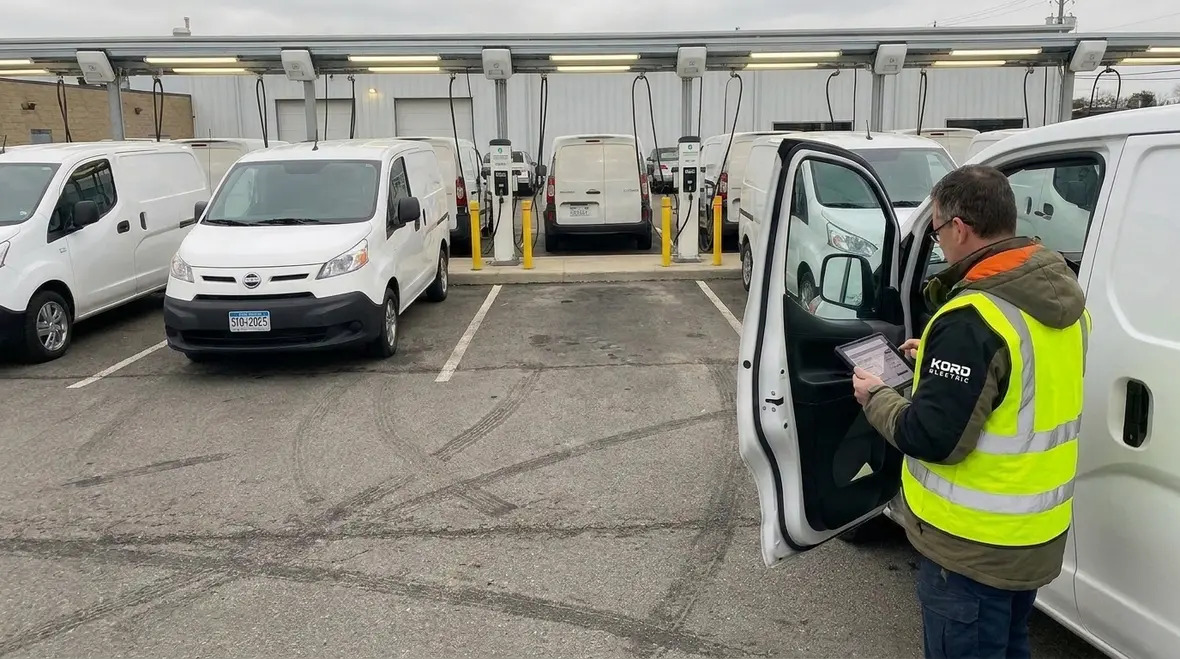
When people talk about fleet EV charging infrastructure California projects, they often start with charger models, incentive programs, or which app has the nicest screenshots. The more reliable path starts somewhere less glamorous: how your fleet actually lives its day. Shift patterns, route timing, and where vehicles really sit still decide how much energy you need and when you need it. The closer your design tracks that reality, the calmer your rollout will feel.
For commercial and industrial facilities, and for major property buildings that host fleets on site, that means stepping away from generic assumptions. A medical courier fleet that makes short, frequent runs behaves nothing like commuter shuttles that rack up long highway miles, just as a property that runs 24/7 security patrols thinks very differently about uptime than a daytime office campus. Your charging plan needs to recognize those differences from the first planning meeting, not after the first driver reports that they will be late to their next stop.
Kord Electric’s approach ties those on-the-ground realities to the site’s electrical constraints. We do not promise magic power that does not exist. Instead, we map what your vehicles need, what your panels can deliver, and where smart controls can bridge the gap without making every peak hour feel like a cliffhanger. If you want a deeper dive on how commercial networks scale beyond a single site, you can also explore Kord Electric’s scalable commercial EV charging network setup guide, which pairs well with the fleet focus in this article.
Section 1: Define charging goals that match how fleets actually operate
Before anyone talks about hardware, we make sure the charging goals match the fleet’s real schedule. For commercial operations and major property buildings, this means reviewing shift times, typical routes, dwell periods, and peak demand patterns. For example, a last mile delivery fleet may return to base multiple times a day, while a commuter shuttle might park for longer at night.
Once the data is clear, we translate it into capacity targets. Charging power matters, but so does time on site. Therefore, we start with how many vehicles must charge at once, and how much energy each needs. Then we select charging levels that fit the duty cycle. This step prevents a common mistake where facilities install expensive equipment that drivers cannot use efficiently, like buying premium coffee but only ever brewing it with a teaspoon.
Our approach also accounts for growth. Fleet managers rarely stay flat, and property operators almost never stay still. So we design for expansion in a staged way, using spare capacity where it makes sense. That mindset aligns with how Kord Electric approaches broader commercial EV charging planning and scaling infrastructure, where the first phase is built to open doors for the second and third instead of painting you into a corner on day one.
Section 2: Perform a site power assessment that avoids painful surprises
Next, we look at the electrical reality of the site. Many teams skip this and pay later, often in the form of delays, change orders, or redesigns. In California, where utility coordination and permitting can take time, a strong assessment up front is the calm before the storm.
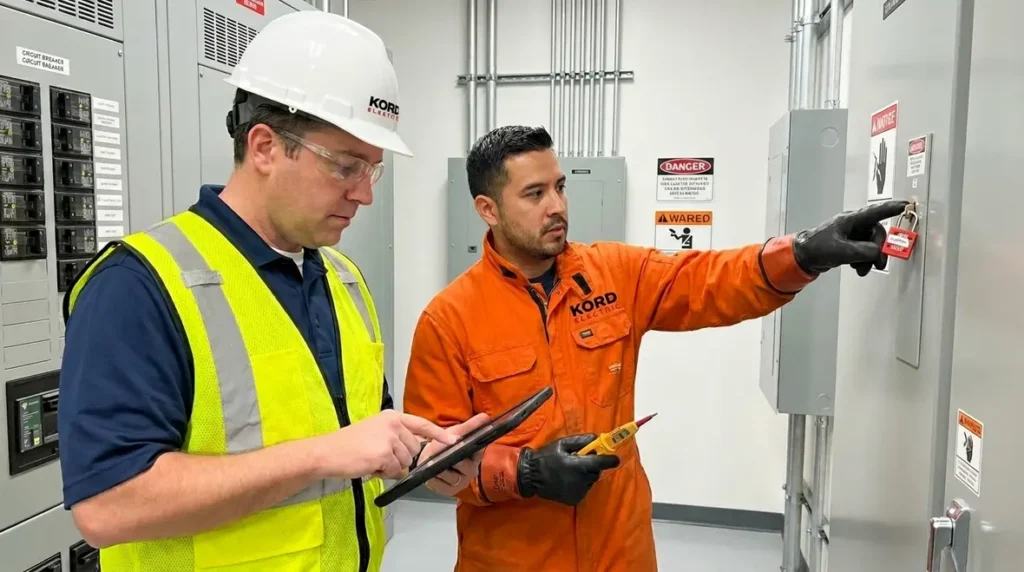
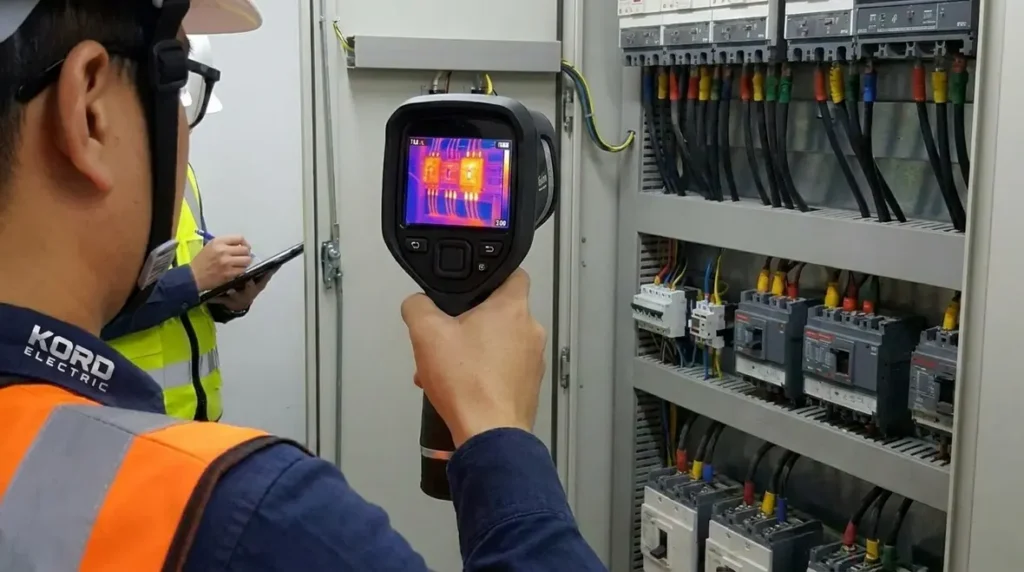
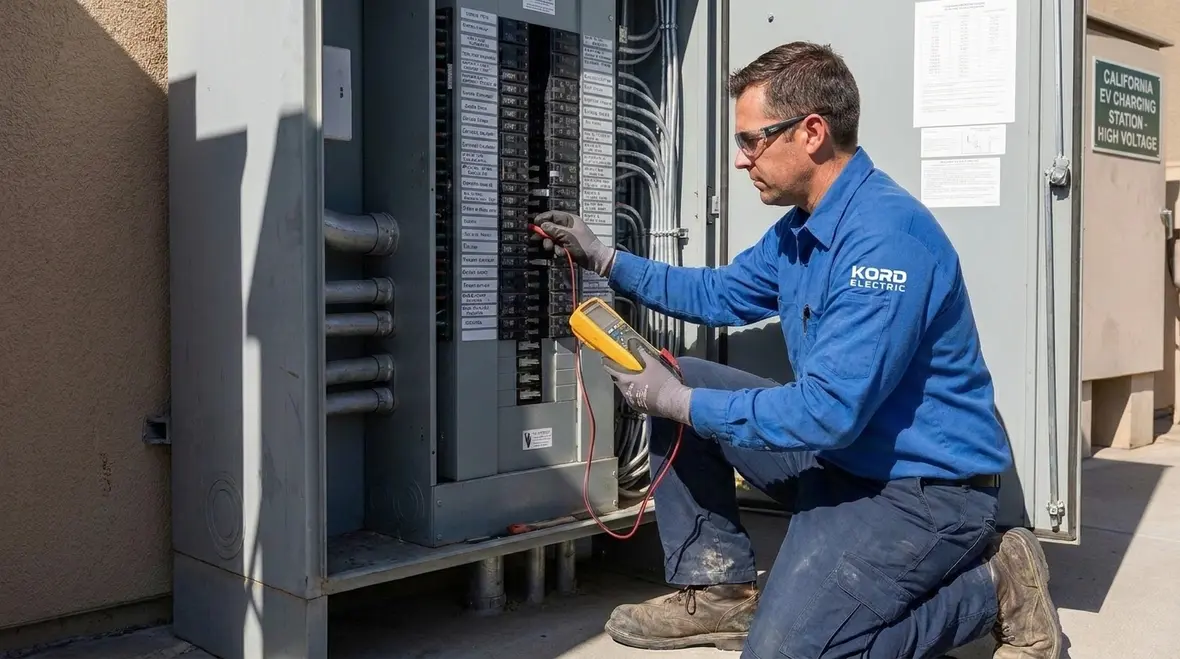
Kord Electric reviews the utility service size, transformer capacity, panel space, main conductor ratings, and existing loads for the building or industrial site. Then our technicians map the charger layout to circuit constraints so the plan aligns with safe load calculations.
We also evaluate how demand charges and peak limits apply to the facility. Even when a charger can technically deliver a certain output, the facility may face billing or operational limits that change what the business should actually request. For that reason, we plan charging behavior, not just hardware.
Finally, we document assumptions clearly. That documentation supports permitting and helps the facility team speak with authority when utility representatives ask questions that feel like they come from a mystery novel.
Design decisions that keep fleet chargers easy to use and easy to grow
Once you understand how much power you have and how your vehicles behave, design decisions start to feel less like guesswork and more like a series of clear, practical tradeoffs. For fleet EV charging infrastructure California sites, those decisions split into three buckets: where chargers live, what type they are, and how your team will live with them over the next decade. Good answers in each category make a busy yard feel organized instead of chaotic.
Section 3: Choose charger types and placement for uptime, not wishful thinking
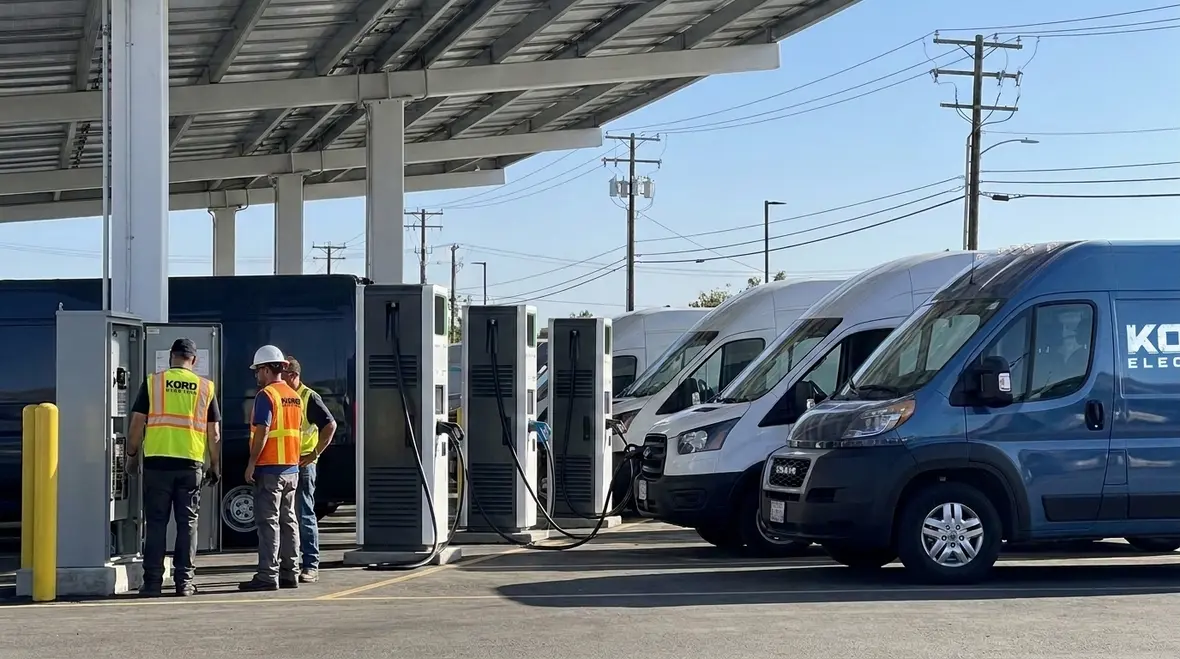
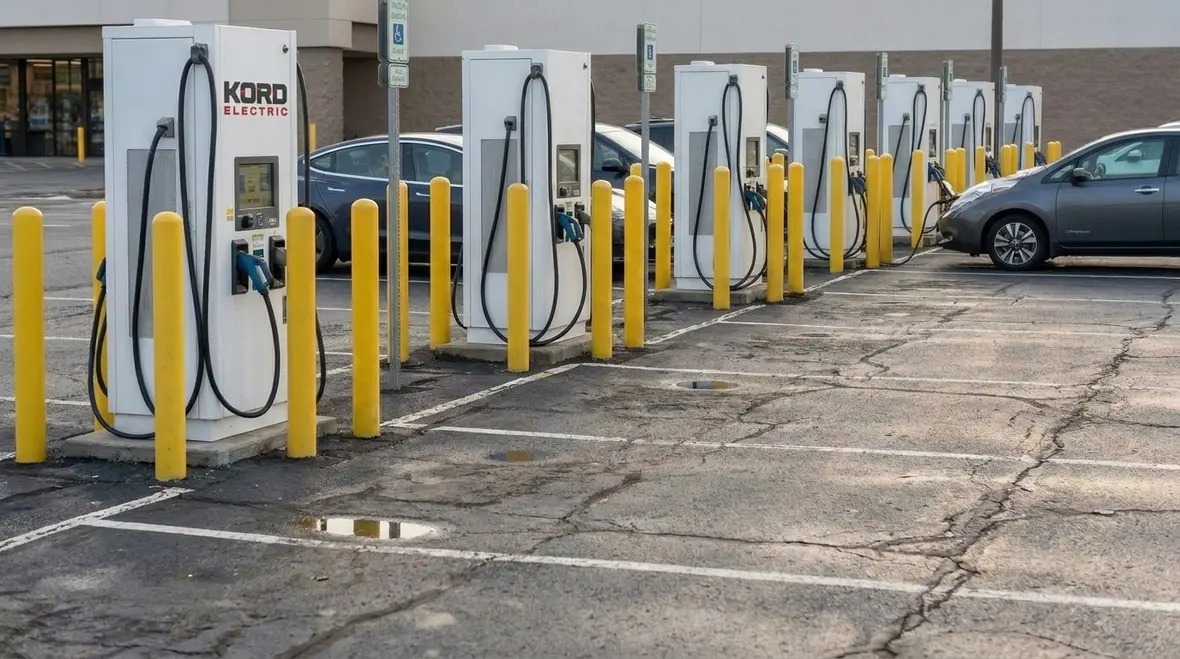
Placement is where planning becomes real. For commercial and industrial facilities, chargers should support driver flow, vehicle access, and safe pedestrian separation. We help clients identify the best parking positions, cable routing paths, and bollard or protection needs so the infrastructure survives daily use.
As for charger types, we guide teams based on charging speed, connector compatibility, and the fleet’s charging window. Some vehicles benefit from higher power for shorter sessions, while others do well with moderate power and longer dwell times. Meanwhile, some sites need a mix because drivers do not always arrive with the same battery state of charge.
We also design for maintainability. Therefore, we select locations that keep service access simple for our technicians and expert service staff. When a component fails, the site should not have to treat repairs like an archaeological dig.
In addition, we consider future upgrades. If a facility expects more vehicles, we plan conduit routes, spare breakers, and electrical headroom so the next phase does not require tearing up brand new pavement.
Section 4: Scale infrastructure with phased deployment and smart load management
Scaling matters most when budgets are real and timelines are tight. Kord Electric typically recommends a phased deployment strategy for fleet sites and major property buildings. Phase one supports the current fleet with enough electrical planning to add more later. Phase two expands chargers while staying within the electrical baseline or utility plan.
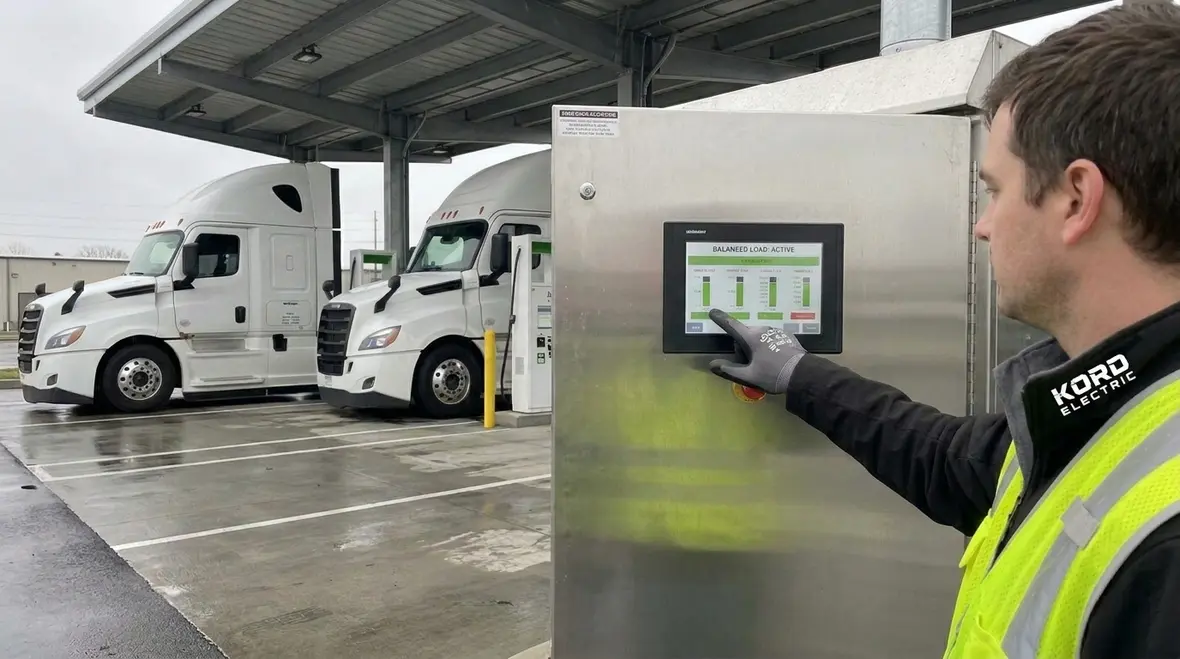
Smart load management helps in both phases. Instead of allowing every charger to run at maximum power at the same time, the system balances available power across connected vehicles. This approach reduces stress on the site electrical system and helps avoid demand peaks. As a result, the facility can increase charging participation without triggering avoidable upgrades.
Moreover, we align the control strategy with business priorities. A facility may want to prioritize certain routes, certain vehicle categories, or certain shift times. We set those rules so dispatch and charging schedules work together, instead of treating them like two departments that never speak.
Our team also helps clients plan for commissioning and testing. Therefore, the chargers do not simply “turn on.” They operate in the way the business expects, with proper network settings, billing or access policies, and safety checks.
Permitting, utilities, and California timelines for fleet charging sites
Section 5: Navigate permitting, utility coordination, and California project timelines
In California, timelines can feel like a slow movie where you know the ending but you still have to watch every scene. However, solid preparation reduces delays. For commercial and industrial facilities, we coordinate the steps that most impact schedules: utility engagement, electrical design review, and local permitting requirements.
Kord Electric supports clients by organizing the technical package clearly. That means electrical one line diagrams, load calculations, site plans, and equipment details that match the final installation approach. Then we coordinate with the site team so the procurement schedule supports the construction schedule.
Utility coordination deserves extra attention because power upgrades or transformer work can take time. In many cases, early utility conversations guide the design so the facility avoids redesign when the utility sets constraints. In other cases, the facility may need a standby plan, such as staged installations or a load managed approach until upgrades complete.
Also, we remind people to plan for civil work and power routing. Conduit, trenching, transformer pad work, and surface restoration should not arrive as surprises. Our technicians factor these needs early so the project proceeds without chaos.
Because many fleets in the region share chargers with tenants or public users, this is also a smart stage to coordinate with broader Los Angeles County commercial electrical services. That way, upgrades that benefit charging can also support other building systems without doubling construction work.
Keeping fleet charging reliable after opening day
Section 6: Operate and maintain charging so performance stays consistent
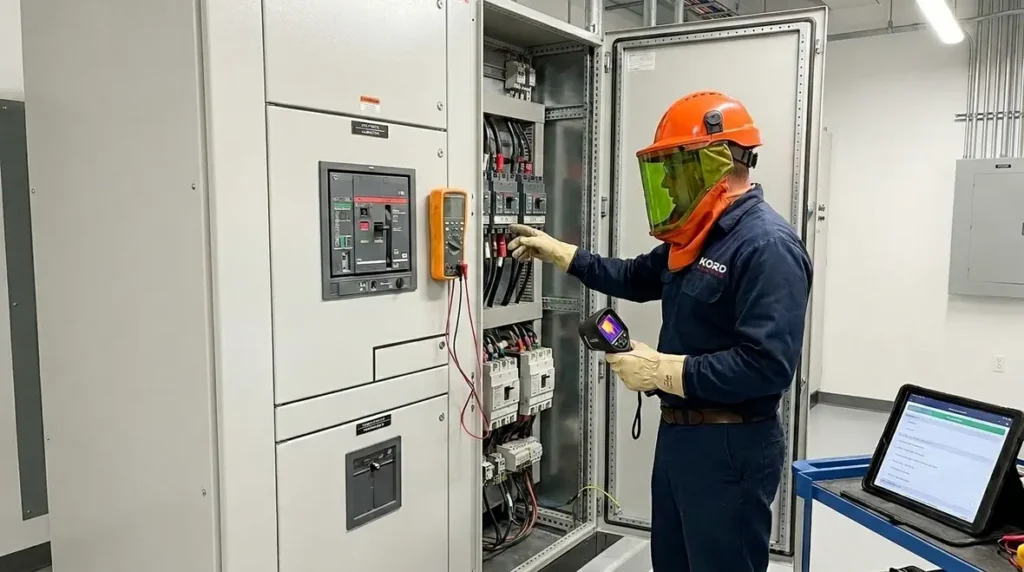
Charging infrastructure should run like a dependable utility, not like a hobby project. Therefore, Kord Electric plans for operation and maintenance during design. We recommend service workflows that include inspections, preventive maintenance, and quick response to faults.
Our technicians and expert service staff explain how the chargers communicate, what events trigger alerts, and how to handle common usage questions from drivers. That clarity reduces downtime. It also helps site managers manage expectations, instead of discovering issues after hours, when everyone is already tired and someone is blaming the internet.
We also plan for component wear. Outdoor installations face weather, cable stress, and repeated plug use. Proper protection, correct installation practices, and scheduled upkeep extend performance life. In addition, we recommend software and firmware update practices to keep systems secure and functional.
Finally, we keep an eye on utilization data. When chargers consistently underperform, it usually signals a workflow issue, not just a charger problem. We help clients review the patterns and adjust usage rules, signage, or power allocation.
Section 7: How Kord Electric supports commercial EV charging from plan to service
When a facility chooses a contractor, they should expect more than installation. They should expect guidance, coordination, and service discipline. Kord Electric supports commercial and industrial facilities and major property buildings across the full lifecycle, from early planning to commissioning and ongoing care.
Our team brings technicians and expert service staff who explain each step in plain language. We do not hide behind jargon. Instead, we help facility managers understand what is happening, why it matters, and what comes next. That approach keeps decisions grounded and helps stakeholders align with reality.
Also, we respect that each site has unique constraints. Some facilities need electrical work, some need civil work, and some need both. We handle those realities with a process that stays organized, so the project team can focus on business operations rather than constant firefighting.
And if someone asks a question that sounds like it belongs in a superhero origin story, we answer it. The goal is steady, reliable charging that supports fleet operations without drama.
For teams that want help turning a feasibility sketch into real equipment on the ground, Kord Electric’s dedicated commercial EV charger installation services connect planning, field work, and long-term support into a single path. That way, you are not left coordinating multiple vendors every time a schedule changes or a panel label needs updating.
FAQ: Fleet EV charging infrastructure planning for California businesses
Conclusion: Start the right plan, then scale with confidence
California fleet charging works best when commercial and industrial facilities plan power, layout, and operations as one system. Kord Electric helps businesses map the real charging workflow, coordinate utilities, and build infrastructure that scales without constant redesign. If you want a project plan that stays grounded in your site constraints, reach out to us. Our technicians and expert service staff will walk your team through options and next steps, so you can launch charging with calm certainty, not uncertainty.
From the first feasibility conversation to the day your vehicles plug in, the most reliable fleet EV charging infrastructure California projects share the same pattern: honest power assessments, realistic rollout phases, and a contractor who treats uptime like part of the design, not an afterthought. When you are ready to connect planning to a real, code-compliant build, Kord Electric is prepared to help you take the next step.