Commercial EV Charging Planning Guide: Scaling Infrastructure With Confidence
Commercial EV charging planning is no longer a side project for modern facilities. It is a core part of how fleets, logistics hubs, and major commercial properties keep vehicles moving without tripping breakers or stalling operations. When done well, a charging network feels invisible: drivers plug in, sessions finish on time, and your electrical system carries the load without drama. When done poorly, every busy morning becomes a test of patience and panel capacity.
This guide walks through how Kord Electric helps commercial and industrial facilities scale EV charging infrastructure in phases that feel deliberate instead of improvised. We connect demand modeling, power planning, construction sequencing, and long term operations into one coherent strategy. Along the way, we will keep the tone real, because “just add chargers and see what happens” belongs in a sitcom, not in your capital plan.
Scaling Commercial EV Charging: A Strategic Infrastructure Guide
At Kord Electric, our approach to commercial EV charging planning starts with the reality that businesses need more than a few chargers and good intentions. We help commercial and industrial facilities, along with major property buildings, build charging networks that grow with demand, fit existing electrical capacity, and stay reliable during the hours that actually pay the bills. In this guide, we outline how others often overbuy hardware up front, underbuild power upgrades, and then act surprised when the network behaves like a sitcom with bad timing. Meanwhile, we scale the system with a plan that makes sense, so your site can serve more vehicles without turning your parking lot into a mystery novel.

This strategic mindset aligns with how we approach EV charging infrastructure scalability for commercial sites across our broader project portfolio, where electrical planning and load management come first and hardware choices follow. Our technicians and expert service staff bring that same disciplined framework to every commercial EV charging design, whether you are adding a small fleet hub or building out a multi parking level network at a major property. ([kordelectric.com](https://kordelectric.com/kord-electric-blog/ev-charging-infrastructure-scalability-for-commercial-sites/?utm_source=openai))
How we map demand before we touch the breakers
First, we define who charges, when they charge, and how many sessions matter. Then, we translate that into a power plan. Our technicians and expert service staff walk through the basics with decision makers, because “more chargers” is not a strategy. It is a shopping list.
We look at usage patterns such as shift changes, delivery routes, employee schedules, and visitor traffic. For instance, a logistics yard often needs charging that lines up with vehicle dwell times. A retail property with office tenants needs a different schedule, since charging peaks during business hours and sometimes after. Additionally, we track future growth based on fleet replacement plans, tenant mix, and regional EV adoption trends.
Then we model the load so we can scale intelligently. Instead of guessing, we use site data to estimate how many vehicles you can serve at useful power levels. As a result, the final design supports real charging behavior, not just a count of charging ports. And yes, we have heard the joke that “electrons don’t care about your timeline.” But in practice, they obey your infrastructure upgrades.
For facility teams who also want to understand how that demand mapping affects real world budgets, our commercial EV charging installation cost guide dives into how power, trenching, and civil work interact with scaling plans. Reading it alongside this planning framework helps connect the dots between what you want to build and what the numbers actually say. ([kordelectric.com](https://kordelectric.com/kord-electric-blog/commercial-ev-charging-installation-cost-guide/?utm_source=openai))
Translating charging behavior into electrical design
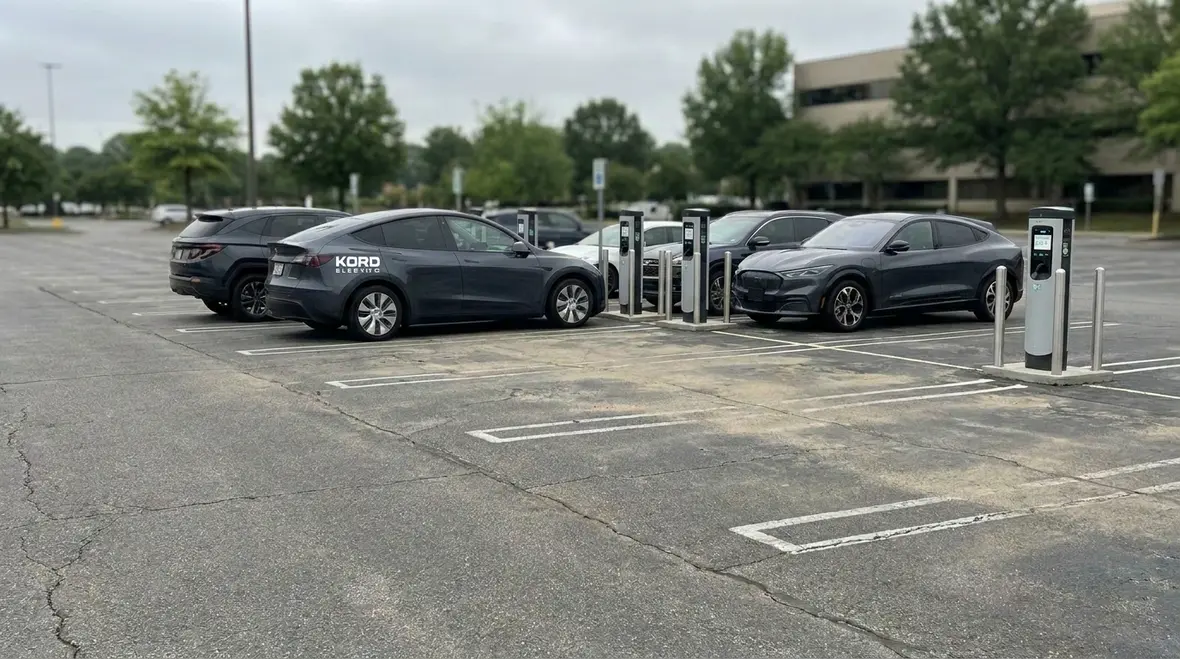
Once we have traffic and charging behavior mapped, we tie those patterns to specific electrical decisions. That includes predicting overlapping sessions, identifying critical windows such as early morning fleet rollouts or end of shift returns, and deciding where buffer capacity is non negotiable. In other words, we design around the day you are busiest, not the day you wish you had.
What electrical capacity and load management actually mean
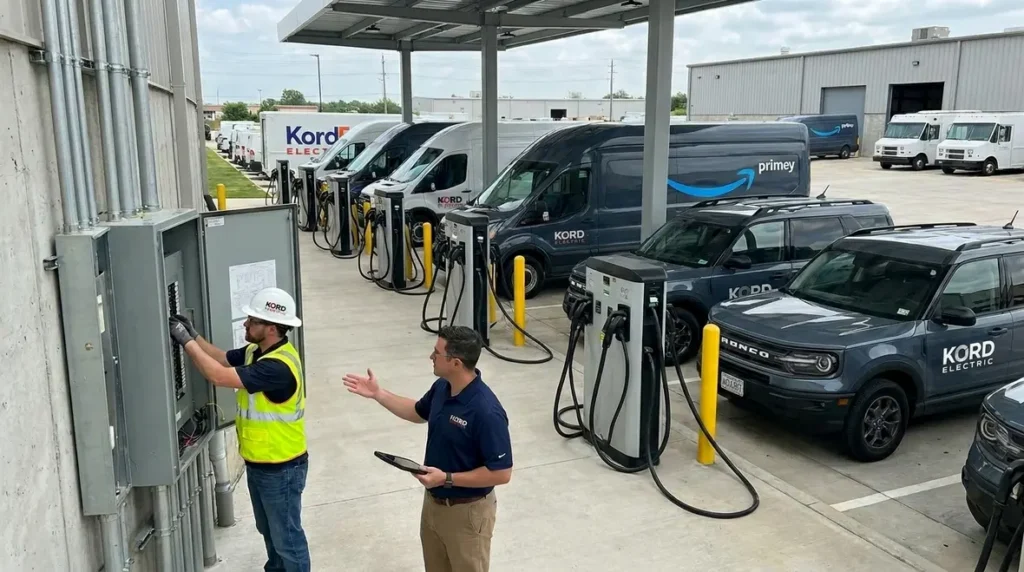
Next, we address the grid and the building. Many commercial sites already have electrical service, but it may not have the headroom for steady EV charging. Therefore, we begin by reviewing the main service rating, transformer capacity, switchgear limits, and distribution panel availability. We also examine demand history, since peak loads can crush capacity even when average usage looks fine.
At this stage, our team explains options in plain language. We do not just toss around terms like “load diversity” or “managed charging.” We walk people through what happens when multiple vehicles charge at once, especially when several stalls start drawing power during the same arrival window. Then, we show how a managed system schedules power so the site stays within safe limits.
In many cases, the best path includes upgrades such as transformer replacement, new feeders, or panel additions. However, we often find that smart charging controls reduce the size of upgrades required. That means you can expand charging capacity without repeating the same civil work every time you add vehicles. In other words, you avoid paying “construction tax” twice.
This philosophy is the same one we apply when designing commercial EV charger installation projects from scratch. We evaluate service capacity, model future scenarios, and recommend the right mix of physical upgrades and load management so your infrastructure supports both today’s vehicles and tomorrow’s growth. If you are exploring the jump from planning to execution, reviewing our dedicated EV charger installation service page is a strong next step. ([kordelectric.com](https://kordelectric.com/ev-charger-installation/?utm_source=openai))

Managed charging as an infrastructure multiplier
Managed charging is more than a checkbox in a proposal. It is the control layer that decides which vehicles get full power, which sessions can ramp slowly, and how to keep your facility below service limits. For commercial and industrial facilities, this means fewer surprise upgrades, more predictable demand charges, and a system that can serve more ports from the same backbone.
How we scale the network with phases that do not break later
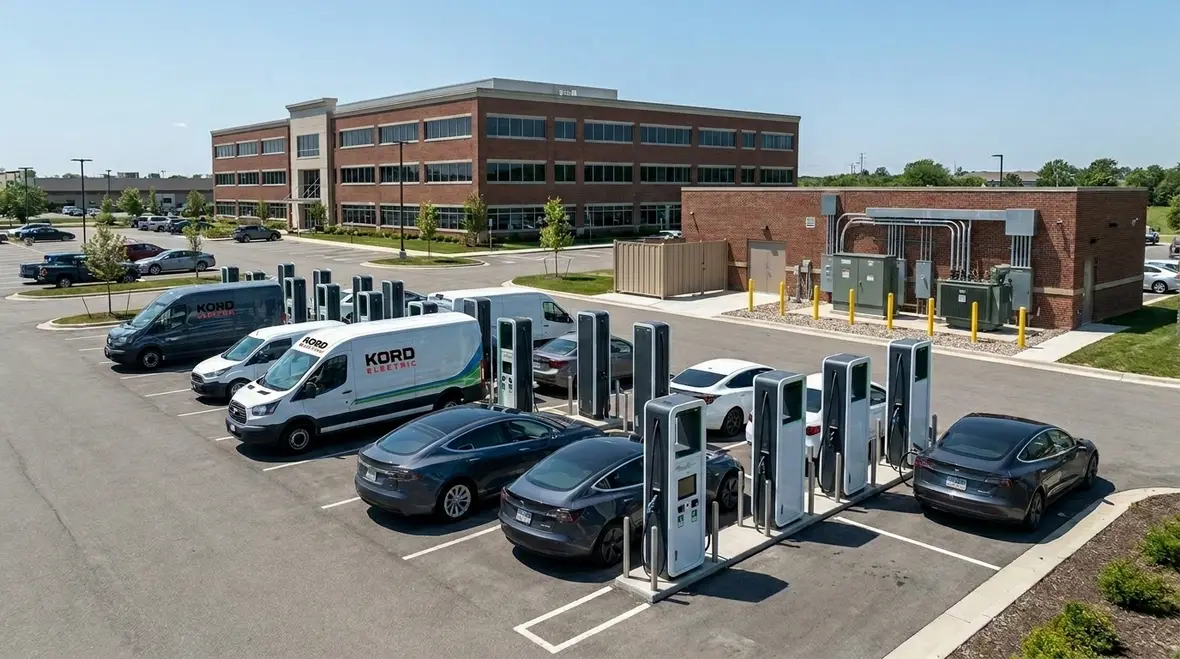
Once we know demand and power constraints, we build in phases. Phase one supports today’s fleet and early growth. Phase two adds more capacity where demand expands. Phase three prepares for future vehicle types and higher charging needs. This approach keeps the project flexible, because tomorrow’s fleet decisions change, and your site should not suffer for that.
We plan locations for chargers based on traffic flow, cable routing, and safety. We also plan for future expansion by reserving space in electrical rooms and planning cable pathways early. Otherwise, teams end up relocating equipment and redoing conduit, which feels like rebuilding a patio after you already paid for the grill.
Because we serve commercial and industrial facilities only, we treat reliability as a core requirement, not a bonus feature. We design for uptime, proper protections, and maintenance access. That includes selecting components that work in real weather, dealing with parking lot conditions, and ensuring that the charging system remains stable during peak operating hours.
Designing phases that respect real construction work
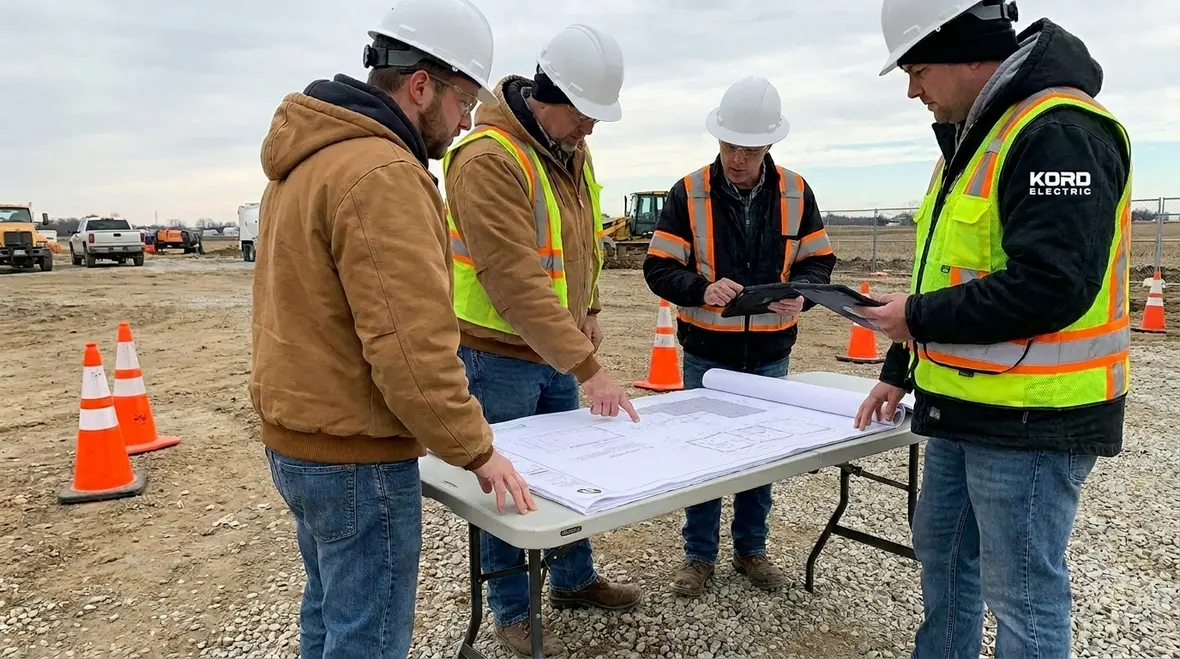
Each phase is planned with construction reality baked in: trenching limits, pulling distances, concrete work, and staging areas. We do not simply add phases on paper and hope the field team sorts it out. Instead, we make sure each round of work feels like an intentional upgrade, not a repeat of everything you just paid for. This mindset echoes the way we structure long term commercial and industrial electrical maintenance plans, where proactive steps now prevent painful rework later. ([kordelectric.com](https://kordelectric.com/kord-electric-blog/commercial-and-industrial-electrical-maintenance-plans/?utm_source=openai))
Where power upgrades fit into the real project timeline
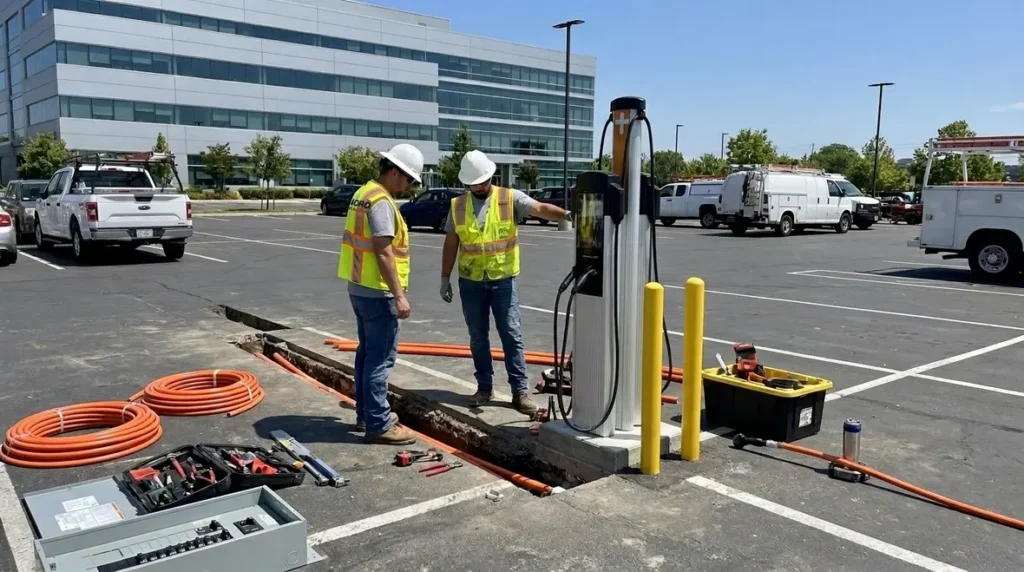
When clients ask about scheduling, we answer with sequencing. First, we complete engineering and site reviews. Next, we procure equipment and confirm electrical upgrade needs. Then we plan trenching, conduit runs, and mounting work. Finally, we install chargers and commission the system.
However, electrical utility approvals and electrical procurement can affect timelines. Therefore, we tell stakeholders early what can cause delays. If the site needs transformer work, we plan lead times in the schedule. If the project requires panel upgrades or new switchgear, we secure long lead components early. And if the utility needs coordination, we start conversations as soon as the design is ready.
We also guide clients on how to avoid downtime during installation. Many commercial properties cannot shut down operations, so our crew coordinates work windows and manages safety controls. Our technicians and expert service staff handle on site details so the project stays controlled, even when the schedule gets busy. Because sometimes operations run like a fast train, and you cannot stop it just to install a charger.
Coordinating with utilities and permitting authorities
Commercial EV charging projects touch multiple stakeholders: utilities, AHJs, inspectors, and sometimes incentive program administrators. We bundle these conversations into the sequencing plan instead of treating them as afterthoughts. That coordination mindset mirrors our approach to incentive heavy projects, such as EV charger rebates for California commercial properties, where timing and documentation can make the difference between smooth approvals and frustrating delays. ([kordelectric.com](https://kordelectric.com/kord-electric-blog/ev-charger-rebates-california-for-commercial/?utm_source=openai))
How pricing and ROI shift at scale
At smaller installations, decisions can feel simple: buy chargers, install, and move on. But at scale, costs shift. The biggest variables become electrical work, permitting, trenching, and the operational model for users. As charging networks grow, the business case depends on utilization rates and how quickly vehicles turn through charging sessions.
We help clients evaluate ROI with a practical lens. We look at expected throughput, charging pricing strategy, and potential demand for reserved charging. We also consider whether you want chargers for fleet operations, customer parking, employee use, or a mix. Each use case changes utilization and maintenance needs.
Then we connect ROI to design choices. For example, a managed charging setup can reduce upgrade costs and protect service capacity. In addition, a phased plan prevents “stranding” earlier hardware. Instead of replacing equipment after capacity limits appear, we scale in a way that keeps the system productive as your load grows.
And yes, we occasionally hear someone say, “We will upgrade later.” Later can turn into never, especially when operations need stability. Our job is to build the timeline that makes “later” actually happen.
Linking budgets, incentives, and long term performance
Because commercial EV charging planning touches capital budgets, operating expenses, and even tenant experience, we frequently pair infrastructure scaling discussions with our commercial EV charging installation cost breakdown and our guidance on incentives. That combination lets decision makers compare scenarios: fewer chargers with lower initial cost, phased builds with higher future flexibility, or more aggressive build outs when rebates and utility programs are strong. ([kordelectric.com](https://kordelectric.com/kord-electric-blog/commercial-ev-charging-installation-cost-guide/?utm_source=openai))
How we handle data, security, and day to day operations
After installation, commercial charging becomes an operational system. Therefore, we design for monitoring, clear performance reporting, and serviceability. Our expert service staff explains how the network behaves, what alerts mean, and how to respond when something needs attention.
We also focus on user experience. Drivers should see the charger status, understand availability, and complete sessions without confusion. For commercial sites, this matters even more because delays affect schedules and deliveries.
Security and reliability matter too. We follow safe installation practices and ensure components integrate cleanly with the charging hardware and management controls. This protects the network and reduces the likelihood of downtime caused by configuration mistakes or avoidable issues.
To keep everything running smoothly, we offer service guidance aligned with commercial and industrial needs only. That means we treat maintenance as a planned part of the system, not a last minute scramble. If a parking lot is like a stage, then our work keeps the show going, even during the busiest “show times.”
Integrating charging into broader electrical reliability
Our charging projects rarely live in isolation. They connect to lighting upgrades, voltage stability improvements, and preventive maintenance programs. By viewing EV charging as one layer in the broader electrical system—alongside services like voltage fluctuation correction and industrial lighting installation—we help facilities avoid siloed decisions that look fine on paper but clash in the field. ([kordelectric.com](https://kordelectric.com/voltage-fluctuations-commercial-industrial/?utm_source=openai))
Frequently asked questions for commercial sites
Make the move now with Kord Electric
Ready to scale charging without guessing? We at Kord Electric build commercial EV charging planning that fits your electrical capacity, supports phased growth, and stays reliable during real business hours. Our technicians and expert service staff explain the steps clearly, so stakeholders understand what is happening and why. If you manage fleets, facilities, or major properties, contact us for a site assessment and a strategic infrastructure plan. Let’s turn your charging plan into something that works now, and scales later.
If you are prepared to move from planning into implementation, explore how our commercial & industrial EV charger installation services take this strategic framework and turn it into engineered drawings, field work, and fully commissioned charging systems built for long term performance. From first walkthrough to final testing, we keep the process grounded, predictable, and aligned with how your facility actually runs. ([kordelectric.com](https://kordelectric.com/ev-charger-installation/?utm_source=openai))
And if your team also needs help stabilizing other parts of your electrical infrastructure—whether it is resolving voltage fluctuations, planning lighting upgrades, or organizing preventive maintenance—we integrate those services so your EV charging project strengthens the whole system instead of standing alone. When your infrastructure works together, scaling EV charging stops feeling risky and starts feeling like an obvious business decision. ([kordelectric.com](https://kordelectric.com/voltage-fluctuations-commercial-industrial/?utm_source=openai))