

Data Center Power Redundancy for Uptime Commercial Sites
Designing for Uptime and data center power redundancy: why commercial sites can’t gamble
When a business depends on servers, chillers, cranes, elevators, or critical process lines, downtime becomes an expense with teeth. That is why data center power redundancy needs to be designed into a facility from day one, not patched in after something fails. At Kord Electric, we work with commercial and industrial facilities and major property buildings, where uptime is not a slogan, it is a requirement. And while some people treat backup power like a “just in case” toy, we treat it like a mission plan.
In this article, we explain how others in the field should think about redundancy, how our expert service staff explains the logic in plain terms, and how we help teams build systems that keep running when the grid, a component, or a switch decides to act up.
What redundancy means to a power system, not just a brochure
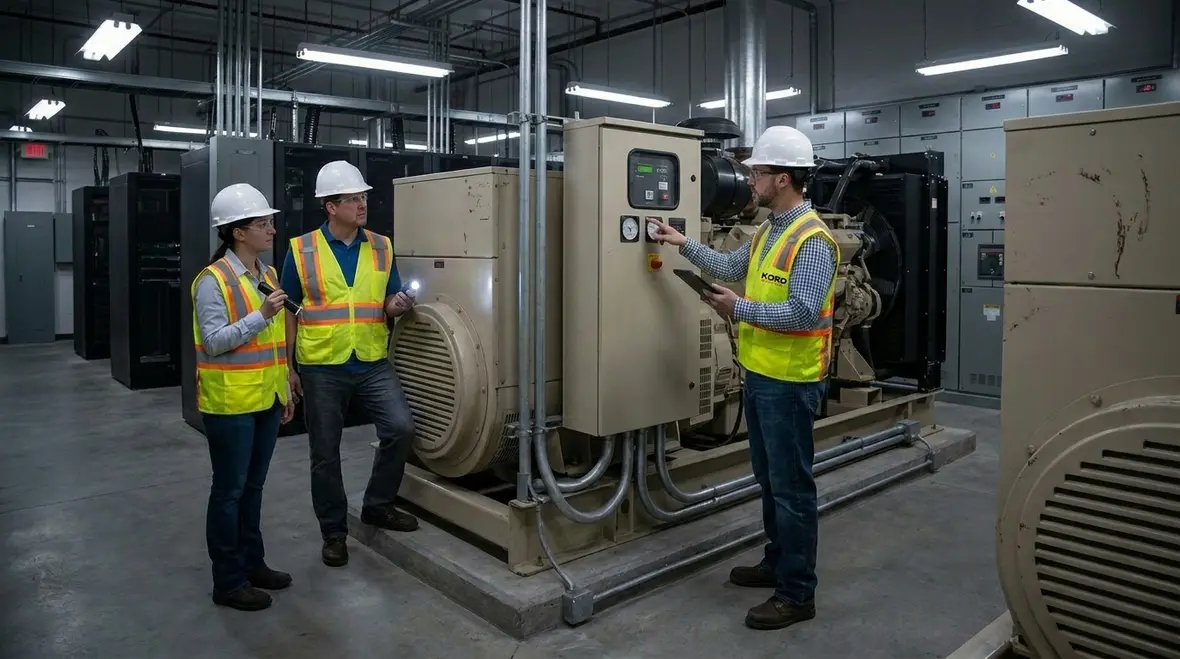
Our engineers and technicians start by defining redundancy as the ability to keep power available even when one path stops. That means the design aims to prevent a single fault from turning into an outage. However, “redundant” does not mean “mystically protected.” It means real separation, correct switching logic, and reliable components that coordinate under stress.
For commercial and industrial facilities and major property buildings, redundancy usually focuses on the chain from utility input to critical loads. Then we map how power flows during normal operation, during a transfer, and during repairs. In other words, we design for the moments when people need the system most: the instant a breaker trips, the second a generator starts, and the minute a UPS switches modes.
Yes, that “minute” can still be long in human time, so we also look at system response times. If the design ignores those details, the building might stay lit, but operations can still stumble. That is the difference between staying powered and staying productive.
If you want a deeper dive into how electrical reliability behaves under real conditions, Kord Electric’s Data Center Electrical Requirements for Uptime article walks through how the entire chain from utility to IT load shapes mission critical performance.
Multiple layers of backup power that actually coordinate
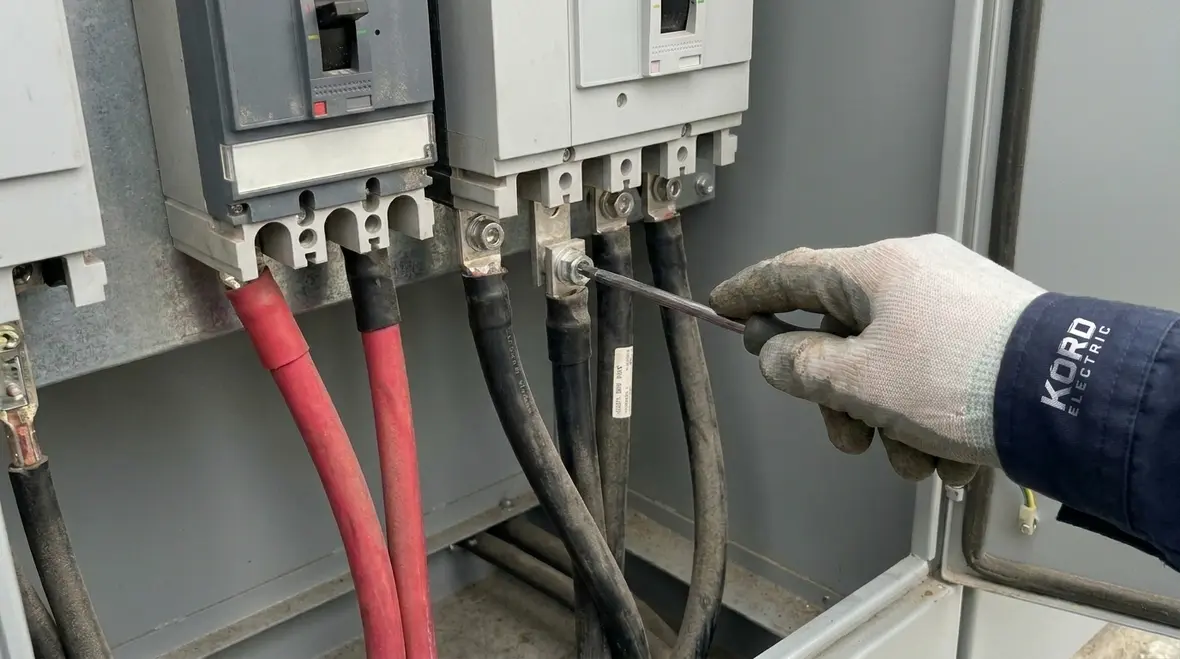
Many facilities use one layer of backup, then call it a day. Instead, we help teams plan multiple layers that work together. Typically, a coordinated approach uses a mix of utility power, UPS systems for clean ride through, standby generators for longer duration support, and distribution gear designed to limit the impact of failures.
Here is how we think about coordination, with our technicians explaining it on site like they are teaching a new hire. First, the UPS bridges the gap so critical systems do not see instability. Next, the generators take over when their control logic confirms stable operation and proper synchronization rules. Finally, the transfer and distribution devices route power to the correct panels and systems.
To keep reliability high, we also examine how load segmentation works. For example, if an entire data load shares one feed without safe partitioning, a fault can trip everything. On the other hand, if design teams separate critical loads into properly protected branches, the facility can keep key systems alive while a non critical section gets isolated.
In short, we build redundancy with a plan, not with wishful thinking. Pop culture teaches us that superheroes still need a team, and your power system is no exception.
For facilities building out their own “team” of power equipment, Kord Electric’s Data Center Electrical Distribution Design for Reliability article shows how distribution architecture, selective coordination, and maintenance planning lock together long before the first outage test.
How we reduce risk with switching, protection, and fault isolation
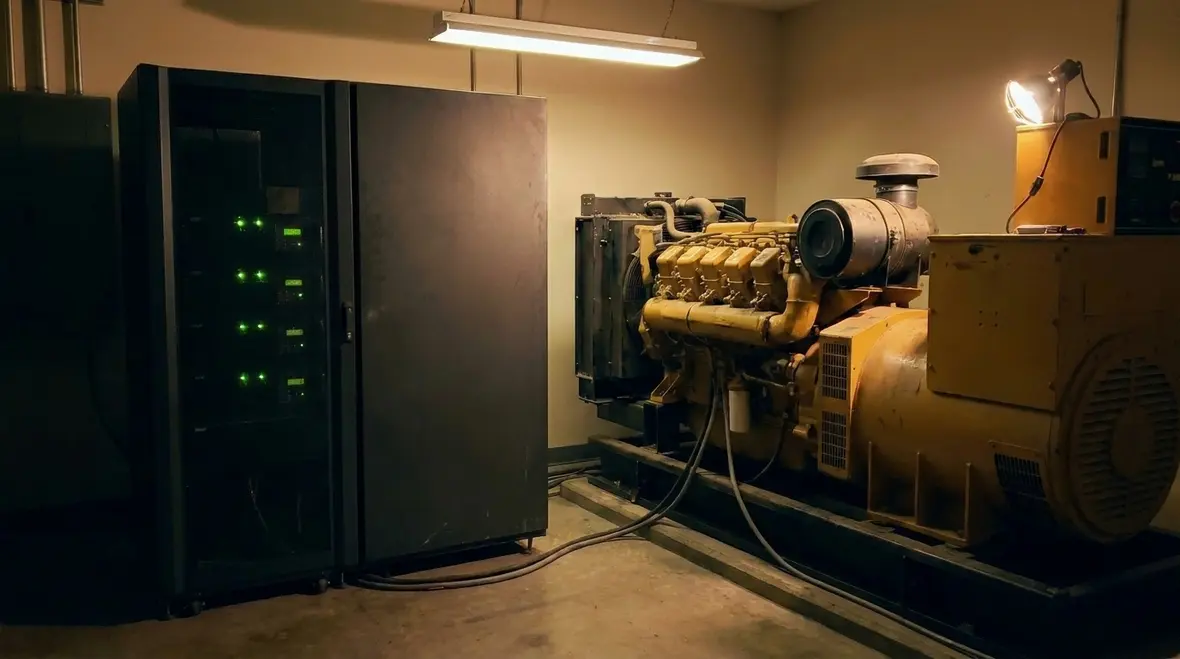
Once the layers are defined, we focus on the behavior of the system during faults. We ask a simple question: what happens when something fails, and what happens next? Our experts review switchgear, breakers, transfer systems, and protective relays so a fault stays contained. That is where uptime engineering becomes real.
Protection design has to match the actual fault levels and operating conditions. If the settings drift, discrimination fails, and devices may trip in the wrong order. As a result, a single problem can remove more power than necessary. Therefore, our technicians verify coordination studies, review relay logic, and confirm that protective devices operate predictably under both normal and abnormal conditions.
Switching strategy matters too. In a well planned setup, transfers occur in a controlled sequence that prevents backfeed and avoids unstable voltage conditions. We also examine how manual and automatic transfers behave, so staff can act confidently when the system calls for human hands.
And because your team does not want training during an emergency, we document procedures clearly. We explain the steps in business language, not textbook language, so others can follow them under pressure. That calm, methodical approach keeps outages shorter and repair work safer.
Designing power pathways to avoid the “single point of failure” trap
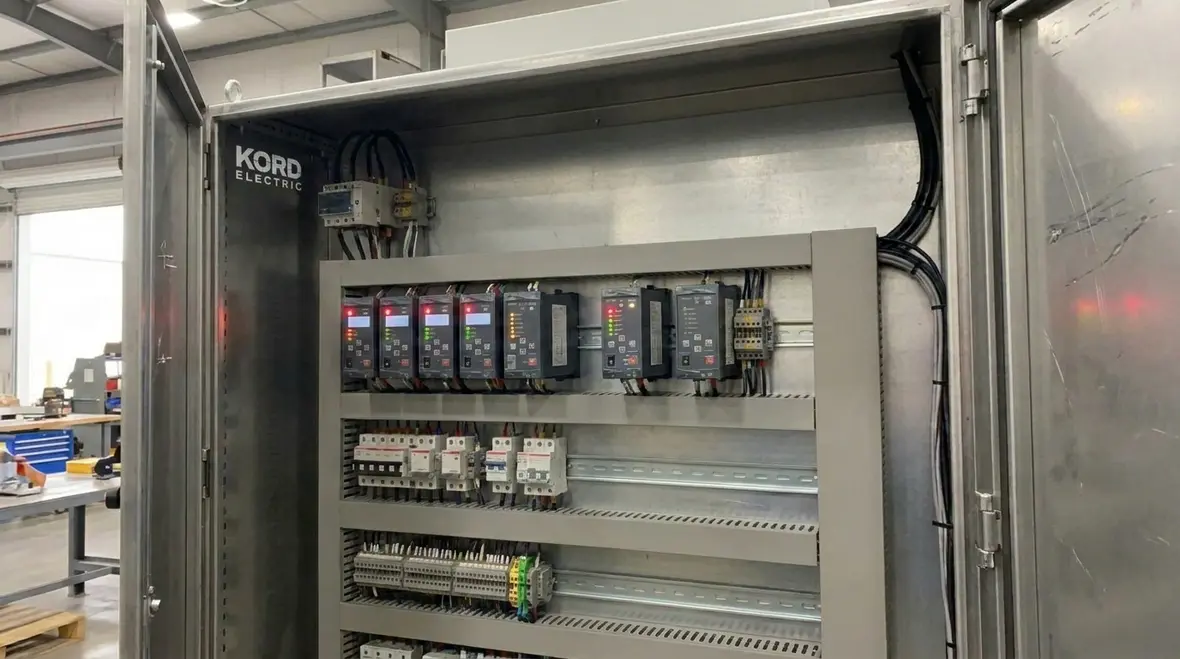
Even when companies buy backup equipment, they sometimes route it in ways that defeat the purpose. For instance, two “separate” feeds can still share the same bus, the same conduit run, or the same electrical room. If a fire, flood, or damage event affects one area, both paths can fail at once. That is the single point of failure trap, and it shows up more often than anyone wants to admit.
At Kord Electric, we design pathways so critical components remain physically and electrically separated where needed. We also consider environmental risks that affect commercial and industrial facilities and major property buildings. Moisture, dust, and temperature swings are not just comfort issues. They affect insulation, connections, fans, and long term performance.
We then verify that distribution supports maintenance without full shutdown. In a good system, teams can isolate parts for service while keeping other loads powered. That means we plan for maintenance bypass routes, clear labeling, and safe isolation methods that follow proper procedures.
Because uptime is not a one time event, we also plan for growth. Facilities expand, racks multiply, tenants change loads, and mechanical systems get upgraded. If the redundancy design leaves no room for expansion, the system will become cramped and risky over time. We help others design with spare capacity and smart load management, so future work does not erase reliability gains.
For facility teams that want to connect these concepts back to the bigger picture of electrical infrastructure, the Data Center Electrical Infrastructure Essentials guide breaks down how transformers, switchgear, and power paths support the uptime story behind the scenes.
Testing, commissioning, and ongoing maintenance that prove redundancy works
A design can look perfect on paper and still fail during real life. That is why we emphasize commissioning and testing. We involve our experienced service staff early, because they understand how systems behave when controls, sensors, and breakers respond to actual conditions.
Testing includes functional checks of transfers, verification of generator startup behavior, UPS mode transitions, and load bank evaluations where appropriate. It also includes protective device tests to confirm coordination stays intact. Then we document results so facilities can track trends, not just pass or fail once.
We also recommend maintenance schedules that match actual operating demands. For example, batteries have a life cycle and need replacement planning well ahead of failure. Switchgear needs inspection for thermal performance and contact integrity. Cooling systems for power equipment must remain healthy because heat is a silent enemy.
Our technicians help facilities plan maintenance windows without harming operations. We explain the “why” behind each task, and we keep the process steady and businesslike. In practice, this reduces surprise calls at 2 a.m., which is the closest thing to magic that commercial teams want.
For a maintenance view tailored to mission critical environments, Kord Electric’s Data Center Electrical Maintenance Checklist gives facility managers a structured way to turn “once a year luck and vibes” into disciplined inspections, testing, and follow up.
Commercial building execution: coordination across trades and tenants
Redundancy also depends on how the facility is built and managed. Power systems intersect with fire protection, life safety, mechanical equipment, and tenant fit outs. Therefore, we coordinate with other trades and building management teams so electrical decisions align with the full operations plan.
For major property buildings and commercial sites, we also account for how teams handle tenant changes. New office floors add IT load, new labs add cooling demands, and retail upgrades add power for lighting and HVAC. We help others plan for these changes using capacity checks, load studies, and clear documentation of feeder responsibilities.
Then we make sure the emergency response plan matches the electrical design. People need to know which panels serve which critical areas, how to identify the correct transfer path, and how to confirm equipment status safely. Our service staff often trains building teams with simple walk throughs, so the first time someone sees a control sequence is not during a real emergency.
This matters because redundancy is not only hardware. It is also people, processes, and coordination. When those align, the building runs like it is supposed to, not like it is guessing.
FAQ
Bring your uptime plan to life with Kord Electric
At Kord Electric, we help commercial and industrial facilities build and maintain dependable power systems that support real uptime goals. We design coordinated layers, improve fault isolation, and verify performance through commissioning and practical testing. Then our expert service staff documents everything so your team can operate with calm confidence. If you want your power system to stay steady when conditions get messy, contact us. Let us review your current layout and show you where reliability can improve, without drama.
If your facility is planning a data hall build, an upgrade to existing IT spaces, or broader improvements to commercial electrical systems, pairing your redundancy plan with Kord Electric’s Commercial Electrical Systems for Modern Buildings guidance keeps the bigger picture in focus while you fine tune the details of data center power redundancy.
And when you are ready to turn planning into a concrete scope of work, our team can align your project with the same reliability mindset we bring to commercial and industrial electrical maintenance programs, so today’s upgrade also supports tomorrow’s uptime strategy.


