Industrial Electrical System Audit Guide: Timing and Planning
Industrial Electrical System Audit: the moment we stop guessing and start knowing
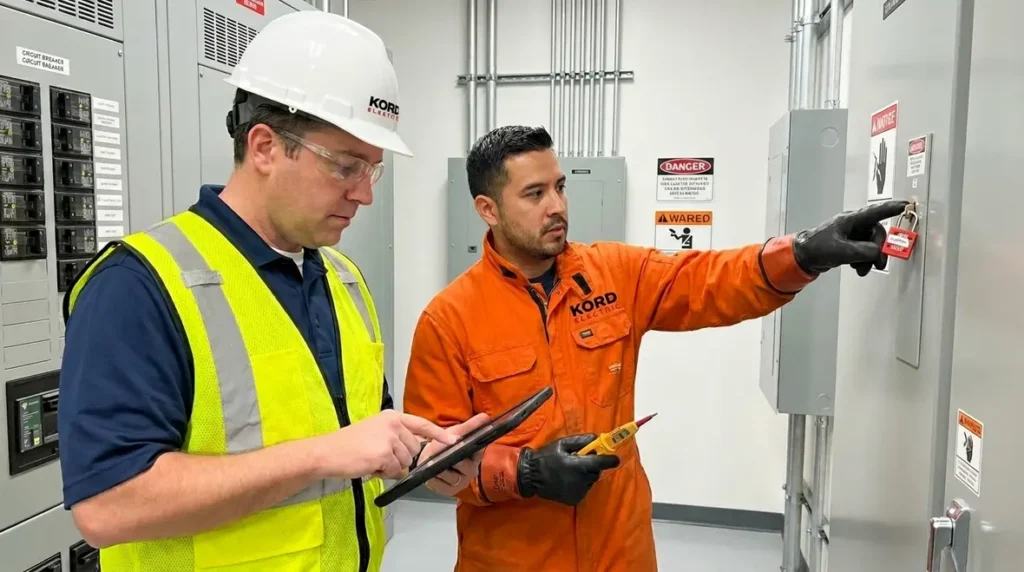
In commercial and industrial facilities, electrical trouble rarely shows up politely. It usually arrives like an uninvited guest who claims they can “totally handle it,” then disappears right before the bill. That is why we recommend an industrial electrical system audit from Kord Electric early enough to prevent surprise downtime. During our industrial electrical system audit, our technicians and expert service staff examine how your power system behaves under real conditions, not just how it looks on paper.
And yes, we understand that scheduling another service can feel like adding one more line item to an already packed calendar. However, when you treat your electrical system like a living asset instead of a mystery box, you protect people, production, and budgets. Let’s walk through when to schedule it, what we check, and how the timing usually makes the biggest difference.
Signs the electrical system is nearing its “eventful season”
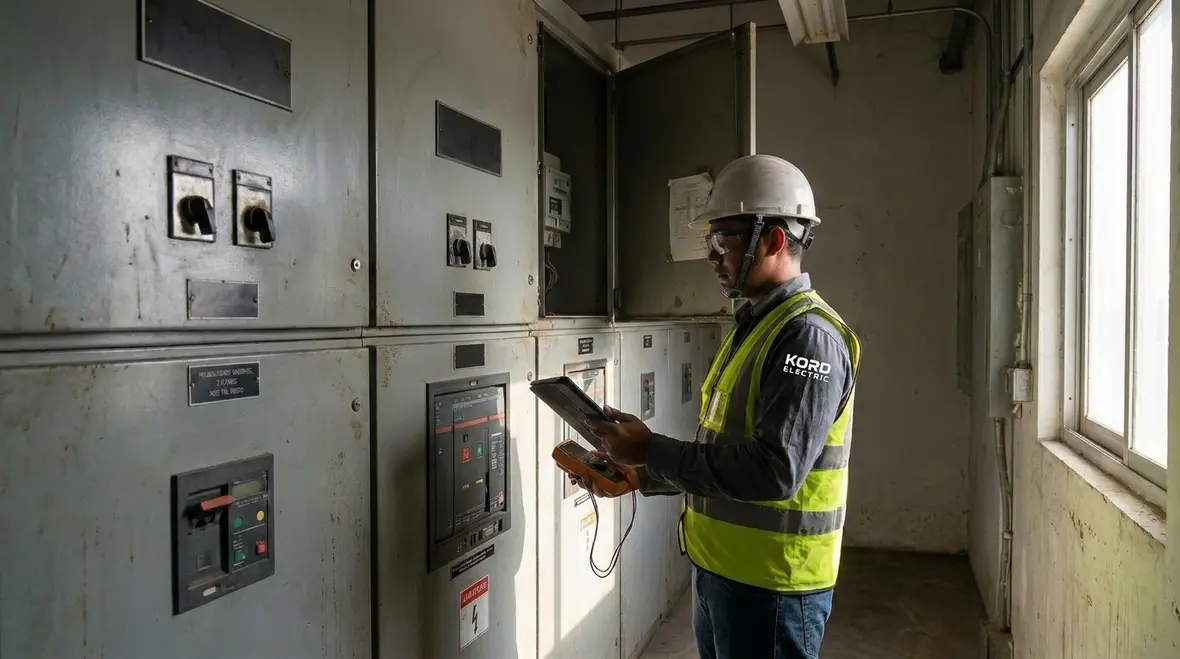
Even well maintained facilities can drift over time. Parts age, loads change, and maintenance schedules get rearranged by real life. So we look for patterns that suggest the next failure might not be far behind. When these signs show up, others often wait for a total breakdown. We do not.
Our technicians typically advise scheduling the audit if you notice frequent breaker trips, nuisance alarms, overheating in panels, or repeated faults on the same circuits. Also, if your facility has expanding production lines, new HVAC loads, electric vehicle charging, or additional refrigeration, the electrical design can end up working outside its original intent. That is where an audit helps us confirm what your system can truly handle. For locations already seeing instability, many property teams also review how we handle voltage fluctuations in commercial and industrial facilities to understand the link between power quality and future risk.
We also pay attention to power quality symptoms like flicker, inconsistent voltage, or sensitive equipment resetting at odd times. At that point, the problem may not be “bad wiring” in a simple way. It can be imbalance, harmonics, loose connections, or poor grounding. In other words, the system may look fine until you ask it to perform like it did on day one.
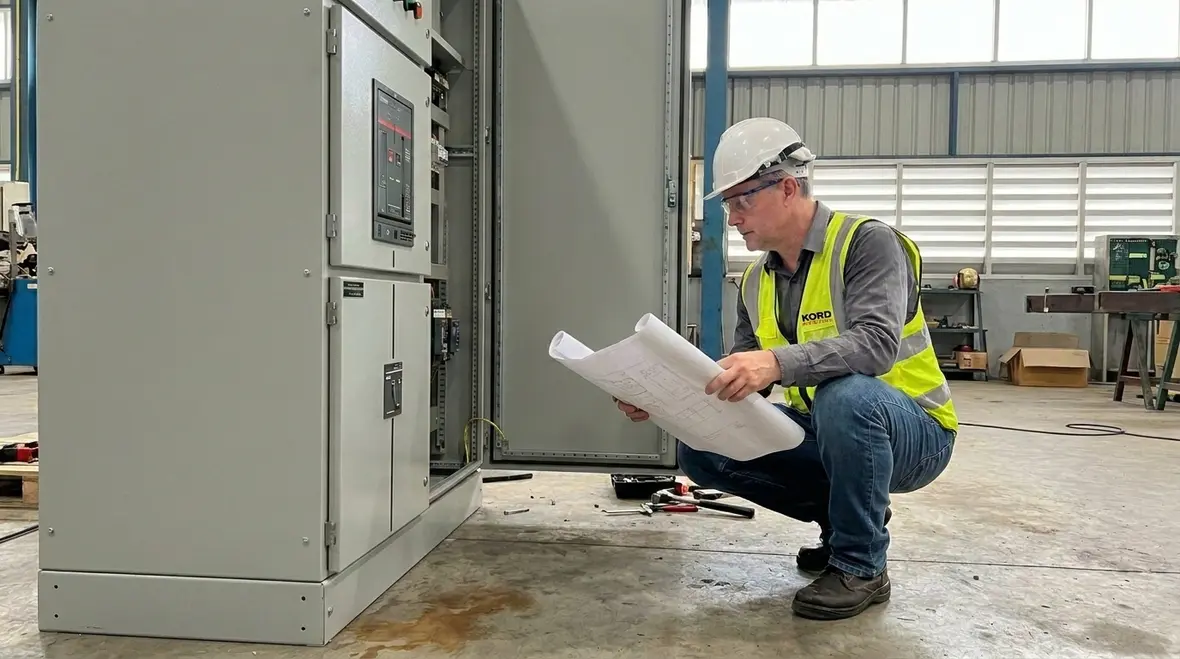
When to schedule an audit after changes, expansions, and upgrades
Facilities evolve. Then the electrical system has to evolve too. Therefore, we recommend timing the industrial electrical system audit soon after major changes, so we can verify the results of what was installed. If your team added new machinery, expanded switchgear, rebuilt a bus duct run, or updated a generator and transfer equipment, the audit should not be optional.
Additionally, after any renovation that touches power distribution, we schedule the audit close to the completion date. That way, we test the configuration while the project team still understands what changed and where. It is easier to fix issues while access is convenient, not after everyone has packed up and gone home like the job is done.
We also encourage an audit when controls get updated, such as new VFDs, soft starters, or automated process lines. Those modern devices can reshape current flow. And if harmonics rise, equipment upstream can run hotter than expected. In that situation, others often blame the new equipment. Sometimes it is partly the new load, and sometimes it is the existing system that can no longer behave politely.
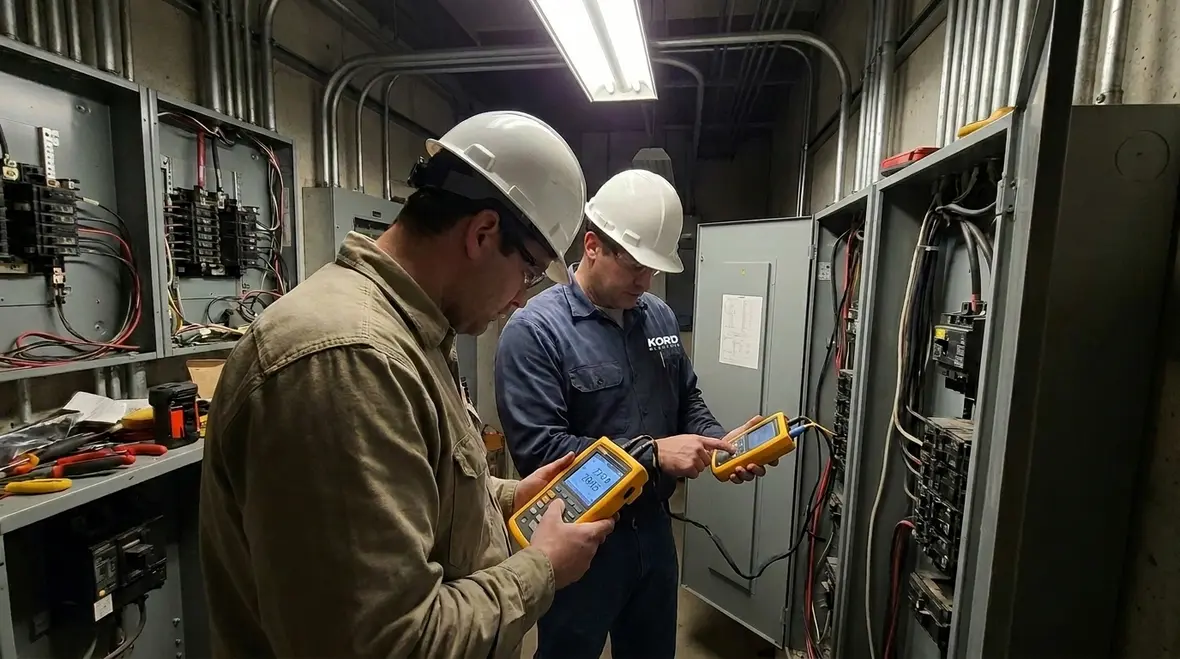
Best timing for compliance, risk reduction, and planning
Scheduling works best when it supports your operational calendar, not when it disrupts it. For many commercial and industrial facilities, we help teams plan an audit around planned shutdowns, annual maintenance windows, or regular electrical inspections. That approach gives your operators time to coordinate access and reduces the chance of production interruptions.
We also advise audits when you need stronger documentation for internal governance, insurance requirements, or customer audits. Our expert service staff can explain findings in plain language and connect them to actionable next steps. In other words, we do not leave your team staring at a thick report like it is a foreign language manual. We make it clear. For teams building a longer range roadmap, it often pairs well with formal commercial and industrial electrical maintenance plans that turn one time insights into a structured strategy.
Beyond paperwork, there is risk reduction. When you schedule ahead, you can prioritize repairs by impact and cost. Furthermore, you can set realistic budgets because you know what needs attention and what can wait. That is how we help you avoid emergency repairs that charge premium rates and create urgent scheduling problems.
Connecting audits to preventive maintenance
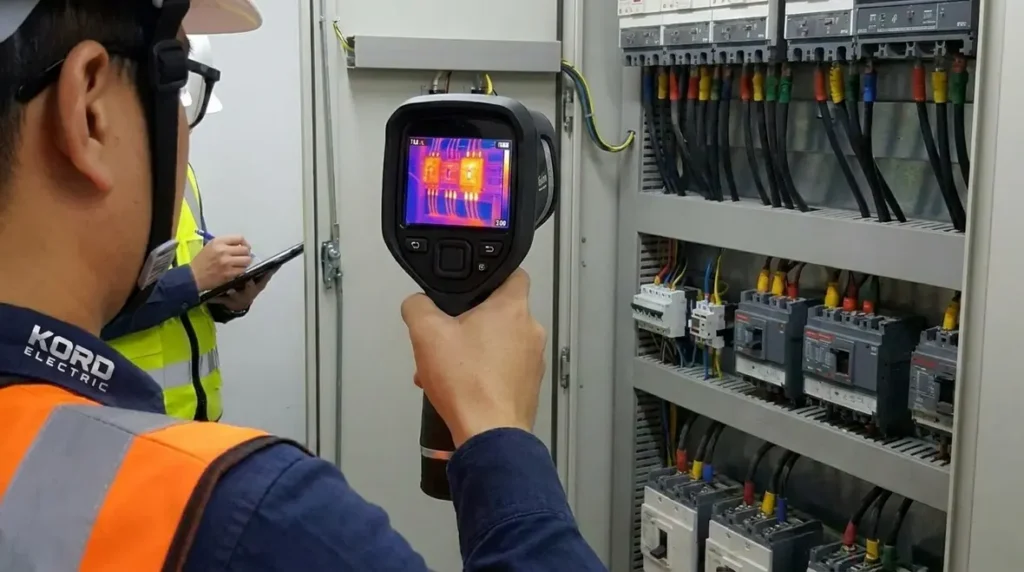
An industrial electrical system audit often becomes the moment you stop guessing about risk and start building a practical maintenance rhythm. Many facilities convert audit findings directly into recurring tasks, pairing them with structured electrical preventive maintenance so issues do not drift back into the unknown. That way, thermal imaging, torque checks, and cleaning routines all connect to a clear baseline established during the audit itself.
How our technicians run a thorough industrial electrical system audit
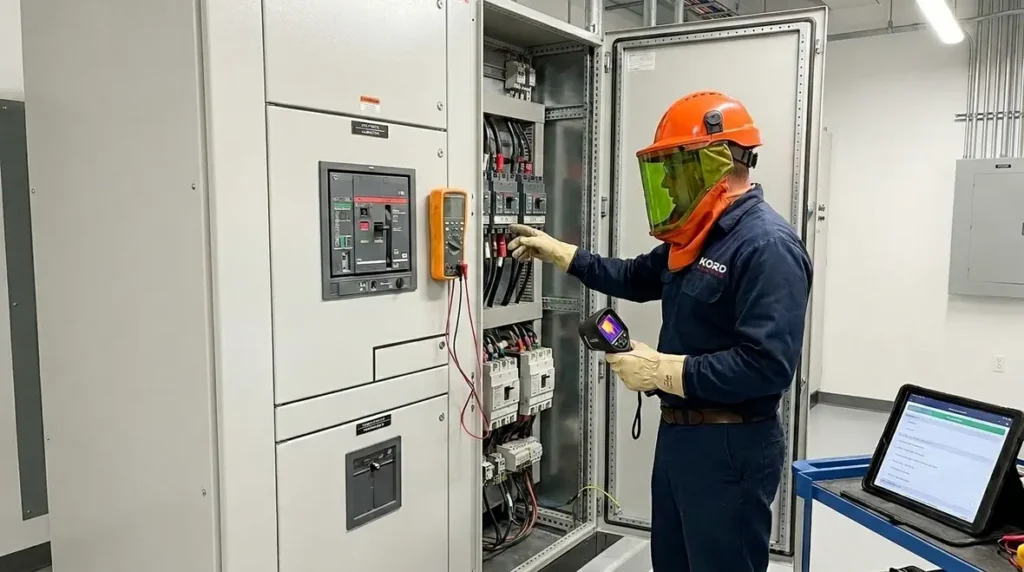
During an industrial electrical system audit, our technicians focus on the system as a whole. We do not only chase visible issues in one panel. We evaluate the path from utility interface through distribution and into critical loads. And because commercial and industrial buildings behave differently than typical residential setups, we tailor the audit to your operational needs.
We typically assess key components and conditions, such as service entrance equipment, switchgear, distribution panels, grounding and bonding, protective devices, and feeder performance. We also look for signs of overheating, aging insulation, and connections that could become trouble later. Then we evaluate power quality factors that can stress motors, drives, and sensitive controls.
Meanwhile, our team explains what we see and why it matters. Our expert service staff speak with plant managers, facilities teams, and maintenance leads so the audit does not become a solo event. If a finding impacts a production line, we help others understand the timing and the safest repair approach. That is calm, practical, and very much in your best interest.
Here is a simple view of what the audit output tends to include:
- Observed conditions, with clear notes about location and severity
- Power distribution and power quality concerns that affect reliability
- Recommendations prioritized by risk, downtime impact, and cost
- Next steps that fit your maintenance schedule and operational needs
From findings to an industrial electrical system audit playbook
Instead of leaving you with a stack of numbers and thermal images, we translate the industrial electrical system audit into a playbook your teams can actually use. That means clear categories, such as “address immediately,” “schedule during next shutdown,” and “monitor over the next 12 months.” For facilities that operate in complex environments, this can also dovetail with NFPA driven programs such as those outlined in NFPA 70 and NFPA 70B electrical panels and switchgear maintenance, giving you a consistent language for risk and action.
Common scheduling mistakes we see in major properties
We often meet teams after they have made the same three mistakes. First, they schedule only when something breaks. That approach turns planning into reaction. It also tends to cost more because repairs happen under pressure, with limited access and fewer options.
Second, they schedule audits too broadly without enough context. If your facility has multiple buildings, different production zones, or phased equipment upgrades, we need the right details to run a targeted industrial electrical system audit. We ask questions early so we can focus on what matters instead of wasting time testing the parts that are not driving risk.
Third, some teams treat electrical data as an unread newsletter. They collect readings, file the paperwork, and move on. Instead, we help translate results into actions your teams can carry out. And just to be clear, we will not let your facility become a “set it and forget it” experiment. Electricity does not work like a smart thermostat. It works like physics, and physics does not care about vibes.
Avoiding the “we will get to it later” trap
The other scheduling mistake is quieter but just as costly: delaying necessary work because nothing has failed yet. When an industrial electrical system audit flags overheating lugs, old breakers, or stressed transformers, ignoring those findings is not neutral. It is a choice to accept higher odds of downtime. Many property leaders use the audit results to justify proactive projects such as panel labeling upgrades, selective rewiring, or even strategic solar integration supported by resources like the commercial solar panel electrical integration guide. The timing is always easier when you are ahead of the curve.
FAQ
Ready to schedule and reduce electrical risk?
If you want fewer surprises and better control of maintenance planning, Kord Electric is ready. We can guide you on timing for an industrial electrical system audit based on your equipment, workload, and upgrade history. Then our technicians and expert service staff deliver findings you can act on, not just data you can archive. Contact us today to set a review date, align on access windows, and keep your facility running like it means it.
For facilities that want to turn one audit into a long term reliability strategy, our electrical preventive maintenance services provide a natural next step. We help you convert observations into recurring tasks, align them with NFPA guidance, and keep your industrial electrical system audit results from becoming just another forgotten report.