
Commercial Building Load Management Strategies
Introduction: Why commercial building load management matters for real energy savings
At Kord Electric, we see energy bills climb for commercial and industrial facilities in a way that feels personal, like the HVAC system pays rent. To keep costs steady, we focus on commercial building load management early in the planning cycle. Others treat load control as an afterthought, but we treat it like a core design feature: we shape how power moves through chillers, pumps, lighting, and backup systems so demand stays in a safe, cost friendly range.
And because we work with data center and major property electrical infrastructure, we do not rely on vague “energy saving” claims. Instead, we optimize schedules, coordinate panels and feeders, and align controls with real load behavior. Below, our team explains practical strategies, and yes, our technicians sometimes use plain language like they are translating a wiring diagram for a human brain.
Identify load patterns before you touch a control schedule

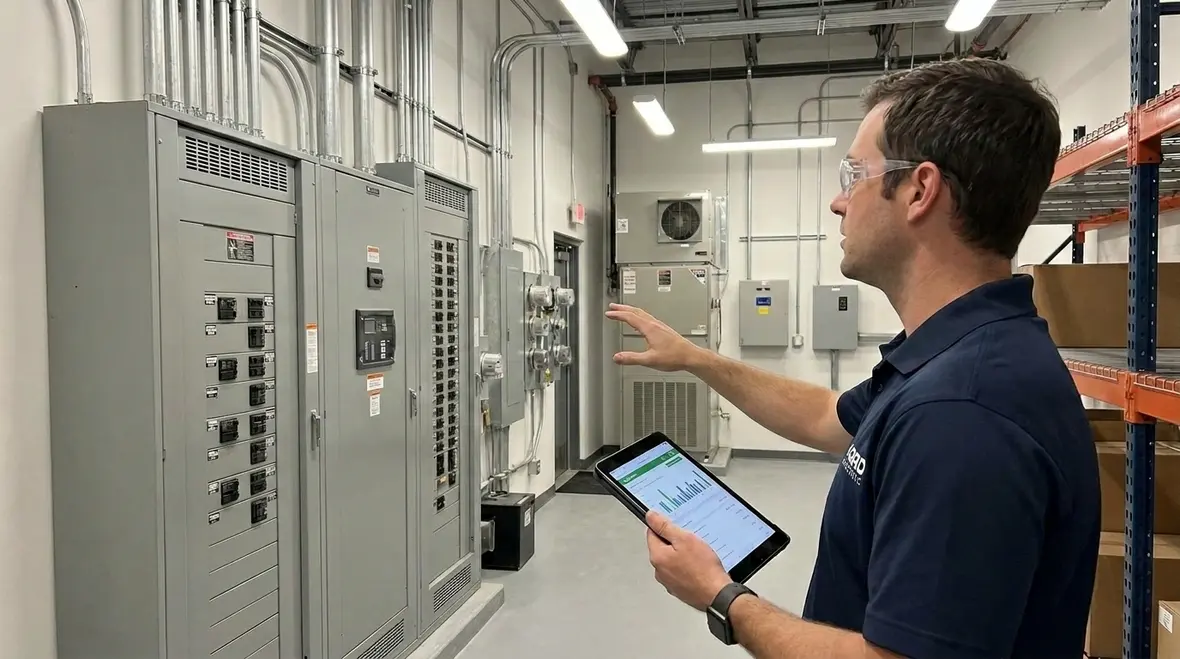
First, we look at how load behaves across the day, the week, and the seasons. Then we map those patterns to the equipment that causes them. A smart plan starts with data, not guesses. If a building ramps up demand every weekday at 9:00 AM, you need to know whether the peak comes from air handling, process equipment, or tenant usage. Otherwise, your “optimization” becomes a very expensive form of timing roulette.
Next, we review feeder loading, transformer capacity, demand charges, and power quality signals. From there, our technicians connect the dots between your electrical one line and your actual operating reality. We also consider start up surges, because motors and drives do not ramp the way people wish they did. Many facilities experience short spikes that trigger capacity stress even when the average load looks fine.
In many projects, this step uncovers hidden electrical issues similar to what we see in complex facilities facing voltage fluctuations in commercial and industrial buildings. When we understand how loads shift and where stress concentrates, we can build a load plan that protects both equipment and budget.
Use demand response and peak shaving with a disciplined plan
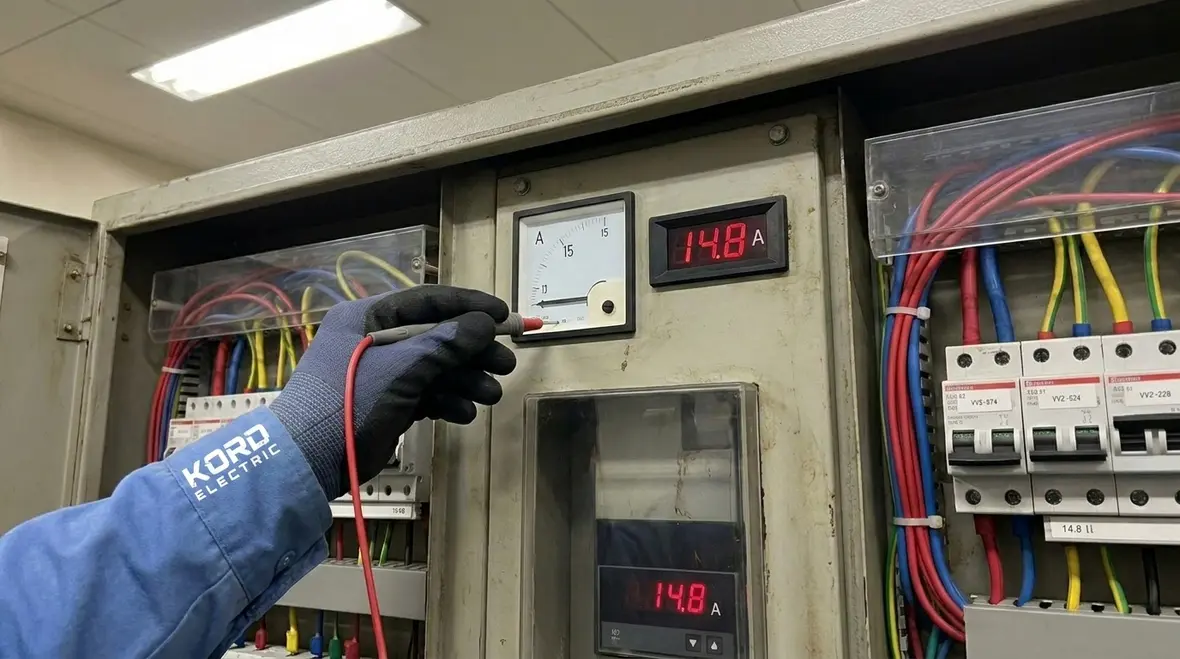
Once we understand the load profile, we apply strategies that reduce peak demand without harming operations. Demand response and peak shaving work well for commercial and industrial sites when controls respond faster than the building’s normal operating cycles. In plain terms, we lower the highest momentary demand and restore service smoothly when conditions stabilize.
However, we only use these tactics when we can coordinate them with life safety, redundancy, and critical process needs. For example, we never treat cooling shutdowns as a casual lever in a facility where uptime is non negotiable. Instead, we stagger actions across systems and we use priority rules so critical loads stay protected.
To make this practical, our expert service staff often walks clients through what the control logic does in real time. We show the “why,” not only the “what.” And we explain it in the same calm tone we use during field work, because nobody wants a fire alarm test that sounds like a horror movie.
This same disciplined mindset shows up in our work on emergency power failures in commercial buildings, where peak behavior and recovery sequencing decide whether an outage feels like a minor event or a full scale scramble.

Coordinate HVAC, pumps, and motor loads for smooth control
Most energy waste in commercial facilities hides in mechanical systems and motor driven loads. Therefore, we optimize sequence control, staging, and setpoint logic across chillers, boilers, cooling towers, air handling units, and variable speed drives. We aim for steady performance instead of harsh on off cycling that wastes energy and wears equipment.
For peak control, we often adjust staging rules so multiple units do not start at the same time. At the same time, we coordinate pump schedules to match actual flow needs rather than maximum static assumptions. If we can reduce simultaneous operation during peak utility windows, the building demand curve flattens and your utility exposure improves.
Meanwhile, we review how motor loads interact with electrical infrastructure. A well planned load management strategy aligns controls with panel capacity, feeder ratings, and transformer behavior. If you add control actions without electrical coordination, you can shift the peak from one asset to another, and that is the kind of “solution” that shows up in the monthly report with a raised eyebrow.
In some facilities, this coordination includes high impact systems such as commercial EV charging, where load behavior can swing quickly. Our team often pulls from the same planning approach used in our commercial EV charger installation services, balancing capacity, growth, and real world usage.

Protect reliability with UPS and generator aware load strategies
Load management cannot be only about saving energy. It also has to protect uptime and maintain safe operation, especially in industrial plants and major property buildings. So, we build strategies that account for UPS runtime, generator start logic, transfer sequences, and critical load isolation.
Here, our approach becomes more precise. We segment loads by priority. Then we implement shedding or ramping only for non critical equipment during specific events. For example, during a utility interruption, critical systems run first, and we delay or throttle secondary loads. This protects runtime and avoids overload conditions when power sources switch.
Also, we validate that control signals and contactors do not fight each other. We test interlocks, timing windows, and fail safe states. Our technicians confirm that the behavior matches the one line diagram and the operating intent. And because we have supported data center electrical infrastructure essentials, we understand how quickly small coordination issues can become big operational headaches.
If your facility operates critical IT or processing environments, the thinking is similar to the approach outlined in our data center electrical infrastructure essentials guide, where redundancy, sequencing, and fault isolation all work together.
Design for the whole electrical path, not only the equipment
Energy efficiency fails when the electrical path becomes the bottleneck. Therefore, we evaluate the full system: service entrance, switchgear, transformers, feeders, busways, and distribution panels. Load management works best when controls and electrical capacity move together as one system.
We also review power quality and protective device settings. If harmonics or voltage dips worsen under certain operating stages, the building may spend less energy but still suffer performance issues. So we look for the root causes, then we set control thresholds that keep equipment in stable operation.
In many major property buildings, the simplest wins come from aligning load schedules with the electrical distribution layout. When we know where capacity margin exists, we can plan load shifts with confidence. In other cases, we recommend panel upgrades or targeted distribution changes before load control goes live. It is less glamorous than “pressing optimize,” but it prevents surprises that haunt facilities managers later.
This kind of system wide thinking often pairs with the work we do on hidden electrical risks in commercial buildings, where small oversights in panels, feeders, or protective devices can quietly undermine even the best looking control strategy.
Integrate smart monitoring and controls that operators actually use
After coordination and design, we integrate monitoring that helps staff act, not just watch. Load management succeeds when building operators trust the system and understand the results. So we provide clear dashboards, alarms, and reporting, tied to measurable targets like demand peaks, operating efficiency, and equipment health.
We also define roles and escalation paths. If a controller reduces load and a tenant complains about comfort, the system should show why the reduction happened and what it will do next. Our expert service staff sets up those workflows so teams do not have to guess. We have seen too many buildings treat controls like a black box, and then blame “the software” instead of the actual control logic.
Finally, we tune schedules seasonally. A strategy that works during shoulder months may not hold up in full summer or winter. Therefore, we review performance after implementation, then we refine setpoints and timing. That is how we keep commercial and industrial sites stable through changing loads.
For many organizations, these monitoring and tuning routines dovetail naturally with structured electrical preventive maintenance programs, turning commercial building load management into an ongoing discipline instead of a one time project.
How Kord Electric applies these strategies in real projects
Our work stays focused on commercial, industrial, and major property buildings, because we build for the realities those sites face: uptime commitments, complex mechanical loads, and strict electrical reliability requirements. We start by collecting site data and reviewing electrical infrastructure, then we build a load management plan that fits your operational constraints.
Next, our technicians coordinate with facility teams and, where needed, integrators and mechanical contractors. We align control sequences across electrical distribution and mechanical equipment. Then we test the system under conditions that reflect real operations. And yes, we document it so your staff can support it, not just admire it.
Most importantly, we optimize energy efficiency without introducing avoidable risk. Load management should feel like a calm, deliberate process, not a chaotic experiment. We do the heavy lifting, and you get measurable results that hold up in audits and utility reviews.
If your organization is formalizing a broader reliability strategy, this same methodical approach aligns with our guidance on commercial and industrial electrical maintenance plans, where structured inspections, testing, and documentation keep facilities on steady footing year round.
FAQ: Quick featured snippet answers
Conclusion: Let us tune your energy use without gambling your uptime
If your facility pays high demand charges or struggles with peak electrical stress, it is time to act with a plan that coordinates controls and electrical infrastructure. We at Kord Electric build commercial building load management strategies that fit commercial and industrial reality: peak shaving, reliability protection, and operator friendly monitoring. Reach out for an assessment and we will map your load profile, coordinate priorities, and outline the fastest path to energy efficiency without putting uptime at risk. Let us help your building perform like it means it.
When you are ready to move from ideas to implementation, our team can connect your load strategy with concrete services such as electrical preventive maintenance and other targeted commercial services that keep your distribution equipment, breakers, and protective devices aligned with your control goals.
For facilities adding or upgrading high demand systems like EV infrastructure, we also design commercial building load management plans that integrate with dedicated services such as commercial and industrial EV charger installation, so your upgrades strengthen the whole electrical path instead of straining it.


