Emergency Power System Testing for Facilities
Why emergency power system testing keeps commercial facilities ready
At Kord Electric, we treat emergency power system testing like a seatbelt, not a wish and not a gamble. For commercial and industrial facilities and major property buildings, downtime is expensive, and a power failure never knocks politely at the door. That is why our team schedules testing before real life forces the issue.
In the real world, systems fail quietly. A battery ages. A transfer switch sticks. A generator might start, but it does not carry load the way it should. And yes, sometimes the issue hides until it is “time to shine,” like a bad actor waiting for opening night. Our technicians run structured checks so your backup power behaves when it matters most.
What regular testing actually prevents and why it matters
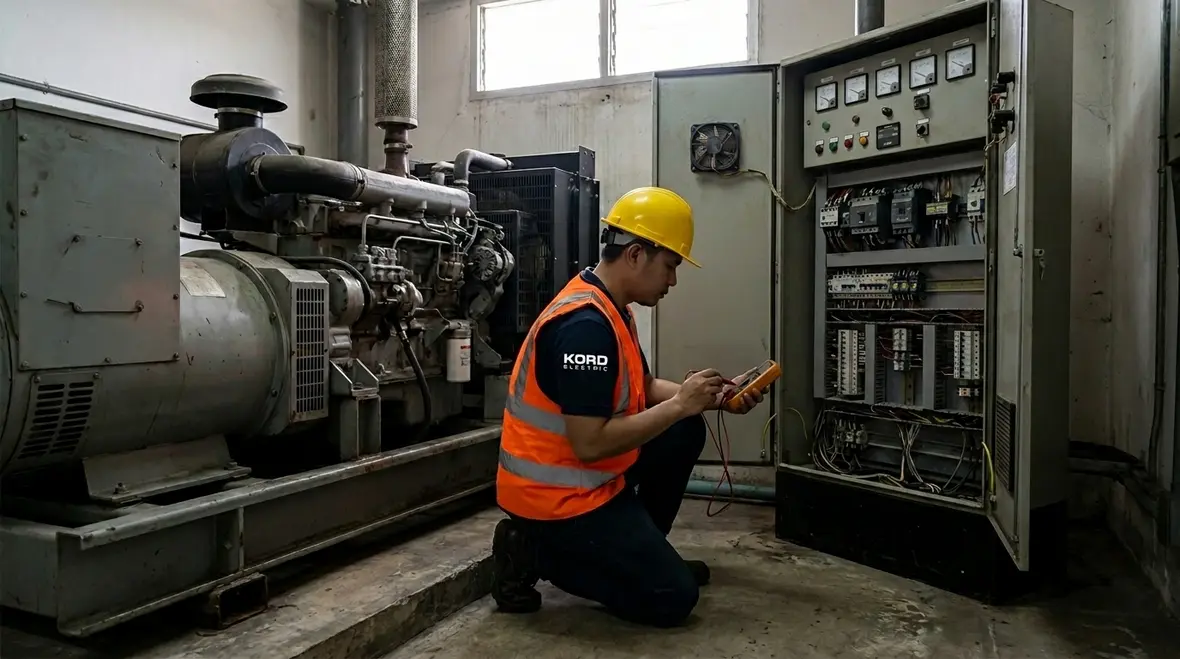
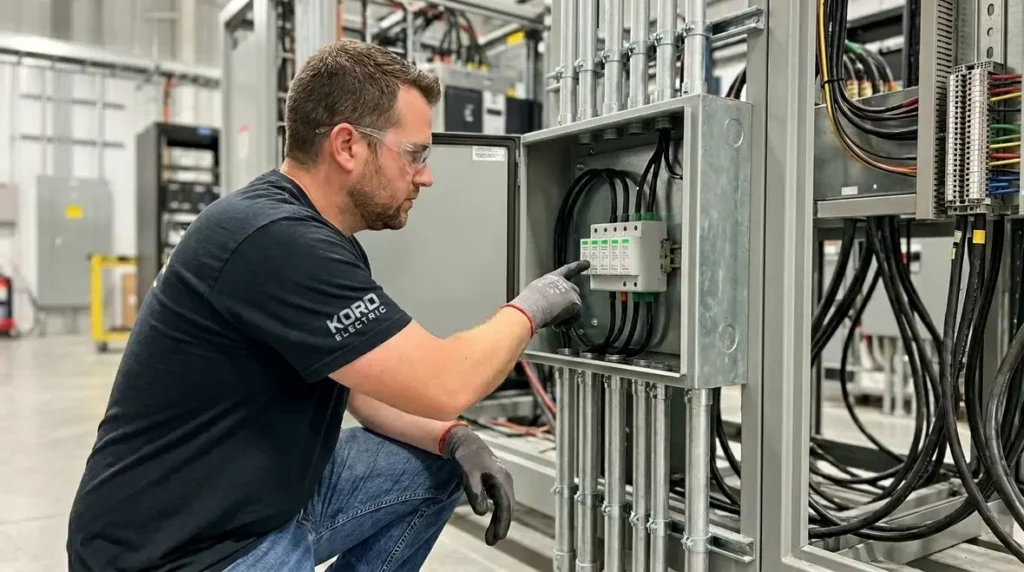
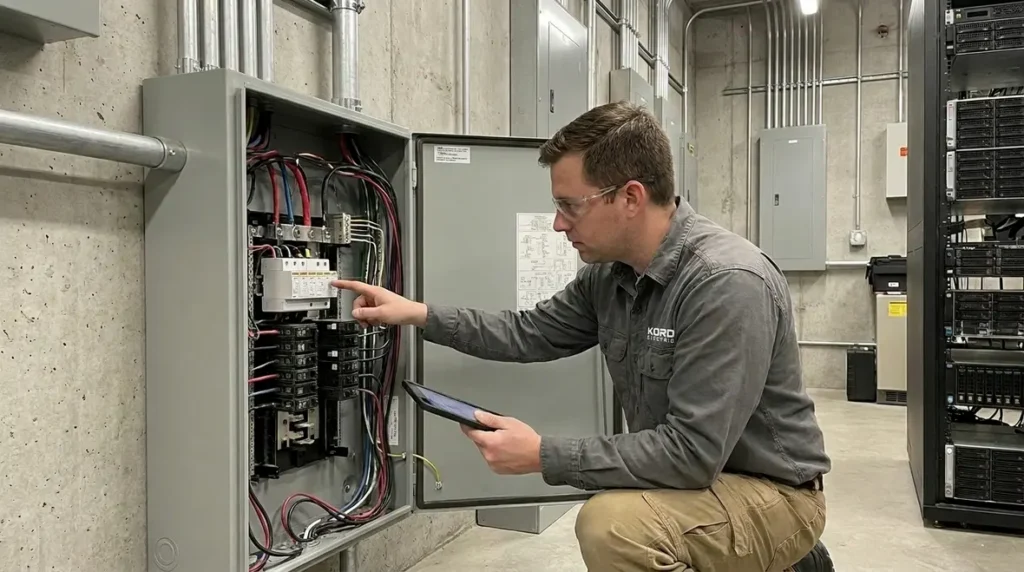
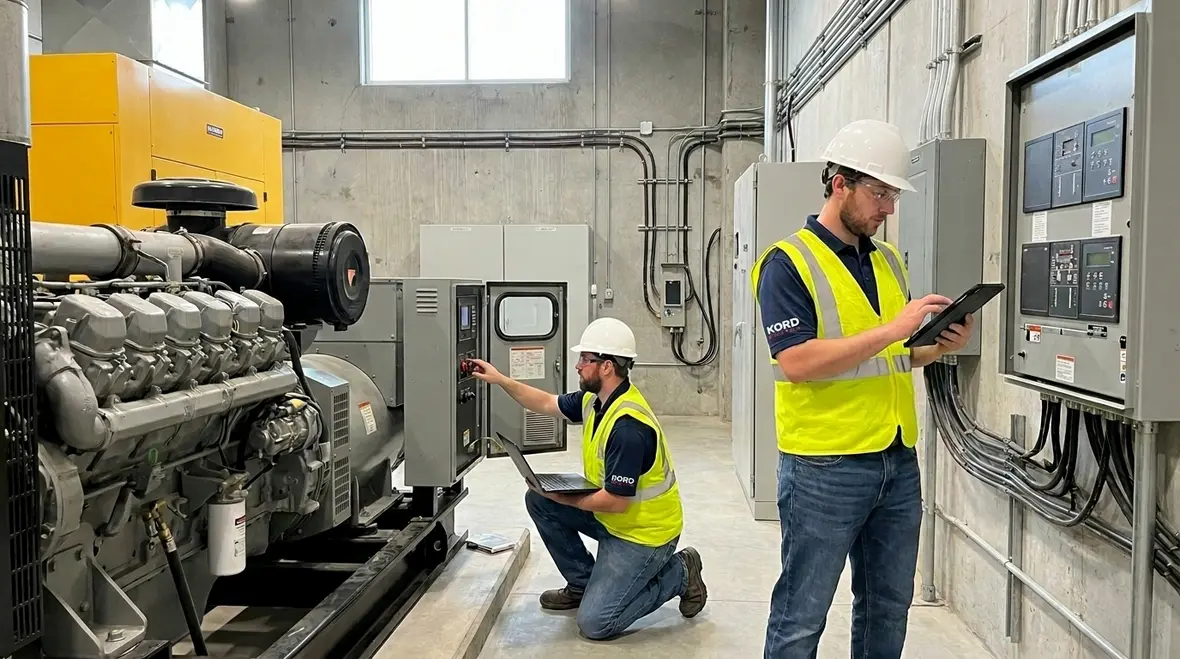
Regular testing helps prevent failures that can disrupt operations, threaten safety, and create expensive repair cycles. To understand why, it helps to separate “power runs” from “power performs.” A system can start during a basic check and still struggle under real demand. Then, when the facility needs it, the transfer takes longer than it should, voltage drifts, or critical loads experience momentary loss.
Our service staff explains this in plain language on every site visit. First, they confirm that the system responds at the right time. Next, they check the quality of output while the load is applied. Then they document results so building managers and facility teams can track trends, not just collect paperwork.
Testing also prevents hidden risk in the balance of components. Even if the generator is new, the switchgear controls, the sensing circuits, and the fuel system can still drift out of spec over time. So we do not just “run it.” We validate it.
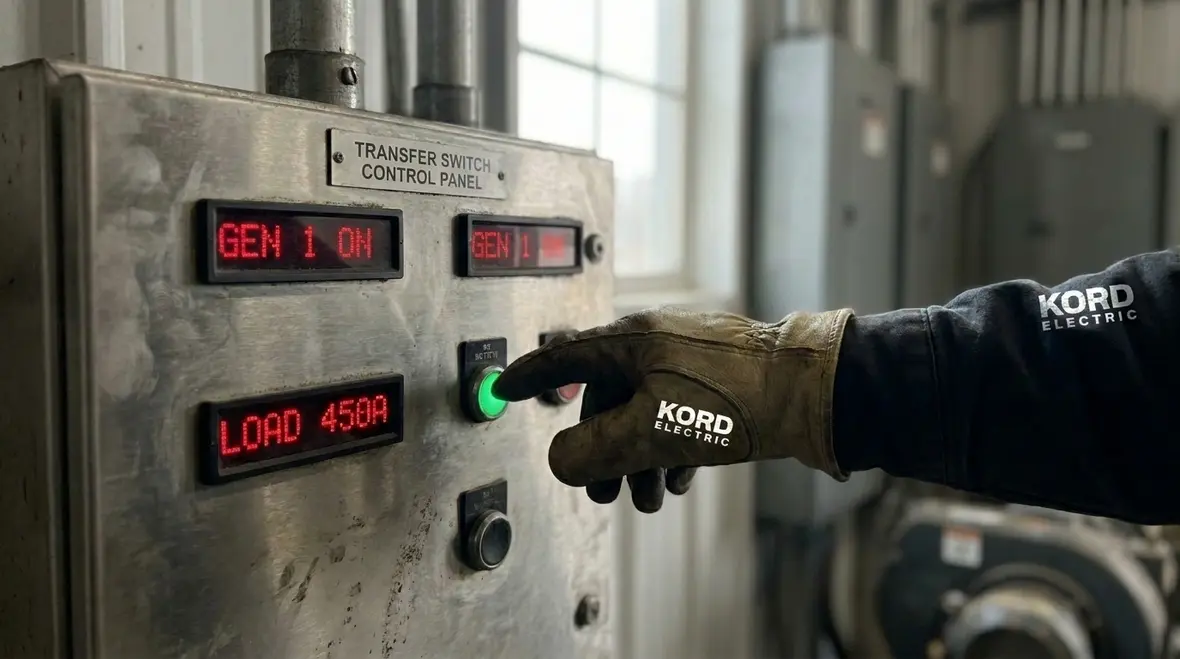
How Kord Electric plans the testing so it fits real operations
Commercial and industrial buildings do not pause for maintenance like a sitcom episode. Therefore, we plan testing around your workflow, your critical loads, and your operating schedule. We coordinate with facility leadership so the test does not turn into an accidental fire drill, except the one we actually want, the routine kind.
Our technicians use a deliberate approach. They review the one line, understand what equipment relies on backup power, and determine the safest testing method for your configuration. Then they sequence the work so systems transition properly and the facility remains protected.
During each round, we focus on repeatability. We make sure the testing approach stays consistent from cycle to cycle, so any change in performance shows up in the data. That means you can see deterioration early, when it is easier and cheaper to correct.

Key checks during backup power system testing for commercial sites
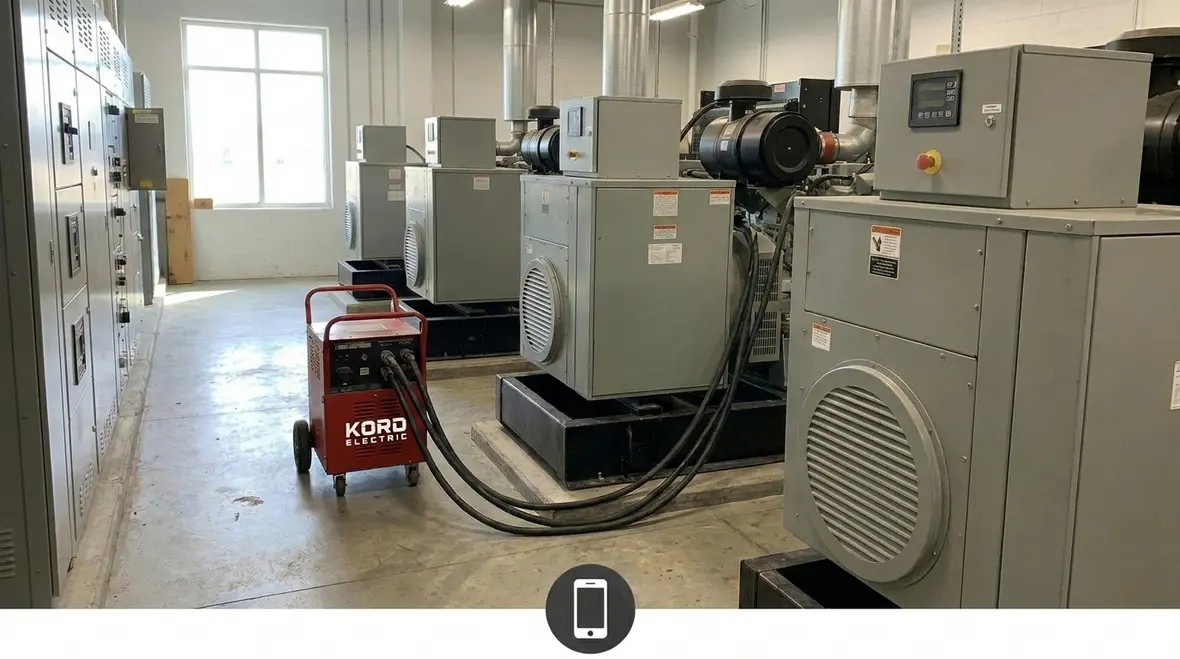
Backup systems include more than a generator box. For major property buildings, the performance depends on the full chain, from controls to transfer to load acceptance. During testing, we verify the steps that keep your critical equipment alive.
We typically check the following areas:
- Transfer switch operation to confirm the switch moves to the correct source within expected time windows
- Generator start and stabilization to ensure proper cranking behavior and stable voltage and frequency
- Load acceptance so the generator handles connected critical loads without abnormal drops
- Control logic and alarms to confirm the system reports issues and responds to commands correctly
- Fuel system health to reduce the risk of supply problems during sustained outages
- Battery and charger condition to support reliable engine starts
And because no one enjoys surprise troubleshooting during business hours, our expert service staff explains what they find while they work. That way, you know whether the system is operating normally, trending toward a problem, or requiring follow up repairs.
How often should facilities test and what changes the schedule
There is no one-size answer, because operating conditions vary. However, regular intervals matter because components age even when nobody touches them. If your facility runs heavy equipment or experiences frequent power disturbances, testing needs to reflect that environment.
Our team helps define a practical schedule for commercial and industrial facilities and major property buildings based on system type, manufacturer guidance, and operational needs. We also adjust when data points show drift. For example, if starting times increase, voltage quality changes, or alarms appear during tests, the schedule may shift toward more frequent verification and earlier corrective action.
Here is where transition from “it started once” to “it will perform every time” happens. With consistent testing and clear records, we can identify patterns that tell a story. A system that passes today but shows declining battery performance in each cycle is not a mystery. It is a forecast.
Why documentation, trends, and follow up work stop future downtime
Testing without reporting is like running a marathon and never checking the time. Kord Electric records results so your facility team gains visibility into performance and risk. Then we use that data to plan follow up work before issues become outages.
Our technicians review findings in a way that building stakeholders can act on. That includes describing what the results mean, what to monitor next cycle, and what repairs may reduce the chance of failure. We also help clarify priorities, because every facility has limited maintenance windows and real budgets.
In other words, we do not treat testing as a box to check. We treat it as a decision tool. If measurements show a component that is out of tolerance or a trend that suggests the system will struggle later, we help you plan repairs and retesting so the system improves, not just “survives” until the next cycle.
For facilities that want to harden their infrastructure beyond testing alone, pairing emergency power system testing with a broader electrical preventive maintenance program helps identify upstream issues in switchgear, panels, and distribution equipment before they ever impact backup power performance.
FAQ about emergency power system testing for commercial buildings
Emergency readiness in action: what our team delivers
When a facility depends on backup power, readiness means more than a sticker on the panel. It means the system meets performance expectations under real conditions, with clear evidence behind it. That is why our expert service staff takes a hands on approach, and why we keep documentation organized and understandable.
To make the process smoother, we coordinate testing logistics, run checks that validate how the system performs, and support your team with explanations during and after the work. If you want a partner who treats backup power like critical infrastructure, you already know where to look.
Many facilities pair emergency power system testing with broader reliability strategies, including generator and ATS inspections, emergency lighting verification, and routine electrical preventive maintenance. If your building has already experienced an outage or near miss, reviewing Kord Electric’s guidance on emergency power failures in commercial buildings can help connect real-world events with the testing plan you need going forward.
Conclusion: schedule testing with Kord Electric
Power interruptions do not wait for convenient seasons, and backup systems do not improve themselves. Kord Electric helps commercial and industrial facilities and major property buildings protect operations with planned emergency power system testing, clear reporting, and follow up support when trends show risk. If you want fewer surprises and better confidence in every outage scenario, contact us to review your current testing schedule and system performance. We will walk you through next steps and set a plan that fits your facility.
If you are ready to connect emergency power system testing with a broader reliability strategy, our electrical preventive maintenance services bring generator and ATS inspections, emergency lighting testing, and distribution equipment checks together under one plan, so your facility’s critical power path is covered from utility feed to backup source.