Preventive Electrical Maintenance Programs for Commercial Facilities
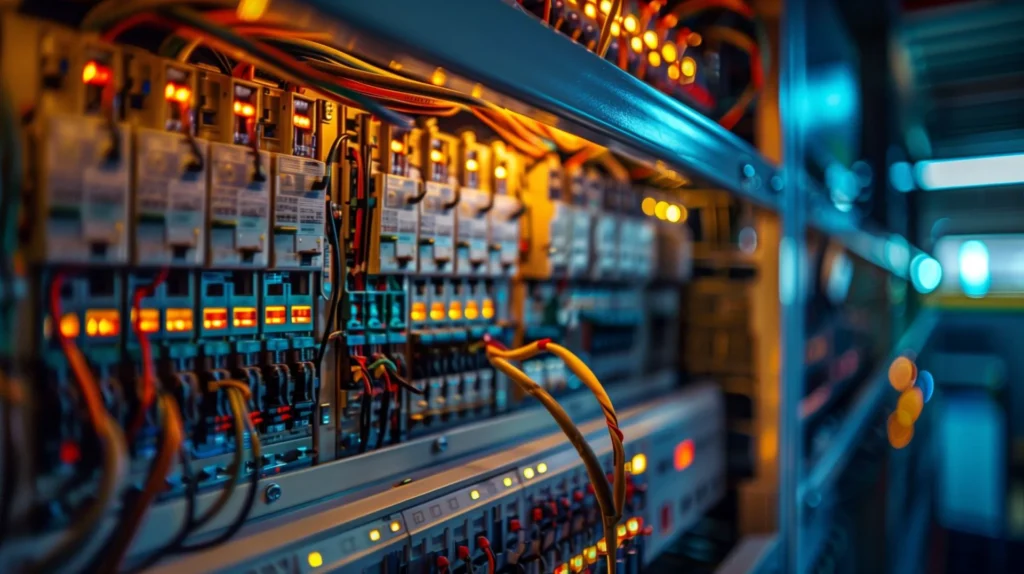
At Kord Electric, we build Preventive Electrical Maintenance Programs: What Commercial Facilities Need that help keep power steady, equipment healthy, and operations calm. Instead of waiting for a breaker to trip like it is trying to get attention at a party, we schedule work before problems grow. Our preventive maintenance program covers key electrical systems across commercial and industrial facilities and major property buildings, including switchgear, panels, bus bars, grounding, lighting controls, and motor circuits.
And yes, we know how it sounds. Preventive maintenance can feel like paperwork with a side of caution. However, when our technicians catch a loose connection early, you avoid expensive shutdowns, safety risks, and the kind of “quick fix” that always ends up costing more later. Let’s talk about how we run these programs, what we check, and why it matters.
What goes into a commercial preventive electrical plan
Commercial and industrial sites usually share the same challenge. Electrical loads change over time, work crews come and go, and equipment ages quietly. Preventive Electrical Maintenance Programs: What Commercial Facilities Need starts with a clear plan that matches your facility profile. We do not use a one size fits all checklist. We align the program to your system types, operating hours, code requirements, and risk level.
First, we review documentation and as built details when available. Then we map critical circuits and equipment so our team knows what must stay reliable. Next, we set inspection intervals based on actual usage and condition. As a result, high load areas see more frequent attention, while lower risk sections still receive steady coverage.
Our expert service staff also considers what happens during downtime. For example, we plan inspections to reduce disruption, coordinate with facility leadership, and use safe work procedures. In other words, we schedule like adults, not like someone who just “guessed” when the problem would fail.
For facility teams that want to go even deeper into planning the overall strategy, this article pairs well with our guidance on commercial and industrial electrical maintenance plans, which explains how long term programs support multiple buildings, campuses, and complex portfolios.
How we assess risk before anyone touches a wrench
Before maintenance begins, we analyze where failures can create real harm or real cost. We focus on safety, uptime, and system health. That means we look at more than “does it turn on.” We look at how long components can last, how they behave under load, and how they respond during seasonal changes.
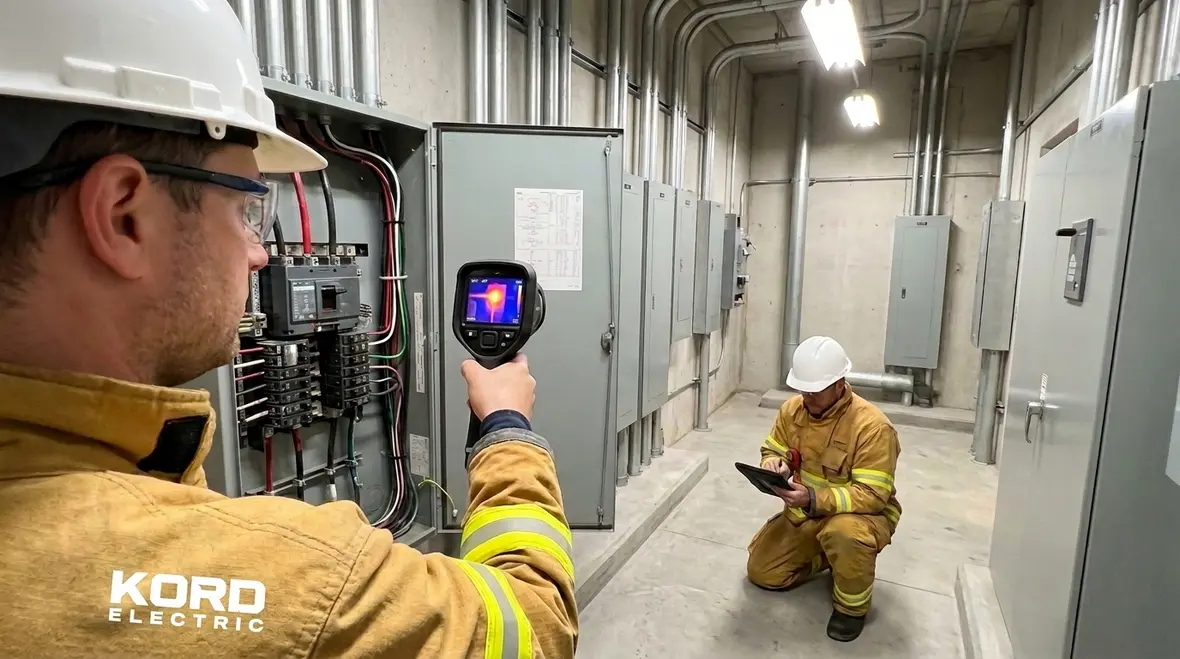
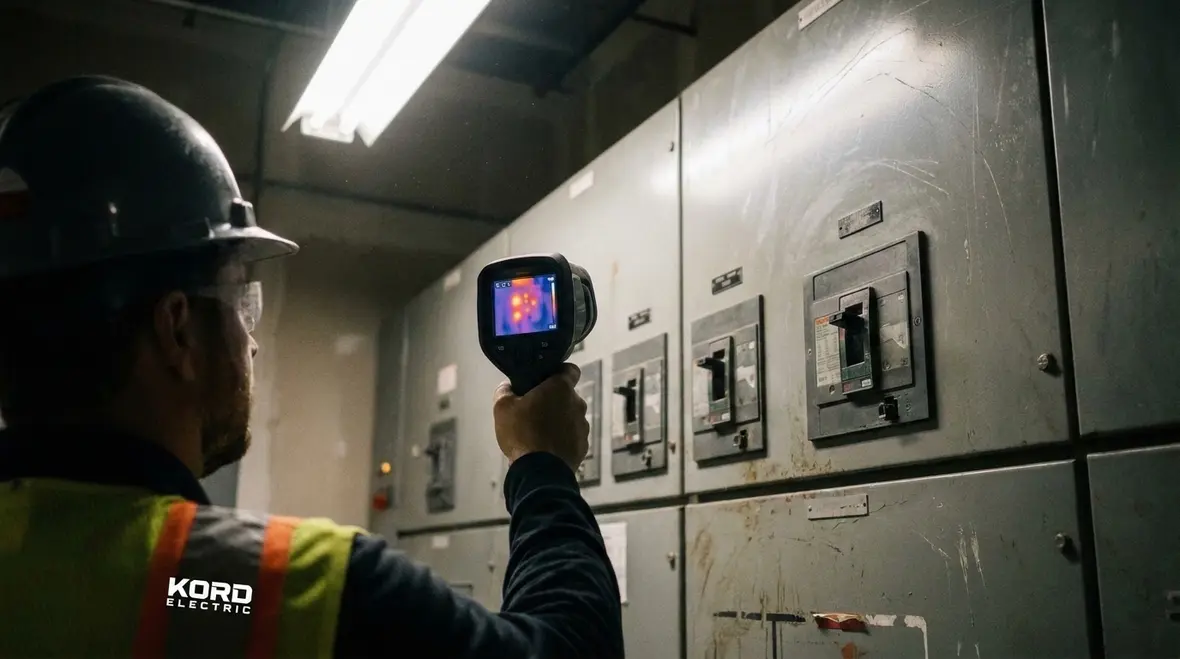
Our technicians follow a structured approach. We inspect for heat damage, corrosion, moisture intrusion, loose connections, and signs of arcing or discoloration. Additionally, we verify that equipment is properly labeled and that protective devices match the design intent.
We also consider operational risk. If a facility runs refrigeration, production lines, elevators, life safety systems, or critical IT spaces, we treat those loads as priority circuits. Therefore, our program includes more targeted steps and tighter reporting so others in your organization can make informed decisions.
And if someone tells you that risk assessment is “just a formality,” they have clearly never opened a panel after years of neglect. The inside always tells the truth.
Inspection steps our technicians perform on key electrical systems
In the column on our site, we outline the flow for electrical preventive maintenance services, and we follow those fundamentals with on site adjustments for commercial and industrial realities. Our technicians typically cover the most important systems that keep a facility running.
1) Switchgear and distribution equipment
We inspect terminations, bus bars, mechanical operation, and signs of overheating. We also check insulation condition, verify labeling, and confirm that protective gear operates smoothly.
2) Panelboards and feeders
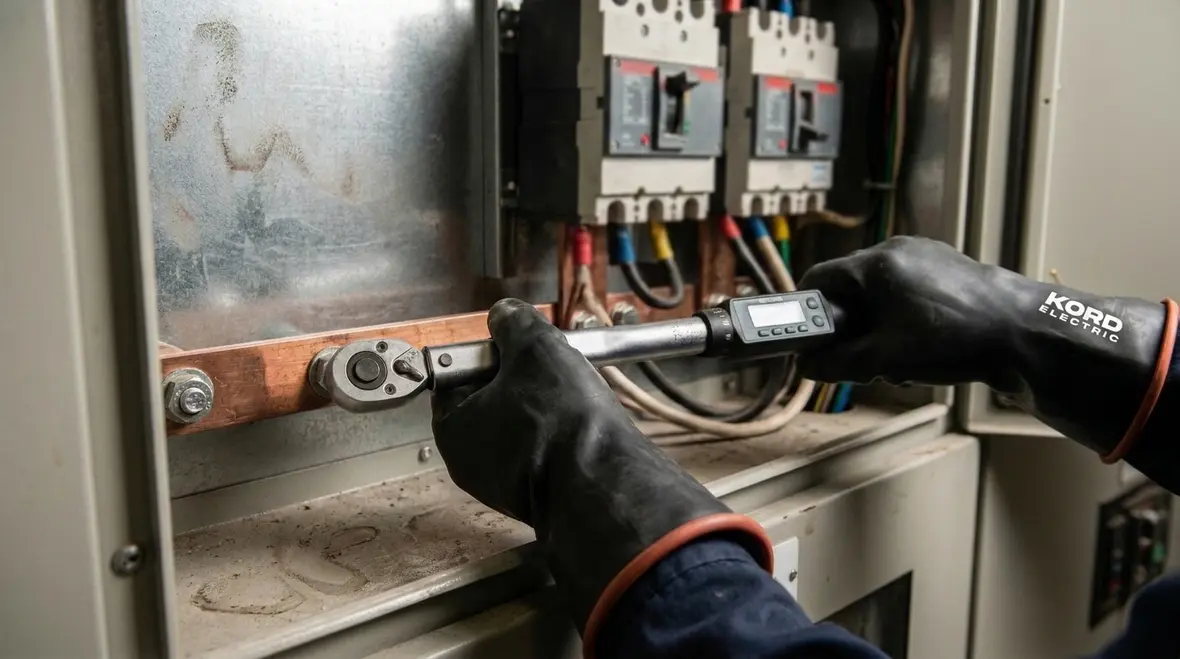
We look for loose conductors, damaged insulation, and improper torque. We examine breaker condition, identify nuisance tripping patterns, and confirm that connections remain secure.
3) Grounding and bonding
Good grounding keeps faults safe and protection devices effective. We verify bonding points, check for corrosion, and confirm the integrity of grounding paths.
4) Motors, drives, and control circuits
For industrial facilities, motors do not fail politely. Our team inspects connections, checks for overheating clues, reviews control settings, and looks at indicators that hint at bearing wear, misalignment, or insulation stress.
5) Lighting controls and power quality concerns
We inspect lighting control devices, verify proper operation, and monitor for signs of voltage issues that can shorten equipment life. In many facilities, power quality problems hide in plain sight until maintenance costs spike.
To keep things organized, we document each finding. Then, we recommend next actions in a clear order based on urgency and impact. This approach helps facility managers budget wisely instead of reacting at the worst time.
If you want a simple, repeatable way to track these inspections, you can pair this overview with our commercial electrical preventative maintenance checklist, which lays out what to review across panels, feeders, and life safety loads in everyday language.
Preventive Electrical Maintenance Programs: What Commercial Facilities Need in scheduling
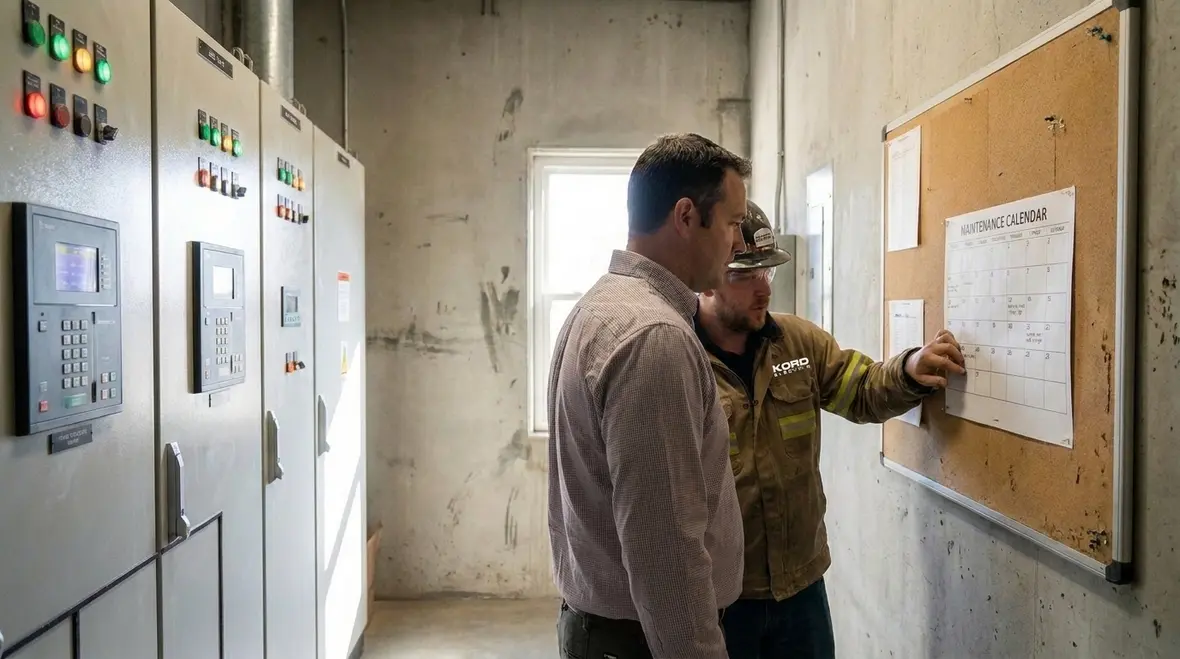
Scheduling makes or breaks a preventive plan. Even the best technicians cannot prevent failures if maintenance happens randomly. So we build a calendar that matches your risk and workload.
Our typical cadence starts with baseline inspections to establish current conditions. After that, we set recurring visits that include visual inspections and targeted checks. Meanwhile, we plan periodic deeper work such as torque verification, device operation tests, and more detailed evaluations of critical systems.
We also schedule around facility cycles. For example, facilities often experience higher electrical stress during peak production seasons, heavy occupancy periods, or temperature swings. Therefore, we time inspections so results reflect how equipment behaves at the times it truly matters.
Our expert service staff also coordinates with your building team so the work stays safe and predictable. So if a system must stay online, we choose methods that reduce downtime. And when shutdown work is unavoidable, we provide clear timelines and careful sequencing.
For organizations that want their schedule and risk profile to stay aligned across multiple locations, our dedicated electrical preventive maintenance services explain how recurring visits, reporting, and optimization all connect into one long term program.
Reporting, documentation, and how we help you make decisions
Some preventive programs stop at “we checked it.” We do more. We deliver findings in a way that facility leadership can act on. That means we provide reports that explain what we saw, why it matters, and what we recommend next.
Our team separates issues by priority. Then we help you understand what fixes should happen now, what can wait, and what needs monitoring. This structure supports maintenance budgeting and helps reduce surprises.
Additionally, we track recurring defects. If certain panels show repeated signs of overheating, we investigate the cause instead of only treating symptoms. This can lead to better long term reliability and smoother operation.
Think of our reporting as the facility’s “after action review,” except without the awkward motivational speech. Your team gets clear data, not vague reassurance.
Benefits that show up in safety, uptime, and cost control
A strong preventive maintenance program creates results that last. First, it reduces safety risk by addressing issues before they turn into faults, arcing, or shock hazards. Second, it supports uptime by lowering the chances of unexpected shutdowns and nuisance trips.
From a cost standpoint, preventive work often saves money because it tackles problems early. For example, replacing a damaged component during a scheduled visit usually costs less than emergency replacement after a system fails during peak operations. And beyond direct costs, it also protects your staff time, because emergency response consumes labor and coordination.
For major property buildings and industrial sites, reliability also affects tenant satisfaction, production output, and compliance readiness. So we view preventive maintenance as an operational strategy, not just an electrical task.
In short, we help keep power boring. And boring power is good power.
If your facilities sit across the region, it can also help to understand how routine inspections fit into your broader capital planning. Our discussion on how often commercial electrical systems should be inspected connects the dots between inspection intervals, risk, and long term reliability.
FAQ: Preventive electrical maintenance for commercial facilities
Call Kord Electric for a preventive maintenance program
If your facility runs critical equipment, you need electrical reliability you can plan for. At Kord Electric, our technicians build and maintain electrical preventive programs that protect safety, extend equipment life, and reduce unexpected downtime. We inspect the right systems, document findings clearly, and help your team act with confidence. Reach out to us to schedule an assessment and discuss a plan for your commercial or industrial building. Let’s keep your power steady, so your days stay calm.
For properties across the region, especially those coordinating multiple sites, our broader portfolio of Los Angeles County electrical services connects local maintenance visits, upgrades, and emergency response into one coherent reliability strategy.
If you are formalizing a long term approach to inspections, testing, and documentation, you can also explore our in depth electrical preventive maintenance services guide for more detail on how Preventive Electrical Maintenance Programs: What Commercial Facilities Need fits into a broader facility plan.