Electrical Contractor Asset Management Tools Workflows Best Practices
Electrical Contractor Asset Management: Tools, Workflows & Best Practices built for real facilities
At Kord Electric, we treat Electrical Contractor Asset Management: Tools, Workflows & Best Practices as a practical system, not a buzzword. In the first place, we capture the right electrical details, then we track them over time, and finally we plan work so you spend less and stay safer. As our expert service staff will tell you, good management does not start in a panel room, it starts in paperwork that actually matches reality. And yes, we still see assets labeled with vibes instead of voltages, which is like trying to fix a leak using interpretive dance.
In this guide, we walk through how we manage electrical systems like living infrastructure, and how we help commercial, industrial, and major property buildings keep pace with code, downtime risk, and real-world wear. Along the way, we will connect this framework to broader reliability planning topics we cover in our Kord Electric Blog, so your Electrical Contractor Asset Management: Tools, Workflows & Best Practices program supports inspections, upgrades, and long term capital planning instead of fighting them.
Why electrical assets drift out of “good enough”
Electrical Contractor Asset Management happens whether you plan it or not. Components age, load patterns change, and projects modify systems in ways that never fully make it back to documentation. Over time, drawings grow old, nameplates get swapped, and the “as-built” truth becomes a bedtime story. Meanwhile, facilities teams still need quick answers during outages, inspections, and expansion.
What we notice most often is simple: assets do not fail at random. They fail after changes stack up. For example, a facility adds HVAC capacity, then a tenant remodel updates lighting, then maintenance adds quick fixes. Then one day a breaker trips, and everyone asks, “Who touched this last?” If nobody can answer fast, you pay for time, not just parts.
This is also where good documentation and code discipline meet. If your breaker issues keep repeating, a structured asset view paired with attention to common NEC electrical code violations in commercial buildings turns mystery trips into fixable patterns instead of recurring surprises.
Asset inventory that stays accurate through change
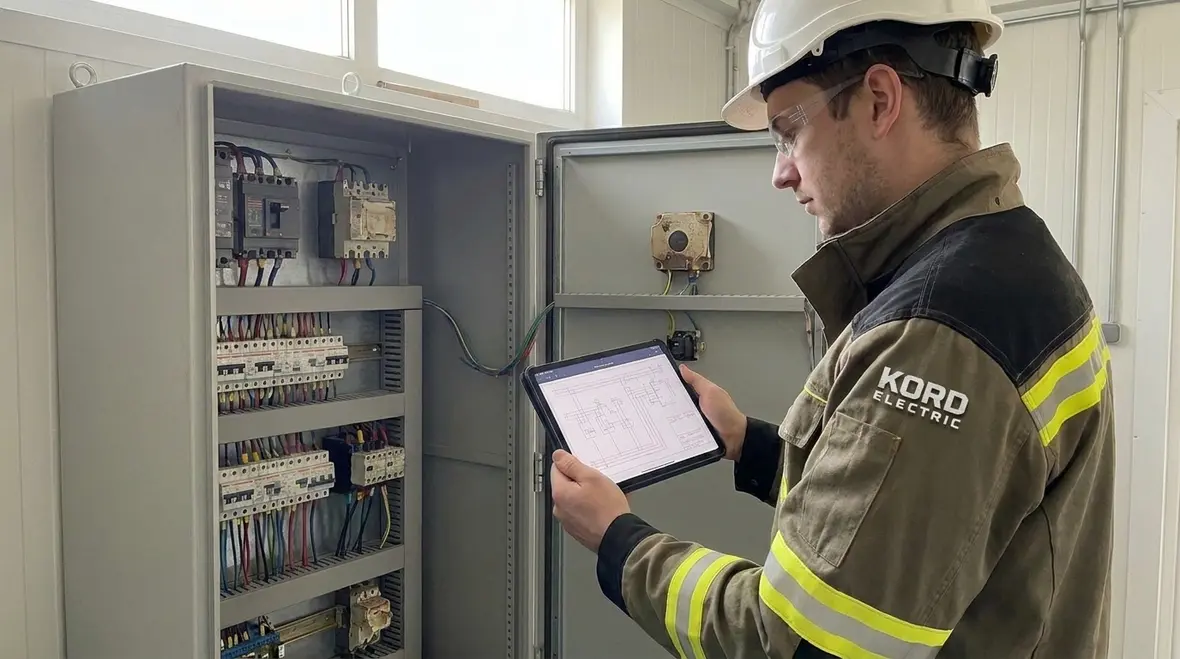
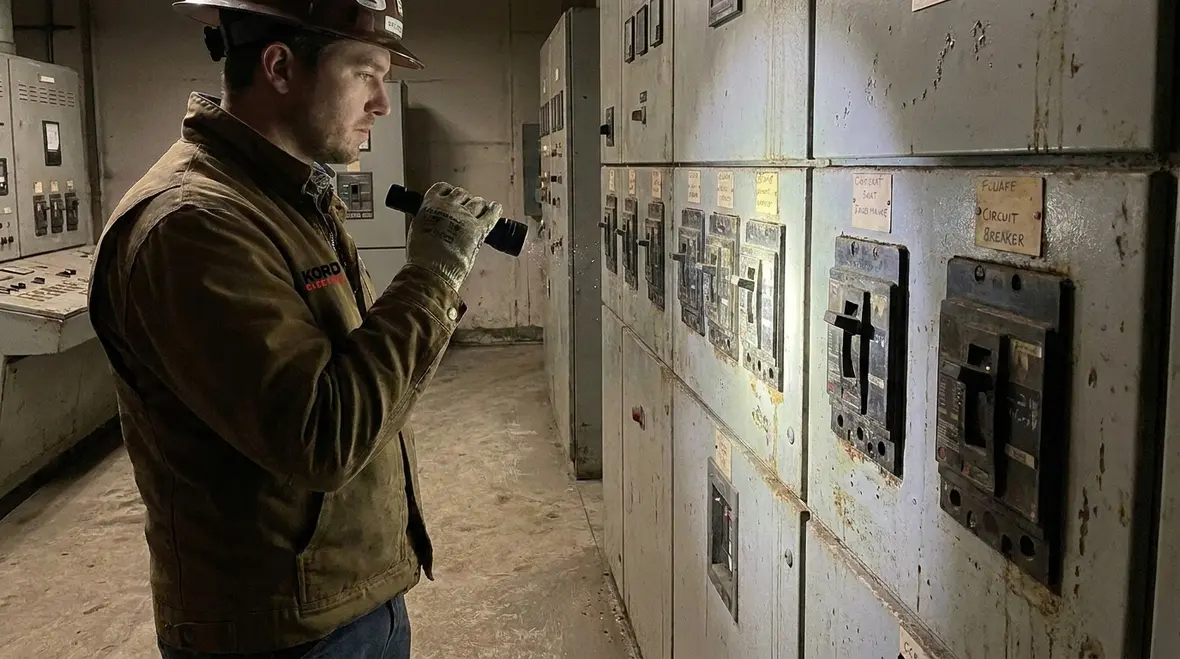
To keep data useful, we build an inventory that reflects what is installed and how it behaves. First, we map critical electrical assets by location and function, then we add attributes that matter for operations and risk. Next, we connect each asset to the documents that support it, such as single line diagrams, schedules, and maintenance history.
We also design the workflow so updates happen after work, not weeks later. Therefore, when our technicians complete testing, replacement, or troubleshooting, they record the outcome in a way that the next team can use. This means the information you rely on during audits, capital planning, or incident review remains aligned with field reality.
And we will say this calmly, because it is true: if your inventory cannot answer a basic question like “what feeds what,” then it cannot guide decisions. It may look impressive, but it will not protect your uptime. The same clarity supports anything from everyday breaker investigations to planning work for emergency power systems, like the approaches we outline in our guide to emergency power for business continuity design.
Tools that support planning, not just reporting
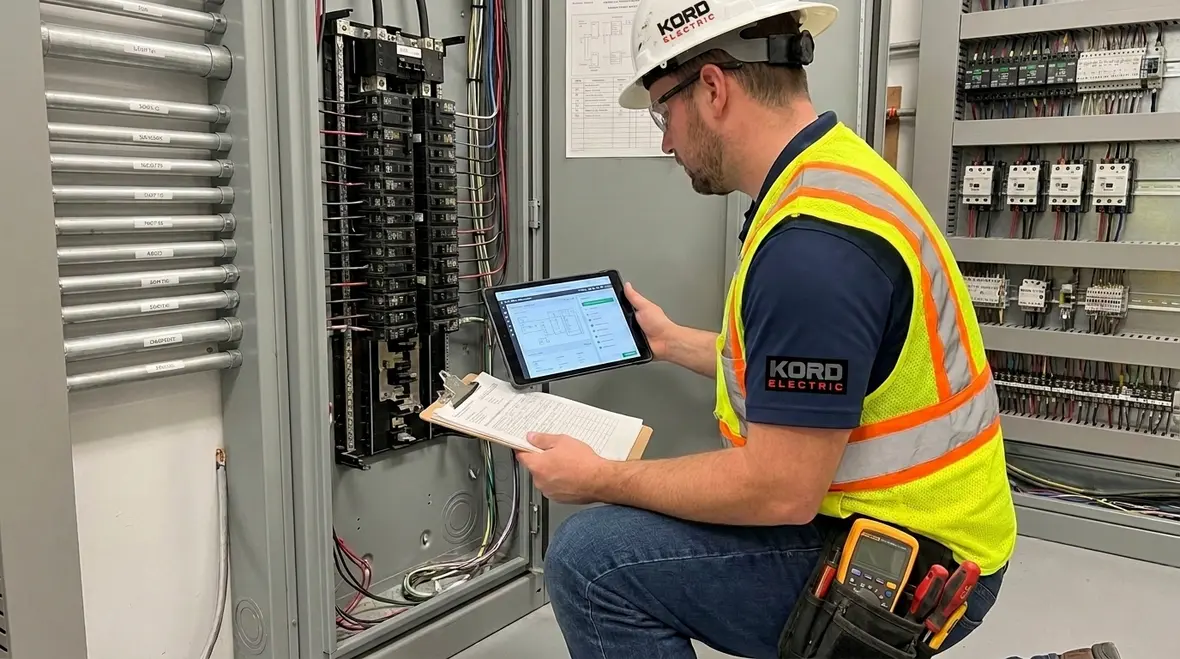
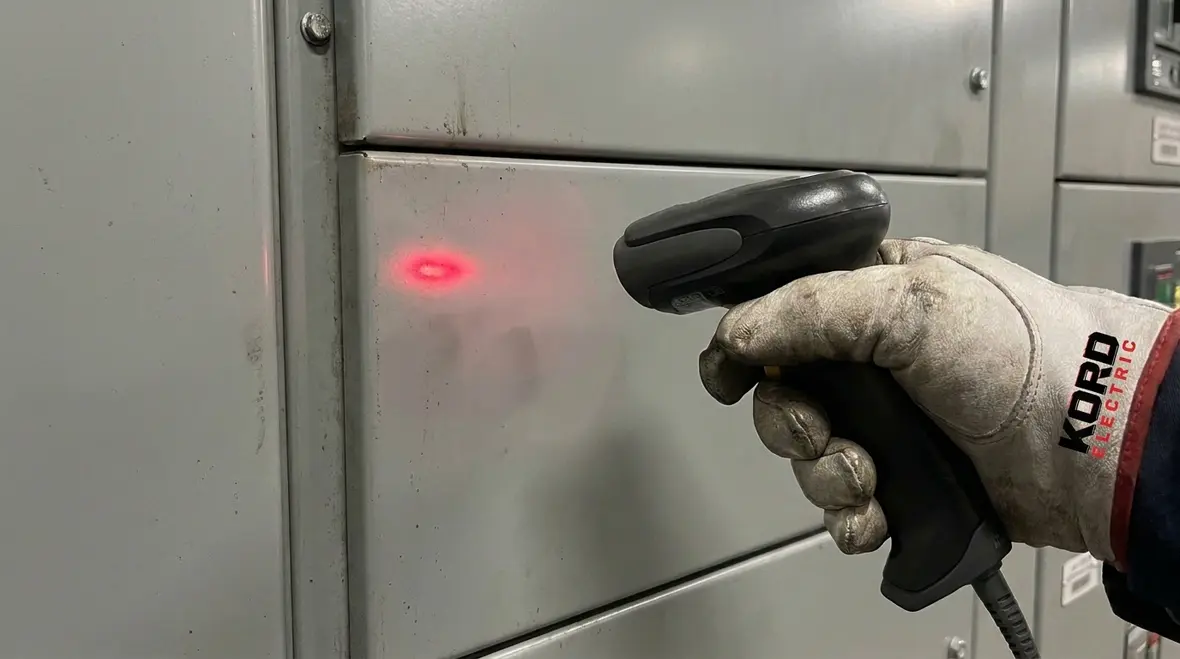
Most facilities collect reports. We focus on systems that support decisions. So, our approach uses tools that track asset condition, schedules, and performance signals, then ties them to work planning. For example, we help clients standardize how they log inspection results, how they rate risk, and how they trigger corrective action.
Depending on the building and the scope, we support workflows that include condition tracking for distribution equipment, maintenance plan management, and document version control. Additionally, we help ensure that work orders connect back to assets and locations. This creates a clean loop: field work updates the record, and the record guides the next visit.
Then the benefits compound. When the next shutdown window arrives, the plan already exists. As a result, you reduce surprises, you cut rework, and you support safer operations. This is the same mindset we bring to topics like data center power redundancy for maximum uptime, where asset condition and documentation directly influence how resilient your system feels on its worst day.
Workflows that keep downtime predictable
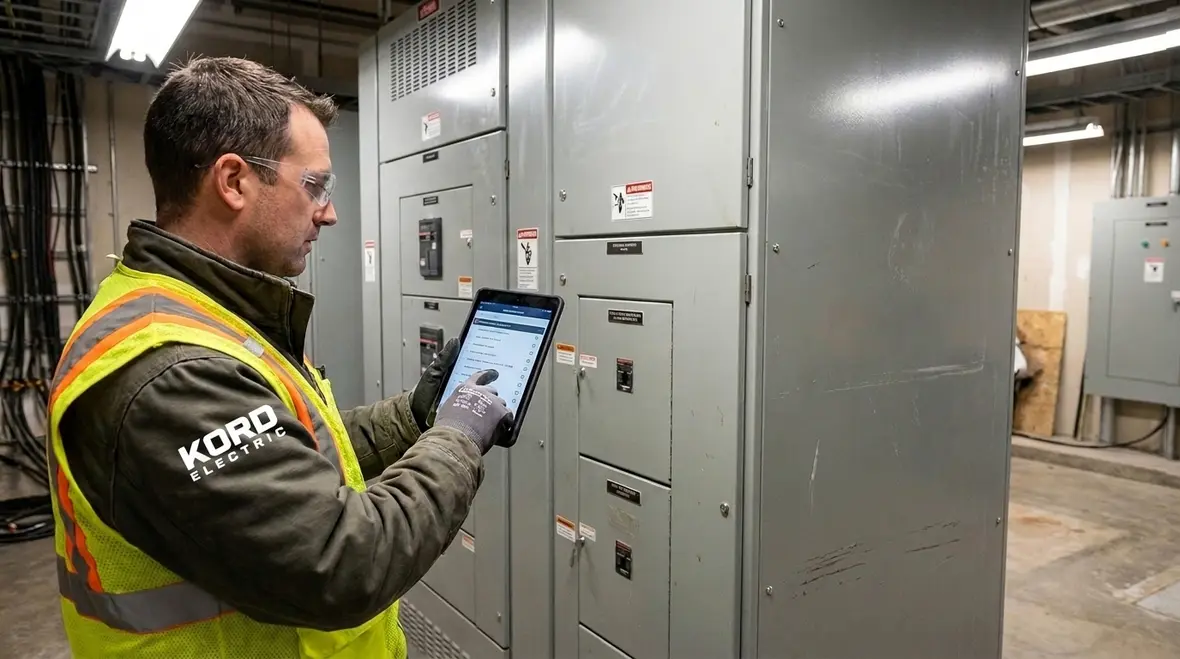
For commercial and industrial facilities, downtime costs more than most people want to admit. Therefore, we run our Electrical Contractor Asset Management: Tools, Workflows & Best Practices approach with scheduling discipline. We start by prioritizing assets based on criticality and known risk factors. After that, we align tasks with facility operating needs and available access.
Next, we build a maintenance cadence that fits each equipment class. Then we document the rationale so teams can defend the plan. During execution, our technicians follow consistent steps, and our expert service staff explains what they find in plain language, so facility managers can plan next moves without guesswork.
Here is the part many plans skip: feedback. If a test result suggests deterioration, we update the asset record and recommend the next action. Instead of waiting for a failure, we prepare for the most likely next event. It is the difference between fixing a fire after it spreads and installing smoke detectors before the match gets lit. That same discipline underpins long term planning topics like our electrical system asset management guide, where tools and workflows act like a runway for future projects instead of a hurdle.
Data quality, responsibility, and clear ownership
Data quality determines whether asset management works in the real world. If naming conventions are inconsistent, if voltage ratings do not match the field, or if maintenance notes lack context, then the “system” becomes a file cabinet with opinions. So we set rules early and we train teams to follow them.
We also clarify responsibility. In our process, we define who updates asset attributes, who approves changes, and how often the inventory gets reviewed. That way, the system stays reliable even when staffing changes.
When our technicians and service staff deliver findings, we explain the “why,” not just the “what.” For instance, we help clients understand how load growth affects equipment stress, how environmental factors contribute to wear, and which corrective steps reduce risk the fastest. And yes, we do include humor, because if we cannot stay human while handling high voltage, then we have been doing it wrong. The goal stays professional: better clarity, better decisions, better outcomes.
Best practices for major property buildings and changing loads
Major property buildings operate like ecosystems. Therefore, electrical assets must adapt to tenants, renovations, and shifting demand. Our best practices focus on maintaining continuity while improving performance.
- Prioritize life safety and core power paths, including distribution equipment that supports critical loads.
- Track modifications so a remodel does not become a mystery feed later.
- Use consistent documentation standards so diagrams and field labels agree.
- Schedule condition checks in a way that respects facility uptime and access limits.
- Plan capital work with the maintenance history, not just the calendar.
We also help clients reduce operational friction. When engineers, electricians, and facilities teams share accurate asset data, work becomes faster and safer. As a result, project handoffs feel less like a courtroom and more like a relay race with clean baton passing. For portfolios across Southern California, this can tie directly into broader Los Angeles County electrical services planning, where code upgrades, tenant improvements, and reliability work all pull from the same, accurate asset picture.
FAQ
Call Kord Electric when you want asset management that holds up
If you manage electrical systems in a commercial or industrial facility, you already know that “good intentions” do not stop failures. Kord Electric helps you build and maintain an accurate, usable Electrical Contractor Asset Management program with tools, workflows, and expert technicians who record findings the right way. Contact us to review your current documentation, prioritize critical assets, and create a practical plan that supports uptime, safety, and long term capital decisions. Let us handle the boring parts so your team can breathe.
When you are ready to connect this asset management framework to concrete upgrades, you can explore our broader commercial and industrial services across Southern California, where projects like emergency power design, surge protection, and lighting control upgrades all build on the same disciplined approach to data and documentation.
For facilities that prefer to plan several moves ahead, pairing this Electrical Contractor Asset Management: Tools, Workflows & Best Practices approach with our dedicated Los Angeles County service capabilities means your next round of projects can use the same asset map instead of starting over every time a new initiative appears.