Electrical System Asset Management Guide
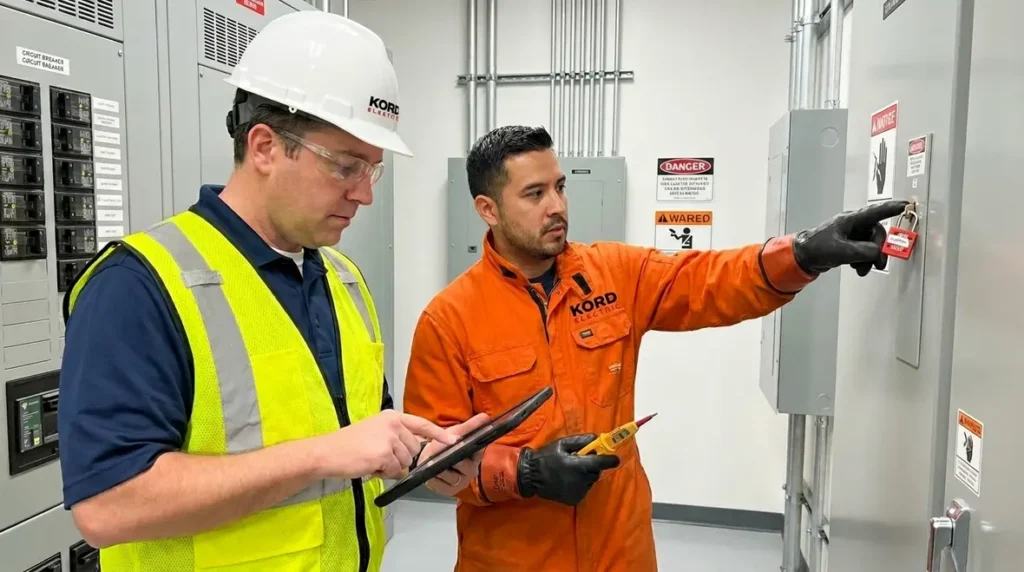
At Kord Electric, we start by treating the building’s electrical system like a living network, not a mystery box. Through electrical system asset management, we track key components across their full lifecycle so commercial and industrial facilities can plan maintenance, reduce downtime, and stay audit ready. In other words, we help others stop guessing and start knowing. And yes, we have seen what happens when a facility runs on “someone probably wrote it down” logic. Fortunately, our technicians and expert service staff document performance, maintain accurate inventories, and connect field findings to real maintenance decisions.
How we map the electrical asset lifecycle from day one
In commercial and industrial facilities, electrical assets rarely fail in isolation. Instead, one worn component can quietly push stress into the next piece of equipment. Therefore, lifecycle tracking must begin at installation or retrofit, then it should keep going without gaps. We build a practical baseline by capturing equipment details, electrical ratings, installation dates, and physical locations. Next, we connect that baseline to inspection results, test data, and work orders.
Then, we help others use consistent asset identifiers so the same transformer, breaker, or panel is easy to find across the years. When technicians walk the floor, they do not hunt for labels. They verify, measure, and update. And when changes happen, we document them promptly, because “we will update the system later” is a famous line that never ends well.
What data matters most in commercial facilities
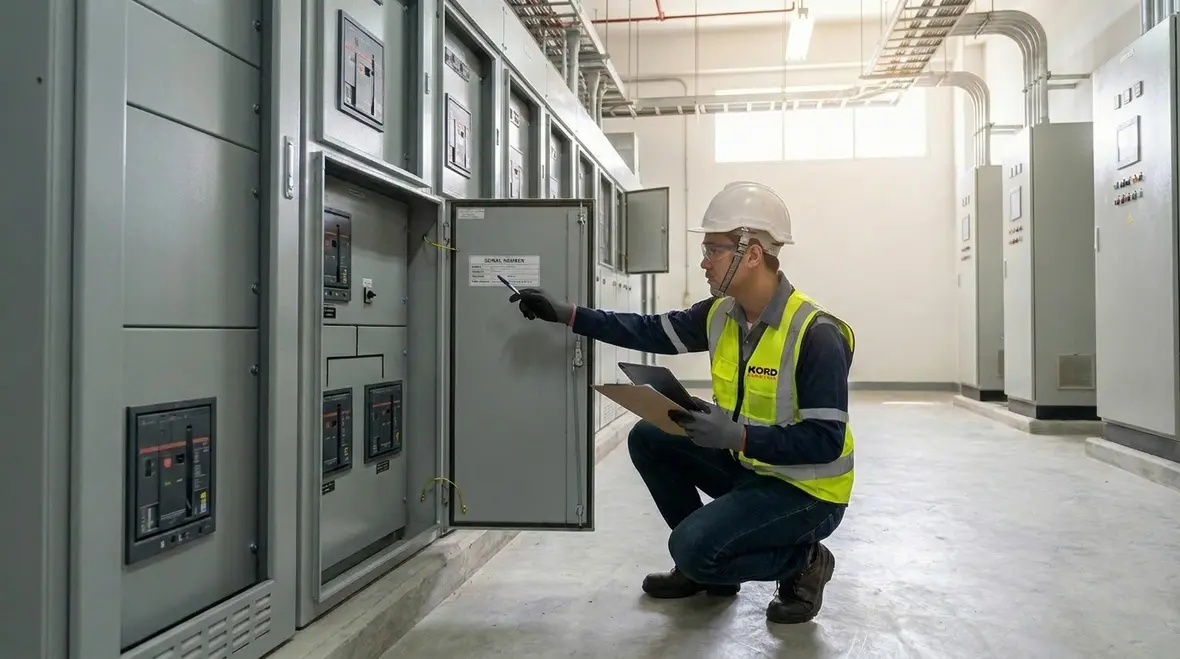
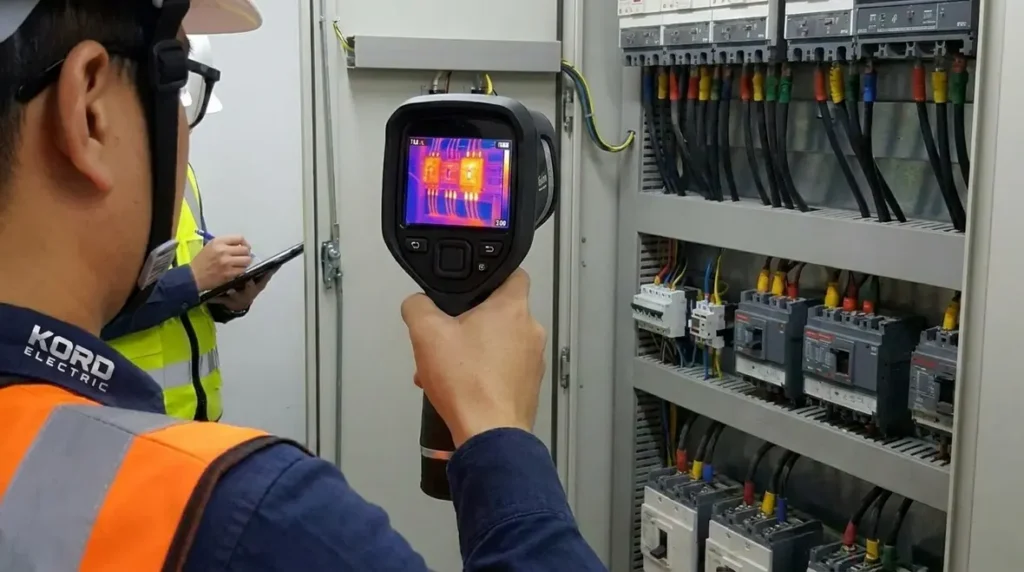
For lifecycle tracking to be useful, the data must support decisions. So we focus on the pieces that actually affect reliability, safety, and cost. We track equipment type and size, plus electrical parameters such as load conditions, fault current capabilities, and protective device settings when available. Additionally, we record inspection findings, infrared results, thermography notes, and any abnormal thermal patterns we detect.
We also tie equipment age to real usage. For example, an older busbar in a lightly loaded area may behave differently than the same age equipment supporting heavy continuous loads. Because of that, our service staff encourages others to capture operating context, not just nameplate facts. As a result, electrical system asset management becomes a decision tool, not a spreadsheet that collects dust.
If you are exploring how asset data supports broader commercial upgrades, Kord Electric also shares insights on how rewiring projects reshape system capacity, safety, and documentation in their rewiring cost guide for commercial electrical systems, which pairs naturally with a strong lifecycle tracking strategy.
Field inspections and testing that actually improve reliability
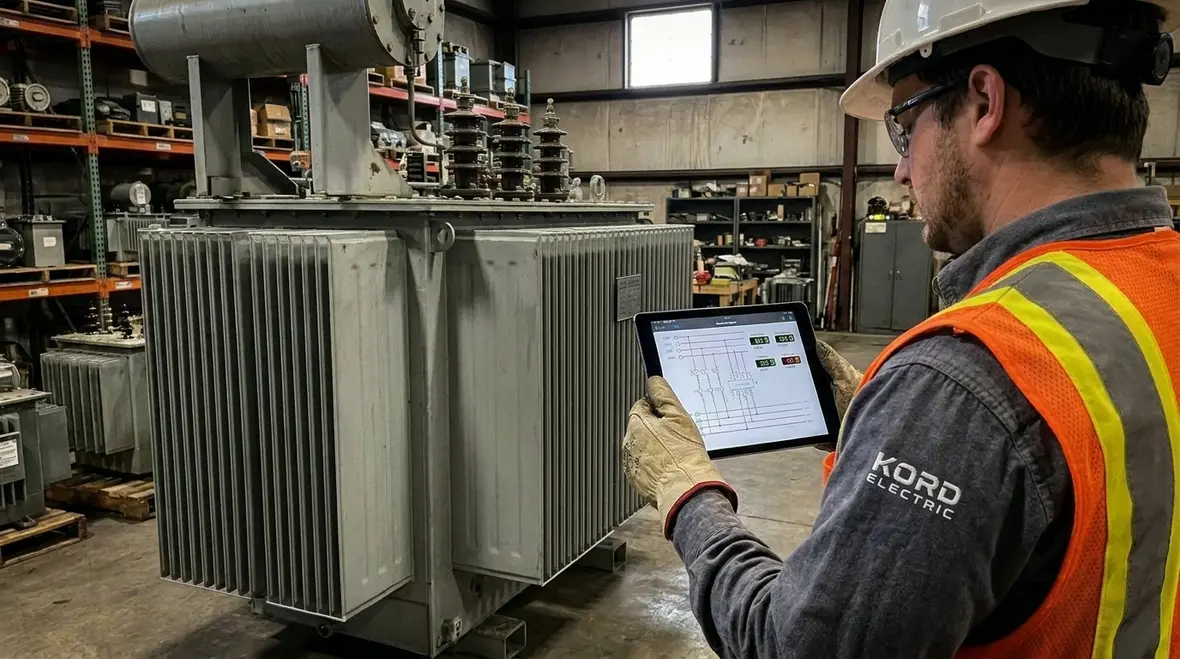
In the field, the goal is not to “check a box.” It is to find degradation early enough that repairs prevent outages. Consequently, we align inspection and testing schedules to asset criticality. A main switchboard feeding a major production area receives a different approach than a secondary panel in a low traffic zone.
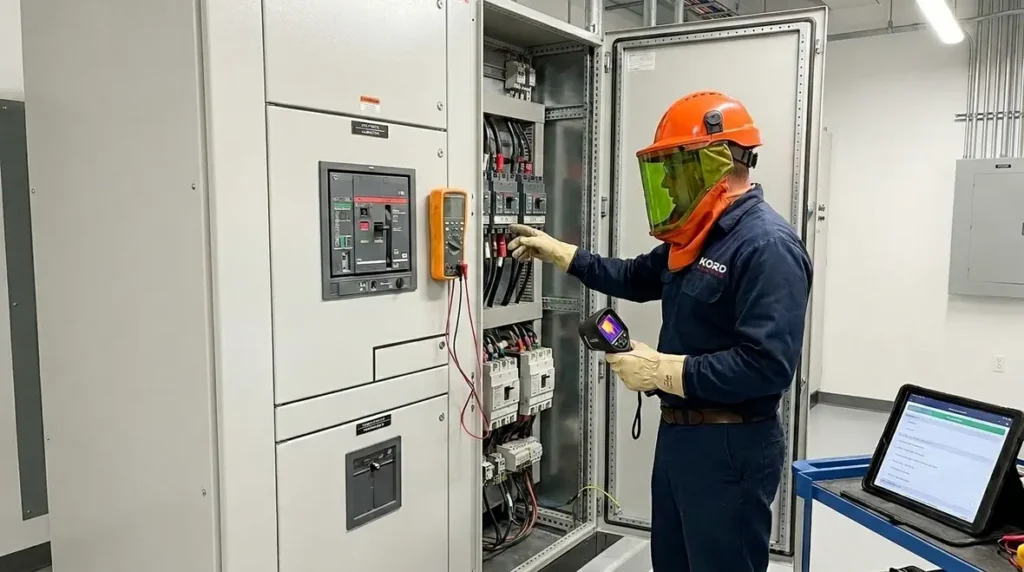
Our technicians follow a repeatable method: observe, measure, compare to prior results, and document outcomes. Moreover, we translate findings into clear next steps. If we see loose terminations, we recommend targeted rework. If protective coordination is drifting, we advise corrective work before a nuisance trip turns into a real event. This is where our expert service staff shines, because they explain results in plain language while they keep the technical details accurate for maintenance leaders and facility managers.
And if you are thinking, “We already inspect,” we will ask what happens after the inspection. If the findings never make it back into the asset records, then the process is like saving a voicemail and never calling anyone back. It feels productive, but it does not solve the problem.
For a deeper look at how proactive testing and inspections fit into a long-term strategy, you can explore Kord Electric’s article on hidden electrical risks in commercial buildings, which highlights why routine reviews and careful documentation matter long before anything fails in public.

Preventive and predictive maintenance using real lifecycle signals
Once a facility has dependable records, it can move beyond time based maintenance. Instead, we help others use condition based triggers tied to lifecycle data. For instance, rising contact resistance, recurring abnormal temperatures, or repeated protective device changes can signal that preventive work should happen sooner. At the same time, we can stretch maintenance intervals for assets that show stable performance, which reduces costs without sacrificing safety.
To make this practical, we connect asset history to work order planning. Therefore, the team knows which parts are likely to fail, what causes have appeared before, and what repairs previously resolved the issue. When the next outage planning window arrives, our approach helps others avoid surprise replacements and rushed purchasing.
We also support reporting that facilities can share internally and with stakeholders. Because of this, asset management becomes a clear story: what was done, what was found, what improved, and what risks remain. That is how proactive maintenance earns trust, instead of starting a calendar fight every time something goes wrong.
For teams building out structured programs, Kord Electric’s guide to electrical preventive maintenance shows how planned inspections, testing, and reporting align perfectly with a strong electrical system asset management foundation, especially in large commercial and industrial environments.

Dual track documentation and work order continuity
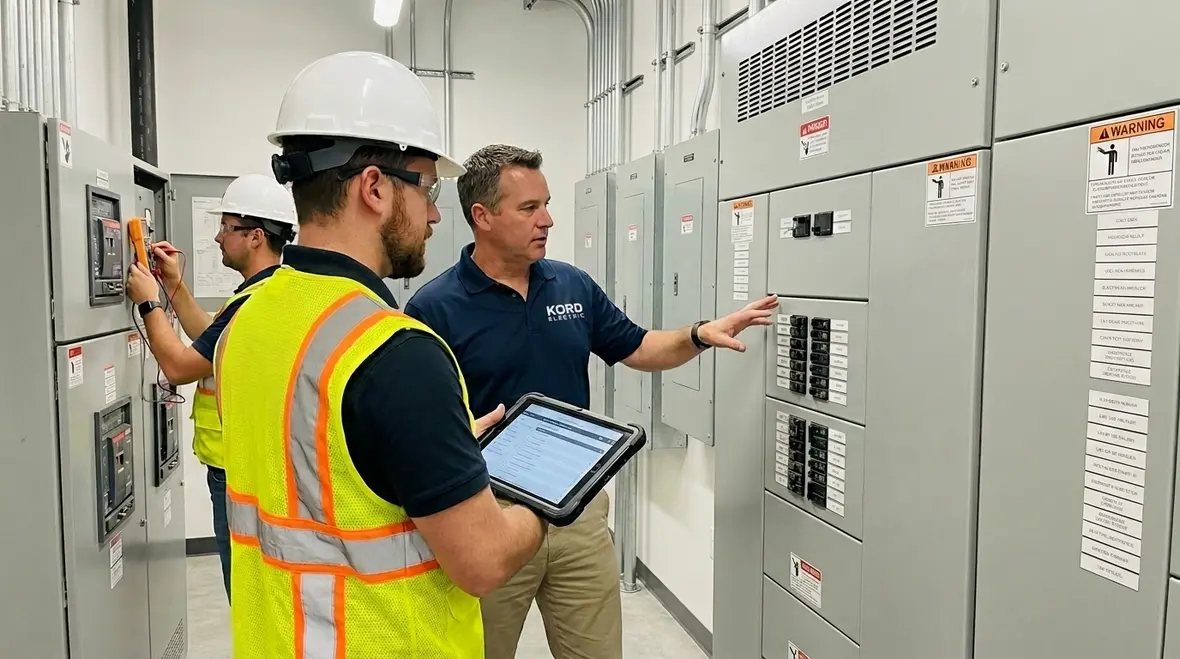
Even the best testing means little if information gets disconnected. So we run a dual track system: field notes and operational context on one side, and structured updates in the asset record on the other. This helps our technicians and expert service staff keep continuity from inspection to repair to verification.
To illustrate, we capture what the crew observed, then we update the asset lifecycle record with the corrective action and any changed settings or replacement details. Then, we make sure the next scheduled task references the updated condition. As a result, electrical system asset management stays consistent across months and across teams.
What crews capture Measurements, photo notes, observed issues, and operating conditions during service | How the records update Asset status, updated test results, maintenance history, and next recommended actions |
When others adopt this approach, they stop losing time because “the person who knows” left, retired, or decided to become an urban legend. Continuity is not optional in major property buildings.
Risk, compliance, and planning for capital decisions
Tracking lifecycle data does more than prevent breakdowns. It also supports risk management and capital planning. Therefore, we help commercial and industrial facilities evaluate which assets deserve replacement first, which ones require modernization, and which ones can remain in service with controlled maintenance.
We also support compliance oriented documentation. Many facilities operate under strict internal standards and external requirements. Consequently, having a clean equipment history helps others respond quickly when audits or safety reviews come up. Instead of hunting through old emails and fragmented logs, teams can trace inspection results, maintenance actions, and performance trends.
Then, when leadership asks, “What is the budget impact next year?” we use the asset lifecycle information to provide grounded estimates. This matters, because capital decisions made with guesses tend to create expensive surprises. And nobody wants to pay a “surprise premium,” unless they are binge watching a reality show and the plot twist actually happens on schedule.
If your asset strategy must also align with changing electrical codes, it can help to pair your lifecycle view with resources like Kord Electric’s article on the 2026 National Electrical Code and their comparison of NFPA 70A vs NEC for commercial electrical compliance, both of which show how standards shape long term capital and maintenance decisions.
FAQ: quick answers for featured snippets
Ready to track your electrical lifecycle with clarity?
When your electrical system has clear records, your maintenance team stops reacting and starts planning. At Kord Electric, our technicians and expert service staff build practical electrical system asset management that connects inspections, testing, work orders, and capital decisions. If you want fewer surprises, better reliability, and documentation you can trust, contact us today to discuss your facility and create a lifecycle tracking plan. We will explain the process, outline next steps, and help you move with confidence, not guesswork.
If you are ready to turn asset records into real-world action, it often helps to anchor your lifecycle strategy to a structured program. Kord Electric’s dedicated electrical preventive maintenance services give commercial and industrial facilities a clear path for recurring inspections, testing, and reporting that align perfectly with long-term asset management goals.