Commercial Subpanel Load Balancing for Uptime
Commercial subpanel load balancing that keeps uptime steady
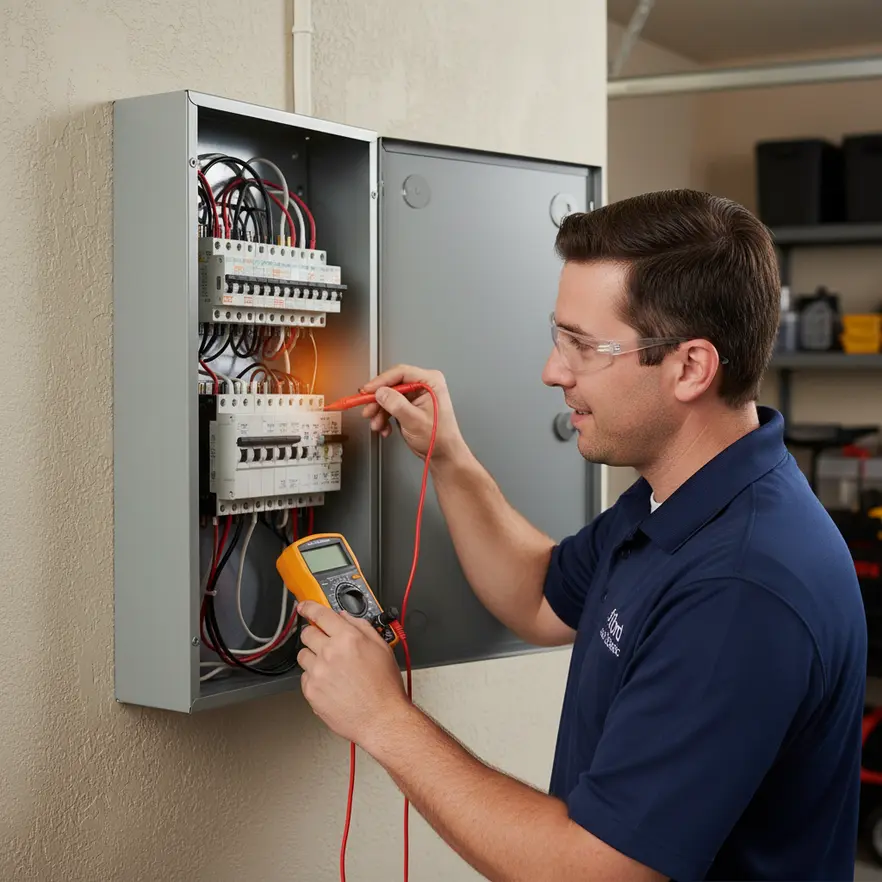
At Kord Electric, we focus on commercial subpanel load balancing for offices, retail, warehouses, hospitals, multi site facilities, and other major property buildings. In the real world, equipment never asks nicely for power. It just draws current, heats up, and expects the electrical system to behave like a well trained valet. When we balance loads correctly, we reduce nuisance trips, prevent hotspots, and keep critical circuits available so operations stay online.
In this guide, our expert service staff explains how we manage subpanel planning, metering, and breaker coordination to maximize uptime. Along the way, we keep the tone practical, because no one wants an electrical strategy that reads like a spell from a sci fi movie. They want results.
Start with the load map and the real story behind demand
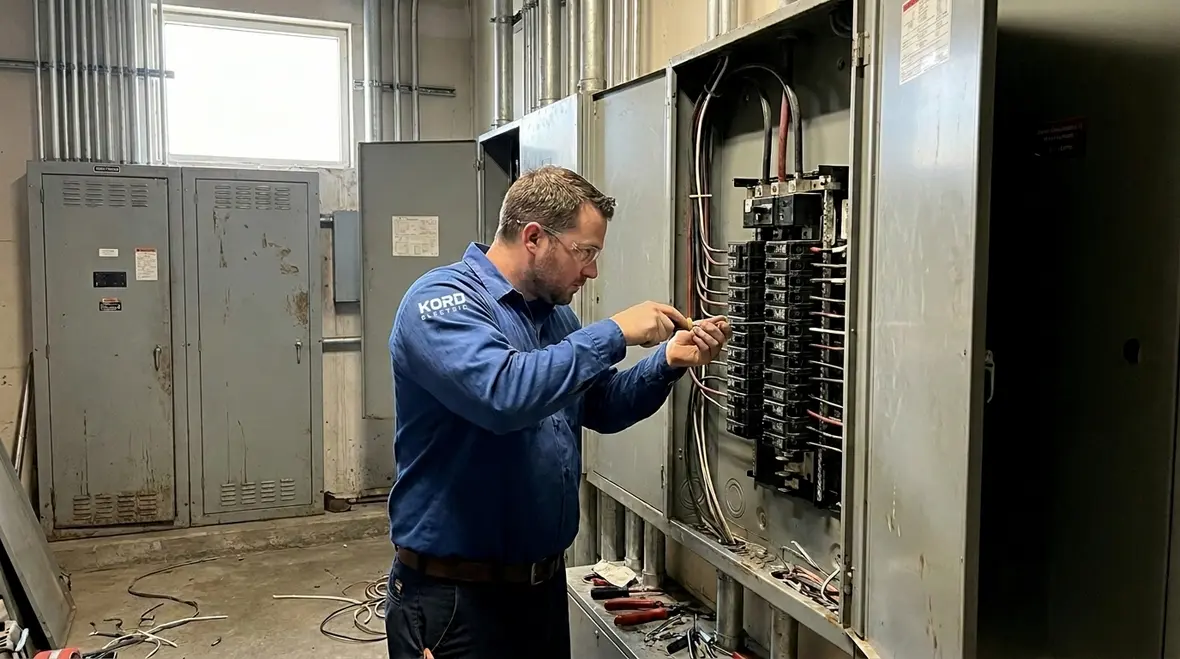
Commercial electrical systems for modern buildings rarely fail because of one single thing. More often, failures come from mismatch between how people think a facility uses power and how it actually uses power. Therefore, we begin with a load map that matches panel schedules, equipment data, and operating schedules.
Our technicians review the building like they are reading a schedule during a playoff game. The HVAC runs in predictable windows, yes. However, we also account for things that ramp up suddenly, like process loads, charging rooms, kitchen equipment, elevators, and tenant build outs. Then we translate those patterns into a phased understanding of demand for normal, peak, and contingency events.
Next, we confirm diversity factors and seasonal swings. In other words, we do not assume that “average” power equals “safe.” We plan for the moments when the building is most demanding, because that is when commercial subpanel load balancing matters most.
Finally, we check existing history, including alarm logs and outage reports. If a circuit trips at 2:10 PM every day, that clue becomes a roadmap. If the trips happen randomly, we dig deeper into wiring terminations, aging breakers, and load drift.
If you are planning broader system changes alongside your subpanel work, it may help to review how full system upgrades impact cost and strategy in Kord Electric’s Rewiring Cost Guide for Commercial Electrical Systems, which connects long term reliability planning with budget reality.

Balance loads so breakers run cool, stable, and predictable
Once we understand the load patterns, we shift into balancing mode. We aim to spread kVA and current across feeders and subpanel circuits so no one path becomes the “main character” that steals all the power.
That means we verify that each subpanel section and each downstream circuit has a planned share of lighting, receptacles, small power, and mechanical loads. We also review neutral loading and phase distribution, especially in three phase systems where misapportionment can silently create heat and voltage problems.
When our experienced service staff explains the process to property managers, we keep it simple. First, we identify which loads swing the most. Then we assign them to panels and phases that can handle the swing without exceeding design limits. After that, we set up monitoring so we can confirm results, not just hope for them.
For maximum uptime, we also consider the operational sequence during maintenance. If a tech needs to take one subpanel offline, we ensure the remaining capacity supports critical areas. In a lot of buildings, that is the difference between “quick maintenance” and “why is the building dark?”
Proper balancing also ties directly into overall voltage stability. If your facility has already seen flickering lights or sensitive equipment that seems too picky, Kord Electric’s guide on Voltage Fluctuations in Commercial & Industrial Facilities walks through how overloaded or uneven panels can drive those symptoms – and how to fix them before they become chronic.

Metering and monitoring that catch problems before they trip
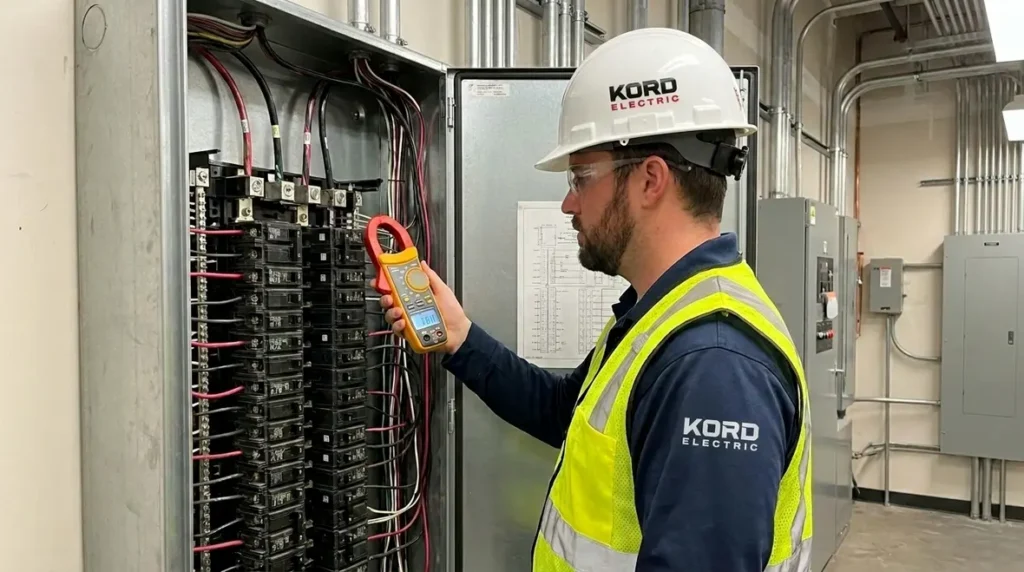
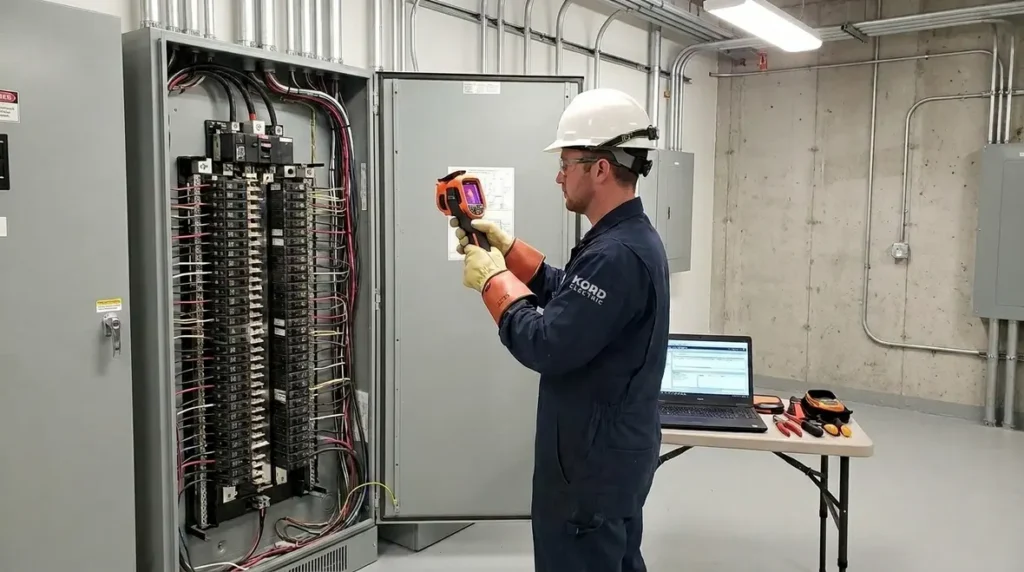
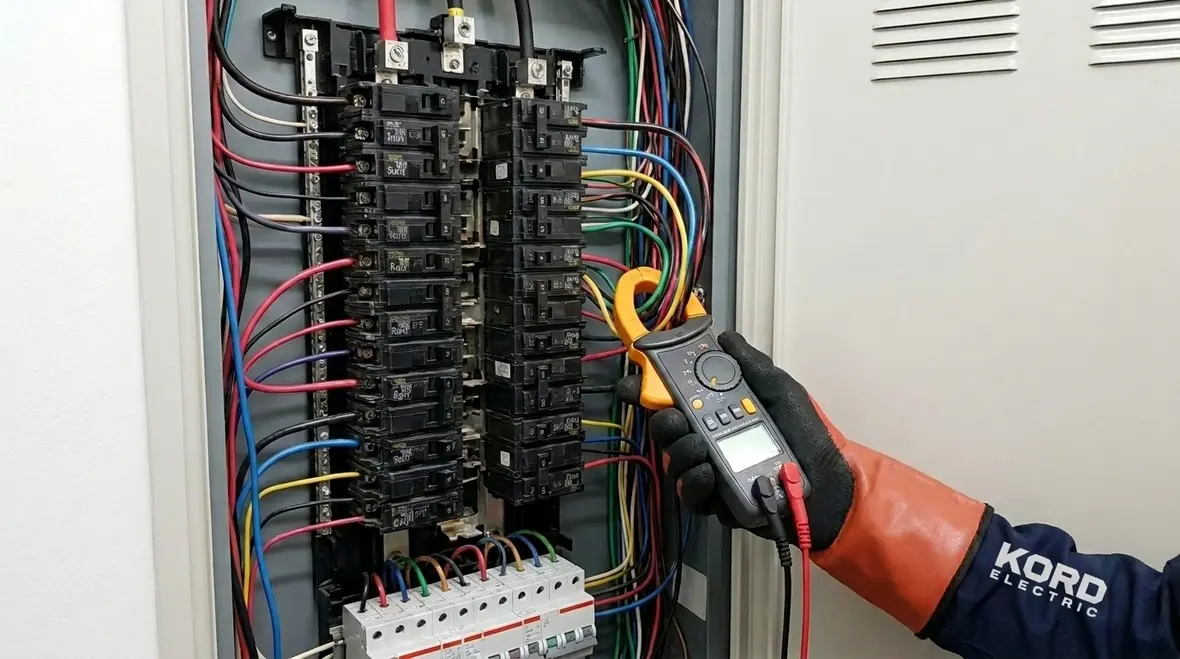
Balanced design helps, but monitoring seals the deal. Therefore, Kord Electric uses metering strategies that show real load on each subpanel and feeder. We focus on trend data, not just snapshots, because load imbalance often shows up as slow drift.
We recommend monitoring that tracks current, power, and temperature indicators when available. Additionally, we review harmonic impacts and power quality when the facility has large motor loads, variable speed drives, or sensitive IT areas. If harmonics start to rise, they can push systems into a condition where protection devices behave less predictably.
To keep things business friendly, we explain monitoring like this. A good dashboard is the difference between feeling a fever and measuring a temperature. You do not treat what you do not measure.
Then we connect those readings back into the load map. If the monitoring shows a subpanel consistently carrying more than the plan, we schedule corrective actions. Sometimes that action is simple circuit reassignment. Other times it requires feeder adjustments or breaker updates, depending on age, rating, and wiring conditions.

Protection coordination: the safety net that does not ruin the game
For uptime, protection is not just about safety. It is about selectivity. That means when a fault happens, the system trips the smallest possible part first, then isolates the fault without taking out upstream systems or critical loads.
Kord Electric evaluates breaker coordination across the service, switchgear, and subpanels. We confirm trip curves, time delays, and the performance of protective devices under expected fault conditions. We also check if the system uses proper settings for the actual load environment.
Here is where our technicians earn their keep. They do not treat coordination as a checkbox. They test the logic, they verify label accuracy, and they compare field conditions against drawings. If an old panel schedule says one thing and the field says another, our team fixes the record before it becomes a troubleshooting trap later.
Also, we pay attention to nuisance trips. If a breaker trips with no real fault, the root cause might be thermal stress from imbalance, a loose termination, or an aging breaker mechanism. Therefore, we address the underlying issue rather than just replacing parts and calling it a day. That is not engineering, that is cardio without the gym.
When commercial subpanel load balancing intersects with broader reliability standards, it often overlaps with structured maintenance requirements. For teams updating their strategies, Kord Electric’s article on NFPA 70B Electrical Panels and Switchgear Maintenance shows how coordination, inspections, and load management all fit into one calm, organized plan.
Phase balancing, neutral control, and torque checks for real-world reliability
Phase balancing and neutral control work best when they are treated like ongoing maintenance. Loads change after tenant improvements, equipment upgrades, and even changes in operating hours. Thus, we verify phase distribution and neutral current limits during both initial commissioning and later updates.
In many commercial and industrial settings, neutral issues do not look dramatic at first. They show up as heat at terminations, discoloration, or a smell that makes everyone pretend they do not notice. To prevent that slow burn, our technicians perform tightening and torque verification on key terminations and bus connections as part of a structured electrical reliability plan.
We also review cable sizing and derating when insulation conditions, ambient temperatures, or installation methods changed over time. If someone replaced a piece of equipment with a higher draw unit and no one told the electrical team, the system can quietly drift out of comfort.
Then we align the corrected setup with the load balancing plan. In other words, we balance the loads and we verify that the physical installation can safely carry them. Both must be true for maximum uptime.
Design updates for tenant changes and property-wide growth
Many major property buildings grow in a patchwork way. A tenant moves in, a tenant expands, and an elevator upgrade happens in one wing while another wing gets new lighting. Each change can shift the electrical reality, and that is why we plan for future moves.
Kord Electric helps property owners and facility teams create an update path. Instead of waiting for a problem, we map how future circuits should land within subpanels and how capacity will shift across feeders. When tenant work changes the load, we update the load map, rebalance circuits, and confirm protection coordination after the work is complete.
Our expert service staff also supports document control. They help ensure panel schedules, labeling, and as built records match the real system. That reduces downtime during future troubleshooting because a technician does not have to guess which breaker feeds which space. Guessing is fun in movies, but it is expensive in the field.
Finally, we coordinate with building operations. We schedule changes during off peak windows when possible and confirm critical circuits remain supported. That planning reduces risk for hospitals, data rooms, and other high availability needs.
If you are mapping growth over the next few years, it is worth pairing subpanel plans with a wider strategy for your electrical rooms. Kord Electric’s piece on Hidden Electrical Risks in Commercial Buildings explores how unseen load shifts, outdated labeling, and quiet panel stress can all add up if they are not addressed early.
FAQ: quick answers on subpanel balancing and uptime
Conclusion: keep power steady with Kord Electric
If your facility runs critical equipment, you cannot afford electrical surprises. Kord Electric helps commercial and industrial properties manage commercial subpanel load balancing with real load mapping, monitoring, and protection coordination, so teams protect uptime instead of chasing problems. Our technicians and expert service staff bring calm, clear guidance from assessment to execution, and they keep the system readable for every future maintenance step. Schedule a reliability review with us, and let us balance your power like it is supposed to be balanced.
To keep that reliability going year after year, many organizations also build structured Electrical Preventive Maintenance programs with Kord Electric. When preventive maintenance and commercial subpanel load balancing work together, facilities gain a steadier, more predictable electrical backbone for everything else they do.