Troubleshooting Commercial Circuit Breakers
At Kord Electric, we often get called when troubleshooting commercial circuit breakers turns into a real-time drama: lights dim, equipment slows, and suddenly the breaker won’t hold. Our technicians respond by checking the breaker first, then tracing outward into the wiring, load, and protection settings. Even so, the most important step is calm, because rushing is how small problems become big invoices. In this guide, we walk through the common causes of commercial breaker trips and the fixes that our expert service staff uses in real commercial and industrial facilities, including major property buildings.
Why commercial breakers trip when the building is “fine”
In many cases, a breaker trips because it is doing its job. However, people assume the circuit breaker should behave like a stubborn doorman who never lets anyone in or out. Instead, it acts like a smart bouncer: when it senses danger, it stops the party immediately. That danger might be electrical overload, a short circuit, ground fault, loose connections, or even moisture creeping into equipment.
Our team also sees why this feels random. For example, a trip may happen only when certain loads start together: HVAC plus kitchen exhaust plus a bank of office equipment. Then the building does what it always does, and the breaker suddenly refuses to cooperate. Meanwhile, the staff looks at the panel and thinks, “Maybe it just needs a nap.” We do not diagnose by vibes, and neither should anyone in commercial settings.
Overload, heat buildup, and aging components
Overload is one of the most common reasons. It occurs when the connected equipment pulls more current than the circuit or breaker rating allows. This can happen gradually, or it can happen suddenly when a tenant adds equipment, a compressor starts more often, or a process changes. Additionally, an electrical circuit can appear stable until demand increases, then the breaker trips to protect conductors.
Heat is the quiet accomplice. Over time, breakers and terminations can warm up and degrade. As connections loosen, resistance rises, and that resistance creates more heat. Eventually, the breaker trips under normal load because the circuit has effectively become “hotter than it should be.”
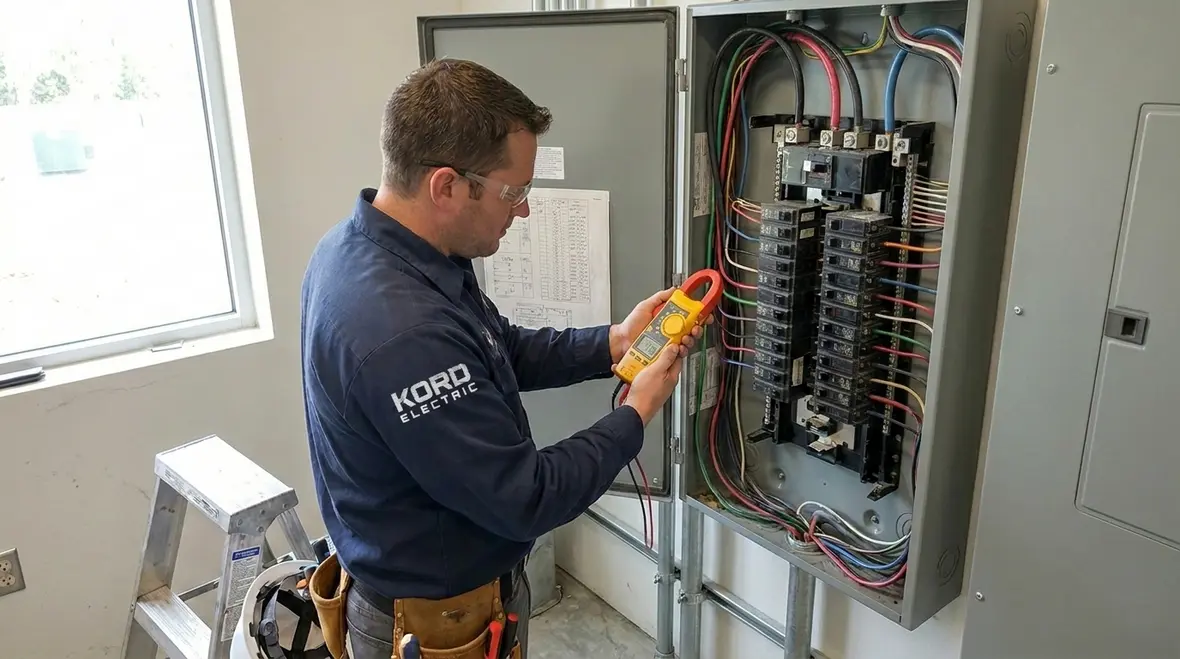
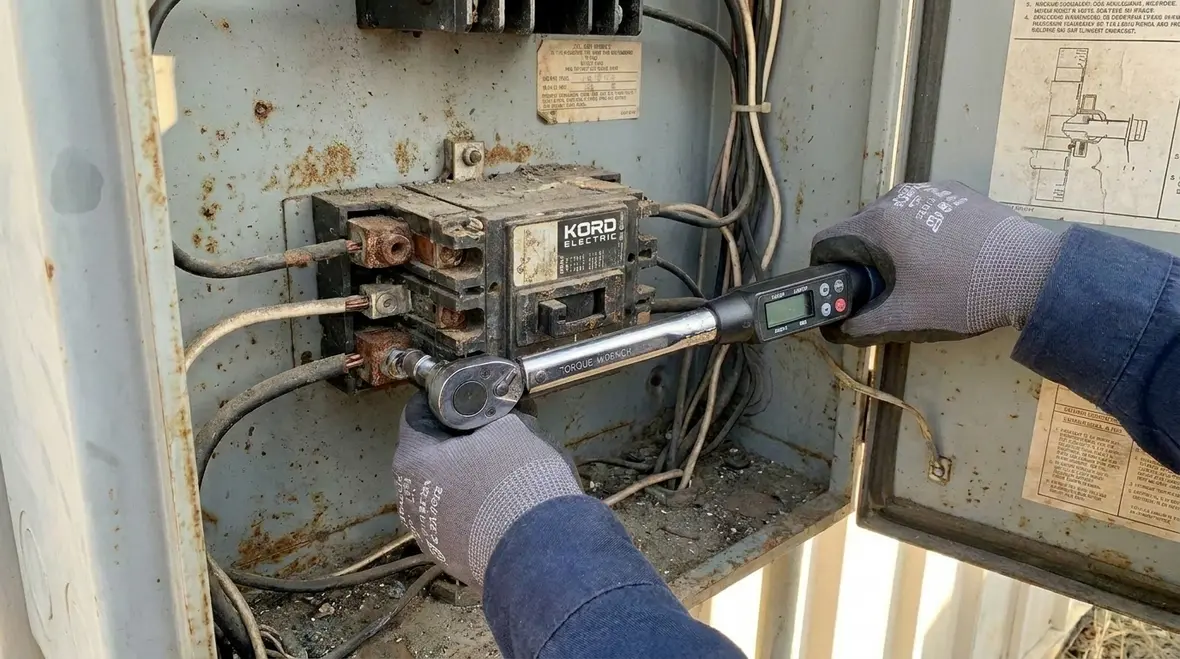
What we do in troubleshooting commercial circuit breakers starts with a load review and inspection. Our technicians measure current where safe, confirm breaker ratings, and verify whether the trip pattern matches overload. Then we recommend targeted actions like correcting load imbalance, replacing a worn breaker, tightening terminations with proper torque, and checking that cable sizes match the actual duty.
Short circuits and ground faults in commercial wiring
Short circuits usually trip a breaker fast. Ground faults can act similarly, but the cause may hide in insulation damage, moisture, or damaged equipment leads. In industrial and commercial environments, wiring runs through areas where vibration, foot traffic, and humidity can quietly wear down insulation. Then one day, the protection devices see current leaving the intended path, and the breaker opens.
To fix this, our expert service staff does more than replace the breaker and hope for the best. First, we inspect the affected branch circuit and downstream equipment for insulation issues. Next, we evaluate grounding and bonding since poor grounding can cause nuisance trips. Then we test for leakage conditions when the facility can support safe test procedures.
If a breaker trips immediately upon reset, short-circuit causes usually move to the top of the list. If it trips under specific operating modes, the staff often narrows the fault to the equipment that starts or changes states at that moment. We treat the building like a system, not a pile of parts. For facilities that see recurring power quality issues alongside breaker trips, it can also be useful to understand how voltage fluctuations in commercial and industrial facilities can contribute to nuisance tripping and equipment stress.
Loose terminations, corrosion, and poor connections
If you want a “classic mystery,” look at loose connections. A connection can loosen due to thermal cycling, vibrations, or installation methods that were never meant for long-term duty. Once a termination loosens, electrical resistance rises. As a result, heat builds at the joint and the breaker may trip, sometimes with a smell or discoloration.
Corrosion adds another layer. In humid mechanical rooms, near rooftop units, or anywhere cleaning agents and condensation exist, terminal surfaces can corrode. Moisture can also bridge conductors in places where insulation should remain clean and dry.
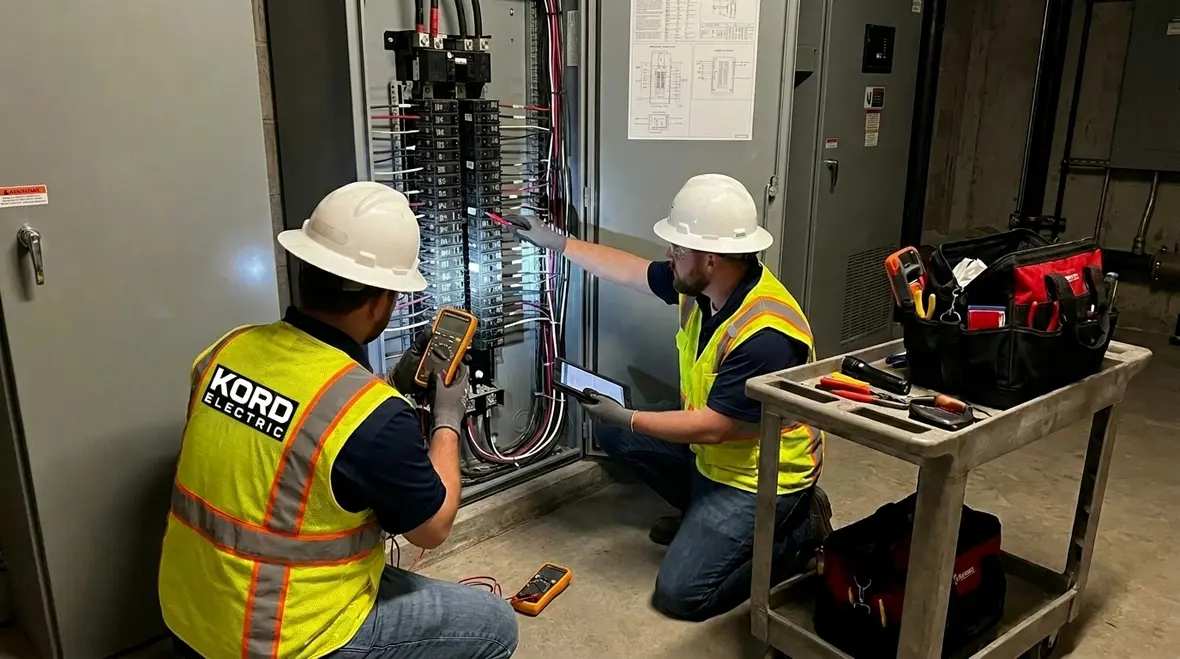
Our technicians inspect terminations at the breaker, bus, and load side. They verify torque, check for signs of discoloration or burning, and confirm correct conductor sizing. Then we replace damaged components and address any root cause such as water intrusion, condensation, or environmental exposure. This is the part where the “quick reset” stops being a plan and becomes a liability. A breaker is not a bandage.
Hidden connection issues often show up as unexplained warm panels, nuisance trips, or subtle performance changes long before an obvious failure. For a wider look at how these small problems build up across an entire property, facility leaders often find it helpful to review insights from hidden electrical risks in commercial buildings, where loose and corroded terminations play a starring role behind the scenes.
Wrong breaker settings, mismatched ratings, and selectivity issues
Sometimes the breaker does not trip because something is wrong with power. Instead, it trips because it is wrong for the job. We see this when someone upgrades equipment and the protection device does not match the new load characteristics. For example, certain starting currents from motors, refrigeration units, or variable speed drives can be higher than older equipment. If the breaker is not suited for the application, it trips even when the circuit is healthy.
We also encounter selectivity problems in major property buildings. When multiple protective devices exist, they should coordinate so the correct device opens first. If coordination fails, the upstream breaker trips, shutting down more than necessary. That turns an equipment issue into a full building inconvenience, and nobody pays electricity bills for surprise downtime.
Our expert service staff checks breaker type, trip curves where applicable, and coordination settings. We confirm that the breaker rating, interrupting capacity, and settings align with the load. Then we recommend adjustments that restore proper protection and reduce nuisance outages. For facilities working through larger infrastructure changes, these conversations often overlap with planning for rewiring cost for commercial electrical systems or other long range electrical upgrades.
Moisture, dust, and environmental factors in commercial panels
Commercial and industrial spaces can be tough on electrical gear. Dust can settle inside enclosures. Moisture can enter through conduits, conduit hubs, or poorly sealed openings. When that happens, insulation resistance can drop and ground faults become more likely.
Additionally, water damage may be silent at first. The breaker may trip only after a specific weather pattern, after cleaning, or after a rooftop unit cycles. Then maintenance teams chase ghosts, resetting breakers, while the real cause waits inside the panel.
We address this by inspecting enclosures, checking sealing and conduit entries, and reviewing maintenance practices. We also look at airflow and condensation control in the room where panels sit. If cleaning methods contribute to moisture, we recommend safer approaches. Our approach stays practical for major property buildings where uptime matters, and where the “wait and see” approach costs more than a proper inspection.
Building teams who want to move from reactive to proactive often pair this kind of inspection with structured electrical preventive maintenance so that moisture, dust, and environmental wear get caught long before they lead to repeated breaker trips.
Our troubleshooting process: what our technicians do first
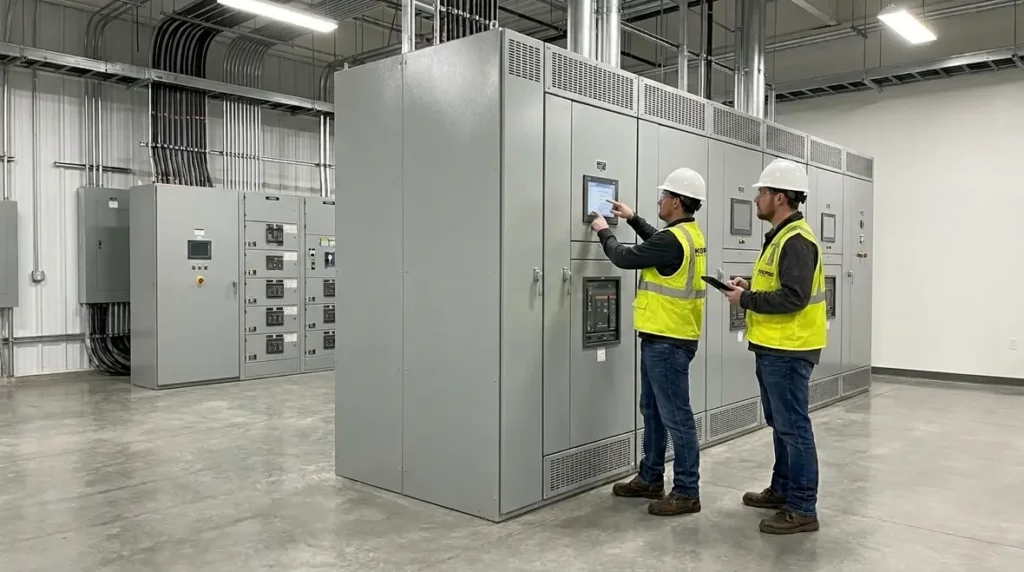
When Kord Electric arrives, we follow a sequence designed to protect staff and reduce guesswork. First, we identify the exact breaker that trips and the conditions around the trip, including time of day and which equipment was running. Next, our technicians examine the panel for physical clues like discoloration, heat marks, or signs of moisture. Then we verify breaker condition, wiring integrity, and terminations.
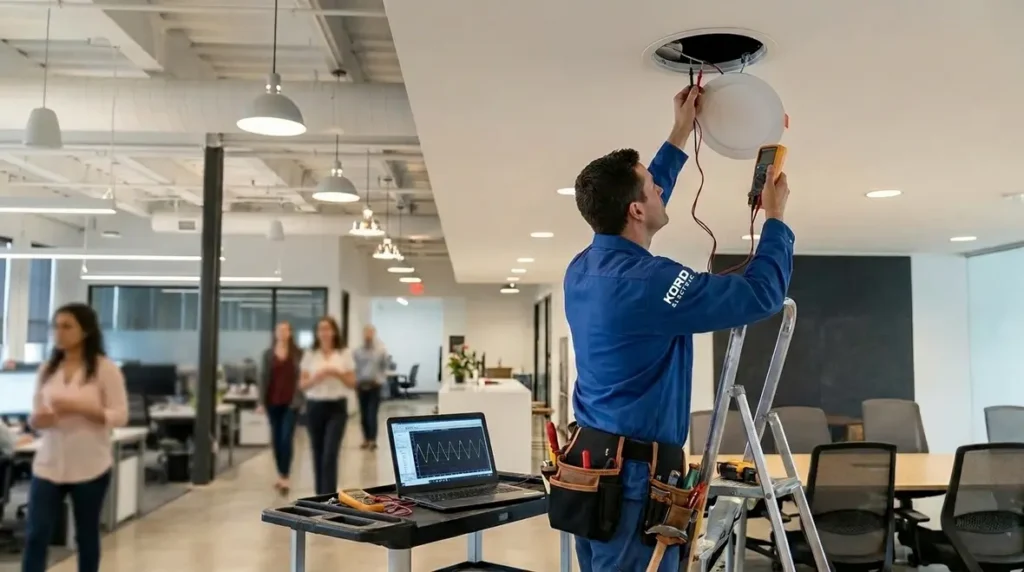
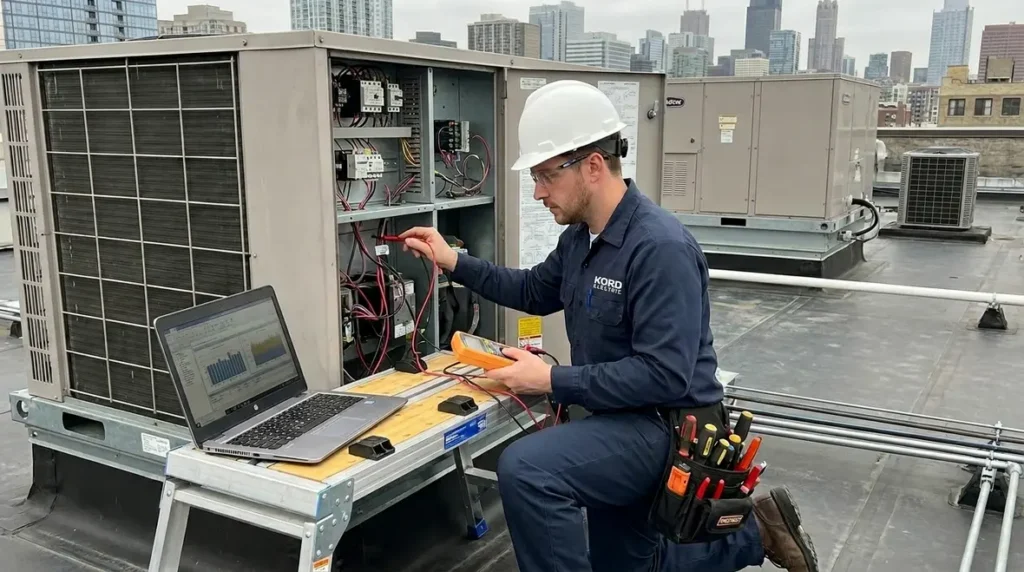
After that, we measure current and review load behavior. We confirm whether the problem looks like overload, short circuit, ground fault, or nuisance tripping from settings. In many cases, we also check the downstream equipment that shares the circuit. For example, a failing motor or a leaking component can pull more current than it should, and the breaker becomes the messenger, not the villain.
Finally, we repair and document. We replace worn parts when needed, correct wiring and terminations, and adjust protection so the facility runs with fewer interruptions. Also, we explain the findings in plain language so the facility manager understands what happened and what we prevented. For operations that want this level of clarity on a recurring basis, Kord Electric’s commercial and industrial electrical maintenance plans outline how structured services keep panels, breakers, and critical equipment in healthier condition over time.
FAQ about breaker trips in commercial and industrial buildings
Ready for a calmer electrical system
If your commercial or industrial facility keeps experiencing breaker trips, we can help you stop the guessing and restore reliable power. At Kord Electric, our technicians inspect terminations, loads, settings, and environmental factors, then fix the root cause instead of swapping parts blindly. Contact us for a service visit and we will walk your team through what we find, what we repair, and how we reduce repeat outages. Your building deserves steadier power, and your staff deserves fewer “why did it trip again?” meetings.
For facilities that are seeing frequent trips, unexplained outages, or worrying signs inside panels, it may be time to combine targeted troubleshooting with a broader reliability plan. Kord Electric’s electrical preventive maintenance and emergency electrical services support major property buildings, campuses, and industrial sites that cannot afford extended downtime. Whether you need same-day help or a structured program, their team focuses on practical solutions that keep operations running.
If you are planning larger upgrades alongside solving breaker issues—such as panel replacements, distribution changes, or load rebalancing—Kord Electric can integrate troubleshooting commercial circuit breakers usage into a long-term strategy. From panelboard maintenance aligned with NFPA 70B guidance to targeted corrections identified during electrical panels and switchgear maintenance reviews, their technicians help you prioritize the work that delivers the most stability for your facility.
Take the next step toward fewer trips and smoother operations
When breakers trip across a commercial or industrial building, it is more than an annoyance. It is a signal that your electrical infrastructure needs attention. Whether you are dealing with overloads, mysterious ground faults, or settings that never quite seem right, Kord Electric’s licensed commercial electricians can help you diagnose the problem, protect your equipment, and calm your electrical system so your teams can focus on their real work.
Schedule a visit, walk the facility with a technician, and turn those “it always trips at the worst time” stories into a thing of the past. From first inspection to final report, the focus stays on safety, reliability, and clear communication so you always know what was found, what was fixed, and what should be planned next.