Industrial Electrical Load Management for Uptime
How industrial electrical load management keeps production steady
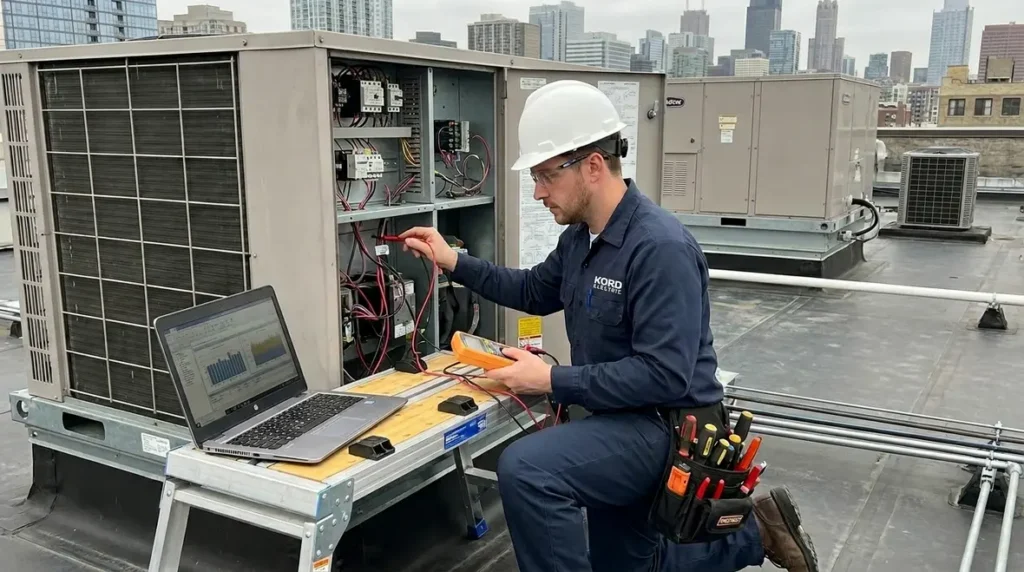
In manufacturing, one bad electrical moment can turn a whole shift into downtime. At Kord Electric, we focus on industrial electrical load management so your facility can handle demand changes without tripping breakers, overheating assets, or forcing costly shutdowns. We plan for peak load before it becomes a crisis, and we coordinate power so critical equipment stays powered while nonessential loads shift or shed in a controlled way. Meanwhile, our technicians explain the “why” behind each recommendation in plain language, because nobody should need an engineering degree to understand why the lights dim, production pauses, and the maintenance team gets called in like it is an emergency superhero movie. We keep things calm, measured, and reliable.
What load management means for real manufacturing risk
When companies talk about load management, they sometimes mean “turn things off when needed.” However, that is only the last resort. First, industrial electrical load management focuses on forecasting, measuring, and coordinating how power flows through the facility. Then, it aligns electrical capacity with the actual operating profile of equipment such as motors, furnaces, compressors, HVAC systems, and process lines.
Because manufacturing plants run on schedules, they also run on patterns. Therefore, the electrical load curve is not a mystery. It is a story told by production. When that story is ignored, the result is often simple: transformers run hotter than expected, busbars age faster, and protective devices operate outside their best range. In contrast, a proper plan builds margin where margin matters most, and it protects uptime where downtime is most expensive.
Our approach also respects how facilities really operate. We do not sell fantasy. We look at demand, harmonics, power factor, and starting currents, and we tie the findings to the plant’s day to day reality. In other words, we help others make decisions that match how the factory breathes.
Spot the pressure points before they trigger downtime
To prevent costly downtime, the first step is to locate where stress shows up. Typically, it appears in three places: feeders, transformers, and the switchgear that ties everything together. Yet stress is not always obvious. Loads can look “fine” during steady operations while failing during ramps, startups, or changes in product mix.
Our technicians use field data and system reviews to pinpoint pressure points such as:
Transformers nearing thermal limits during peak production windows
Switchgear and bus connections that show elevated temperature trends
Voltage dips during motor starts that cause nuisance trips or equipment faults
Demand spikes tied to batch cycles, cleaning cycles, or shift changes
Harmonic distortion that increases heat and reduces usable capacity
Next, we compare these findings against nameplate ratings and real operating behavior. Then we map the gaps into action steps, such as adjustment of setpoints, load sequencing, or adding control logic for responsive load shedding. This is how load management stops being a theory and starts being a safety net for your production schedule.
Where data centers and major property buildings fit into the same power story
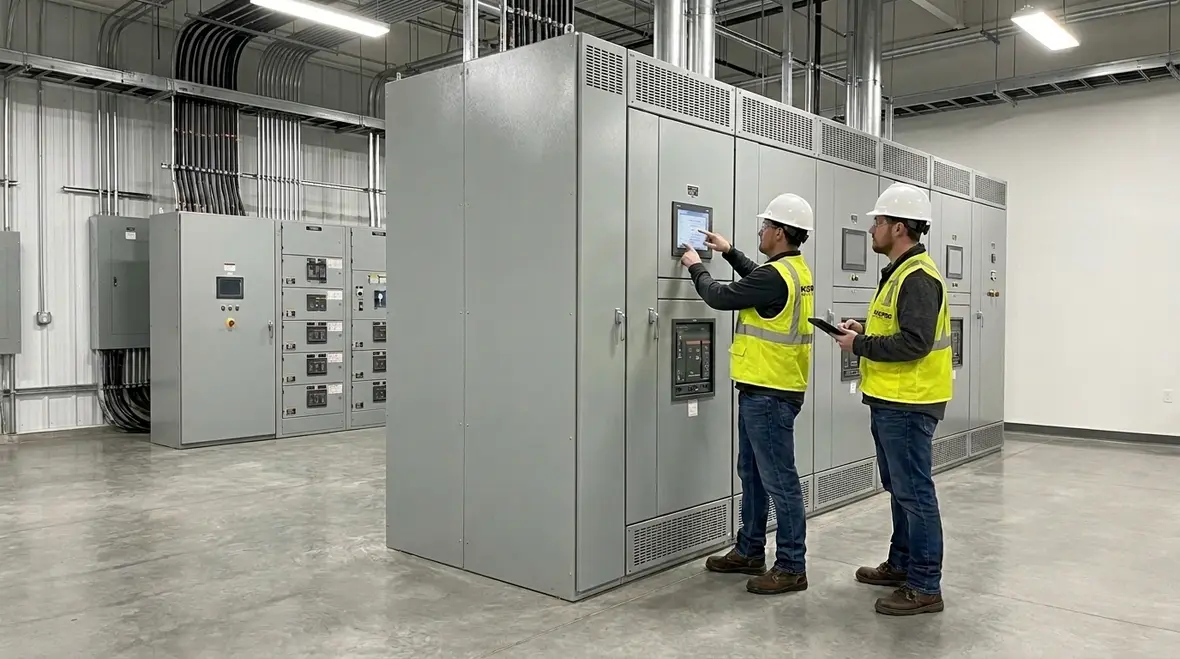
Large commercial and industrial facilities share one hard truth: power availability is a business requirement, not just an electrical detail. The same principles that protect manufacturing also protect major property buildings and other mission critical spaces. If power design ignores load behavior, it can suffer the same symptoms: overheating, nuisance trips, and operational delays.
We also draw on proven guidance from our work on data center electrical infrastructure essentials. While a plant and a data center are not identical, the core logic is similar. Power systems must handle fluctuations, maintain stable voltage, and support critical loads during abnormal events. In practice, that means building a clear path from utility input to distribution layers, then managing how load changes at each stage.
Therefore, whether others call it load management or power availability planning, the goal stays the same. We coordinate capacity, distribution, and control so essential operations stay online and other loads can adapt. And yes, that “adapt” part is where downtime gets defeated before it starts.
Switchgear, controls, and protection: the part people skip until it hurts
Many facilities focus on equipment upgrades and forget the system that makes upgrades work together. Industrial electrical load management depends on controls and protection operating as a unified plan. If controls act too late or too aggressively, production suffers. If protection is misaligned, equipment may trip even when there was no need.
That is why we pay attention to coordination studies, protective device settings, and control interlocks. We review:
Breaker and relay settings for selectivity during overload and fault conditions
Control device response times for demand events and controlled shutdown sequences
Voltage monitoring points and alarm thresholds that match the process
Motor starting behavior, especially for large drives and compressor systems
Redundancy needs for critical distribution pathways
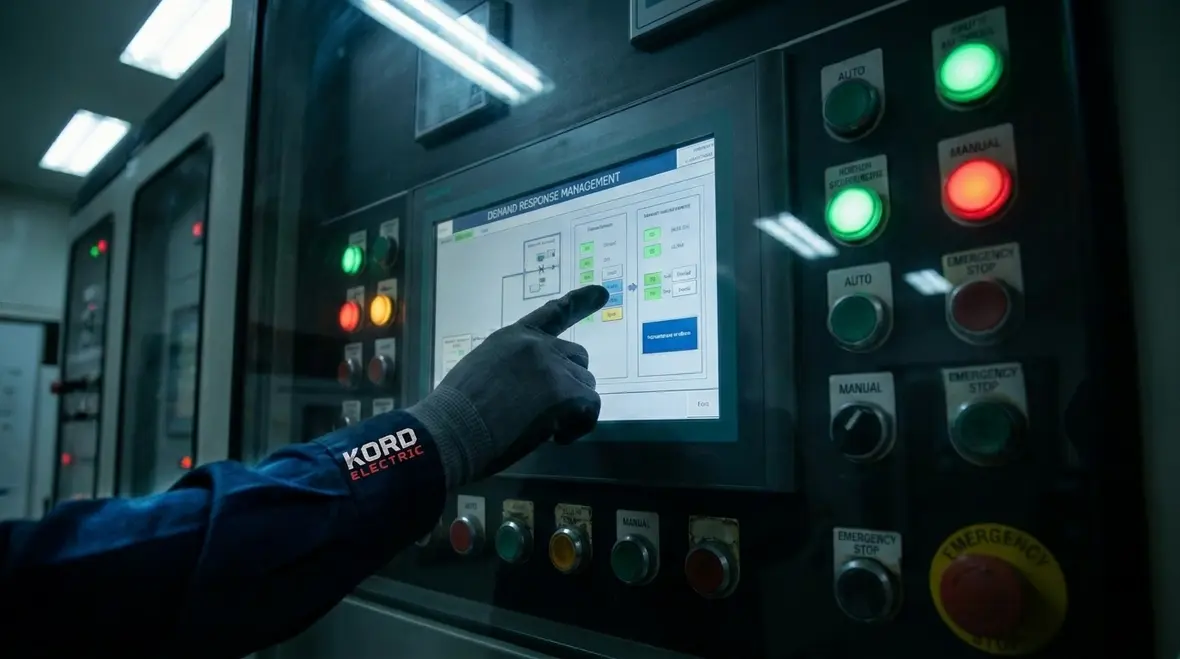
We also ensure that the control system communicates clearly with existing operations. When operators can see the state of load shifting and the reason behind actions, they can respond faster. Meanwhile, our technicians help teams understand indicators and logs without turning the dashboard into a board game with too many rules.
In short, load management works best when it is built on correct protection and smart control, not random timing and hope.
How we design demand response that does not break production
Some plants reject load management because they fear that “load shedding” will shut down the wrong equipment. That fear is reasonable, but it is also fixable. When we design an industrial electrical load management strategy, we control what happens, when it happens, and how the transition feels to the process.
First, we classify loads by criticality and by how fast they can recover. Then we choose actions that match the process, such as:
Sequencing motor starts to reduce simultaneous inrush currents
Scheduling high draw loads to avoid the same time windows
Using automatic transfer or controlled switching for noncritical loads
Adjusting HVAC staging during peak tariff periods without disrupting comfort-critical areas
Optimizing power factor correction so the plant uses capacity more efficiently
After that, we set thresholds tied to actual conditions, not guesswork. For example, we can trigger control actions based on feeder loading, transformer temperature proxies, or measured demand. At the same time, we include recovery rules so the facility returns to full operation smoothly.
Our service team explains the logic step by step so plant managers and maintenance staff understand what the system will do. That matters, because when people understand the plan, they trust the plan. And trust, in electrical systems, is like duct tape. You do not want it to be the only solution, but you really want it when things get messy.
Implementation that fits a real shutdown calendar
Even the best plan fails if it cannot be installed with the least disruption possible. We design implementation around your maintenance windows, production schedules, and site constraints. First, we prioritize changes that reduce risk quickly, then we sequence remaining upgrades so the plant stays stable.
Typical stages include:
Baseline measurement and load profiling across key operating modes
One line and system review to confirm equipment ratings and limitations
Control plan development with critical load definitions
Hardware integration for metering, switching, and signaling where needed
Testing under controlled conditions so behavior matches the plan
Training for operations and maintenance staff on alarms and recovery
Next, we support the facility after go live. We monitor performance, adjust thresholds if operations change, and verify that the system continues to protect uptime as production scales. Because manufacturing does not stay still, load management must stay flexible.
And if you ever wonder whether you can “just do it later,” we get it. But the electrical system does not care about later. Later is where failures tend to show up, wearing the trench coat of surprise.
Maintenance and ongoing tuning for long term uptime
Load management is not a one time project. It is an ongoing practice. Over months and years, equipment gets added, production changes, and maintenance habits evolve. Therefore, the system must adapt without causing new failure modes.
We help others keep performance stable through routine checks that include verifying control logic, reviewing demand trends, and checking metering accuracy. We also check for hidden issues such as:
Loose connections that add heat and raise the risk of faults
Software drift in control setpoints
Unexpected load changes after process upgrades
Power factor correction performance changes over time
Harmonic growth from new variable frequency drives
When our expert service staff explains these findings, they keep the focus where it belongs: on reliability, safety, and uptime. We help teams make changes that reduce stress on equipment, then we document everything so future technicians can pick up the thread without guessing.
FAQ
Final word from Kord Electric
When facilities ignore load behavior, electrical systems pay the bill through overheating, nuisance trips, and unplanned outages. At Kord Electric, we help you plan industrial electrical load management that keeps critical equipment operating while we coordinate peaks with real production needs. Our technicians and expert service staff walk your team through the plan, test the controls, and keep tuning as your operation evolves. If you want fewer emergency calls and more stable shifts, contact us and let’s protect uptime now.
For facilities that are already seeing warning signs like flickering lights, unexpected breaker trips, or unexplained equipment issues, pairing industrial electrical load management with structured preventive care can be a powerful combination. Explore how ongoing service can support your strategy in our overview of commercial and industrial electrical maintenance plans, then align both planning and maintenance around uptime.
If your site is facing urgent reliability issues or you are dealing with active failures tied to overloaded circuits or unstable power, our team can step in quickly. Learn more about our rapid-response support on the emergency electrical services page, and connect that response capability with a long term load management plan so the same problem does not return on your next busy shift.