Commercial Lighting Control System Benefits
Kord Electric helps commercial and industrial facilities stay comfortable, efficient, and dependable by using an advanced commercial lighting control system designed for how buildings actually run. In fact, when we deploy our lighting controls, we do more than dim lights. We give property teams real control over schedules, daylight, and energy use, while also supporting safer operations and cleaner reporting. And because lights are everywhere, even small improvements add up faster than most people expect. Yes, the electric bill still exists, but it won’t feel quite as personal.
Why automated lighting controls matter for commercial buildings
Modern buildings work in shifts, zones, and changing weather. So, lights should behave the same way. Automated lighting controls help buildings avoid the old habit of “leave it on until someone complains.” Instead, systems sense occupancy, use daylight, and follow schedules based on how the space is used. As a result, the building wastes less energy and staff spend less time correcting lighting issues after the fact.
In addition, these controls support consistency. One tenant should not receive a different lighting experience than another simply because of how long the last person left a switch in the wrong position. When we set up controls correctly, we create stable lighting levels and reduce glare, which supports productivity and helps visitors feel that the building is cared for.
Finally, automated controls support long term planning. Facilities managers can review usage trends and adjust strategies without guessing. We often hear that this is the part that makes leadership finally say, “Okay, this is real value.”
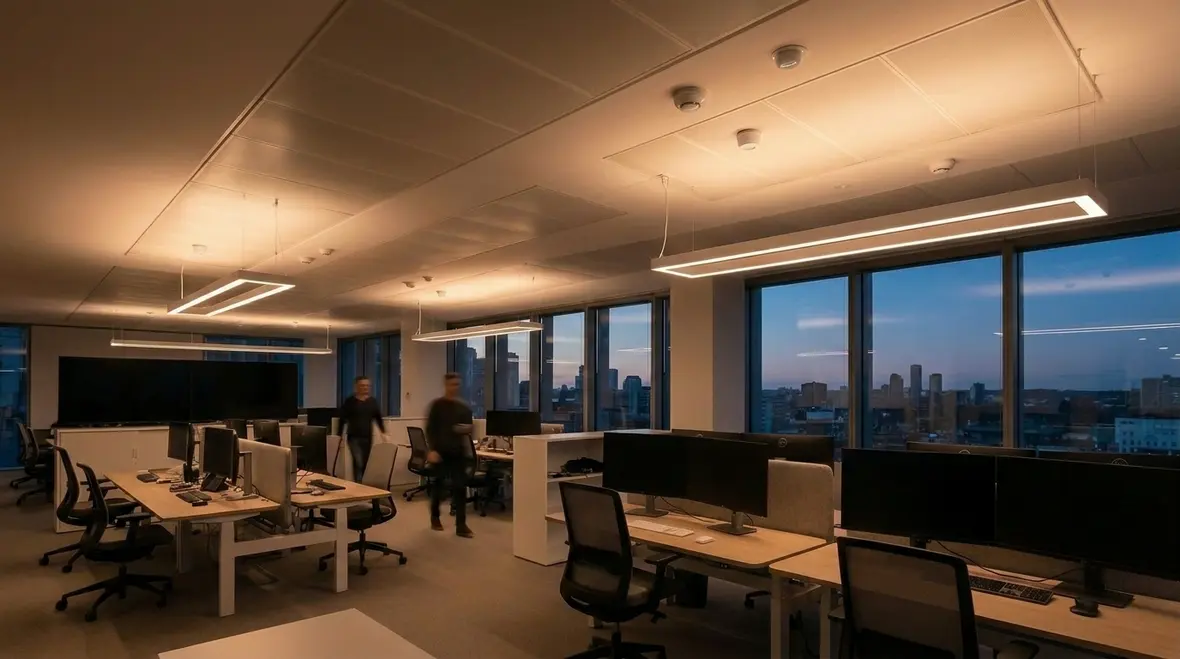
As codes evolve and efficiency expectations rise, automated lighting also becomes a quiet ally in staying ahead of California commercial lighting requirements instead of scrambling to catch up during the next inspection. When controls and documentation are aligned from the beginning, compliance conversations start from a position of confidence rather than uncertainty.
How Kord Electric technicians keep systems dependable
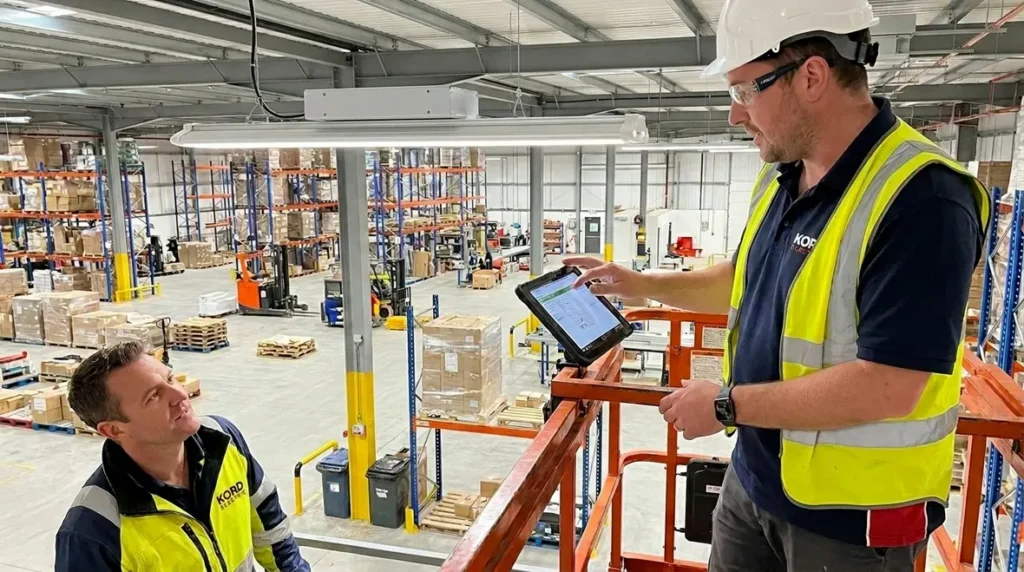
Even the best lighting control system benefits can fade if maintenance gets treated like a “someday” task. That is why we focus on disciplined service and clear documentation. Our expert service staff does not just install and leave. We build a maintenance approach that helps commercial and industrial customers reduce surprises and keep performance steady.
To support that effort, we align our field practices with preventive maintenance principles covered in our service resources, including our electrical preventive maintenance guidance. Basically, we look at what can drift over time, what can wear out, and what can fail without warning. Then we act before the failure becomes an emergency call.
For example, controls depend on sensors, wiring integrity, and device communication. If a sensor gets dirty or misaligned, lights can stay on too long or fail to respond. Likewise, if connections degrade, schedules may not run as expected. So our technicians inspect, test, and verify functions so the building behaves the way it was designed to.
And if anyone tells you that lighting is “just lighting,” we kindly remind them that lights are part of a living system. The building notices when it is wrong.
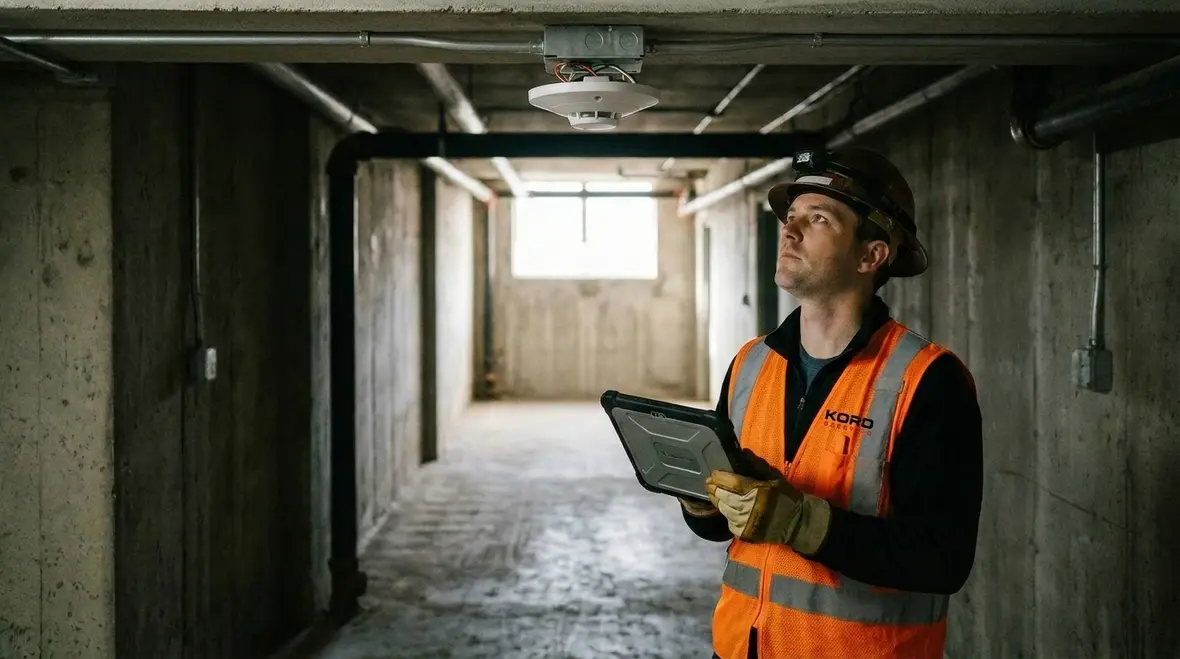
For larger campuses and industrial environments, we also coordinate lighting control maintenance with broader electrical maintenance plans so panel work, preventive inspections, and system updates all move in the same direction. When lighting data and electrical health live in the same story, decisions become faster and far less chaotic.
What benefits buildings see right away with controls
When automated lighting controls roll out, facilities often notice changes quickly. First, the building responds more accurately to real use. Lights turn on when people enter and they dim or turn off when spaces are empty. That reduces wasted runtime in offices, corridors, restrooms, break rooms, and warehouse areas.
Second, day light harvesting improves comfort. As the sun changes, lights adjust to hold target levels. This helps prevent the “too bright, then too dark” cycle that makes people glare at screens like they are in an office rivalry match.
Third, controls improve operational flow. Instead of manually switching circuits for meetings, cleaning, or inspections, teams can use schedules or simple override options. Then after the event, the system returns to normal without needing someone to remember the final step.
Most importantly, these commercial lighting control system benefits connect to measurable outcomes. Less energy waste often shows up on utility bills. More consistent lighting can also support compliance needs tied to illumination and safer walking conditions.
In multi-tenant and multi-building portfolios, the gains compound. When every floor and every wing follows smart logic instead of light switches that depend on human memory, operations leaders start to see a pattern: fewer complaints, fewer “who left this on?” conversations, and more confidence that lighting is finally pulling its weight as part of the efficiency plan.
Energy savings and smarter schedules without guesswork
Energy waste usually comes from one of two places: lights run when no one needs them, or lighting levels stay higher than they have to. Automated controls tackle both. Occupancy sensing shuts off or dims lights in unused spaces. Meanwhile, scheduling handles predictable usage, like shift patterns in manufacturing and regular hours in office areas.
However, good scheduling requires more than picking “9 to 5.” Buildings change. Weather shifts. Teams move. Projects start and stop. So, we help teams choose control strategies that match reality, not just a generic calendar.
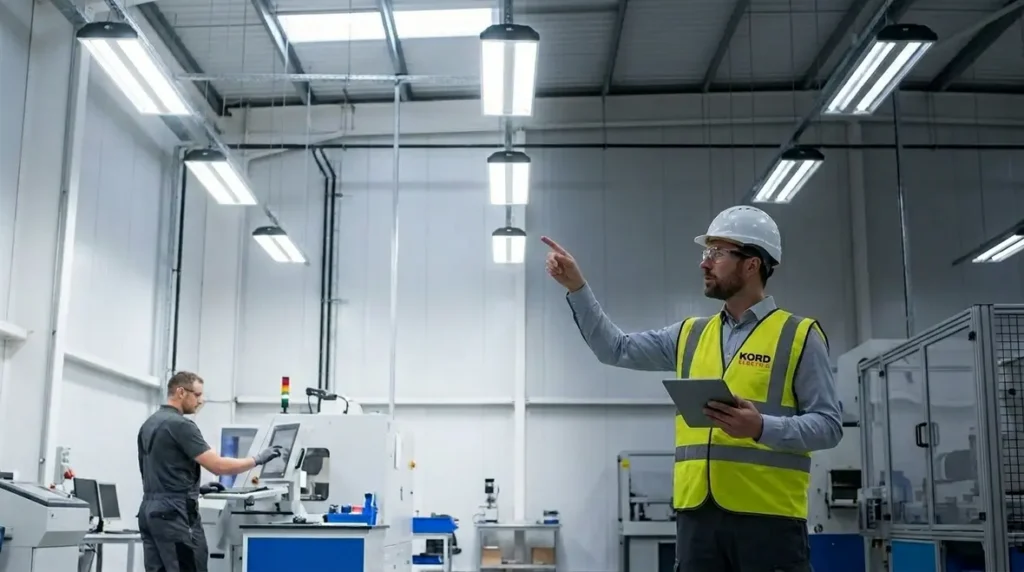
For large commercial and industrial properties, zone based control becomes critical. A single schedule for the whole building rarely fits. When we configure lighting controls by area, we reduce the chance that a loading dock, a corridor, and a conference suite get treated like they all belong to the same universe.
Then, as teams learn how the property runs, we refine settings. In this phase, our expert service staff can review performance and adjust logic. That is how savings become stable instead of temporary.

Over time, the same scheduling logic that reduces wasted runtime also gives facilities a sharper picture of how their building behaves. Schedules, overrides, and occupancy data all tell a story about actual use. That story then feeds into broader energy strategies, from electrical preventive maintenance programs to future lighting upgrades and retrofit planning.
Safety, compliance, and facility operations that run smoother
Automated lighting controls also support operations that go beyond energy. Better control can improve safety by ensuring adequate light levels in travel paths and work zones. In commercial and industrial settings, that matters for both everyday navigation and time sensitive tasks.
Also, well planned controls support consistent lighting for areas that need reliable visibility, such as stairways, corridors, entrances, and warehouse pathways. When the system dims incorrectly or fails to respond, it can create shadows where people do not expect them. By contrast, properly tested sensors and verified control sequences help maintain a more dependable environment.
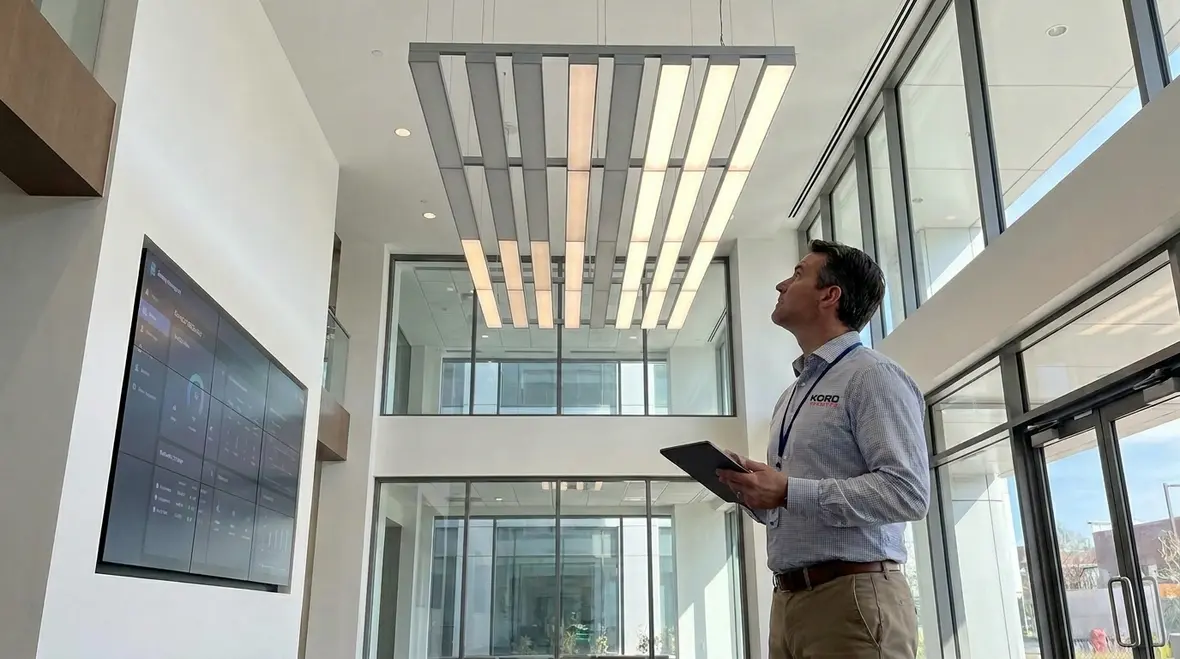
Additionally, controls support reporting and accountability. Many property teams want to show stakeholders that energy reduction efforts are not guesses. Instead, they rely on a system that tracks behavior and performance. When we service and maintain these systems, we protect that visibility so the reporting stays accurate over time.
And yes, the building can still be chaotic. But the lights should not be. The goal is simple: keep conditions predictable while the rest of the operation does its daily juggling.
For facilities operating under strict California commercial lighting codes and safety standards, that predictability is more than a comfort feature. It is part of maintaining compliance, reducing liability, and giving auditors and inspectors clear evidence that lighting is being managed intentionally, not accidentally.
Design choices that prevent wasted work and failed coverage
Automation succeeds when the design matches the building. So we start with how spaces work. For example, a warehouse may need different sensor placement and switching logic than an office floor. Likewise, retail style traffic flow differs from a maintenance workshop. When controls do not match usage, you get frustration instead of savings.
We also plan around mounting heights, surface reflectance, and sensor line of sight. If a sensor faces a door that opens often, the system may misread occupancy patterns. If daylight sensors sit where sunlight hits at an angle, they can cause unstable dimming. These are fixable issues, but only if the design and commissioning are done carefully.
Commissioning matters because it confirms the system behaves as intended before the building depends on it. Then we can tune occupancy settings and verify zones so the automated lighting control system benefits do not get offset by poor coverage.
Once the building runs, we monitor performance and handle changes. Tenants move. Equipment gets added. We adjust strategies rather than letting the system drift into “works sometimes” territory.

In many cases, our team pairs new lighting control designs with broader lighting installation services. That way, fixtures, controls, and wiring are all treated as one coordinated system rather than separate projects. The result is fewer callbacks, cleaner documentation, and coverage that works the way the drawings promised.
Installation, maintenance, and lifecycle planning for pro buildings
Some people treat controls like a one time project. We do not. We treat them like infrastructure. Because the system touches many circuits, sensors, and control points, it needs lifecycle care.
That includes scheduled preventive maintenance. Our expert service staff can inspect components, test response times, review sensor health, and confirm control sequences. When we do this consistently, we reduce unplanned outages and keep the building’s lighting behavior stable.
Also, maintenance protects the benefits that teams care about most. Energy savings rely on accurate dimming and reliable shutoff. Comfort relies on consistent target light levels. Operational smoothness relies on correct scheduling and zone logic. Preventive work protects each one.
In short, we help property leaders avoid the scenario where everything seems fine until it is not. Then everyone scrambles, the calendar gets rude, and someone starts searching for the manual like it is hidden treasure.
For organizations that want this level of stability across their electrical systems, pairing lighting controls with a structured electrical preventive maintenance program keeps panels, feeders, and controls on the same long term plan. Instead of reactive fixes, you get a strategy that treats lighting as a critical part of the facility’s backbone.
FAQ
Ready to make your lighting run like a modern building?
Kord Electric works with commercial and industrial facilities to design, install, and maintain automated lighting controls that support real schedules, reliable comfort, and measurable energy reduction. Our expert service staff helps protect performance with preventive maintenance practices so the system keeps working the way you expect. If you want fewer lighting issues, smoother operations, and cleaner reporting, contact us for an on site review and a plan tailored to your property. Let’s get those lights behaving like they have sense.
If your facility is also considering broader upgrades, our dedicated lighting installation services can pair fixture upgrades with control strategies so you capture both efficiency and long term reliability in one coordinated project.