NFPA 70A vs NEC for Commercial Electrical Compliance
NFPA 70A vs NEC can sound like the kind of rivalry only electricians argue about over coffee. In the simplest terms, NFPA 70A and the NEC both help guide electrical safety, but they come from different places and get used in different ways. And yes, code language can feel like it was written by a committee that ate nothing but acronyms for breakfast.
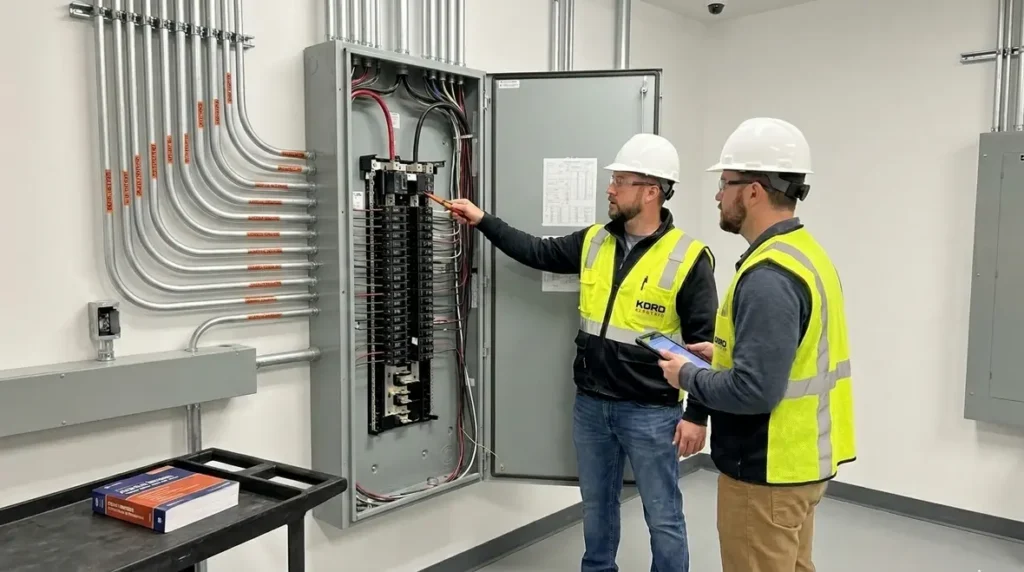
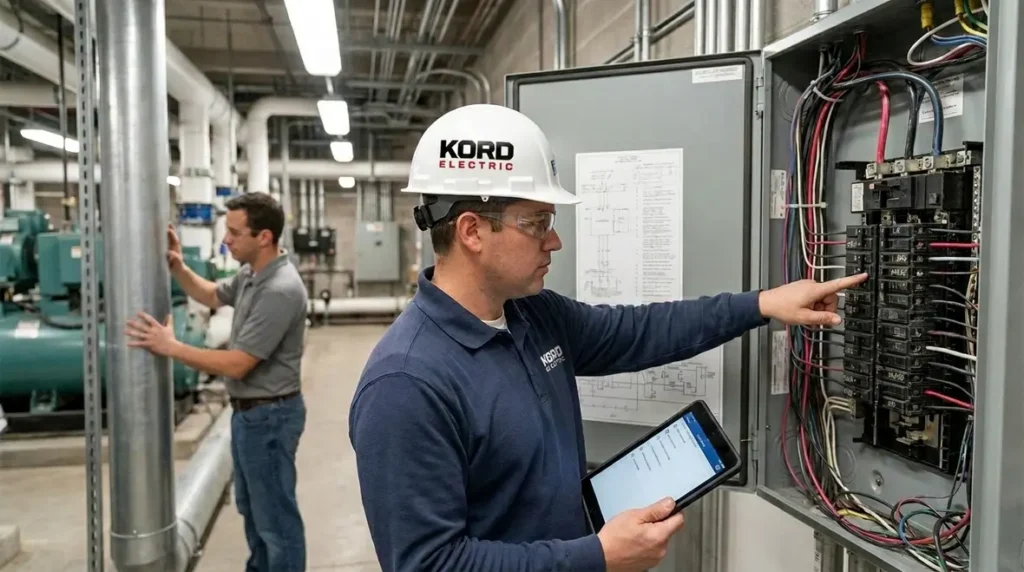
At Kord Electric, we support commercial and industrial facilities, as well as major property buildings, where compliance and dependable electrical systems matter every day. Our team, including field technicians and expert service staff, explains what the rules mean in real-world terms, not just in textbook terms. That is how we help others avoid costly confusion and keep projects moving.
What electrical code references actually do
When a facility team references an electrical code, they are not just collecting paperwork. They are trying to reduce the odds of shock, fire, and failures that can shut down operations. Codes also help inspectors evaluate plans and installations in a consistent way, so we can build and verify systems that stay safe as loads change.
However, codes and standards also evolve. Therefore, facility managers and electrical contractors must confirm which document governs a specific scope of work. A design that follows one reference may still fall short if the authority having jurisdiction expects another rule set. In other words, you cannot treat any code like a “close enough” suggestion.
Our technicians at Kord Electric often tell people: if you think codes are only for new builds, you have not been to enough site walks. Retrofits, expansions, panel upgrades, and new power distribution routinely bring code questions back onto the table.
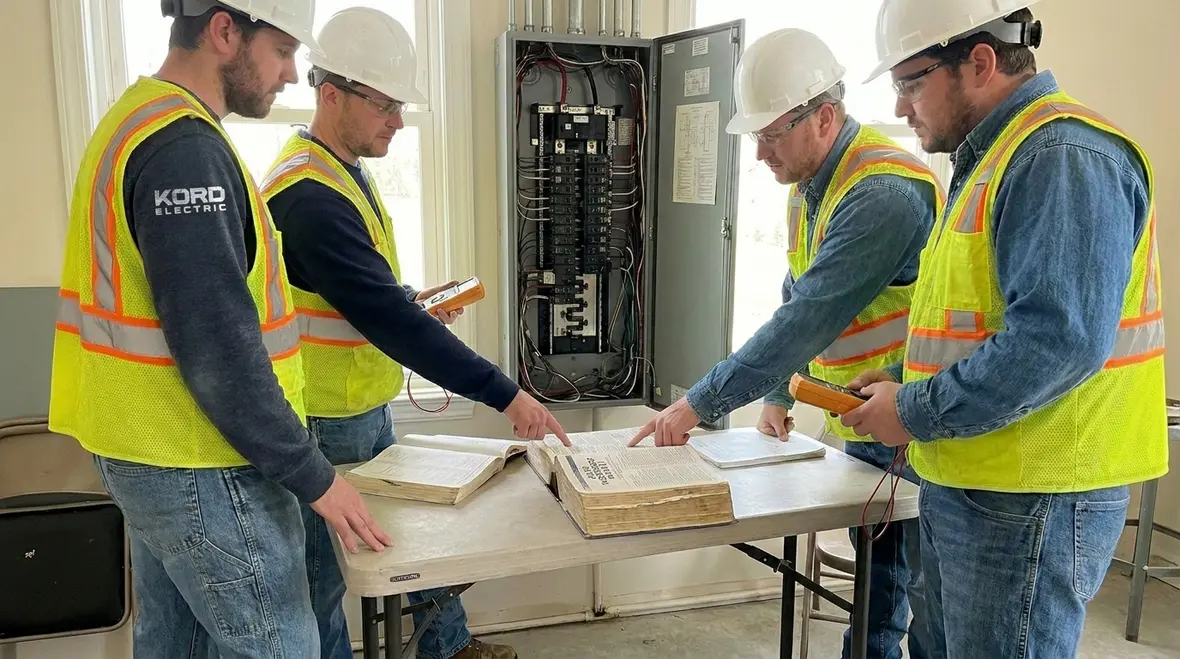
For facility teams that want a deeper foundation on how the National Electrical Code shapes everyday decisions, Kord Electric’s article on the 2026 edition of NFPA 70 explains how this core standard impacts commercial installations and inspections in practical terms.
NFPA 70A vs NEC: where the differences show up
People often ask NFPA 70A vs NEC as if it is a simple “which one is better” comparison. We explain it differently. Both references influence how electrical systems get installed and evaluated, but they are built for different contexts. In practice, differences show up in scope, how requirements get presented, and how the rules get adopted and enforced.
Here is what typically matters for facility teams. First, an authority may adopt the NEC for wiring methods and installation rules. Second, another reference may appear in discussions around safety practices, hazard prevention, and specific installation considerations. Then, when you add enforcement style, inspection checklists, and project specifications, the “right” answer becomes the one that the local jurisdiction expects.
To keep things clear, our service staff helps others map the requirements to the project. We do not just say “follow the code.” Instead, we identify which portions of the project need which standard, and we translate that into a scope that crews can execute.
How jurisdictions decide what gets enforced
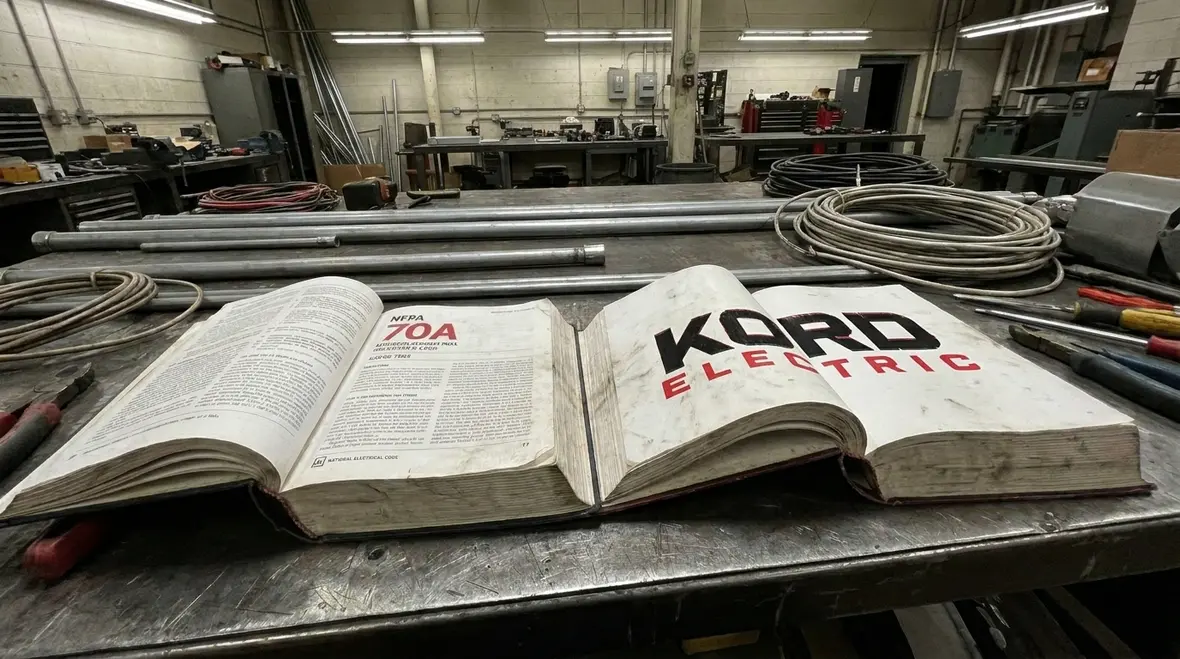
Even when an electrical contractor knows the technical rules, the job does not end there. Jurisdictions decide what gets enforced through local adoption, amendments, and inspection practices. As a result, two facilities in different cities can face different expectations, even when both are commercial buildings.
For major property buildings, this becomes even more important. Leases change, tenants add loads, and operating schedules rarely pause for long. Therefore, we help teams plan upgrades that align with both engineering intent and the inspector’s expectations.
Our approach is practical. We review the project requirements with our expert service staff, confirm what documents get cited, and then outline what must be verified during installation. This reduces surprises at rough-in and helps avoid rework. And yes, rework is like extra overtime that no one asked for.
Hidden expectations can be just as risky as hidden wiring issues. That is why many commercial property teams pair code planning with structured inspection and maintenance programs. Articles like Kord Electric’s guide to hidden electrical risks in commercial buildings help facility leaders recognize where invisible problems often start and how proper planning keeps inspections and operations on track.
Where confusion becomes risk on commercial sites
Electrical code confusion turns into risk when teams assume all references mean the same thing. When the installation does not match the enforcement path, electrical systems may pass one review but fail another stage. That problem becomes expensive when it happens after walls close up.
Common trouble spots for commercial and industrial facilities include grounding and bonding expectations, conductor and cable protection details, equipment installation requirements, and how circuits get organized for safety. Additionally, facilities often expand power systems over time. When older systems get tied into newer work, the compatibility questions start. We see this in distribution upgrades, generator tie-ins, and load center renovations.
At Kord Electric, we handle this with clear coordination. Our technicians communicate installation details in plain language for facility stakeholders and project managers. In other words, we help others understand what will get checked and why. That way, compliance becomes a process, not a panic event.

Translation from code text to real installation practices
Codes can read like a map written in a different language. We translate. For example, a requirement that specifies how equipment must be installed or protected often impacts supports, labeling, access, and clearances. Likewise, rules for wiring methods affect conduit routing, bending radius, fittings, and where cables can run.
In the field, we also look at how the facility operates. A hospital wing needs different continuity and safety planning than a warehouse bay. A data room within a major property building needs careful coordination with cooling, cabinet layouts, and power distribution. Even though all facilities share safety goals, the path to achieve them differs.
To keep work moving, our expert service staff documents installation choices and ties them to the cited requirements. Then, during verification, we check the details that matter: proper terminations, correct protection, and clean routing. If you like fewer surprises, you will like our method.
In practice, this looks like aligning designs and field decisions with clear, documented standards. Whether the work involves a data room, distribution backbone, or a full data center build, resources such as Kord Electric’s data center electrical infrastructure essentials guide show how real-world design, code expectations, and maintainability come together.
Practical compliance workflow for Kord Electric clients
Commercial and industrial electrical projects run on timelines. Therefore, we use a compliance workflow that supports speed without cutting corners. It starts with early scoping and continues through verification.
Step 1: Confirm the governing requirements. We ask what the jurisdiction expects and what references get cited in the project documents.
Step 2: Align design and installation details. Our technicians coordinate with engineering intent, so wiring methods, equipment placement, and labeling support safe operation.
Step 3: Build a verification plan. We define what gets checked before close-in and what gets tested after installation, including any coordination needs for commissioning.
Step 4: Communicate findings clearly. We explain what meets requirements, what needs adjustment, and what decisions affect safety and inspection outcomes.
And because people like certainty, we keep those explanations consistent. Our goal is for others to feel informed, not just informed later.
Many facilities link this workflow with ongoing preventive electrical maintenance. By following structured commercial and industrial electrical maintenance plans over time, facility teams keep documentation current, reduce surprise findings during inspections, and tie everyday work back to the same code and safety expectations that governed the original project.
NFPA 70A vs NEC affects how electricians plan upgrades over time
Facilities rarely finish with one electrical project and then coast for a decade. Loads grow, tenant spaces reconfigure, and operations add new systems. Therefore, upgrade planning must consider how older infrastructure interacts with new installation rules.
When an existing system connects to new work, the practical question becomes: what expectations apply to the new portion, and how do we protect the overall system? This is where code references can appear in planning conversations again. Facility teams want to avoid a situation where a new panel or circuit install meets expectations while the interconnection method creates compliance gaps.
Our service team helps others plan in phases when needed. We can coordinate distribution changes, manage shutdown windows, and verify transitions so upgrades do not create downtime or safety risks. If the building has to keep running, we design the work like it matters. Because it does.
In many commercial kitchens, data rooms, and production areas, for example, electrical upgrades support new equipment and layouts while still relying on existing infrastructure. Guides on commercial kitchen electrical upgrades and wiring show how careful planning keeps those projects compliant, safe, and aligned with both NFPA references and local NEC adoption.
Common questions facility managers ask
Do we need both NFPA 70A vs NEC for a project?
Often, you follow what the jurisdiction and project documents require. We help you identify which reference applies to which parts of the scope, so crews build the right way the first time.
What triggers inspections for commercial electrical work?
Inspections typically occur at key phases such as rough-in, equipment set, and final verification. We plan install sequencing to support those checkpoints without delays.
How do we avoid rework caused by code mismatches?
We align installation details early, confirm governing requirements, and use a verification plan before close-in. Then, our technicians document the work so inspections go smoother.
Can older systems be upgraded safely?
Yes, when we evaluate the existing setup and design transitions properly. We coordinate grounding, protection, and interconnection so the new work integrates safely with what is already in place.
FAQ for featured snippets
Conclusion: let us align your electrical compliance with reality
In the end, understanding NFPA 70A vs NEC is not about collecting code trivia. It is about building safe, verifiable electrical systems that match what your jurisdiction enforces. At Kord Electric, we support commercial and industrial facilities with technicians and expert service staff who translate requirements into practical installation steps. If you are planning an upgrade, expansion, or major property electrical renovation, contact us now so we can map the requirements early and keep your project on schedule. We handle the details, you keep the lights on.
If your facility needs structured support beyond a single project, Kord Electric’s dedicated electrical preventive maintenance and voltage fluctuation services for commercial and industrial buildings provide an additional safety net. These service programs keep systems stable, code-aligned, and ready for the next round of inspections, tenant changes, or capital projects.
For facility managers who want a bigger-picture view of how compliance, reliability, and long-term planning fit together across major properties, Kord Electric’s commercial electrical systems for modern buildings guide offers a helpful companion perspective.
When you are ready to move from code questions to clear answers and a practical plan, Kord Electric’s commercial and industrial electrical maintenance and repair services bring that clarity to your facility’s everyday operations.