Emergency Power for Business Continuity Design
Kord Electric designs Emergency Power for Business Continuity for commercial and industrial facilities and major property buildings, because downtime does not politely ask permission before it ruins your day. When power fails, your data center, production floor, and life safety systems should keep working like they planned it all along. In this guide, we explain how our team builds emergency power systems that protect operations, people, and critical equipment. And yes, our technicians will walk you through the process in plain language, not in the “trust me, bro” tone some vendors use.
Build the right backup plan before the first outage
Emergency power does not start with a generator. It starts with a plan. First, we help facility owners and operators define what must stay alive during a utility interruption. That list typically includes IT loads, refrigeration for sensitive processes, control systems, communications, and portions of lighting and life safety. Then we sort those loads by priority, because not everything needs to run at full power all the time. After that, we confirm run time requirements, like whether you need minutes for a transfer and restart, or hours for extended restoration.
At Kord Electric, our expert service staff explains these steps in a calm, methodical way. We do not throw equipment at the problem and call it a solution. Instead, we map your business continuity needs to engineering choices such as load shedding, transfer strategy, and fuel supply. If this sounds boring, consider it the part where you avoid the real comedy: watching essential equipment go dark while someone looks for the “mystery breaker.”
Emergency Power for Business Continuity: assess loads with an electrician’s honesty

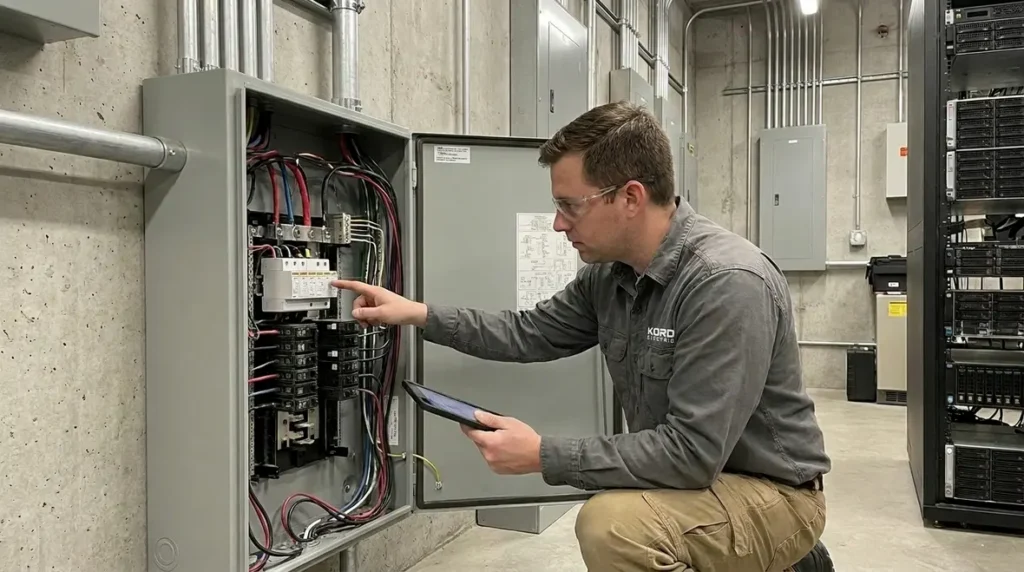
To design effectively, we quantify power requirements. We start by reviewing your single line diagrams, panel schedules, and operating profiles. Next, we measure or estimate motor loads, inrush current, and any nonlinear loads that can stress the system. Then we evaluate startup sequencing, because motors do not always behave like polite guests at a meeting. They can surge, and surges matter.
For commercial and industrial facilities, we also consider operational realities. For example, a manufacturing site may need selective processes to continue while other lines shut down. A major property building may need coordinated performance for elevators, pumps, and emergency lighting. Therefore, we often design a system that supports critical loads without exceeding generator capacity. That approach keeps your Emergency Power for Business Continuity aligned with real demand, not best case fantasies.
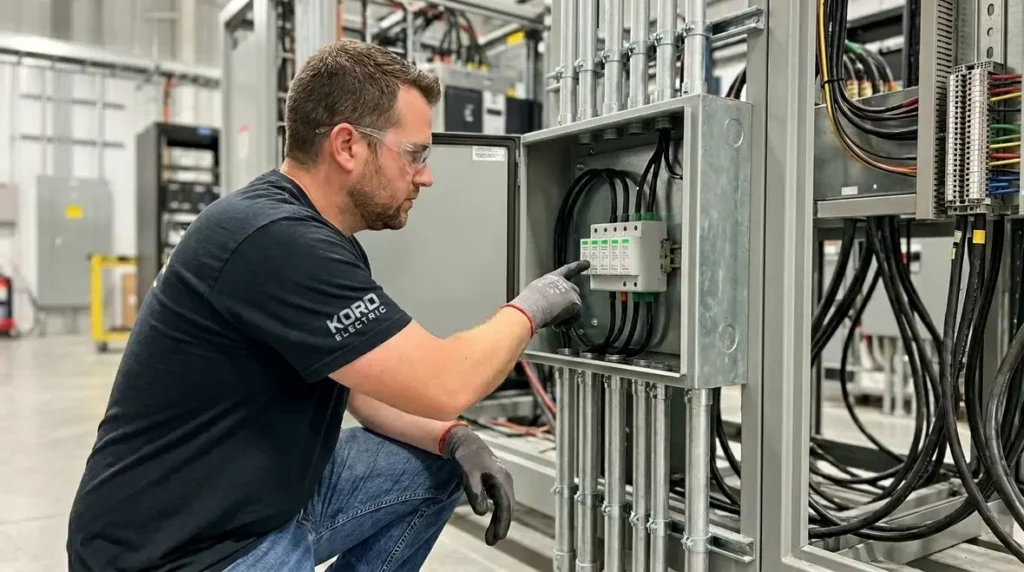
Our technicians also check whether your existing electrical infrastructure can support the plan. If feeders, switchgear, or distribution components are not up to the task, the emergency system can fail even with the best equipment. We treat those items like the plot points they are, because a story with missing chapters ends badly.
Transfer schemes and switchgear that avoid chaos
The transition from utility to backup power must be smooth, fast, and safe. We design transfer schemes that match the type and sensitivity of loads. Some loads can tolerate brief interruption. Others cannot. Consequently, we use the right level of transfer equipment and coordination to handle those differences.
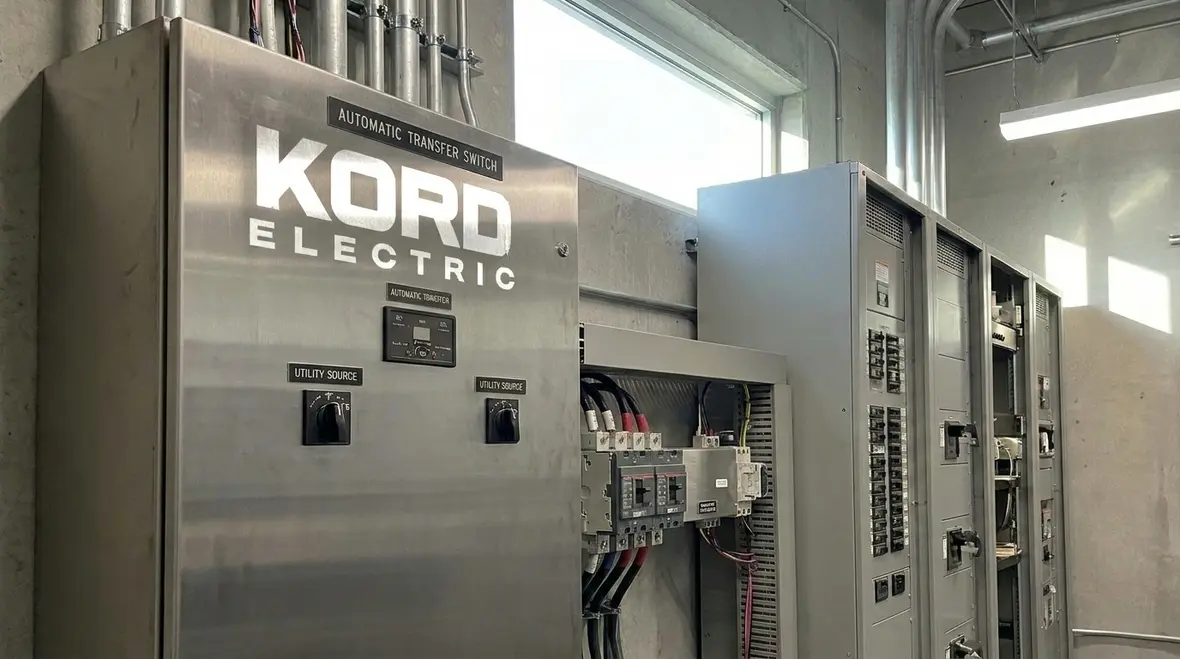
Where appropriate, we plan for automatic transfer switches and coordinated switchgear settings. We also address selective coordination, so faults clear without shutting down the whole building. After that, we validate timing and logic, including generator start signals and transfer permissives. Then we confirm that the system meets life safety and electrical safety expectations.
In practice, our expert service staff explains the logic behind the equipment. They do not just point at a diagram and hope you get it. They show how the system behaves during normal, abnormal, and restoration conditions. And if someone asks, “So what happens if the generator fails to start,” we answer directly, because that question shows you plan ahead. That is a rare superpower in facilities management.
From generators to UPS: choose the right mix for C and I operations
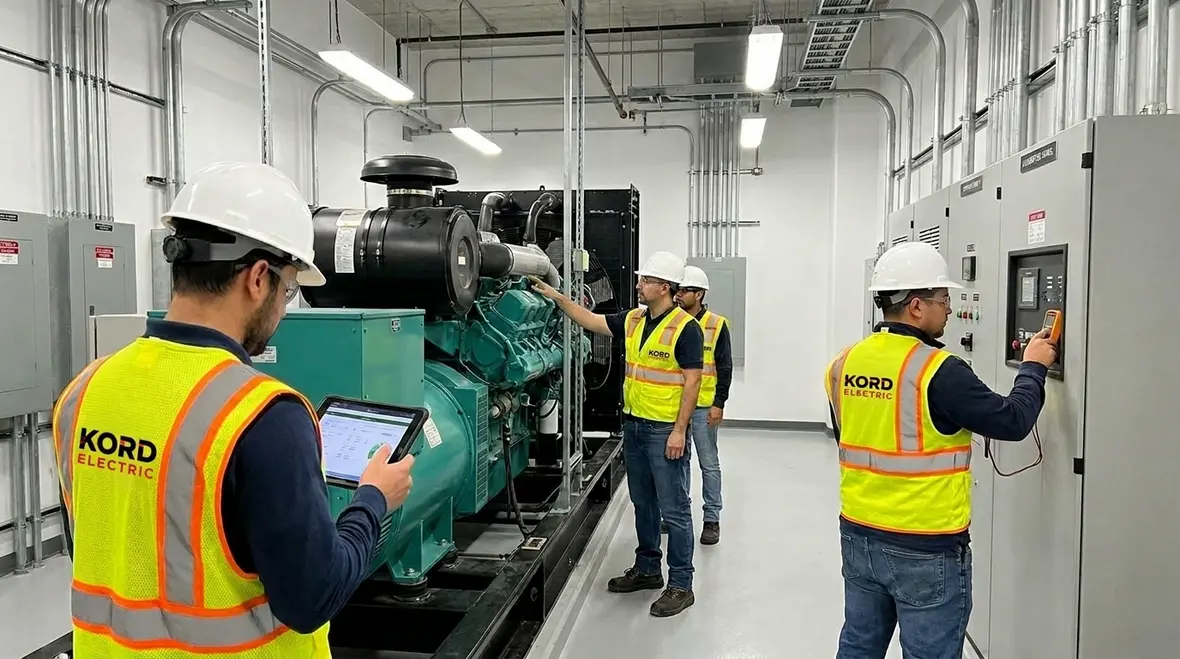
Emergency power systems often use more than one technology. We help owners decide what belongs on standby generators, what belongs on UPS, and what can be supported by alternate strategies. For example, UPS can protect control circuits, servers, and communications from even a short transfer time. Standby generators can cover larger loads for longer duration. In some setups, we also incorporate fuel tanks and monitoring systems for visibility and reliability.
Because commercial and industrial facilities vary widely, we consider your risk profile and operating criticality. A data heavy environment needs stable power quality for IT loads. A process driven facility needs robust handling for motors and controls. A property building needs life safety power, critical mechanical systems, and dependable service for tenants. In every case, we align the design to the loads, the environment, and the uptime goals.
When our technicians explain these choices, they use real terms: run time, starting kVA, transfer time, and maintenance impacts. That clarity helps others in the organization make confident decisions. We do not hide behind jargon, and we do not sell “magic.” We build systems that work when the grid does not.

Fuel, runtime, and monitoring that keep emergencies from dragging on
Designing for Emergency Power for Business Continuity requires more than installing equipment. You must ensure the system can last long enough for utility restoration. Fuel supply planning depends on generator sizing, expected load, ambient conditions, and your facility’s restoration expectations. Therefore, we help clients plan fuel storage capacity, delivery strategy, and compliance needs.
We also focus on monitoring and controls. A modern emergency system should tell you what is happening before it becomes a crisis. That includes generator status, alarms, transfer position, battery health, and runtime metrics. When monitoring is designed properly, operations teams can respond quickly, dispatch service early, and prevent avoidable failures.
If you have ever watched an alarm panel light up like a holiday display, you know the value of readable, actionable alerts. Our approach aims to reduce alarm noise and improve clarity. Our expert service staff then walks stakeholders through how to interpret key signals during test events and real events.
Design standards, coordination, and test plans that actually match reality
A well designed emergency power system follows electrical standards and coordinates with existing gear. Yet standards only matter if the system performs as designed. For that reason, we build test plans into the overall process. We also coordinate maintenance requirements so testing does not disrupt operations and downtime is planned instead of feared.
We pay attention to system coordination with building electrical infrastructure. That includes switchgear settings, protective device coordination, and how the system interacts with normal power distribution. Then we review how loads transfer back to utility power and how restoration occurs. In many facilities, restoration steps require a deliberate sequence so loads start safely and equipment does not see unstable conditions.
We also refer to our own technical guidance from the Kord Electric blog on data center electrical infrastructure essentials, because similar principles apply: reliability depends on proper design, monitoring, and disciplined electrical practices. In data centers, the details matter, and the same mindset protects commercial and industrial environments where continuity is non negotiable.
Practical installation and commissioning for major property buildings
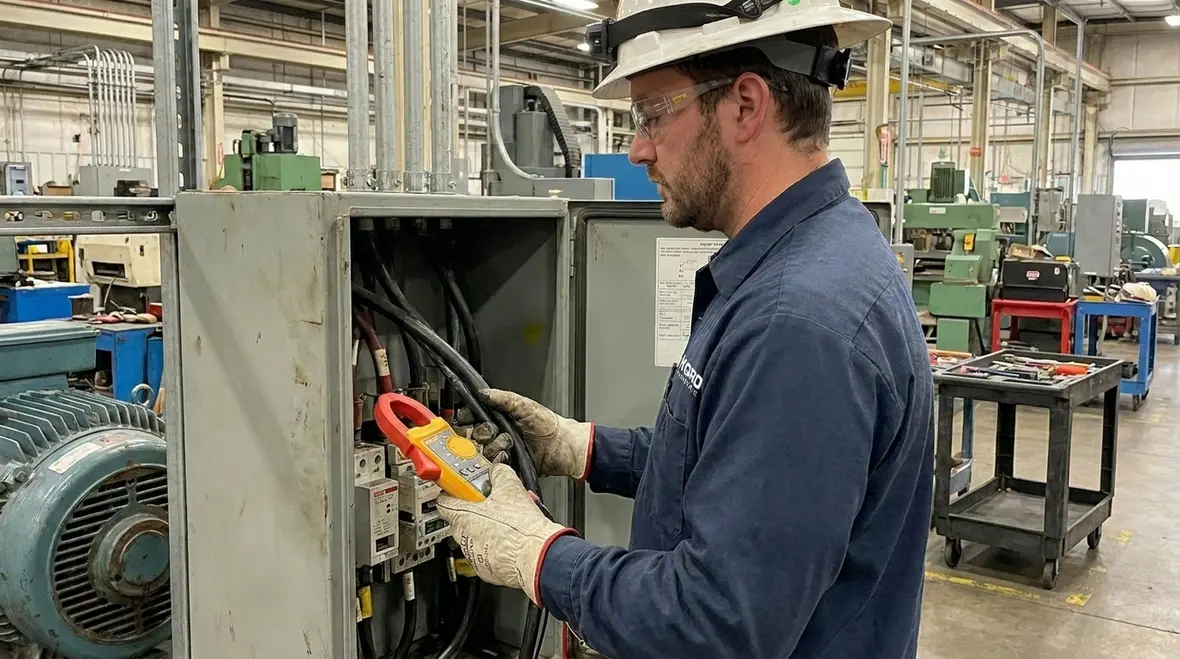
Commissioning turns a design into a working system. During installation, we coordinate with facility teams to manage schedule constraints and access needs. Then we verify wiring, control logic, and interlocks. After that, we test transfer operation, load behavior, and generator performance. We also confirm that safety systems, life safety loads, and required controls perform as intended.
For major property buildings, we plan around occupied spaces and tenant operations. Therefore, our technicians and expert service staff coordinate with building management on timelines, access windows, and communication so service disruption stays minimal. We also explain what to expect during commissioning and how the facility should document results.
Then comes the part people often skip: ongoing training and maintenance routines. We help teams understand recommended inspection intervals, battery and charger checks, and how to prepare for scheduled generator tests. That training reduces the chances that someone will treat an emergency power system like a mystery box until it is too late. And in the event of an outage, we want your system to behave like a dependable crew, not like a sitcom with last minute surprises.
FAQ
Final call: let Kord Electric engineer your emergency readiness
When power fails, the winners are the businesses that planned calmly before the lights went out. Kord Electric helps commercial and industrial facilities and major property buildings design Emergency Power for Business Continuity systems that match real loads, real run times, and real operational needs. Our technicians and expert service staff explain the plan clearly, then build and commission it with care. If you want fewer surprises and more uptime, contact Kord Electric today for a site assessment and a continuity focused design approach.
If your facility is ready to turn Emergency Power for Business Continuity from a wish list item into a working, documented system, pair your project with structured electrical preventive maintenance services. That combination of planned design, disciplined testing, and scheduled inspections keeps emergency systems aligned with real world operations instead of getting left behind as the building evolves.
For sites where the risk of unexpected outages, voltage issues, or equipment trips is already on everyone’s radar, Kord Electric’s dedicated Emergency Electrical Services team stands ready to respond. But the real goal is to make those calls less frequent by engineering stability into your power system and giving your organization the Emergency Power for Business Continuity backbone it deserves.