
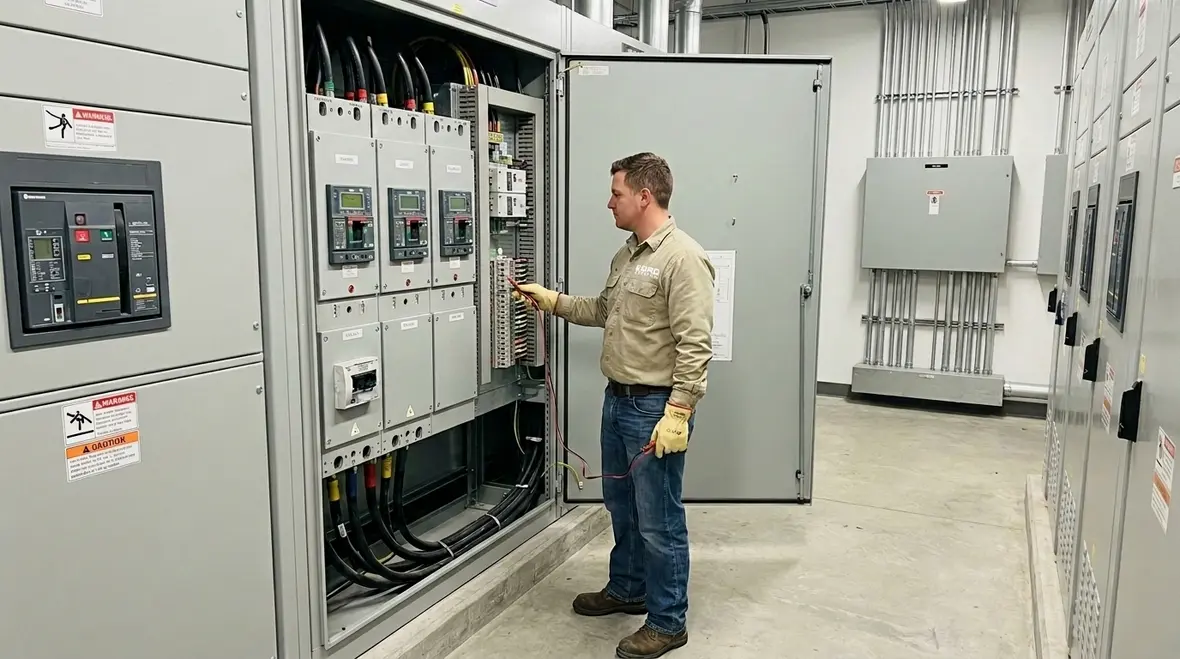
Industrial Power Distribution Best Practices for Uptime
Industrial Power Distribution Best Practices That Keep Plants Running
At Kord Electric, we start with Industrial Power Distribution Best Practices because uptime is never an accident. We design and maintain power paths so faults get contained, critical loads stay steady, and equipment does not get surprised at the worst possible time. That means clear load planning, correct protection settings, clean maintenance records, and field checks that match what the drawings claim. In the real world, breakers do not read plans, they read reality. And reality has a sense of humor.
When our technicians apply these practices, facilities see fewer nuisance trips, fewer hot spots, and less time spent chasing repeat alarms. So, instead of reacting like it is a fire drill, the facility operates like a well rehearsed production. Next, we walk through the steps that optimize industrial power distribution for maximum facility uptime.
Why Facility Uptime Depends on How Power Moves
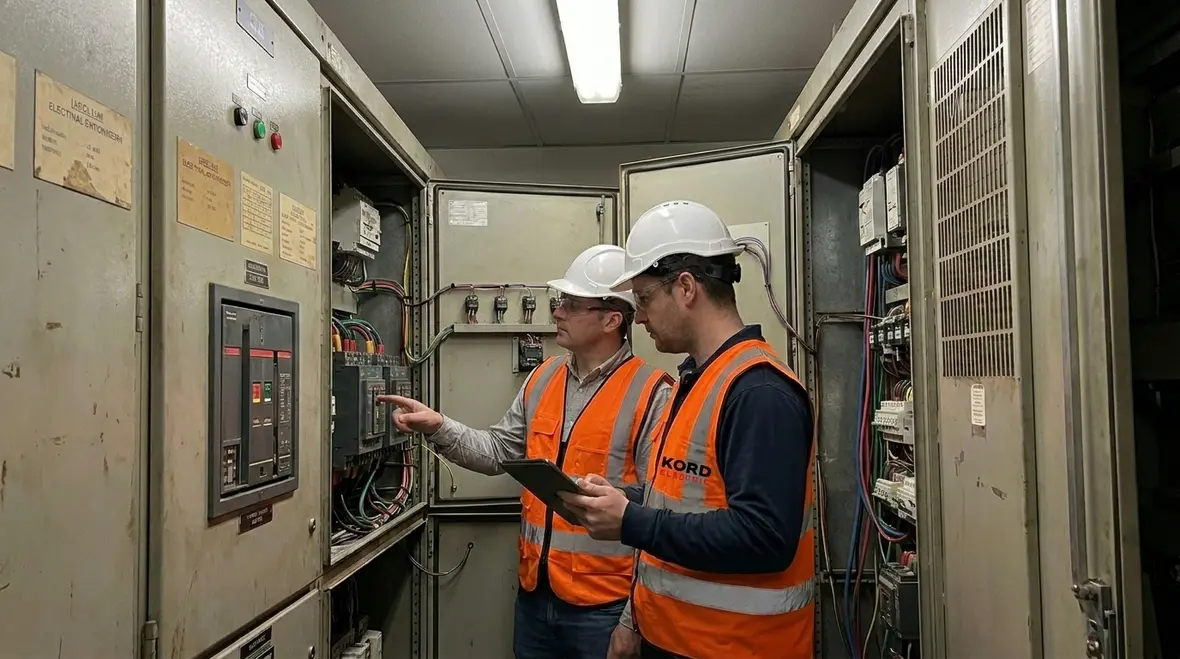
Industrial sites and major property buildings live on tight schedules. Power distribution is the nervous system, and every segment adds risk. When power moves through busways, switchgear, transformers, MCCs, and feeders, small problems can stack up: minor corrosion, degraded insulation, loose terminations, or mis-coordination. Over time, those issues become failures that interrupt production, shut down critical systems, and trigger costly recovery.
To prevent that, we focus on the entire electrical path, not just the last device. First, we map critical loads and their dependency levels. Then we evaluate how disturbances travel during switching events, faults, and maintenance. As a result, the facility does not just “have power,” it has resilient power.
Also, we pay attention to distribution environments. Dust, moisture, vibration, and temperature swings change how equipment ages. In other words, the best maintenance plan is the one that matches the site, not the one that looks good in a binder.
Audit and Coordination: The Step That Prevents “Surprise” Trips
One of the most effective uptime upgrades starts with an audit that is more detailed than a quick walk through. Our service team reviews protection schemes for switchgear, breakers, fuses, relays, and downstream devices. Then we confirm the coordination settings so protection clears faults at the right place and time.
When coordination fails, you get the worst case scenario: the wrong protective device trips, downtime spreads, and operators spend hours waiting for electricians to reset equipment instead of fixing the cause. Therefore, we verify settings, timing curves, and current transformer ratios. We also confirm labeling and interlocks so field crews do not guess under pressure.
Next, we look at arc flash and switching safety. We do not treat safety like paperwork. We treat it like a requirement for calm work. The goal is to reduce incidents and help technicians maintain power systems without adding new risk.
After that review, we establish improvement priorities based on criticality. That means critical feeders and life safety systems get attention first, not later.
Thermal and Visual Checks That Catch Failure Early
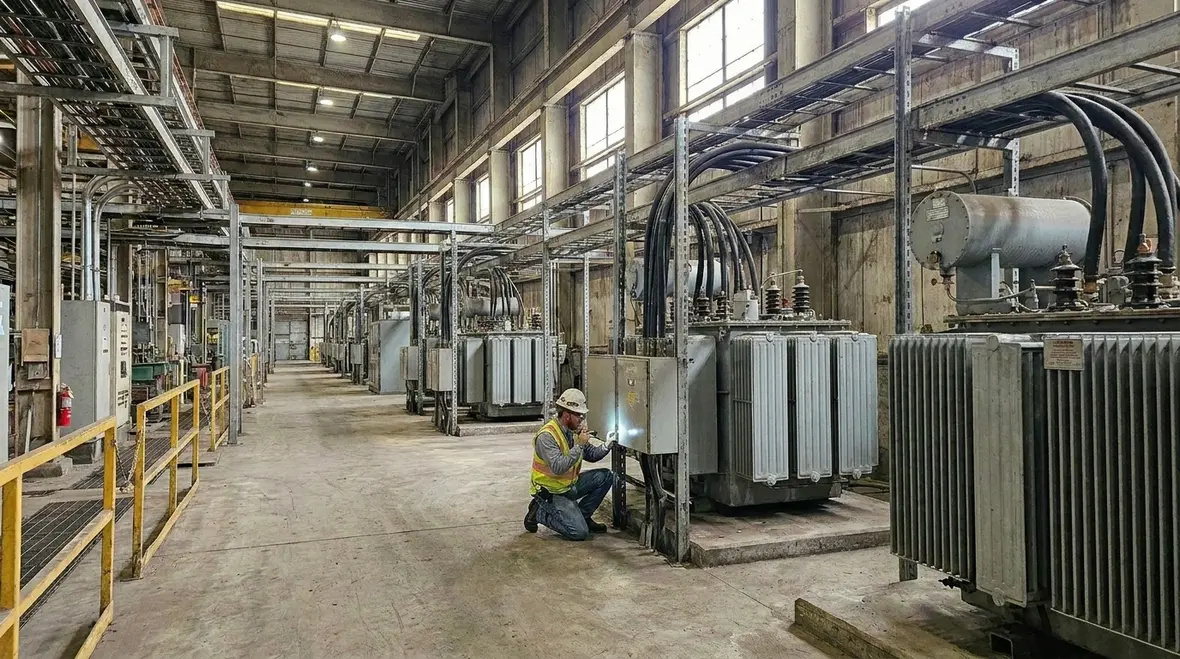
Preventive maintenance works best when it finds problems before they turn into outages. Our approach includes visual inspection, torque verification, IR thermography, and condition checks where needed. Because heat reveals stress, thermal imaging helps us locate hot spots at bus joints, breaker connections, cable terminations, and transformer load points.
In many facilities, the same story repeats. A connection loosens slightly due to thermal cycling. It then increases resistance. Resistance creates heat. Heat accelerates deterioration. Eventually, the system trips, and everyone acts shocked as if electricity filed a restraining order. We simply treat the pattern early.
When Kord Electric technicians perform these checks, we record what we find and compare it to prior results. That helps others see trends instead of guessing. If a termination temperature climbs over months, the facility does not wait for a failure. It schedules the corrective work.
To support this work, we follow the model described in our preventive maintenance service, including systematic inspections and practical documentation that operators and facility leaders can use. You can review our process here: electrical preventive maintenance.
Power Quality for Motors, Drives, and Sensitive Loads
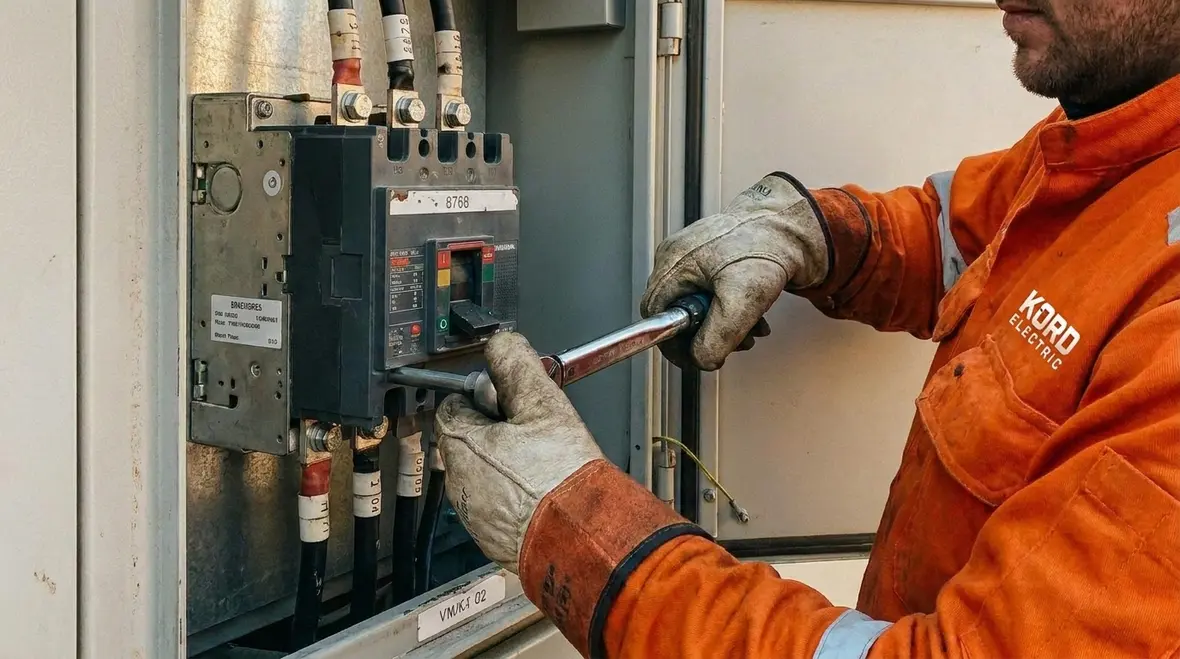
Commercial and industrial facilities often run a mix of motors, variable frequency drives, automation controllers, and building systems. Even when the power never fully drops, power quality issues can degrade equipment and reduce uptime. Harmonics, voltage sags, unbalanced phases, and stray transients can cause nuisance faults, overheating, and premature failures.
So, we evaluate power quality where it matters most. First, we measure load profiles during typical operation and during transitions. Then we identify patterns that correlate with trip events or equipment alarms. After that, we recommend targeted solutions such as filtering, grounding improvements, or adjustments to protection and control settings.
Additionally, we coordinate with operations so testing does not interrupt production. Our technicians plan measurements around shift schedules and critical activities. We keep the work practical, because a perfect study that shuts down a plant for eight hours is not “quality,” it is just expensive theater.

Reliability Built into Maintenance, Spares, and Spare Strategies
Facility uptime improves when maintenance plans match the equipment reality. Kord Electric supports that by aligning preventive tasks with asset age, duty cycle, and failure history. We do not just schedule inspections. We tune them.
Next, we help teams reduce downtime by improving spares strategy. That can include planning for common replacement parts such as breaker accessories, control relays, current transformers, and fans and filters where applicable. However, we do it with discipline. We avoid stockpiling everything under the sun. Instead, we select spares that reduce restoration time for critical circuits.
We also document maintenance outcomes in a way that other stakeholders can understand quickly. Operators need clarity. Maintenance leaders need trend data. Our technicians explain findings in plain language, so the team can act with confidence.
And yes, we use a simple rule of thumb. If an issue repeats, the fix must address root cause. Replacing parts without correcting the underlying condition is like swapping a smoke alarm battery instead of checking for the actual fire. It might help for a minute, but the building still has a problem.
Implementation: From Drawings to the Field Without Losing Control
Many projects fail during execution. The drawings look good, the equipment is installed, and then reality shows up with loose connections, mismatched ratings, and unclear labeling. That is why our process bridges design intent and field performance.
We start by reviewing electrical one line diagrams and as built records. Then we verify equipment ratings, wiring termination methods, and protective device settings. After that, we create a commissioning and verification plan that supports steady operations.
Then we continue with change management. When facilities modify process loads or expand capacity, they must update protective coordination and maintenance priorities. Our teams support those changes so the system does not silently drift out of spec.
Finally, we train the people who maintain the system every day. Our technicians explain what they see, why it matters, and what action prevents the next outage. That approach keeps the facility from depending on a single person’s memory. In large buildings, that is a lifesaver.
FAQ: Industrial Power Distribution and Uptime
Request a Uptime Plan From Kord Electric
If your facility cannot afford unexpected downtime, Kord Electric can help you optimize the full power path, improve protection coordination, and strengthen preventive maintenance results. Our technicians review conditions in the field, explain findings in clear terms, and build a practical plan for commercial and industrial sites and major property buildings.
For facilities already wrestling with unstable voltage or recurring alarms, pairing these Industrial Power Distribution Best Practices with targeted diagnostics such as a focused voltage fluctuation assessment helps protect sensitive loads and keep production online.
To keep that plan working year after year, many organizations connect their distribution strategy directly to a structured electrical preventive maintenance program, aligning inspections, testing, and documentation with real operating risk.
If your uptime goals also include broader system upgrades, Kord Electric’s commercial and industrial service offerings can support projects from load evaluations through installation and testing, so improvements to distribution, power quality, and maintenance work together instead of in isolation.
Contact us to schedule an assessment and discuss your uptime goals. Let’s turn “we’ll fix it when it breaks” into a plan that keeps the lights steady and production moving.
To see how this approach carries through to larger reliability programs, explore our dedicated electrical preventive maintenance service for commercial and industrial facilities. When you are ready to address specific voltage and stability problems, our specialized voltage fluctuation services help protect motors, drives, and critical electronics across your facility.


