Common NEC Electrical Code Violations Commercial
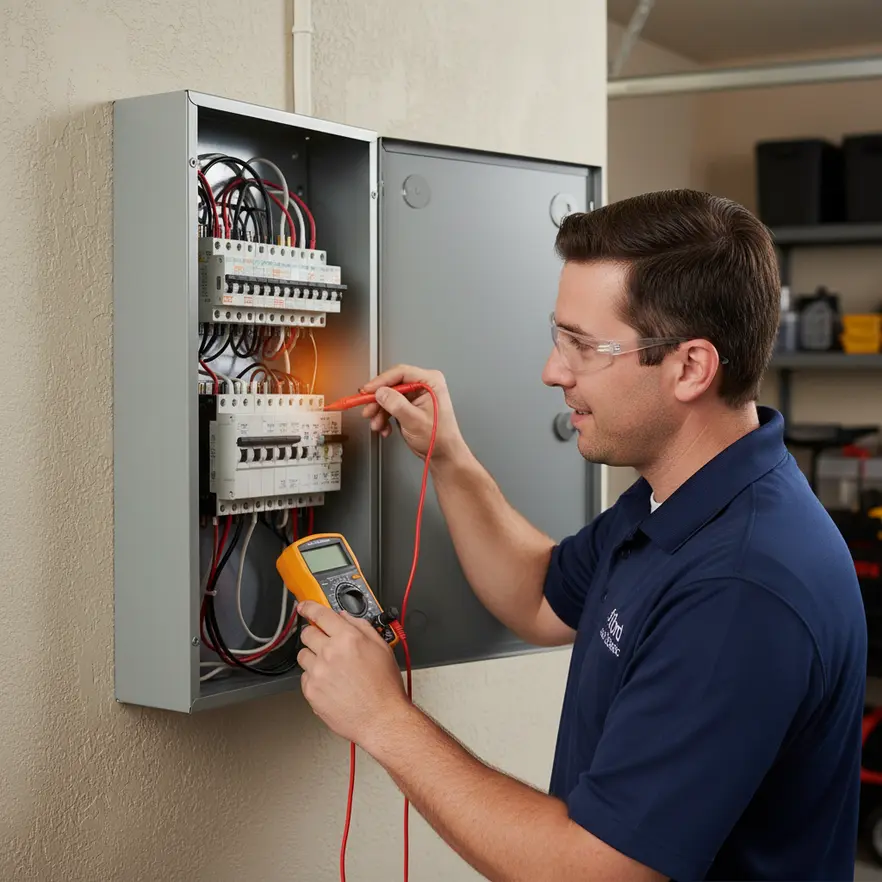
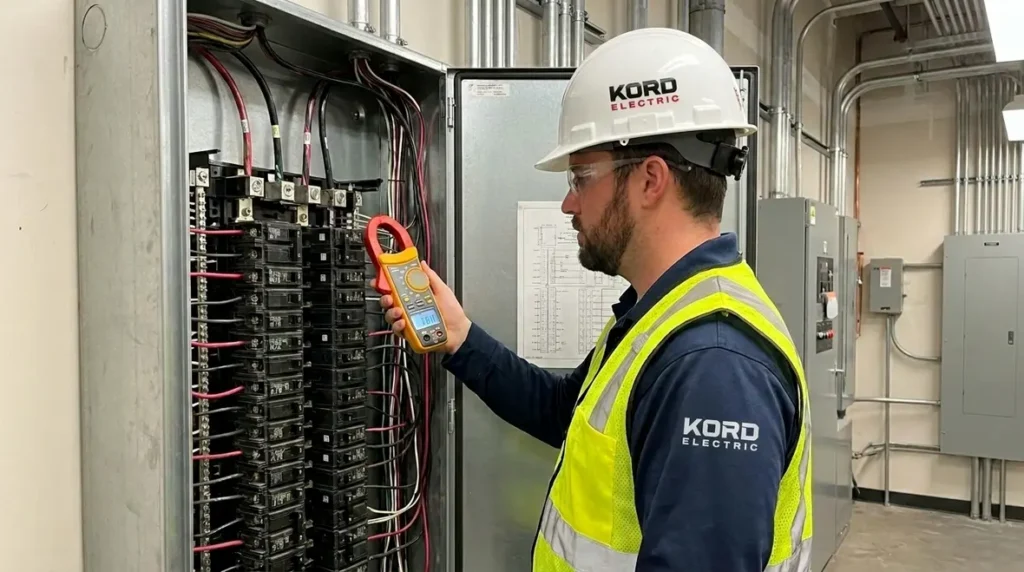
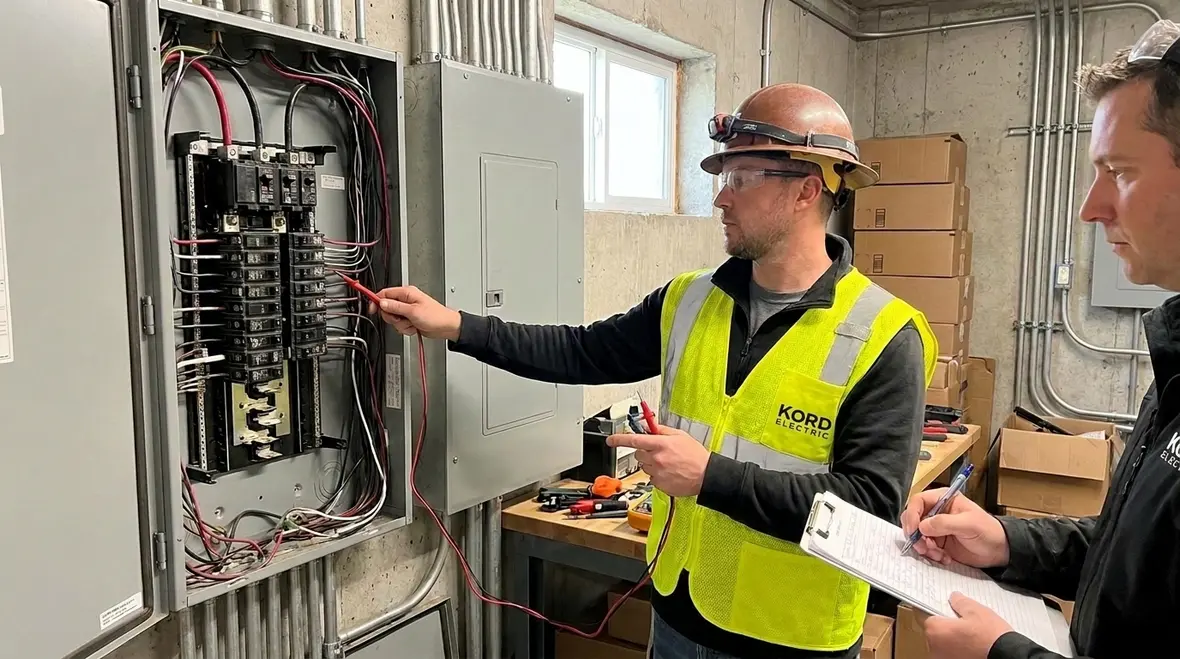
Commercial inspections can feel like a surprise pop quiz, except the instructor actually has a clipboard and the consequences are real. At Kord Electric, we see the same pattern across many job sites: common nec electrical code violations commercial buildings show up, inspectors catch them, and businesses lose time, money, and trust. Some of the most frequent failure points include damaged wiring, missing grounding paths, overloaded circuits, poorly terminated connections, and electrical rooms that look tidy to the eye but do not meet code on paper. And yes, we have watched a “quick fix” turn into a longer punch list. As our expert service staff explains, the goal is not to “pass the first try at any cost.” The goal is to keep facilities safe and compliant so your operations can keep moving.
How inspection failures start in the real world
In the commercial and industrial world, electrical systems do not fail all at once. Instead, small issues build up. Over time, a connection loosens, a protective device wears out, or someone adds a load without updating documentation. Then the inspection happens, and suddenly every prior decision shows up as a measurable defect. Our technicians often tell owners that the best time to correct a problem is before it reaches the “red tag” stage.
To be clear, inspectors do not look for drama. They look for compliance with required safety rules. Therefore, when common nec electrical code violations commercial buildings show up, the inspector reads it as a direct risk to people and property. In other words, the problem is not just paperwork. The problem is fire risk, shock risk, and system failure risk.
We also see a common workplace habit: people treat temporary changes as permanent. A cord becomes “a solution,” a spare breaker slot turns into “a shortcut,” and a label that never got updated stays wrong for years. Meanwhile, the facility grows, equipment changes, and the original design no longer matches reality. That mismatch is where inspection failures are born.
If your facility has not been evaluated in several years, a structured review can catch these issues before the next official visit. Our team often pairs this with a broader commercial electrical safety audit for risk control to help owners see both immediate hazards and long-term reliability concerns in one clear plan.
Overloads and circuit issues that inspectors will not ignore
One of the quickest ways to fail a commercial inspection involves load calculations and protection. When a facility adds machines, HVAC upgrades, charging stations, or process equipment, the electrical load can increase. If the distribution system does not match the new demand, the result can be overheating, nuisance trips, or damaged components. Inspectors treat this seriously because overheated conductors can lead to insulation breakdown and fire.
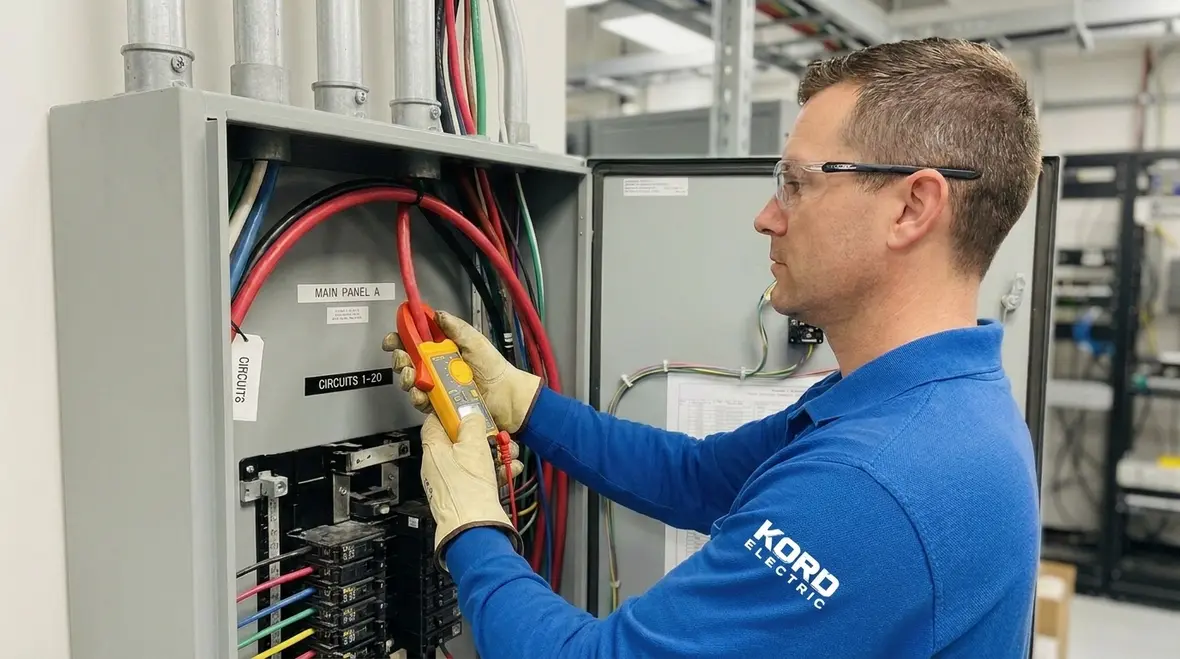
Our expert service team walks through this in plain language. First, we verify the design intent of panels, feeders, and branch circuits. Then we check conductor sizing, breaker ratings, and conductor temperature limits. Finally, we compare installed loads against what the system can safely handle.
In many sites, we also find problems tied to missing or incomplete load labeling. For example, panels may not clearly identify circuit purpose. As a result, maintenance crews later make changes based on guesswork. And guesswork, in electrical rooms, is like “winging it” in a cooking show while the audience is the fire marshal.
When a building uses multiwire branch circuits or shared neutrals, failure points can also appear. Incorrect termination, improper neutral handling, or missing identification can create fault and imbalance conditions. So, we focus on both design and execution, because inspectors do not just check for existence. They check for correctness.
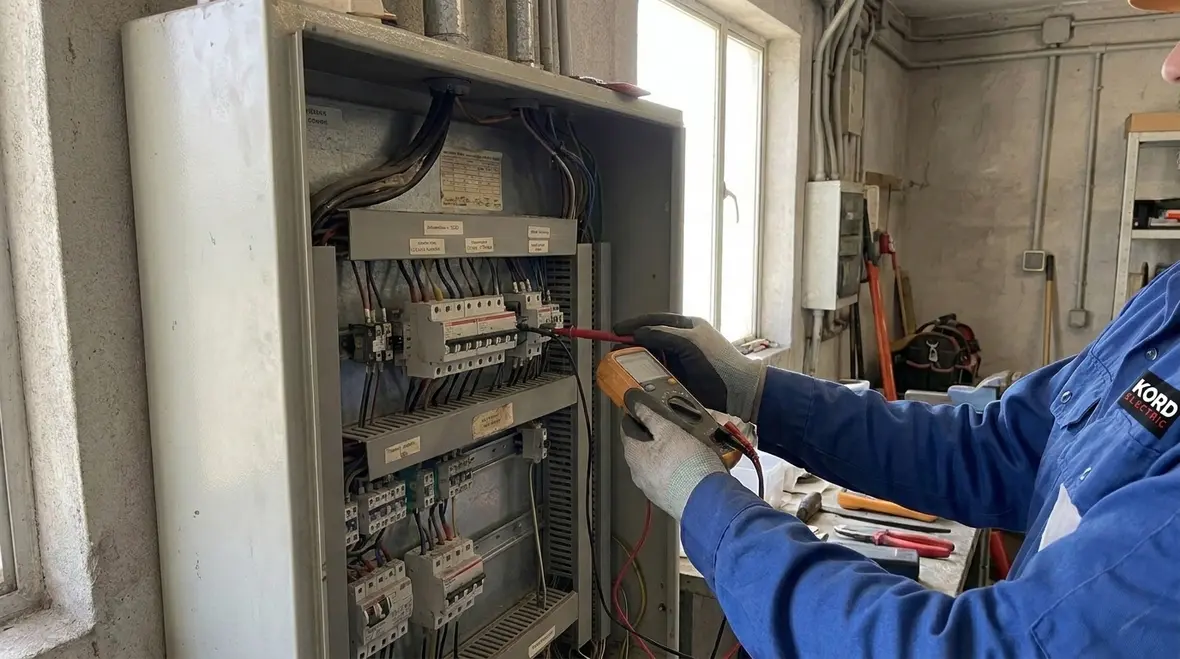
For facilities that see frequent breaker trips or unexplained equipment shutdowns, a structured review similar to our commercial circuit breaker troubleshooting process can reveal where loads and protective devices no longer match safely.
Grounding and bonding gaps that lead to shock risk
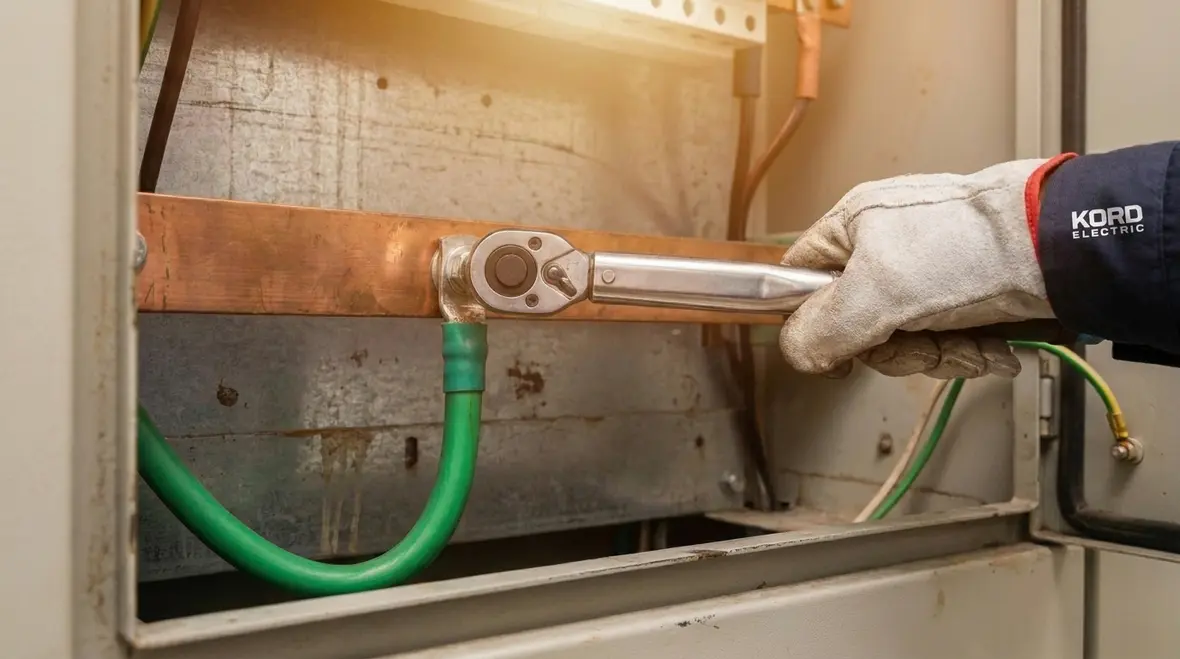
Another frequent cause of commercial inspection failure involves grounding and bonding. Inspectors look at whether metal parts that should be energized during a fault path actually connect properly to the equipment grounding conductor or system bonding points. If that pathway is incomplete, the protective devices may not trip quickly enough. That delay can raise shock risk.
Our technicians examine grounding electrodes, bonding jumpers, and continuity of grounding paths. We also verify that metallic raceways, enclosures, and conduit bodies create the intended bonding method. Even one missing connection at the wrong location can break the system. And when you are dealing with industrial systems, “close enough” is never a comfort phrase.
We often see issues where grounding conductors get replaced incorrectly, or where someone adds equipment without tying it into the bonding network. Sometimes the facility has a ground bar, but the equipment grounding conductor lands elsewhere due to an old habit. Other times, paint and corrosion interfere with contact points. Inspectors may call out these defects as common nec electrical code violations commercial buildings because they directly affect safety.
Because these pathways tie directly to life safety and NFPA 70 principles, many owners pair grounding and bonding corrections with a broader review of the National Electrical Code requirements for 2026 so their teams understand why each fix matters.
Wiring, splices, and terminations that get flagged fast
Even when the panel looks fine from a distance, inspection failures can show up at the smallest details. Inspectors frequently flag termination problems such as loose lugs, improper torque, undersized conductors, and missing insulation support. They also check splice locations and use of approved methods.
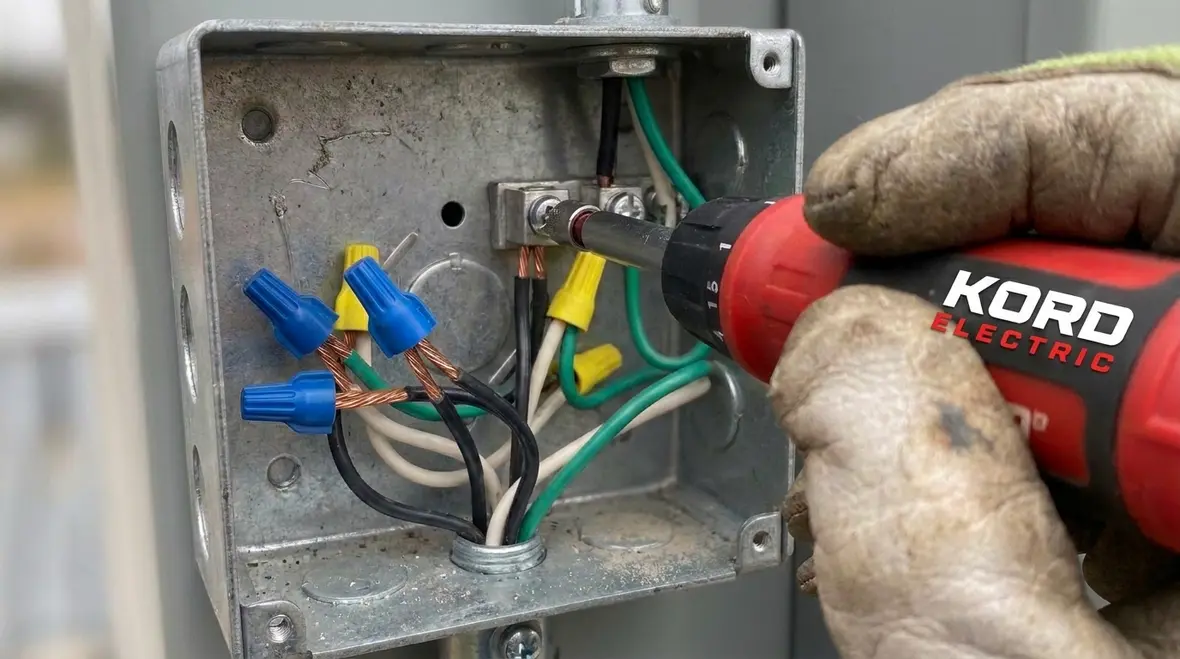
During our work, we pay attention to where connections get made. If splices sit in locations that do not provide adequate enclosure, protection, or accessibility, inspectors can treat it as a code violation. Likewise, if wiring enters cabinets or electrical boxes without proper fittings, edges can damage insulation.
Our expert service staff often explains why these issues matter. A poor splice may work today, but it can fail when the building vibrates, when loads cycle, or when heat builds up. Over time, that can lead to arcing. And arcing does not care if your schedule says “we are busy.”
We also recommend consistent labeling and documentation. If the facility cannot clearly show how circuits relate to loads, inspectors and future electricians face avoidable confusion. That confusion grows when modifications happen without updated drawings. We help property managers and electrical leads keep records accurate, because compliance relies on both physical work and clear evidence of what was installed.
When we investigate nuisance issues or confusing faults, we often follow a path similar to our commercial electrical troubleshooting process, tracing connections from panel to load so nothing is left to guesswork.
Electrical rooms, panel access, and physical installation problems
Code compliance is not only about wiring. Inspectors also evaluate the physical installation, working clearances, and protection of equipment rooms. Commercial and industrial facilities often have electrical rooms that serve multiple uses: storage, maintenance prep, or overflow. If storage blocks access, violates clearances, or creates trip hazards, the inspection can fail.
We see another issue often: panels installed in locations with insufficient working space or obstructed access due to piping, doors, or equipment placement. Inspectors treat this as a safety issue because a technician must be able to work without risk during emergency conditions.
Our technicians also check for cable routing and protection. Cables must meet rules for support, bend radius, and secure attachment. Exposed cable runs without appropriate protection can lead to damage. Meanwhile, missing barriers or improper use of knockouts can create openings that do not align with safe enclosure practices.
Finally, we look at signage and identification. Panels, disconnects, and switchgear often need clear labeling for service use. When labels are missing, wrong, or unreadable, maintenance teams waste time and make unsafe assumptions. Inspectors see that as a problem too, because it contributes to unsafe operation.
For larger facilities or major property portfolios, pairing this physical evaluation with a broader commercial electrical safety audit helps owners prioritize which rooms and panels need attention first.
Documentation, testing, and how to prepare for the next inspection
Preparation turns a stressful inspection into a controlled process. First, we review past inspection notes and maintenance logs. Then we compare them with current field conditions. This step often reveals what changed between the last correction and today’s situation.
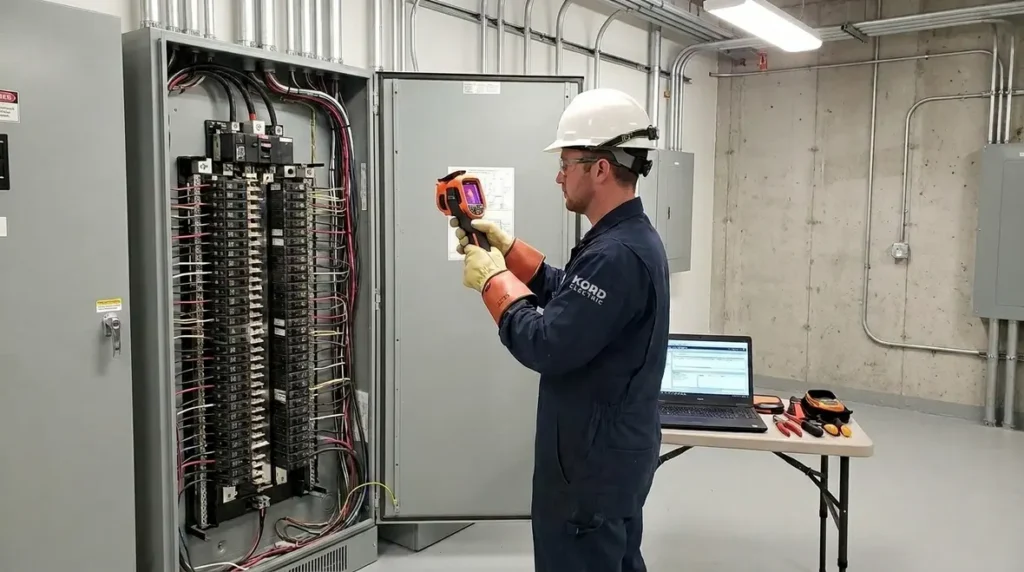
Next, we perform targeted checks and testing where it matters most, such as continuity paths, grounding and bonding, insulation condition, and equipment terminations. We also inspect labeling and circuit identification. If the facility cannot show what circuits feed which equipment, the inspector will still look at the electrical installation details, and that is where failures appear.
At Kord Electric, our approach is methodical. Our team plans corrective work so it aligns with operational needs for commercial and industrial facilities. That means coordinating access windows, sequencing panel work, and keeping the building powered where possible. We do not want your production line to shut down because we made poor timing decisions.
To help our customers, we also explain common outcomes that inspectors expect to see corrected. For example, when common nec electrical code violations commercial buildings show up, the fix should address the root cause, not just hide the symptom. If we tighten a termination, we verify the conductor size and connection method. If we correct a grounding bond, we confirm continuity and the intended pathway. And if we identify an overload risk, we verify the load path and protective device fit.
Many owners in California also review a dedicated guide such as our article on electrical inspection for California commercial properties so they understand what local inspectors commonly prioritize during walkthroughs.
NEC corrections that reduce repeat failures
The smartest fixes prevent “round two.” So we focus on corrections that remove underlying causes. Many repeat failures come from the same themes: work performed without permits, changes made without updating drawings, equipment added without electrical review, and incomplete follow up after repairs.
Our technicians emphasize training and process. We help facility teams document circuit changes, update single-line diagrams, and maintain a clear “as built” understanding of what exists in the field. Then, when future modifications occur, the electrical team can assess capacity before adding loads. That is how you avoid the next red tag.
We also recommend a maintenance plan that fits industrial schedules. Instead of waiting for a failure, facilities should check terminations, verify protective devices where appropriate, inspect physical routing, and confirm that electrical rooms remain accessible. With this rhythm, the building stays compliant and safer over time.
One more thing, and we say this with a smile. If someone tells you, “We will just tape it for now,” we respond the way a responsible electrician should: tape is for packaging, not safety. When inspectors show up, tape never counts as a code-compliant connection method.
If your facility needs support beyond a one-time correction list, our team can align NEC-focused upgrades with broader reliability designs like those we use in emergency power for business continuity planning, so your next inspection supports long-term resilience rather than just checking boxes.
FAQ
CTA: Get inspection-ready with Kord Electric
If you want fewer surprises and fewer repeat fixes, Kord Electric can help your commercial or industrial facility get inspection-ready. Our technicians and expert service staff review your electrical system, pinpoint risks tied to common nec electrical code violations commercial buildings, and correct issues with clear documentation. Then, we help you stay compliant through practical maintenance steps. If you are dealing with an upcoming commercial inspection, call Kord Electric today and let us handle the work like the professionals you hired us to be.
Reference note: For additional inspection preparation details specific to commercial properties, we suggest reviewing our Kord Electric blog article at Electrical Inspection California Commercial Properties on our website.
If your facility is located in Southern California and you need a partner who understands both NEC requirements and local inspection habits, explore our dedicated Los Angeles County commercial and industrial electrical services to see how we support businesses across the region with code-conscious upgrades and repairs.
From commercial panel upgrades to complex industrial distributions, our team brings the same disciplined approach we use in projects like modern industrial power distribution design to every inspection-focused service call, so your system is safer, clearer, and easier to maintain long after the inspector signs off.