Commercial Electrical Permit Requirements Los Angeles
Los Angeles commercial electrical permit requirements explained, without the mystery
At Kord Electric, we help commercial and industrial facility owners in Los Angeles move electrical projects forward with fewer delays. That starts with understanding the commercial electrical permit requirements los angeles process. In our experience, teams that plan early avoid the kind of schedule surprises that hit harder than a plot twist on a streaming show you thought was predictable. Meanwhile, property managers often tell us they do not need “more paperwork,” they need clear steps. And that is exactly what we provide.
So, this guide breaks down how permits work, what inspectors want, which plan items matter, and how to keep your project compliant. Our expert service staff and licensed technicians explain things in plain language, then handle the work with tight documentation. After all, compliance is not the enemy. Chaos is.
Who needs a permit for commercial and industrial work in Los Angeles
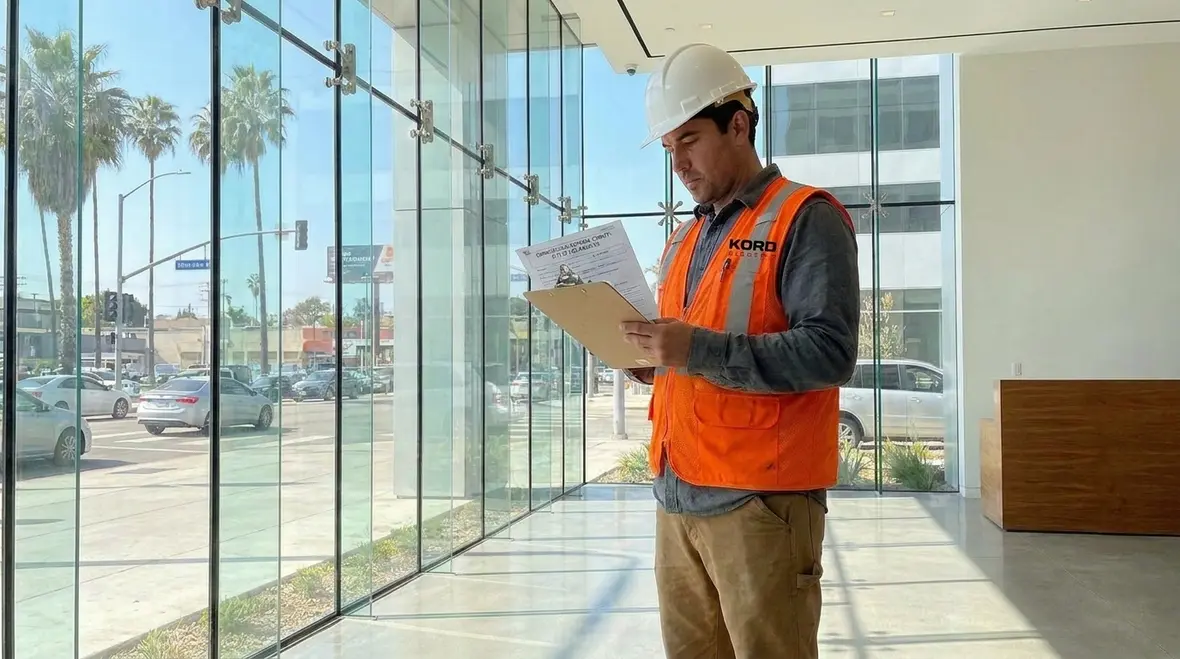
Most people assume permits only apply when something “big” happens. However, for businesses and major property buildings, the city treats many electrical changes as major enough to require review. Generally, if the work affects capacity, alters circuits, changes load, modifies service equipment, reroutes feeders, touches life safety systems, or impacts distribution, you should plan for permits.
Kord Electric supports commercial and industrial sites only. That means we focus on warehouses, office buildings, retail, property common areas, and industrial facilities where electrical systems run critical operations. We do not send a crew for residential upgrades, and we do not blur the line between small fixes and code governed work. If a project touches business operations, we treat it like the important work it is.
Also, the permit need can depend on the scope, whether the building already has approved plans on file, and if the project includes upgrades to panels, switchgear, grounding, or emergency power. Therefore, we start by mapping the job to the code expectations and the likely inspection checkpoints. That step alone keeps clients from learning the hard way that “minor changes” can still require a permit.
Step by step: planning, permit submittal, and inspection readiness
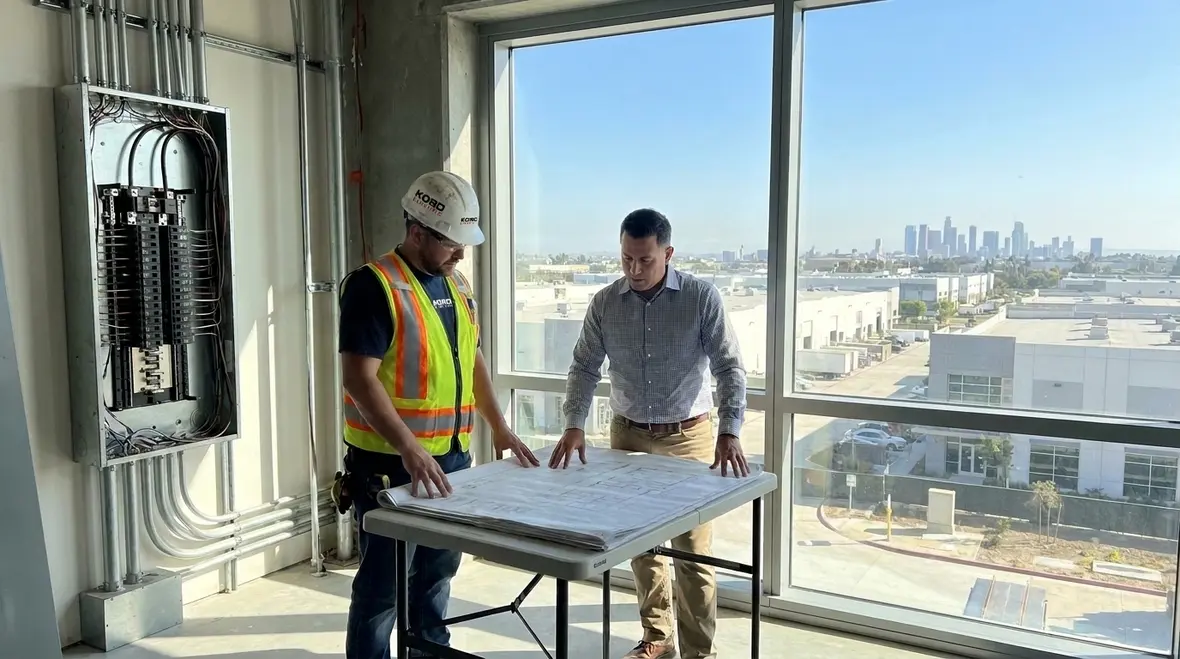
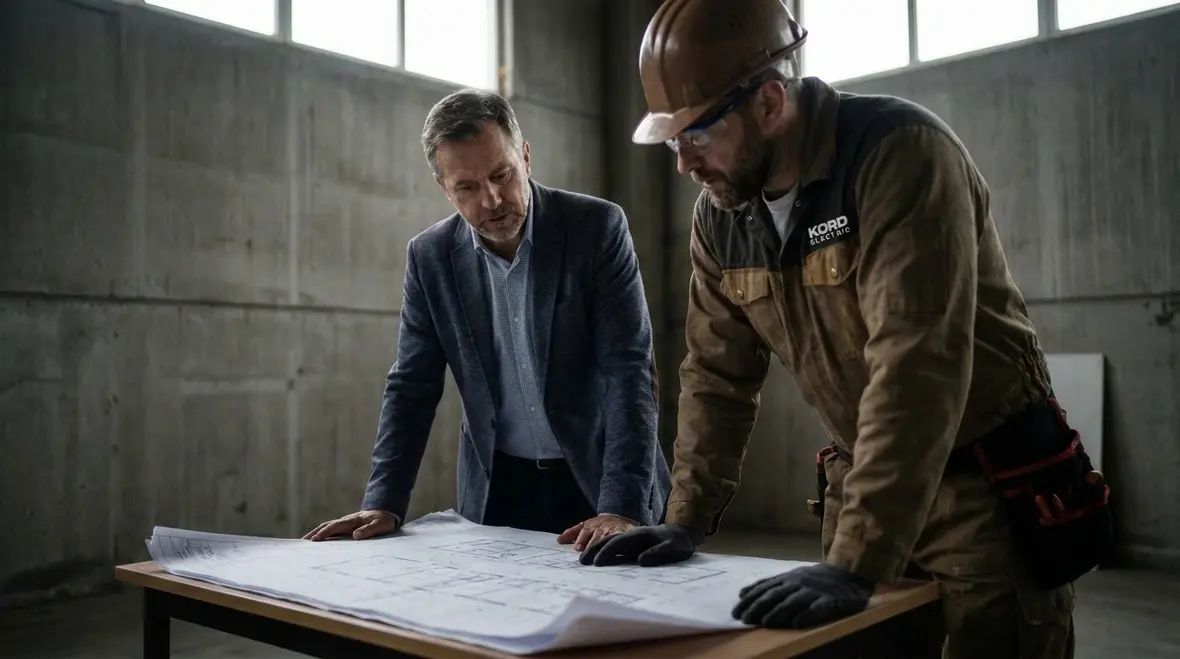
When our technicians sit down with a facility manager, we do not just say “get a permit.” We walk through the sequence. First, we confirm the project scope and identify what components will change. Next, we align that scope with what the city typically expects in the submittal. Then we prepare documentation that helps inspectors verify compliance quickly.
After submittal, the project should not stall. Instead, we keep an eye on plan review comments and we clarify details early. Because delays often come from missing notes, unclear one line diagrams, or incomplete equipment information. And in electrical work, vague drawings are like vague floor plans. Everyone can guess, but inspectors do not grade guesses.
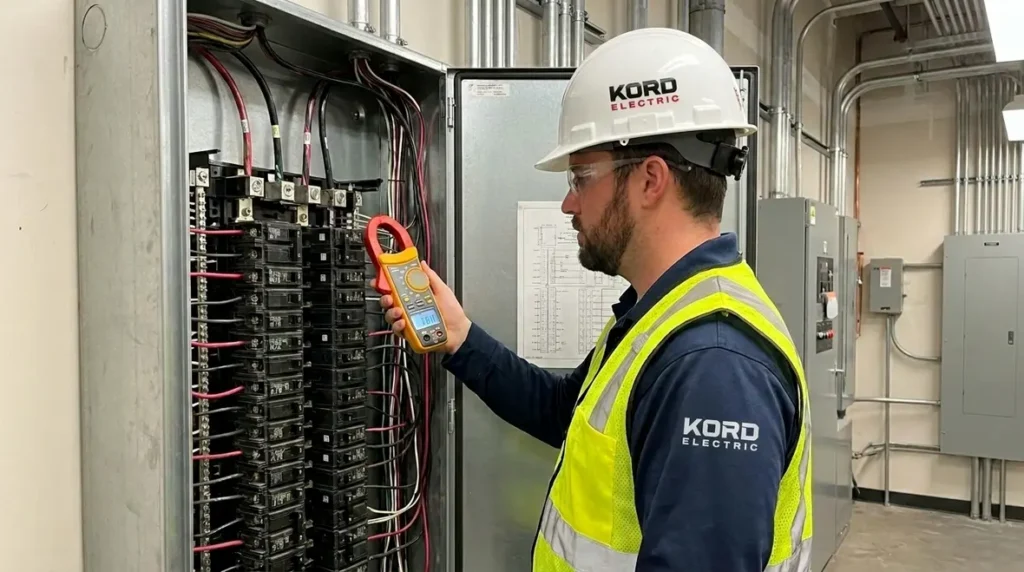
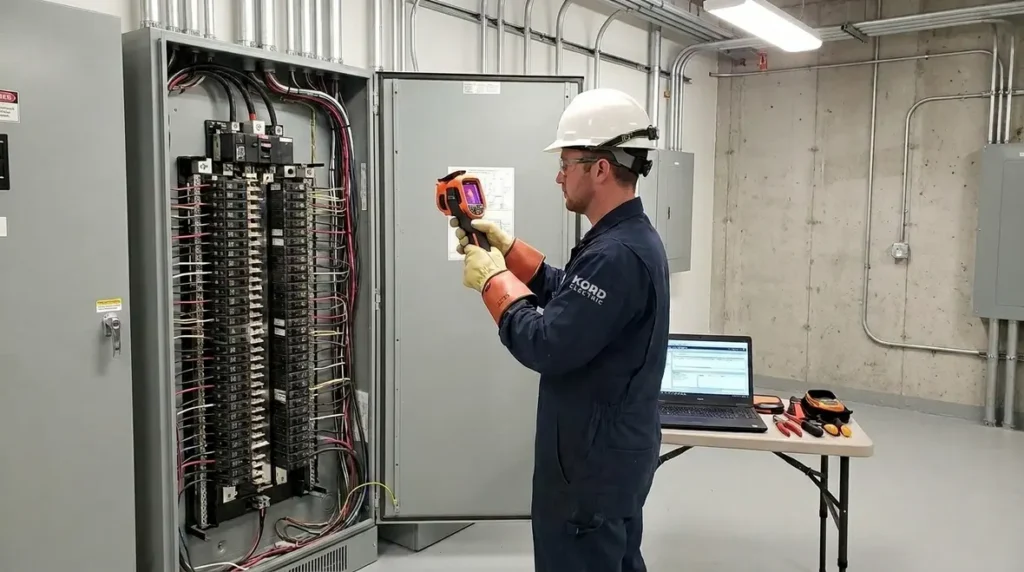
When the job is ready for inspection, our expert service staff helps the site team prepare the space so the inspector can verify the work. That includes making sure equipment access is safe, labeling is in place, and required tests can happen without turning the inspection into a scavenger hunt.
Plan requirements and documentation that inspectors expect
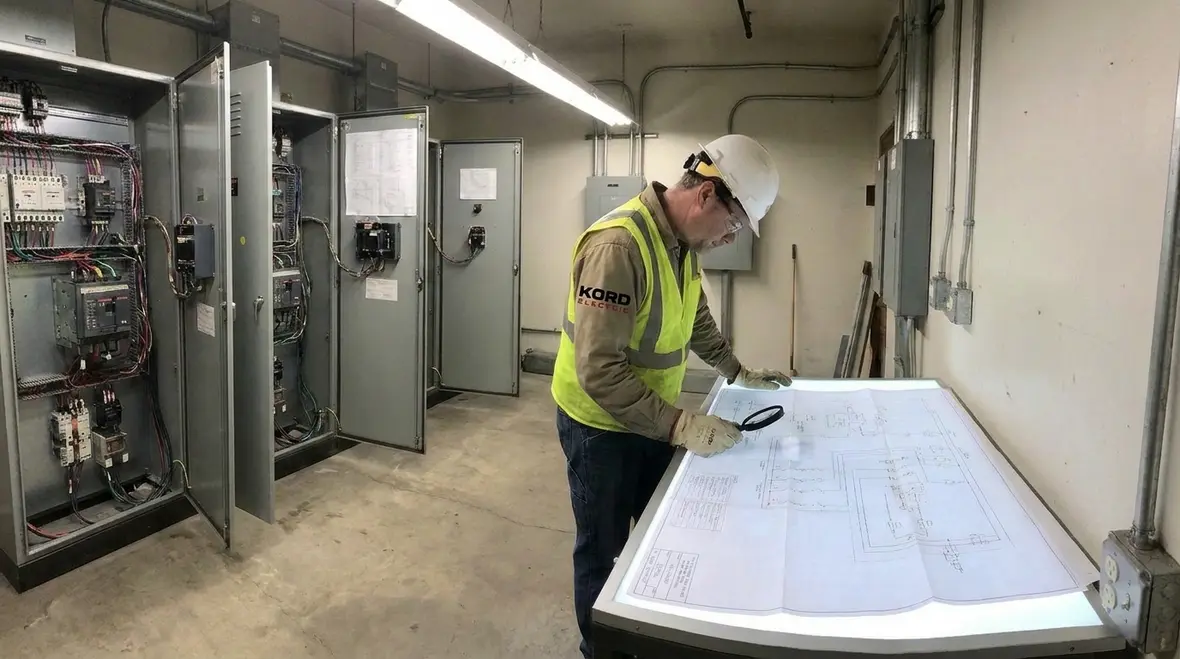
Plan review success depends on clarity. Inspectors want to see that the electrical design matches code rules and the building’s actual needs. Common documentation usually includes one line diagrams, load calculations where needed, equipment details, and a clear description of what gets installed, upgraded, or removed.
For commercial and industrial facilities, reviewers also focus on how power flows through the system. That includes service entrance changes, distribution design, and how circuits connect to panels and switchgear. If the project involves feeders, grounding, bonding, panels, or emergency loads, our team documents the relationships clearly so nobody has to interpret the design like a riddle.
We also pay attention to how work ties to existing infrastructure. For example, if a tenant improvement includes new receptacle circuits or lighting panels, we confirm how the new loads integrate with the existing distribution. In addition, if the building has life safety components, the submittal must reflect how those systems remain compliant. In short, our technicians treat documentation as part of the installation, not as an afterthought.
And yes, we have heard the joke from clients: “If we write it down, it becomes real.” In practice, writing it down makes it verifiable. That matters on inspection day.
Common inspection stages for commercial electrical projects
Electrical inspections usually happen at key points, not all at once. While the exact sequence can vary by scope, inspectors often check rough wiring progress, then later verify final installation and labeling. If the project includes service upgrades, they may also focus on connections, metering arrangements, and safe access.
During rough inspection, the goal is to see that wiring methods and installation details meet code. That means proper support, correct equipment placement, safe routing, and appropriate terminations. Our technicians plan the work so the site does not “finish” the electrical and then realize the rough stage was rushed past like an action scene without a pause button.
During final inspection, inspectors typically look at finished labeling, panel identification, working conditions, and required documentation or test results when applicable. For commercial facilities, we also emphasize operational readiness. We coordinate with the facility team so the electrical system comes online in a controlled way, not as a surprise. That reduces downtime and keeps operations moving.
Because inspection results affect schedules, we keep the process steady. Meanwhile, our expert service staff communicates clearly so clients know what to expect before each stage arrives.
How to avoid permit delays and costly rework
Delays often come from preventable issues. For commercial electrical projects in Los Angeles, common causes include incomplete scope descriptions, missing manufacturer data, unclear labeling plans, and designs that do not match the site conditions. Another frequent issue is when teams start work before approvals finalize, then scramble to correct documentation after comments arrive. That is when budgets start to creep up like a villain who refuses to stay off screen.
Kord Electric reduces those risks with a simple approach. First, we confirm electrical scope boundaries early, including what is new, what is modified, and what is existing. Then we verify that critical equipment details are consistent across drawings and product submittals. Next, we schedule inspections around realistic build steps so the inspector can evaluate work at the right time.
We also help clients manage expectations. Commercial electrical permit requirements los angeles often involve review time. So, instead of treating it like a black box, we prepare the team with a timeline and a plan to respond to comments. That way, when the city requests revisions, we can address them promptly with accurate technical answers.
For a deeper look at how permit delays affect overall project cost and timelines, facility teams also find it helpful to review Kord Electric’s related guidance on topics like inspection pricing and planning. Articles such as the Inspection Cost Los Angeles Commercial Guide and the Electrical Infrastructure Upgrade Planning Guide on the Kord Electric Blog give decision makers additional context on how permit strategy ties into long-term reliability and budgeting.
Working with Kord Electric on compliance and execution
Some contractors treat permits like they are somebody else’s problem. We do not. Our approach brings the permit process and installation process into one workflow. That starts with our technicians reviewing the scope and clarifying details that might trigger permit review questions. Then our expert service staff supports the documentation side so the submittal reflects real field conditions.
For commercial and industrial facilities and major property buildings, we emphasize coordination. We work around operational needs, including power reliability and safety access. And because every site has unique constraints, we plan the sequence of work to support inspection readiness.
In addition, we keep records so the project can prove compliance when questions come up. If a tenant improvement project needs tight control or if a facility upgrade requires consistent labeling and test verification, our team handles it with structure. You get fewer surprises, fewer change orders, and better continuity from permit stage through final approval.
We know the jobsite can be busy. Therefore, we communicate what is happening, what comes next, and what the facility team should prepare for. That calming rhythm matters when your electrical system is part of how your business stays open and productive.
If your facility is also planning broader upgrades beyond a single permit, Kord Electric’s guides on topics like Commercial Electrical Load Capacity Assessment and Commercial Electrical Safety Audits can help you connect today’s permit work with tomorrow’s infrastructure strategy. Coordinating permits, inspections, and long-range planning turns compliance into a tool for resilience, not just a checkbox.
For properties across the region, our Los Angeles County electrical services support everything from code-driven upgrades to large-scale commercial projects, always with permits, inspections, and documentation integrated into the project flow.
FAQ: Los Angeles commercial electrical permits and inspections
Next step: contact Kord Electric for permit-ready electrical work
If you are planning a commercial or industrial electrical upgrade, do not leave permits to guesswork. Kord Electric helps you understand the process, prepare documentation, and execute the work with inspection readiness in mind. Our technicians and expert service staff explain requirements clearly, then handle the electrical work with focus on compliance and clean results. Call us to review your scope, outline the likely permit path, and build a steady schedule that keeps your facility running. Let us help you get approval, not headaches.
If you want to see how permit strategy fits into the larger picture of commercial planning, you can also explore Kord Electric’s Electrical Permit Los Angeles Commercial Guide on the Kord Electric Blog, along with related resources on inspection costs and commercial safety audits. Together, these guides give facility teams a practical playbook for staying compliant while protecting uptime.
When your project is ready to move from planning to execution, our dedicated Los Angeles County team supports everything from initial scope review to final inspection. We align permits, inspections, and construction schedules so your operations can stay focused on production, not paperwork chases.
To coordinate a larger upgrades strategy, many facility managers pair permit-driven work with long-term services like preventive maintenance, load capacity assessment, and safety audits. Connecting these efforts under one commercial electrical partner keeps records organized, reduces handoff risk, and gives you a single point of accountability across multiple projects.