Commercial Electrical Permit Requirements Los Angeles
Los Angeles Commercial Electrical Permit Requirements Explained, and What Businesses Need to Do First
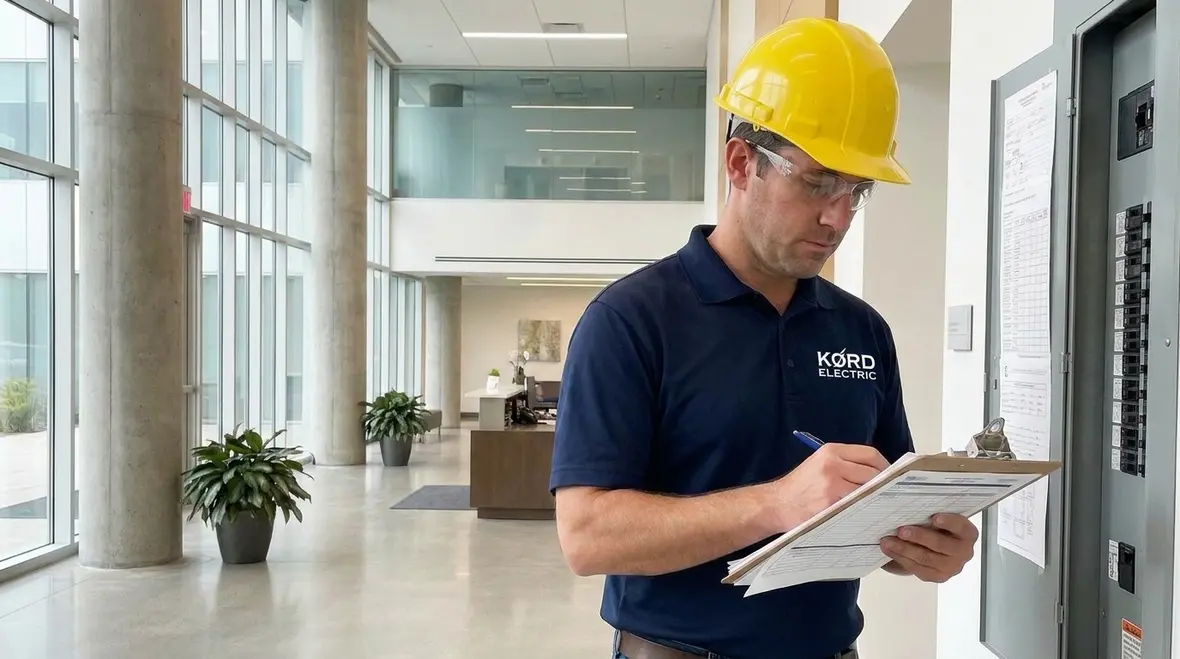
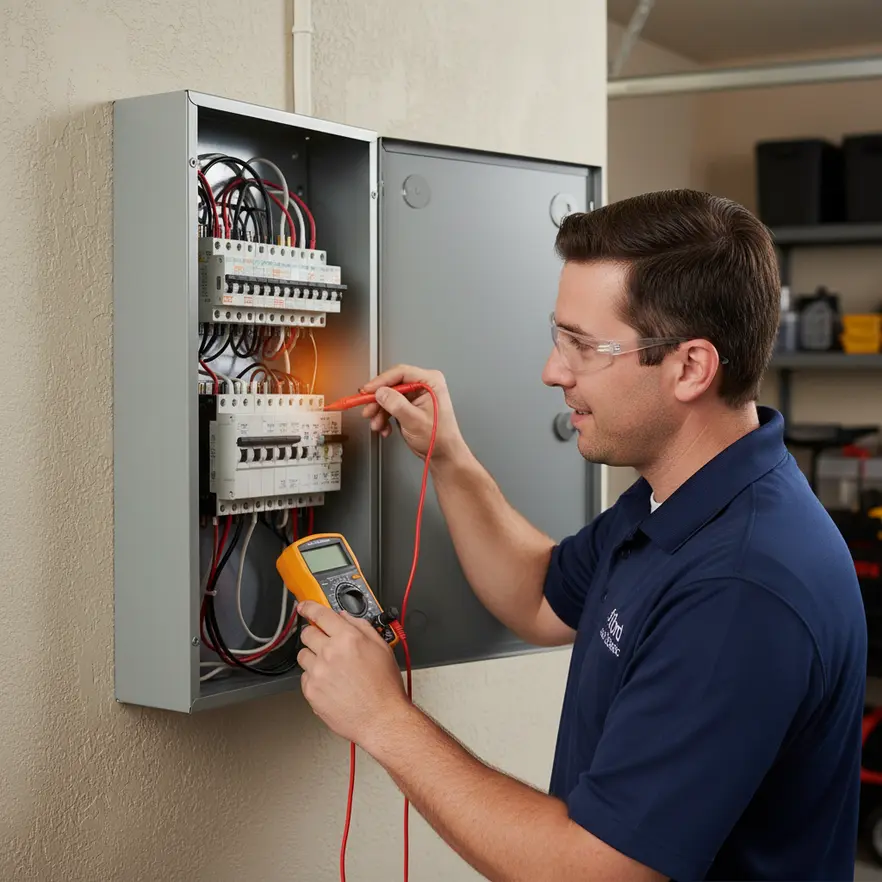
For commercial electrical work in Los Angeles, the commercial electrical permit requirements los angeles can feel like paperwork that wandered in from a parallel universe. Still, they are not random. They protect people, inspectors, and your building systems. Kord Electric helps commercial and industrial facilities, plus major property buildings, move from plan to approval without turning a simple project into a never ending saga. In this guide, we explain what the process typically looks like, how the city reviews electrical plans, and what we ask our clients to prepare before our technicians start work. And yes, our expert service staff will walk you through the details, because nobody should need a decoder ring to understand a permit.
Why Los Angeles treats commercial electrical permits like a serious job
When a project involves a commercial building, the stakes rise fast. One wrong connection, undersized equipment, or missing safety detail can affect staff, tenants, and sometimes entire floors or utility feeds. That is why commercial electrical permit requirements los angeles focus on verification, code compliance, and traceable documentation. Inspectors need clear drawings, correct calculations, and consistent labels so the electrical system can be tested and confirmed in the field.
Also, commercial environments tend to add complexity. You might have multiple tenant spaces, shared panels, life safety loads, or existing infrastructure that was installed decades ago. Therefore, our expert service staff often starts by reviewing what is already there, not just what is new. This keeps the project realistic and avoids surprises that eat schedules. Think of it like checking the floor before you repaint it. You do not want to paint over a problem and call it “character.”

Step by step: how permit applications usually move through the Los Angeles process
In most cases, the process follows a predictable path. First, your project scope determines the permit type. Then, drawings and supporting documents get submitted for review. Next, the city either approves the documents or requests corrections. Finally, the work gets inspected at set milestones.
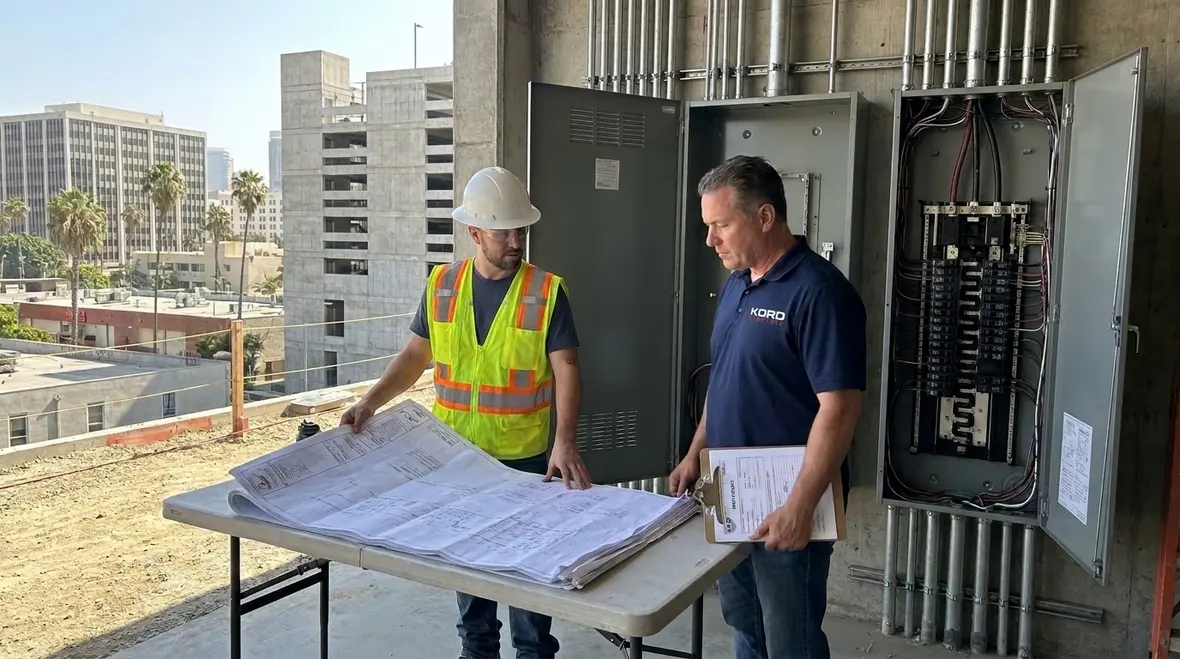
To keep things smooth, we follow a clear workflow. Our team verifies that the scope matches what the electrical design shows. Then, we confirm the permit set includes the right details for commercial and industrial buildings, such as panel schedules, load calculations when needed, and equipment ratings. After that, we help clients understand what inspection points apply to their job.
Transition matters here. A delay in one part of the chain can slow the entire project. Therefore, we ask our clients for site access timelines, existing one line information where available, and any tenant coordination constraints. When you plan these items early, the review phase tends to feel less like waiting for a slow elevator and more like a normal schedule.
For a deeper dive into how electrical permitting plays out across real projects, you can also review our dedicated guide, which walks through timelines, documentation, and inspection expectations in more detail in the Electrical Permit Los Angeles Commercial Guide.
What plan details inspectors expect on commercial and industrial projects
Inspectors do not review permits like they are scanning a menu. They look for specific proof that the work meets code and matches what will happen on site. For commercial electrical work, common plan expectations include:
- Clear one line diagrams showing feeders, breakers, disconnects, and panel relationships
- Panel schedules with circuit listings, breaker sizes, and labeling that matches field installation
- Load calculations when required by the scope and service conditions
- Equipment data such as voltage, amp rating, mounting method, and special requirements
- Device and raceway details that match the construction plan and locations in the building
- Life safety considerations when the scope includes systems tied to emergency or fire related needs
Of course, the exact expectations vary by scope. However, our expert service staff makes sure the application package stays consistent, because inconsistency is the leading cause of “correction rounds.” And yes, correction rounds can multiply like low budget horror sequels if nobody addresses the root issue.
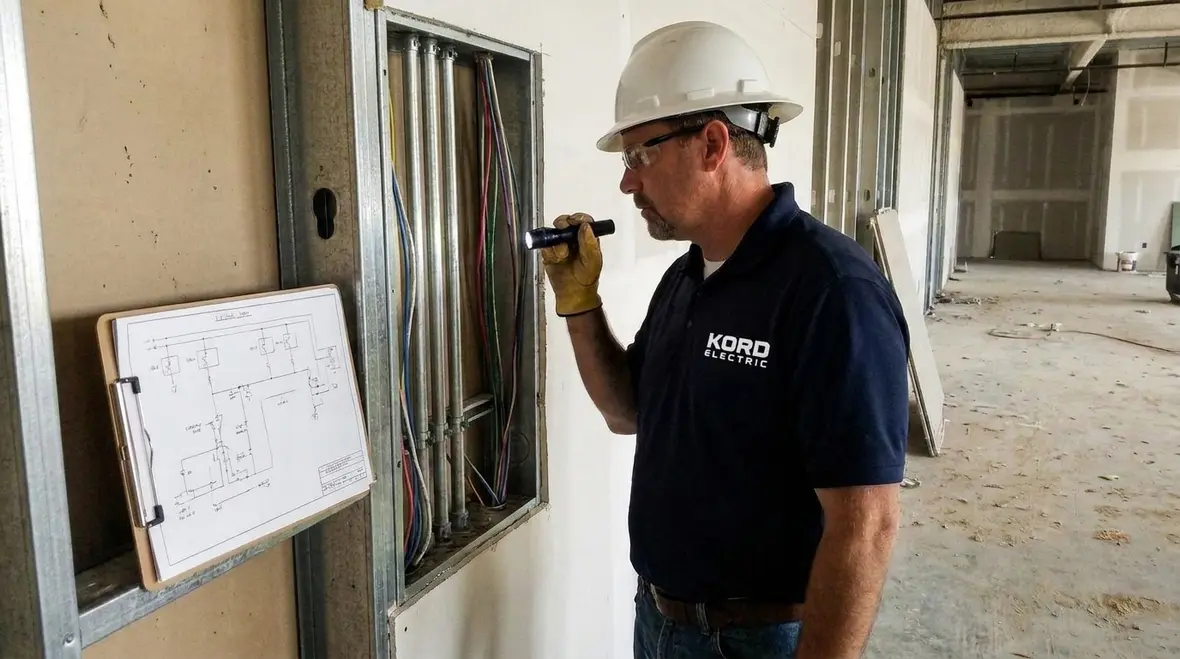
Service upgrades, tenant improvements, and major buildings: permits change with the scope
Commercial electrical work spans everything from tenant improvements to major service upgrades. Each scenario shifts what gets permitted and what must be inspected.
For tenant improvement work, the city typically expects accurate labeling, correct circuit routing, and documentation that reflects how the space will be used. Meanwhile, service upgrades often involve more scrutiny because they affect utility connections, main switchgear or panels, and potentially the building distribution system. Industrial facilities can introduce additional demands due to power density, motor loads, and equipment interfaces.
As a result, Kord Electric treats each job like its own contract with reality. We help clients map the electrical scope to the permit path. Then, we plan inspections so work does not stop in the middle of a critical sequence. If an inspection needs to happen before a wall closes up, we schedule it that way. We do not leave that decision to luck, because luck is great for lotteries and terrible for electrical inspections.
If your commercial plan includes EV charging, backup power, or larger capital projects, we often align permitting strategy with broader system design work similar to what we outline in our resources on commercial EV charging planning and emergency power design, so your upgrades do not clash with inspection timelines.
Inspections and compliance: what you should plan for before work begins
Permits do not end at approval. Inspections confirm that the installed electrical work matches the approved documents and follows safety requirements. Therefore, we help clients plan the job around inspection timing.
Typically, inspection points may include rough phase verification and final checks. Rough phase inspections often cover concealed work such as wiring and conduit. Final inspections tend to confirm device installation, labeling, and operational readiness. Additionally, commercial sites may require coordination with building management, security, and tenant access rules.
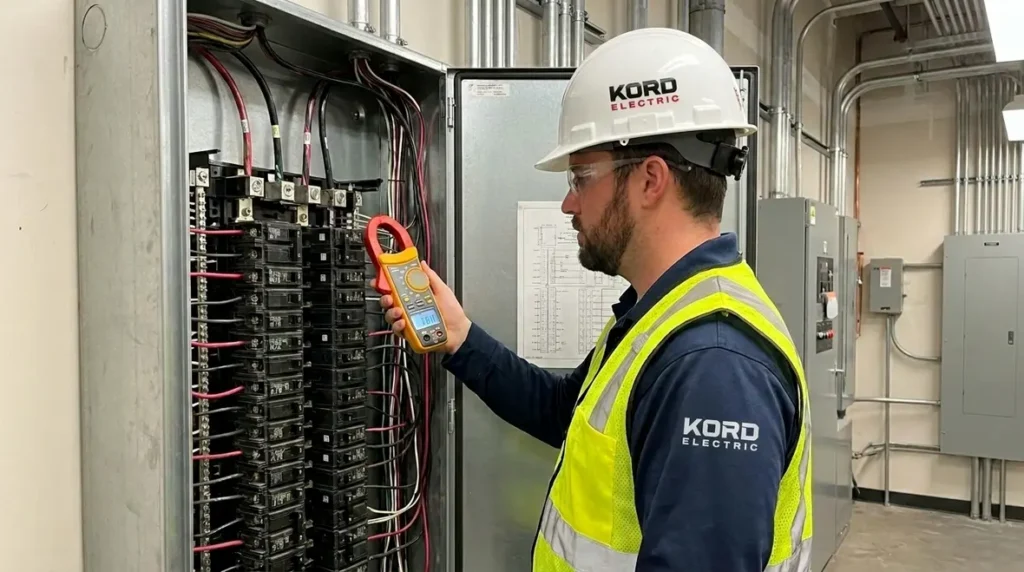
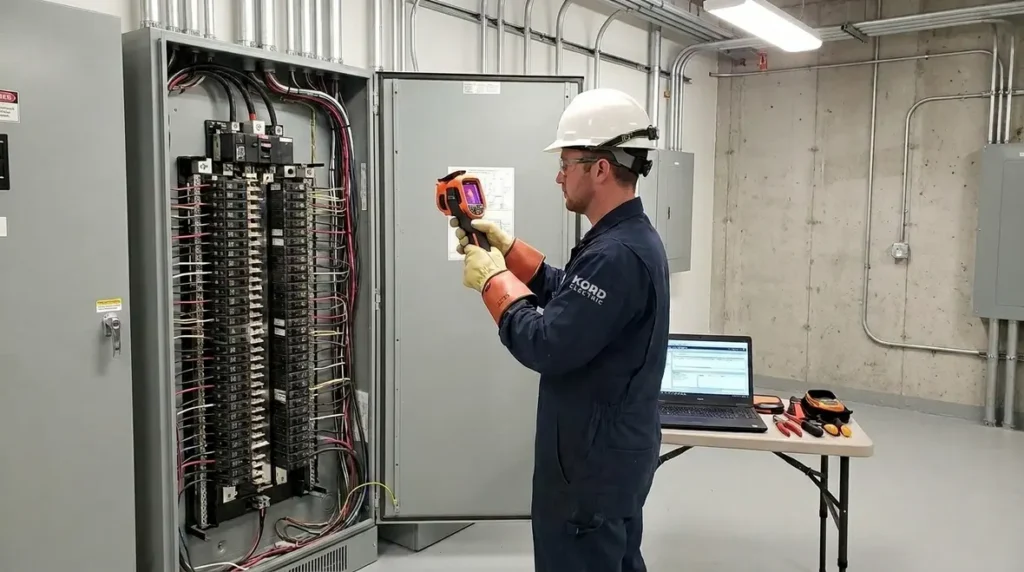
Here is where our technicians earn their keep. We do not just install equipment and hope for the best. We document progress, verify connections, and confirm labeling before inspectors arrive. That reduces the chance of rework, because rework costs money and time, and both are in short supply for most businesses. Transitioning into inspection readiness earlier keeps the project calmer and more controlled.
Common mistakes that cause permit delays, and how our team prevents them
Permit delays rarely come from one big mistake. More often, they come from small issues stacked like Jenga blocks. When one block slips, the whole tower feels unstable.
Here are frequent problems we see on commercial electrical projects and how we prevent them:
- Mismatch between field scope and drawings so the inspector sees a different story than the plan
- Incomplete labeling or inconsistent panel schedules which slows verification
- Missing equipment data such as ratings or configuration details
- Unclear conductor or raceway routing that does not match the approved design
- Late discovery of existing conditions that changes the electrical approach after submission
Our process reduces these risks. First, we review existing systems when the project touches major property buildings or industrial facilities. Then, we align the work sequence with the permit plan. Finally, we support clients with clear communication so teams do not show up on site with the wrong assumptions. Nobody wants to “wing it.” In electrical compliance, winging it is how you end up in a meeting you did not schedule.
How Kord Electric coordinates permits and field work for commercial buildings
We focus on commercial and industrial facilities and major property buildings. That focus matters, because those projects need consistent communication, disciplined documentation, and practical scheduling. Kord Electric pairs our experienced technicians with our expert service staff so clients receive both hands on execution and clear guidance.
During planning, we help define the scope so the permit application matches reality. Then, we coordinate field tasks to support inspection timing. We also help clients prepare for access and coordination, especially where multiple parties share space. If you run a business, you already know that coordination is half the job. Electrical permits simply make that half visible.
And if you are wondering how you benefit, the answer is simple. Your team spends less time chasing answers, and your project moves with fewer interruptions. Meanwhile, inspectors see organized, code aligned work that matches the paperwork. That is the goal, and we keep it steady from start to finish.
Because permitting touches so many systems, many of our clients also explore our broader Los Angeles County electrical services to keep upgrades, maintenance, and future projects coordinated under one team.
FAQ: Los Angeles Commercial Electrical Permit Requirements
Call Kord Electric for Commercial Electrical Permit Support
If you are planning electrical work for a commercial or industrial facility, do not treat the commercial electrical permit requirements los angeles process like a hurdle you can jump later. Kord Electric helps our clients plan the scope, align documents with field reality, and keep inspections on schedule. Contact us now so our expert service staff can review your project details and guide the next steps with calm, clear direction. We handle the compliance work, while you keep the business running.
When you are ready to move forward with a new project or upgrade across your facility portfolio, our team can connect permitting, design, and installation through our dedicated Los Angeles County service offerings so your electrical work stays consistent from the first drawing to the final inspection.
Kord Electric serves commercial and industrial clients throughout the region with a full range of project, maintenance, and troubleshooting capabilities. From panel upgrades and life safety systems to complex infrastructure changes, we keep your documentation, communication, and on site work coordinated so approval does not become the bottleneck.