Commercial Electrical Troubleshooting Process
Our Commercial electrical troubleshooting process, from first call to final fix
When a commercial site starts acting up, we do not guess. Instead, we run a clear Commercial electrical troubleshooting process that moves from facts to fixes. First, our team gathers the story from building staff, then we verify symptoms with safe tests. Next, we trace the issue through panels, feeders, and loads, and we confirm the cause before we touch anything. Finally, we document what we found so the next failure is less likely to take the same route. That is how professionals handle complex faults in offices, warehouses, and major property buildings, even when the problem behaves like it has a sense of humor.
Others might treat the electrical system like a mystery novel and hope the ending appears. We treat it like equipment. And yes, we still keep it calm. Nobody wants a fire alarm moment, unless it is on purpose, for training.
How we gather clues without disturbing operations
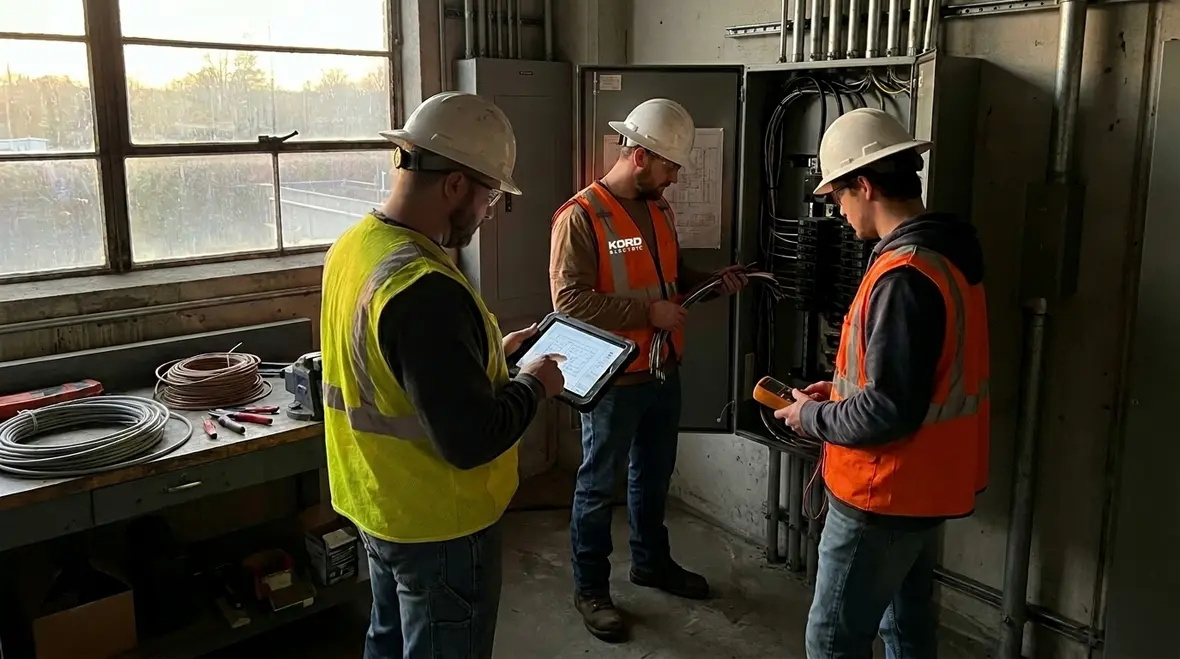
Our expert service staff begins with the client’s details, because patterns beat rumors. We ask when the fault started, what changed, and how the problem shows up. Then we match that timeline to site operations, such as cleaning schedules, tenant loads, HVAC cycling, or a recent equipment replacement. Commercial electrical troubleshooting process work is not about asking more questions for fun. It is about shrinking the possible causes quickly.
Next, we review existing documentation, including panel schedules, one line diagrams, past repair records, and preventive maintenance history. If preventive work was done, we know what “normal” looks like for that facility. If it was not done, we still establish a baseline by measuring today’s condition. Then, we coordinate access so we do not disrupt production or tenant needs. In other words, we troubleshoot like professionals, not like someone replacing a light bulb in a thunderstorm.

Why preventive maintenance makes troubleshooting faster
When you run a disciplined routine, faults give themselves away earlier. In our approach, we support this with preventive maintenance that targets key risks like overheating connections, loose terminations, and equipment wear. In our technicians’ words, “A good inspection turns electrical surprises into electrical notices.”
Our work follows a methodical path. We inspect and test components, look for signs of distress, and track results over time. Over time, that data helps us spot drift, not just damage. That means when a complex commercial fault appears, we already know where the system tends to get stressed.
You can see our preventive maintenance focus here: https://kordelectric.com/electrical-preventive-maintenance/.

We verify symptoms with safe testing and smart measurements
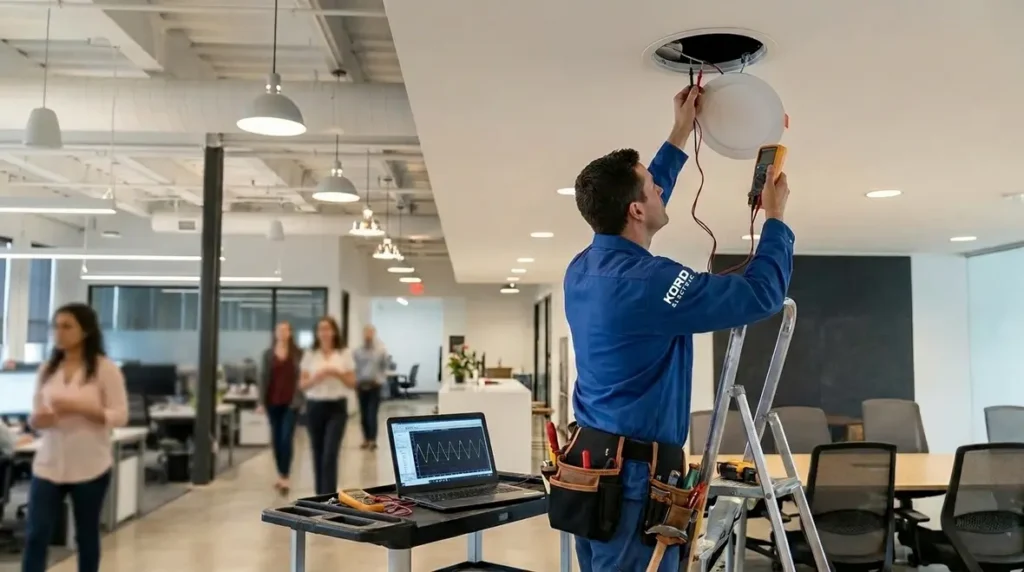
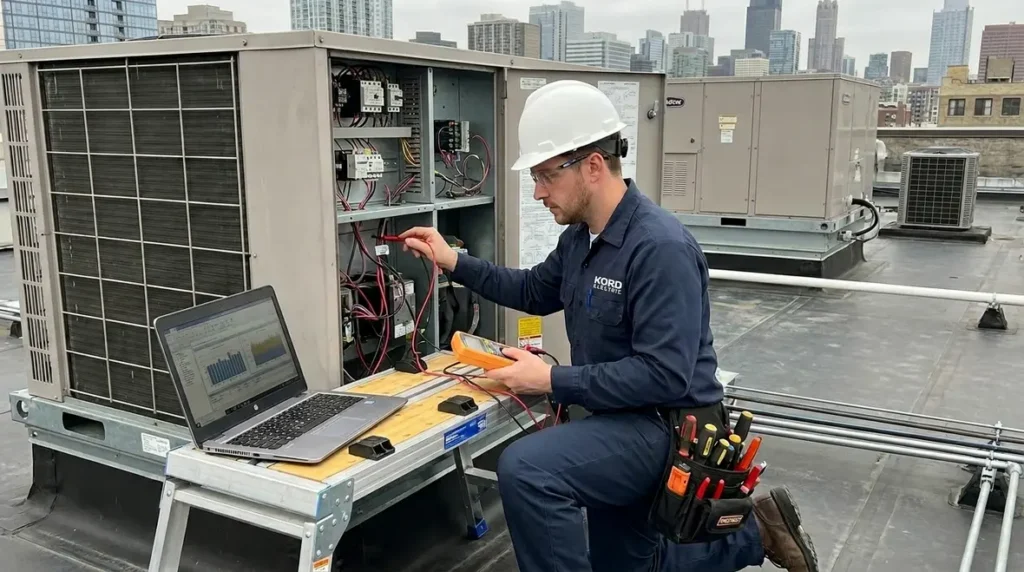
After we gather the story, we confirm symptoms using testing that respects safety and building needs. Then we measure what matters: voltage stability, load behavior, current draw, grounding and bonding checks, insulation condition, and the health of protective devices. We also inspect physical indicators like discoloration, heat marks, unusual odors, or arcing signs. Sometimes the “fault” is obvious once you look with the right checklist.
However, the real value is in separating cause from effect. A breaker trip might look like a control issue, but it can stem from a feeder problem, a load imbalance, or a failing connection. Similarly, a nuisance alarm might connect back to a power quality event. We use measurements to prevent guesswork, because guessing costs money, downtime, and trust. And nobody wants to pay for a workshop that teaches us how not to troubleshoot.
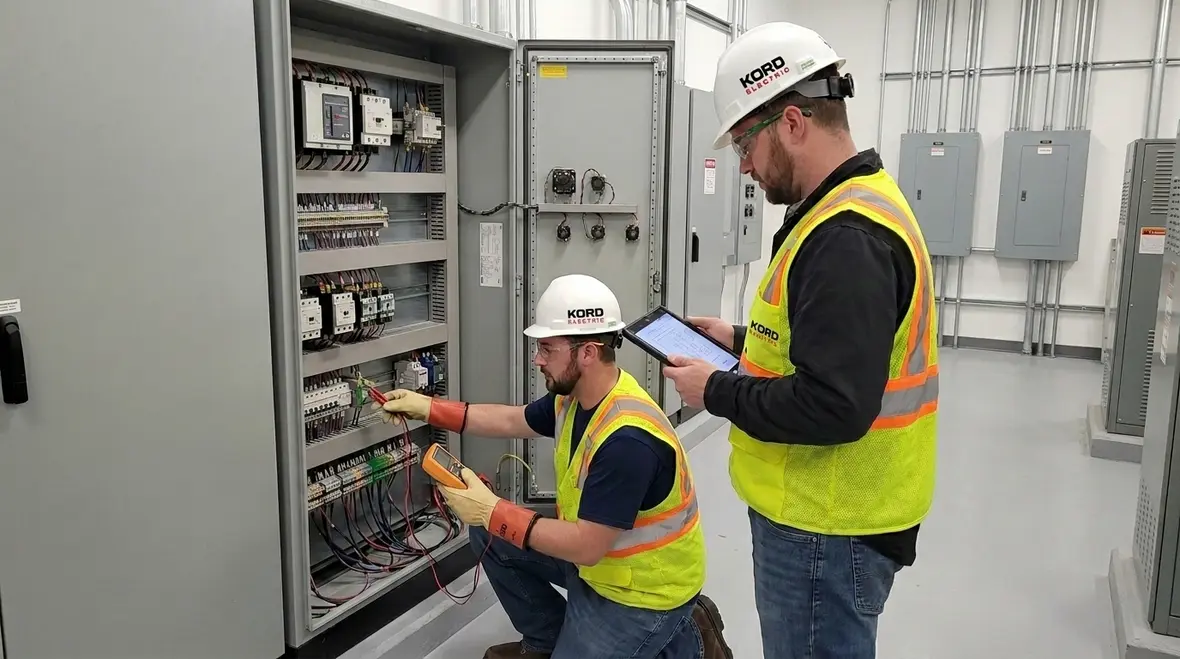
As we test, our technicians explain what they are doing and why. We keep it clear, so facility managers feel informed, not confused. If a reading suggests a specific path, we show the reasoning step by step. That calm transparency saves time, and it keeps the site team aligned.

Tracing the fault through panels, feeders, and loads
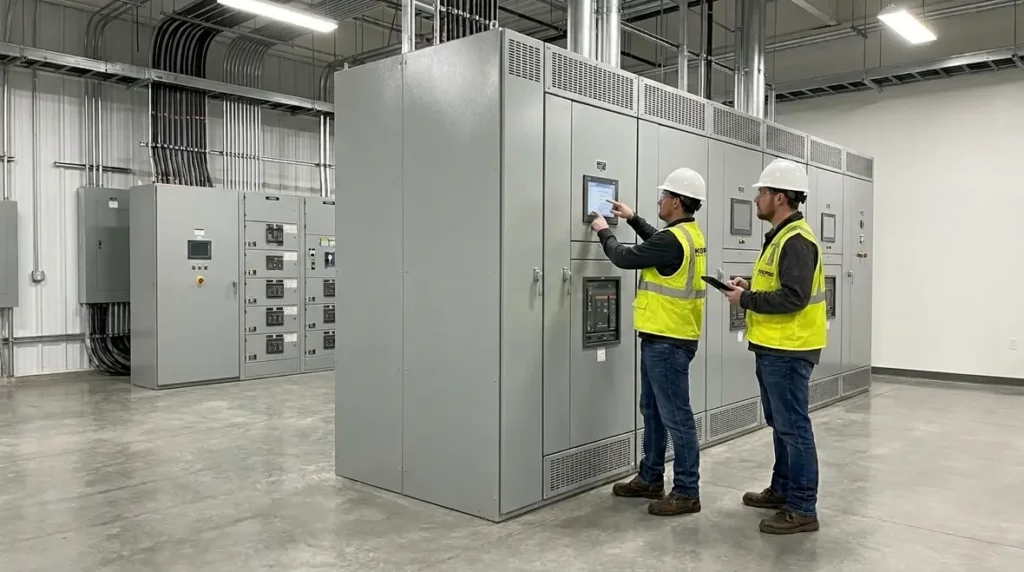
Now we move into the hard part: tracing the issue through the electrical chain. In a major property building, faults rarely live in one place. They travel across panels, transfer switches, UPS systems, branch circuits, and major loads like pumps, chillers, elevators, and lighting panels. Our team isolates sections using safe, planned procedures, and we narrow the fault area without creating new problems.
We start with upstream checks that can reveal systemic issues like phase imbalance, loose bus bar connections, or miswired equipment. Then we move downstream and verify protective device coordination, breaker operation, and load-side behavior. As needed, we test circuits under real conditions so the fault shows up when it is supposed to. This matters because some problems only appear at certain loads, like HVAC start-up or peak kitchen demand.
Throughout the process, our expert service staff uses a disciplined logic chain. If a fault points to a connection, we verify torque and condition. If it points to power quality, we check for harmonics, voltage dips, and unstable supply behavior. If it points to a failing device, we confirm before replacement. In short, we chase the root cause, not the closest symptom.
How we select repairs and prevent repeat failures
Once we confirm the cause, we act with precision. We plan the repair so it fits the facility schedule, and we manage safety steps around energized work where appropriate. Then we use parts and methods that match the system design, not “whatever fits.” We do not trade one risk for another. We repair the issue and restore reliable operation.
After the physical fix, we verify performance again. That means re-testing key readings, checking protective device response, and confirming that the load operates as expected. Then we document results and provide a clear summary for the building team. This is not paperwork for paperwork’s sake. It is a practical tool for future troubleshooting.
Finally, we recommend targeted steps to reduce repeat failures. Sometimes the best action is more inspections in certain panels. Sometimes it is improving load balance or updating maintenance intervals for specific assets. In other cases, it is correcting a wiring pattern that puts strain on components. We explain these recommendations in business terms, because owners and managers deserve clarity without the electrical code lecture marathon.
Keeping your team calm during outages and urgent events
Complex faults usually come with pressure. Lighting goes dark, equipment stalls, alarms start screaming, and someone’s day turns into a live episode of “What Now.” We understand that. So we manage the response in a steady, professional way that limits disruption.
Our technicians coordinate with facility staff, clarify what is safe, and set expectations on timing. Then we communicate progress as we narrow the problem. If we need a shutdown to test or isolate, we plan it, we request the right approvals, and we make sure the site team knows what to expect.
To keep things smooth, we also focus on root cause identification instead of rapid patchwork. That reduces the chance that the same fault returns during the next heavy load cycle. In commercial and industrial facilities, reliability is not a luxury. It is the foundation that keeps operations moving, staff productive, and clients happy.
FAQ
Conclusion: Call Kord Electric before the next fault steals your schedule
When a complex commercial fault hits, you do not need more guesses. You need a calm, methodical team that confirms the root cause and brings the system back to stable operation. At Kord Electric, our technicians run a disciplined troubleshooting approach, coordinate with your staff, and document results so fixes last. If your panels, feeders, or major loads are acting up, contact us today and we will schedule a site assessment. Let us handle the electrical puzzle, so your operation can get back to work.
If you would like to connect your Commercial electrical troubleshooting process with a longer-term reliability plan, explore how our structured electrical preventive maintenance services support ongoing inspections, testing, and documentation across commercial and industrial facilities.
For facilities planning upgrades, repairs, or new installations, our dedicated commercial services such as recessed lighting installation and other industrial and commercial electrical solutions can be combined with troubleshooting and maintenance to build a reliable, future-ready system.