
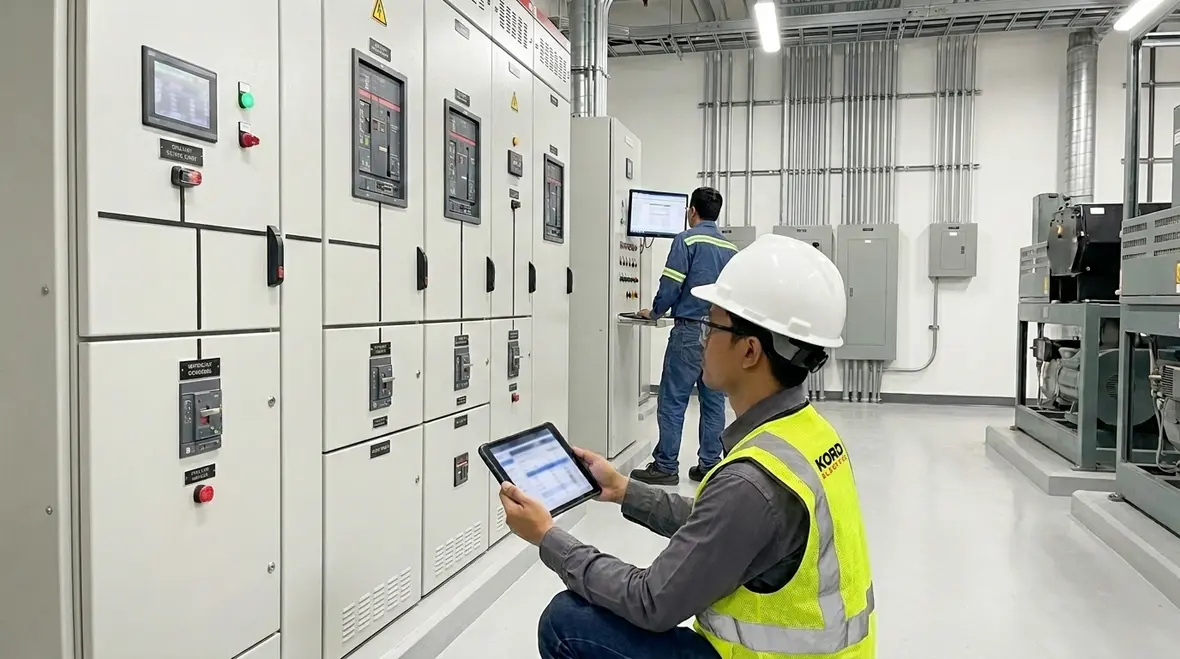
Modern Industrial Power Distribution Design Trends
Kord Electric supports commercial and industrial facilities, along with major property buildings, with practical Industrial Power Distribution Design that stands up to real-world loads, real maintenance schedules, and real downtime pressure. In this guide, we explain the modern trends shaping how high reliability power gets planned, engineered, and built. Then we show how our technicians and expert service staff keep those designs healthy after installation. As we go, you will see the common theme behind today’s best systems: smarter layouts, clearer protection, better monitoring, and safer operations. And yes, we will make it engaging, because power distribution should not put you to sleep faster than your favorite sitcom rerun.
What modern trends drive today’s industrial power distribution layouts?
Modern facilities demand power systems that respond quickly, predict issues, and reduce interruptions. For that reason, Kord Electric follows trends that keep systems simple to operate yet tough enough for heavy use. First, engineers now design for selective coordination, so one problem does not turn into a site-wide outage. Next, we apply modularity, which means you can expand capacity without rebuilding the whole electrical room like it is a kitchen remodel.
Furthermore, modern designs focus on load behavior, not just nameplate ratings. We account for motor starting, variable speed drives, HVAC swings, data center style demand, and other patterns that create stress on busbars, feeders, and breakers. As a result, the Industrial Power Distribution Design becomes a system of balanced paths, not a set of parts that merely fit.
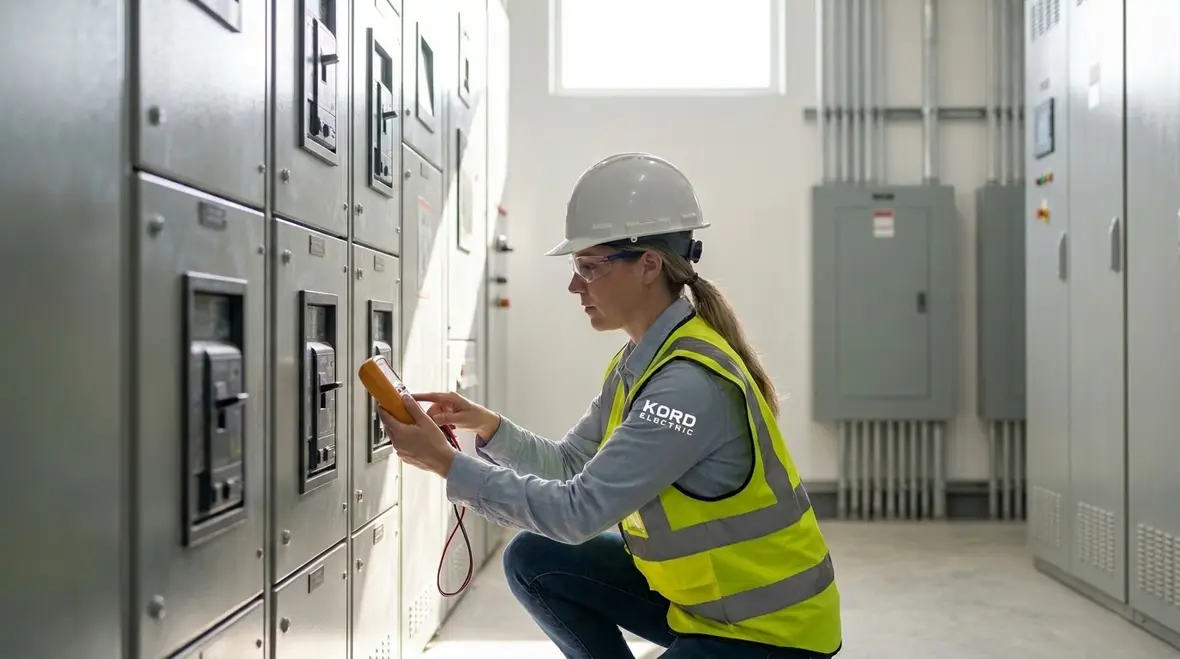
How do smart protection and selective coordination reduce downtime?
In the real world, faults happen. A breaker can fail, a cable can age, a connector can loosen, and a motor can draw more current than it should. However, modern protection schemes aim to isolate only the affected section. Therefore, Kord Electric designs protective devices to work in steps, so the upstream device does not trip when the downstream device can handle the fault.
Additionally, we use advanced relays and monitoring settings that support targeted decisions. Instead of relying on broad rules, our technicians and expert service staff explain how the settings match the site’s equipment and utility interface. Then, during commissioning and later service, they verify the behavior with tests and adjustments. This approach saves time because the system responds as designed, not as guesswork.
And here comes the fun part: protection coordination is like a good security team. You want the right person at the right door, not everyone sprinting at once because someone opened the wrong gate. When coordination works, operations teams stop treating electrical alarms like confetti.
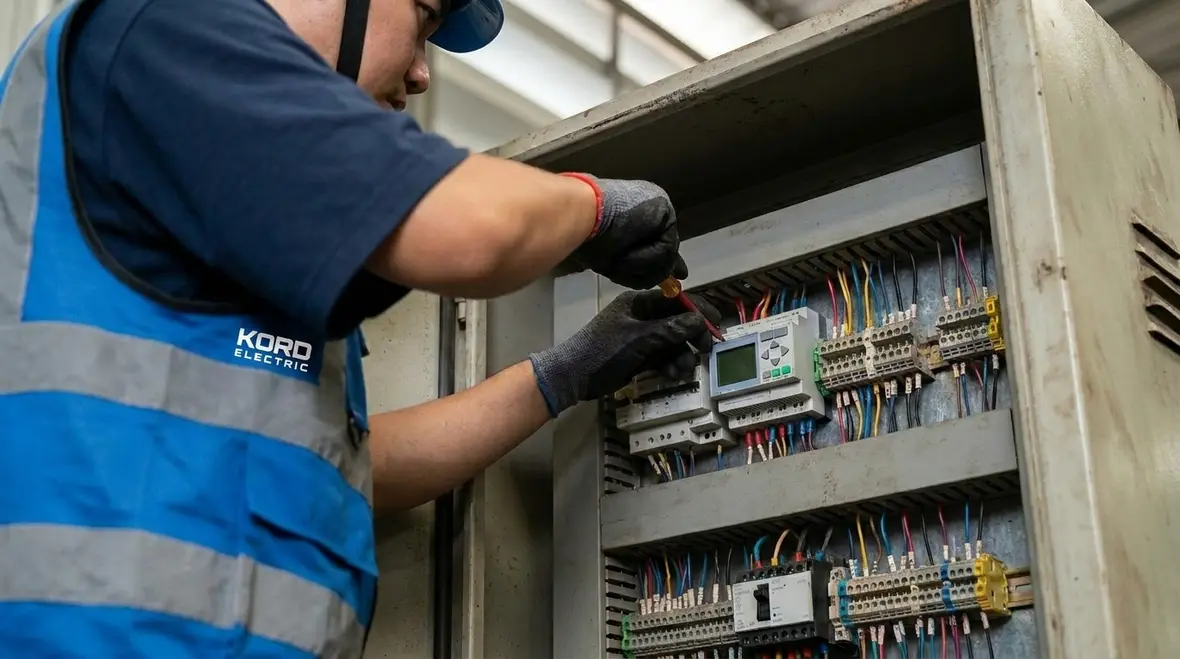
What role does energy efficiency play in distribution design?
Energy efficiency has moved from a “nice-to-have” to a design driver. Modern facilities track cost per kilowatt-hour and demand charges, so losses inside distribution equipment matter. Consequently, Kord Electric encourages designs that lower unnecessary heating and reduce wasted power while staying safe and code compliant.
For example, we consider bus duct sizing, conductor temperature rise, connection quality, and the impact of harmonics from modern loads. In addition, we plan reactive power needs so the system does not carry excess current. That matters for both efficiency and equipment life. Meanwhile, when facilities include many power electronics, harmonics can overheat transformers and neutral conductors if the distribution design ignores it.
Our technicians also help with practical efficiency follow-up. During service visits for commercial and industrial buildings, they review load profiles, inspect terminations, and check that protective settings still match the site’s operating conditions. In other words, efficiency does not end at handover.
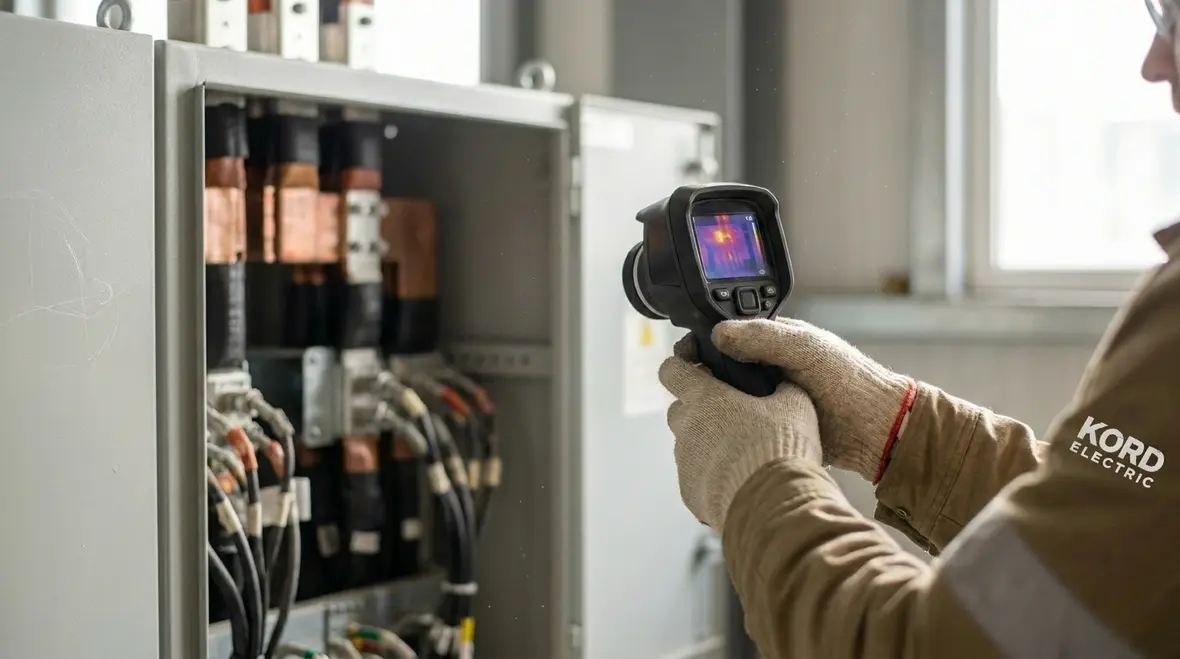
How do we design for future expansion and flexible capacity?
Most major property buildings do not stay “as built” for long. Tenants change, production lines shift, data loads grow, and building uses evolve. For that reason, modern Industrial Power Distribution Design aims for growth without chaos. Kord Electric plans cable routes, feeder paths, and switching arrangements so future tie-ins do not require major demolition.
We often recommend staged construction and space for additional breakers, bus sections, or distribution panels. Moreover, we design for access, labeling, and operating procedures that work for facility teams. Transition planning matters because a “future-ready” system still needs to be safe today.
Our expert service staff supports this trend after installation as well. When new loads arrive, they help confirm that protections, thermal limits, and harmonics assumptions stay within expected ranges. So, instead of discovering constraints after the new equipment goes live, teams avoid costly delays and last-minute work.
Why does monitoring and digital integration matter now?
Monitoring has become a core part of modern distribution design, not a separate add-on. Facilities want insight into what the system is doing, not just what it did during the last outage. Therefore, Kord Electric integrates metering and communication features that help operations teams see trends, detect anomalies early, and plan maintenance with better timing.
For instance, we can provide electrical measurements such as load current, voltage quality indicators, energy usage, and breaker status. Then, when abnormalities appear, the facility can investigate before damage spreads. As a result, the maintenance cycle becomes proactive instead of reactive.
We also make sure integration stays practical. Our technicians explain where monitoring data comes from, how alarms are prioritized, and what actions facility staff should take. That way, dashboards become decision tools rather than expensive screens that nobody trusts. Think of it like getting a weather forecast before you drive into a storm, not after your windshield becomes a souvenir.
For facilities that depend on constant uptime, such as data centers, this monitoring-first mindset pairs naturally with disciplined electrical infrastructure planning. If you are expanding or upgrading your critical systems, you may also find our article on data center electrical infrastructure essentials useful as a companion resource for deeper redundancy and uptime strategies.
What are the latest trends in safety and maintainability?
Safety and maintainability lead every conversation about power distribution. Modern standards and best practices push designers to reduce risk during testing, troubleshooting, and routine maintenance. At Kord Electric, we design with clear separation of functions, better physical access, and safer operating workflows.
First, we improve layout for technicians, so they can reach components safely and efficiently. Second, we use documentation that matches the field reality, including accurate one-lines, panel schedules, and labeling. Third, we support lockout and test practices so teams can work confidently.
Additionally, we focus on maintainability across the system. That includes choosing equipment that allows inspections without shutting down large sections unnecessarily, and designing breaker access and cable terminations to support long service life. Our expert service staff then reinforces these choices during onsite work. They walk facility teams through safe procedures and explain common findings, like early signs of overheating or loose connections.
For many organizations, these safety and maintainability goals are easier to sustain when they are backed by a structured program. If you are building a long-term strategy around inspections, testing, and documentation, Kord Electric’s dedicated electrical preventive maintenance services align naturally with modern Industrial Power Distribution Design so facilities stay reliable year after year.
Dual column view: modern design choices and outcomes
| Modern design choice | What it improves for commercial and industrial sites |
| Selective coordination and staged protection | Targets faults, reduces outage span, and speeds restoration |
| Monitoring and data integration | Helps teams detect issues early and plan maintenance |
| Efficiency minded sizing and power quality planning | Lowers losses and reduces overheating from harmonics |
| Expansion ready switching and feeder strategy | Supports growth with minimal disruption |
FAQ: Industrial Power Distribution Design
Call Kord Electric for modern distribution planning
If your commercial or industrial facility needs a power system that stays dependable as loads change, Kord Electric can help. We design modern Industrial Power Distribution Design that supports selective protection, practical monitoring, and maintainable layouts for the teams who run the building every day. Then our technicians and expert service staff keep the system healthy through commissioning and ongoing service. Reach out today to talk about your electrical room, your growth plans, and the level of reliability your operation needs.
When you are ready to align your Industrial Power Distribution Design with a proactive maintenance and reliability plan, you can also explore how our electrical preventive maintenance programs and broader industrial and commercial electrical services support long-term performance across complex facilities.


