Commercial Electrical Safety Audit for Risk Control
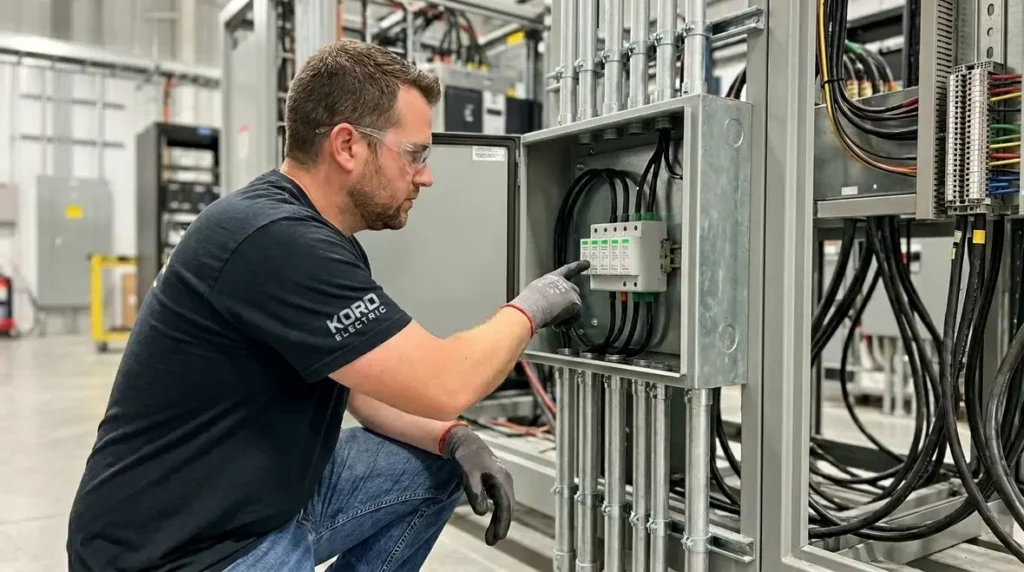
Kord Electric helps business owners run a Commercial Electrical Safety Audit that moves beyond checklists and into real risk control. In our process, we evaluate the electrical systems in commercial and industrial facilities and major property buildings, and we document what we find in plain, business-friendly language. Then our technicians explain the “why” behind each recommendation, so others on the team can act with confidence. In other words, we help you spot problems before they turn into outages, fines, or that awkward meeting no one wants to attend. And yes, we keep the mood professional, even when we discover something that looks like it was installed during a reality show challenge.
What a proactive commercial electrical safety audit should catch early

Others often think an audit only checks for obvious hazards. However, a strong Commercial Electrical Safety Audit aims at the early warning signs that cause bigger failures later. For example, we look for hidden heat buildup, loose connections, missing barriers, and unsafe routing that can degrade insulation over time. Then we connect the dots between electrical behavior and facility risk, like how repeated voltage dips can stress equipment and increase failure rates.
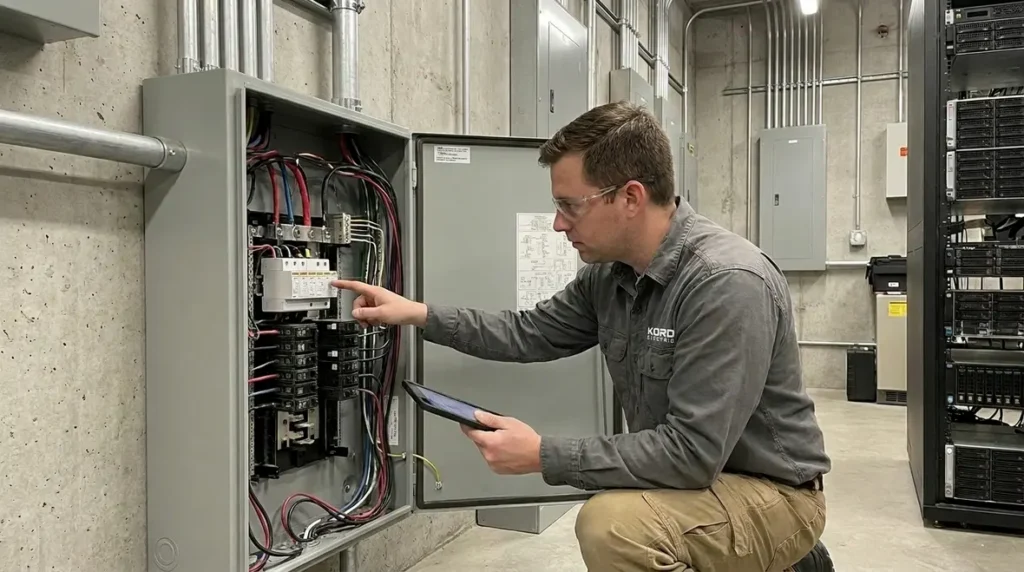
To keep the audit practical, we start with how the building actually operates. Next, we review history such as breaker trips, nuisance alarms, downtime patterns, and any maintenance tickets. After that, our technicians verify conditions in the field, and they explain what their readings mean in a way that fits the way a business owner thinks. If you are the one responsible for protecting people and operations, you should not have to translate electrician-speak into boardroom-speak.
Step by step: how Kord Electric performs an electrical risk walkthrough
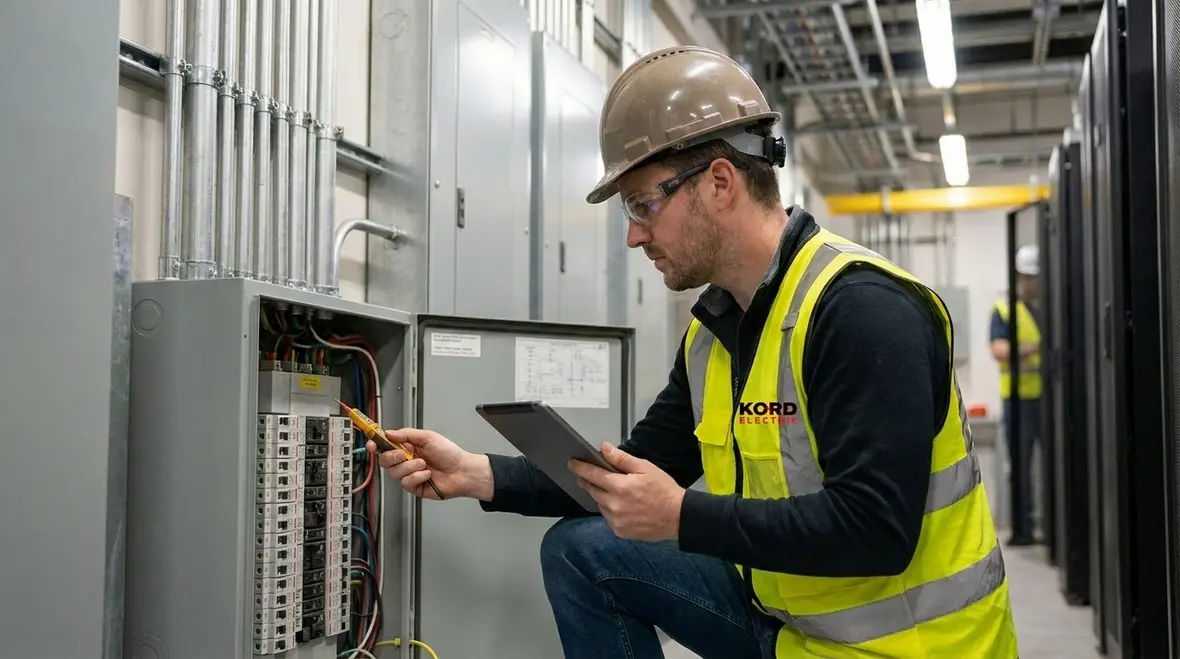
We structure the audit so it stays calm, organized, and useful. First, we coordinate with your site manager to understand operational hours, restricted areas, and any equipment that must remain online. Then we conduct a walkthrough focused on commercial and industrial spaces and major property buildings, including panels, distribution equipment, grounding, emergency systems, and typical work zones.
As we inspect, our expert service staff explains what we test and why we test it. For instance, we verify panel labeling and access control because an energized panel with unclear labeling is basically a “guess what happens next” invitation. Likewise, we assess conductor condition, terminations, and protection device settings because small defects can grow quietly.
- incomplete cover integrity that exposes live parts
- improper spacing that reduces safety margins
- grounding and bonding issues that affect fault clearing
- signs of water intrusion or contamination near electrical gear
At this stage, we do not just point out issues. Instead, we categorize them by urgency, impact, and likelihood, so your team knows what to fix first and why it matters to safety and uptime.

Voltage swings, equipment stress, and the safety link owners miss
Many owners focus on outages, but the quieter problem is often the voltage instability that slowly pushes equipment beyond its comfort zone. Kord Electric supports this approach with our guidance on voltage fluctuations in commercial and industrial environments. When voltage fluctuates, motors run hotter, drives behave erratically, and sensitive loads may experience shortened life spans.
Moreover, voltage issues can increase fault events. For example, if protection devices react differently during abnormal voltage conditions, they may trip more often or fail to respond as expected during stress. As a result, you can see more alarms, more downtime, and more “mystery” service calls.
That is why our audit ties electrical readings to real operational outcomes. Then our technicians help others understand the practical risk: you are not just measuring electricity, you are protecting people, production, and the schedule that keeps tenants, staff, or customers satisfied.

Turn readings into decisions: prioritizing fixes that reduce risk fast
After fieldwork, we convert data into a decision-ready plan. First, we separate hazards that require immediate attention from concerns that can be scheduled. Next, we assign risk levels that consider both safety and operational impact, including fire risk, shock risk, and probability of failure. This approach keeps the audit from becoming a binder on a shelf, like that expensive manual no one reads until the warranty is gone.
Then we outline recommended actions in business terms. We also include what we need from your team, such as access coordination, shut down windows, or documentation of equipment changes. If you manage a major property building, you already know that logistics can be harder than the fix itself, so we plan for it.
- Immediate safety hazards, such as exposed live parts or damaged enclosures
- Near term reliability risks, such as overheating evidence or aging components
- Planned improvements, such as labeling upgrades, tightening routines, or structural housekeeping
Finally, we help you build a maintenance rhythm. In our experience, the best time to improve electrical safety is before small issues turn into expensive replacements and stressful emergency calls. For longer-term programs, many facilities also explore structured electrical preventive maintenance services that extend the value of a Commercial Electrical Safety Audit.
How to prepare for the audit without slowing your operations
Preparation is where owners can win time and reduce hassle. To start, we ask for a quick list of what the building runs, where sensitive equipment sits, and which areas are restricted. Then we request any panel schedules, one line diagrams, recent test results, and history of recurring faults or breaker trips.
Next, we coordinate with your maintenance team on safe access points. Since Kord Electric focuses on commercial and industrial facilities and major property buildings, we work around common constraints like tenant access, loading dock schedules, and critical uptime windows. If a facility has strict hours, we align our work to minimize disruption.
As part of preparation, we also encourage owners to appoint an internal point person. That person can help others escort our technicians, confirm operating conditions, and answer questions on how equipment behaves during normal shifts.
Quick tip, straight from the “we have seen everything” playbook. If your facility staff cannot clearly explain how power gets distributed to major loads, do not worry. We will find it. But the sooner you gather what you already know, the smoother the audit becomes.
What reports should include for a real commercial electrical safety program
A useful audit report does not bury results in jargon. Instead, we deliver findings with clarity and practical direction. First, we describe what we observed, then we explain the hazard or reliability concern, and we connect it to likely outcomes such as overheating, reduced protection effectiveness, and premature equipment aging. Then we recommend next steps with an urgency level and rough scheduling guidance.
We also include documentation that supports ongoing safety efforts. This may cover
- photos or clear descriptions of conditions found
- test results and what they indicate for safe operation
- recommended corrective actions with priority levels
- notes for maintenance planning and retest suggestions
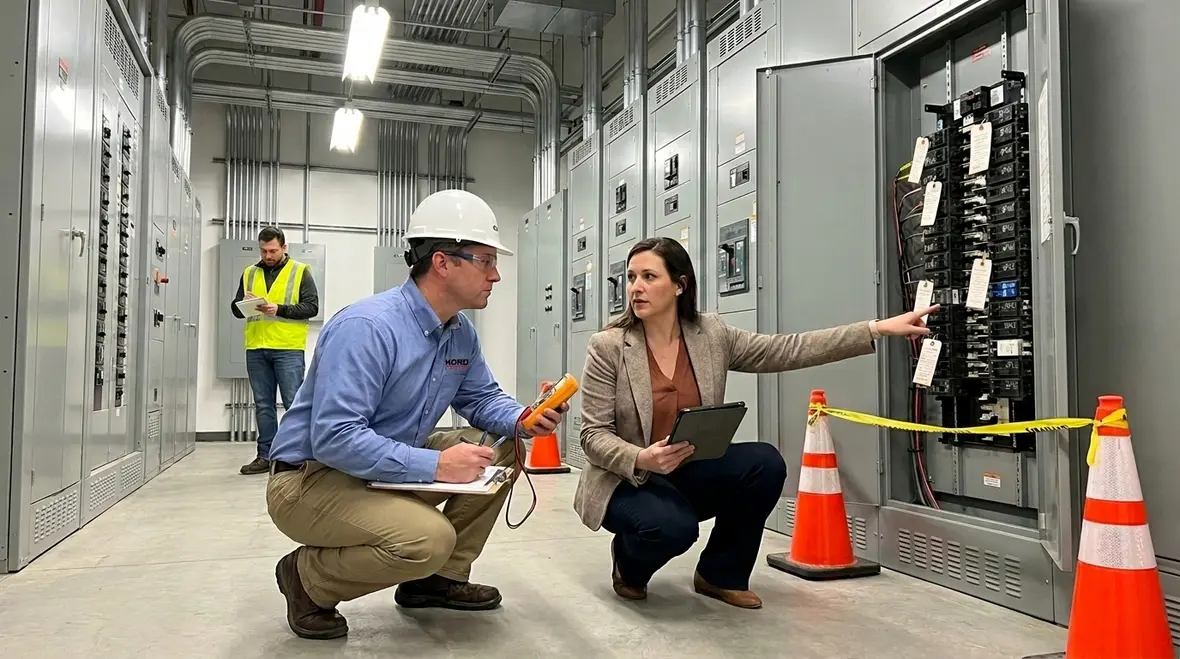
Equally important, we make room for ownership. That means our technicians explain the report so other team members understand it without needing a second translation layer. If you have a facilities manager, a safety lead, or an operations director, we walk through the findings together and we answer questions on the spot.
FAQ about Commercial Electrical Safety Audit
Ready to reduce risk before it becomes an emergency
If you operate a commercial or industrial facility or a major property building, you cannot afford to wait for the next alarm, outage, or “why did that happen” conversation. Kord Electric conducts a proactive Commercial Electrical Safety Audit that helps you find hazards early, prioritize fixes, and protect people and equipment with a clear plan. Call us to schedule an audit and get a report your team can act on immediately. Let us do the heavy lifting, while you keep the building running smoothly.
For facilities that want ongoing support beyond a single Commercial Electrical Safety Audit, Kord Electric also offers structured electrical preventive maintenance services and responsive emergency electrical services. Together, these services help you control risk before it turns into costly downtime.