
Commercial Electrical Systems Components Design Maintenance Safety
At Kord Electric, we help major property owners and commercial and industrial facilities run on reliable power. In this guide, we lay out Commercial Electrical Systems: Components, Design, Maintenance & Safety in plain business terms, so you can plan confidently. Then, we walk through how modern buildings use switchgear, distribution, grounding, backup power, and protection devices to keep operations steady. Our technicians and expert service staff also explain the “why” behind each decision, because nobody should feel like they are reading an electrical code manual written by a ghost. After all, the goal is simple: power that performs when it has to, not power that performs only during inspections. And yes, we will keep the jokes light, because safety matters more than comedy.
What a commercial electrical system really does in a building
In a commercial and industrial setting, the electrical system does more than “bring power in.” It controls how electricity moves through the building, how it responds to faults, and how it supports the loads that keep tenants, staff, and production running. For example, lighting, HVAC controls, elevators, security systems, process equipment, and data infrastructure all pull power differently. Therefore, a strong Commercial Electrical Systems: Components, Design, Maintenance & Safety plan matches the electrical design to the building’s real load profile, not just a rough estimate from a previous project.
Moreover, the system must handle change. Tenants remodel. Equipment gets replaced. Production schedules shift. Consequently, we build with growth in mind, using design choices that make upgrades safer and less disruptive. Our technicians often describe it like building a road network. If you design for one car, it might work. If you design for buses, delivery trucks, and emergency vehicles, you win the long game. And unlike traffic, electricity cannot “slow down a little.” It either functions or it fails.
Key components that keep commercial power dependable
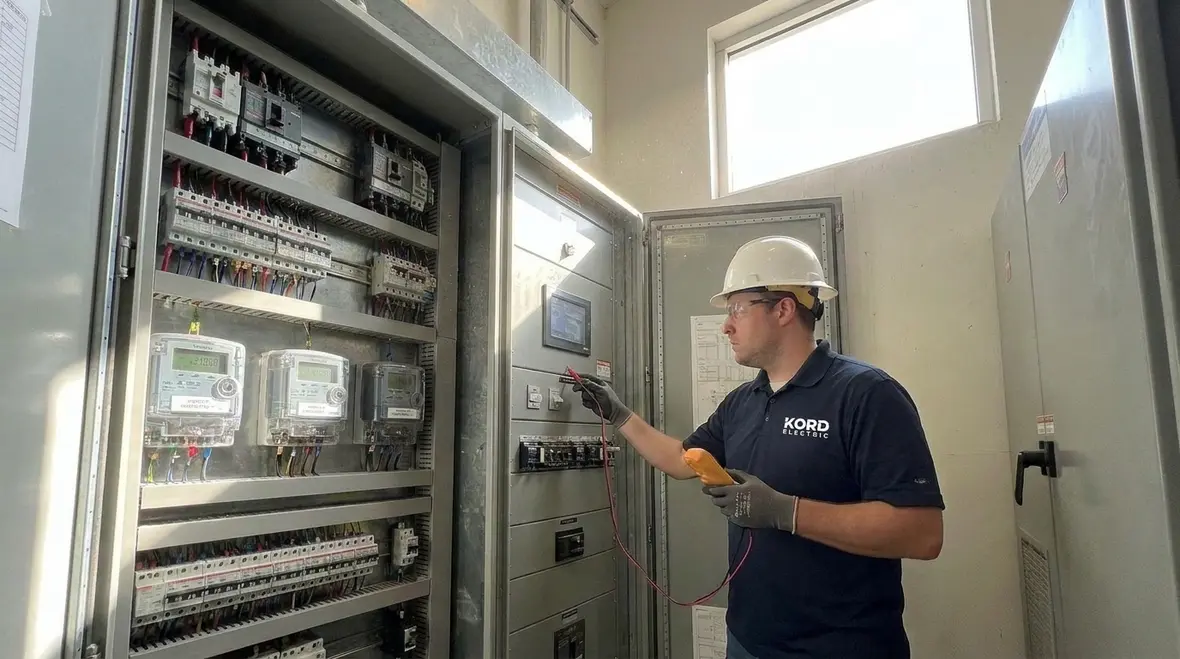
A modern building relies on a full chain of components, and we treat the chain as one system. Start at the service entrance, then move through distribution, then into final circuits and specialized equipment. At each step, protection and monitoring must work together.
- Service entrance and metering: We help facilities receive utility power correctly and measure usage accurately, so billing and operations stay aligned.
- Switchgear and distribution panels: These route power, allow safe isolation during maintenance, and support selective coordination so one fault does not take out everything. For a deeper dive on how these systems support today’s buildings, many facility teams also review Kord Electric’s insights on commercial electrical systems for modern buildings as a companion resource.
- Transformers: Where needed, they match voltage levels for efficiency and stable operation.
- Branch circuit protection: Breakers, fuses, and protective devices help prevent damage during overloads and short circuits.
- Grounding and bonding: These reduce shock risk and stabilize system behavior during faults.
- Emergency and standby power: Generators and transfer equipment protect life safety systems and critical operations.
- Power quality equipment: In some facilities, we add surge protection and quality devices to reduce equipment stress from spikes and disturbances.
As our expert service staff explains during site reviews, the most common failures usually show up as hidden weaknesses. A loose connection, a aging breaker, or an outdated protective setting can cause symptoms that look random at first. However, with good documentation and regular testing, we find those weaknesses before they become a production shutdown. That is the difference between reacting and managing.
How we design commercial electrical systems for modern buildings
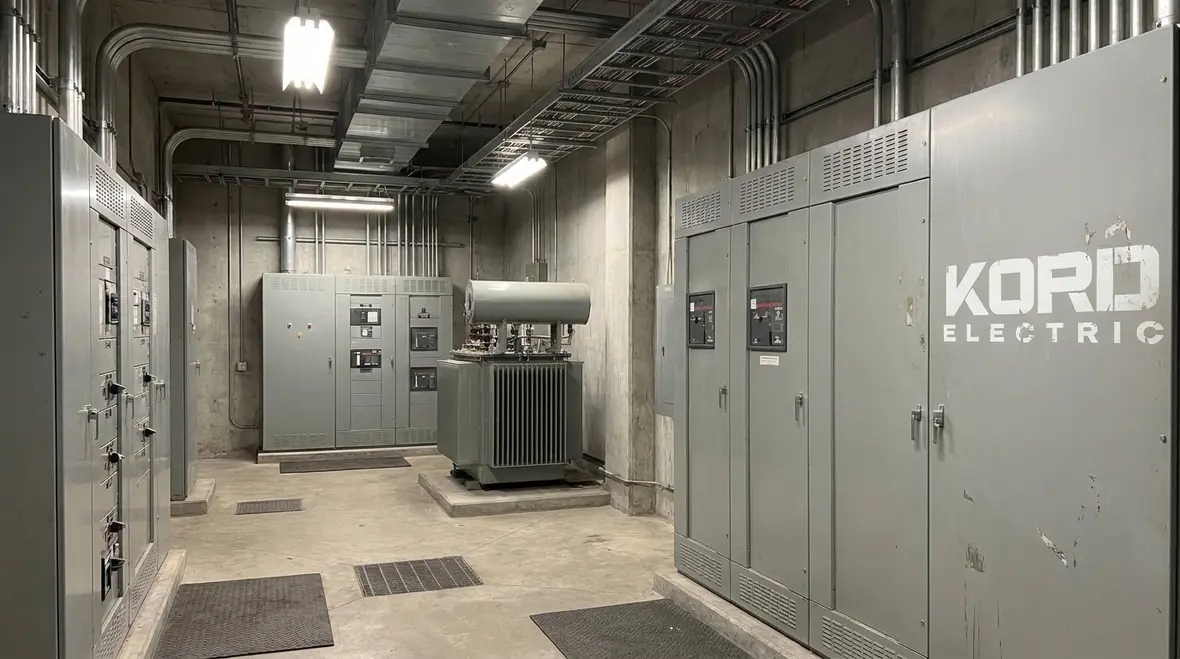
When we design for a major property building, we do not treat the project as “install the parts and move on.” Instead, we create a coordinated electrical plan that supports current needs and future changes. We also design with safety and code compliance in mind, because commercial and industrial environments cannot afford guesswork.
First, we review utility service availability, voltage levels, and available fault current. Then, we map loads and categorize them by criticality. Next, we coordinate protection so the system isolates the faulted area instead of shutting down entire floors or wings. This matters in hospitals, data heavy offices, logistics buildings, and manufacturing plants, where downtime costs real money.
At the same time, we address system layout. We consider routing, accessibility, and separation from sensitive systems. We also plan for efficient cable sizing and safe heat dissipation, because overheated conductors do not deliver “maybe next week” performance. Furthermore, we build in clear labeling and documentation, so maintenance teams can work safely without playing electrical detective.
For our clients, we explain decisions in plain language. For instance, if we recommend upgrades to protection settings, we tell you what changes, why it matters, and what benefits you can expect during real operating conditions. If you have ever watched a superhero movie where someone flips a switch and everything works, you know the fantasy. We deliver the practical version, with testing and verification behind it.
Maintenance that prevents shutdowns, not just repairs after trouble
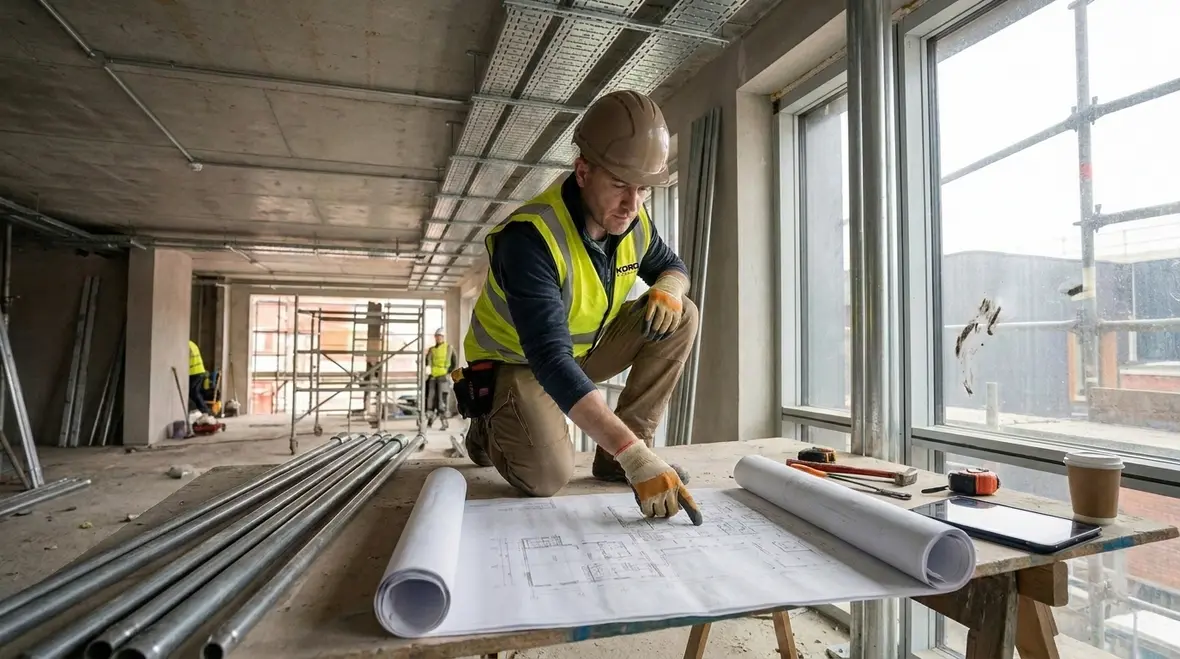
Maintenance is where Commercial Electrical Systems: Components, Design, Maintenance & Safety stops being a phrase and starts being a strategy. We help commercial and industrial facilities avoid sudden failures by focusing on the things that degrade over time: connections, breakers, insulation, and control devices.
Because every building runs on different schedules, we tailor a maintenance plan. We also coordinate work so it does not interrupt critical operations. Our technicians often start with a careful inspection and then move to targeted testing. We check torque on terminations, evaluate breaker condition, examine busbars, and verify grounding integrity. We also review system records, so the maintenance history informs what we do next.
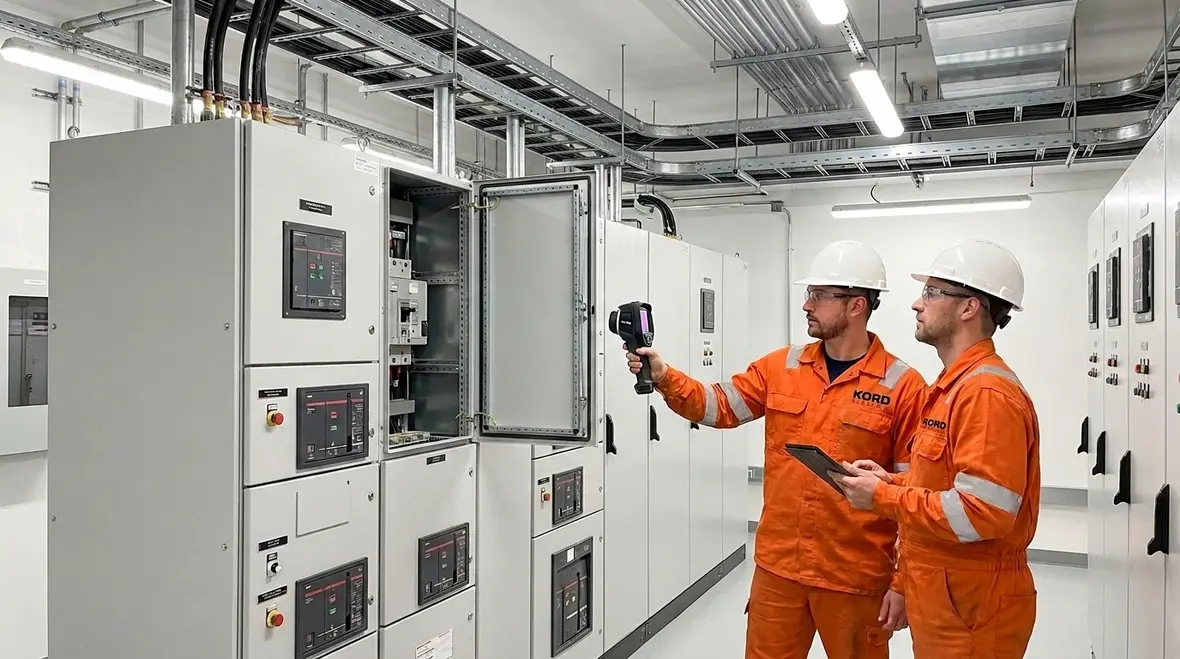
In many facilities, we include infrared scanning to identify hotspots early. We also test emergency systems and transfer switches to confirm they function when you need them. Then, we document results so stakeholders can make clear decisions. In short, we shift maintenance from “something broke” to “something is changing.”
Here is a helpful analogy our team uses: imagine your facility’s electrical system as a well worn sports car. If you only change the oil after a warning light turns red, you already paid the price. On the other hand, if you follow a measured schedule, the car stays dependable and the engine stays healthy. That same principle applies to commercial and industrial power distribution.
Safety practices that protect people, equipment, and operations
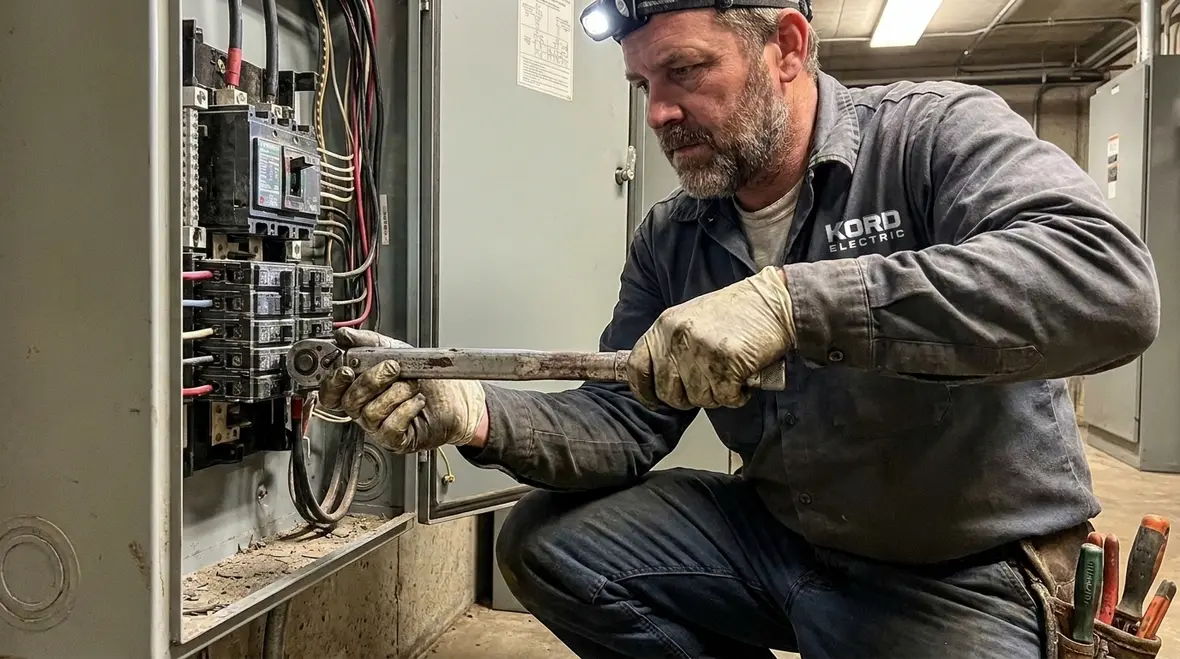
Safety in commercial electrical systems is not a slogan. It is a set of procedures and decisions that reduce risk. We help facilities control hazards through proper installation, safe work practices, and ongoing verification of protective systems.
First, we focus on safe isolation. Our technicians use correct lockout and tagout practices so energized parts stay out of reach. Then, we verify test equipment is calibrated and that procedures match the system type. We also ensure pathways for egress and working clearances stay safe, because cramped work spaces create real danger.
Next, we pay attention to labeling and documentation. When someone can identify circuits and equipment quickly, they work faster and safer. Also, we ensure grounding and bonding systems remain intact, because during a fault, those paths help control the electrical behavior. Additionally, we verify emergency and life safety systems so they do not rely on luck.
Our expert service staff explains safety steps before we do the work. We tell you what we will test, what we will observe, and how we will confirm results. That way, building teams stay informed and can plan around any temporary operational adjustments. Think of it as a calm pilot briefing before takeoff, not a rushed airport sprint.
Common issues we see in commercial and industrial facilities
Even well maintained buildings can face electrical issues as equipment ages and operating conditions change. We see patterns, and we use them to guide inspections and upgrades.
- Aging breakers and protection settings: Protective devices may lose reliability, or settings may drift from safe coordination.
- Loose connections: Over time, heat and vibration can weaken connections, causing arcing risk.
- Undersized feeders: Some facilities add loads without fully updating distribution, which increases overheating potential.
- Power quality problems: Voltage spikes and harmonics can stress sensitive controls and drive nuisance trips.
- Inadequate emergency testing: Transfer equipment and standby systems can fail quietly until an actual event occurs.
- Outdated documentation: Teams struggle during troubleshooting when one-line diagrams and labels do not match reality.
When we find these issues, we do not just point out the problem and walk away. We explain the impact on operations, safety, and compliance. Then, we recommend practical steps to address the risk. Sometimes that means targeted repairs. Other times, it means planned upgrades that improve reliability. Either way, we align our recommendations with what major properties and industrial operators can realistically execute, without turning downtime into a recurring hobby.
For facility teams building a broader reliability strategy, it can also help to connect these upgrades with a bigger uptime plan. Many decision makers pair this guide with resources like Kord Electric’s coverage of commercial electrical system uptime for critical facilities or their emergency power for business continuity design work, so the same patterns of disciplined design, testing, and documentation extend across the entire portfolio rather than one project at a time.
FAQ about Commercial Electrical Systems: Components, Design, Maintenance & Safety
Ready to strengthen your electrical reliability with Kord Electric
If you manage a commercial or industrial facility or a major property building, you already know the cost of electrical downtime and the stress that comes with it. Kord Electric helps you plan, maintain, and improve power systems with clear explanations from our technicians and expert service staff. If you want a practical path toward safer operations and fewer surprises, contact us today for a site discussion. We will review your needs and recommend next steps you can execute with confidence.
For organizations across Los Angeles County and surrounding regions, that next step often includes partnering with a specialized team that understands local conditions, code requirements, and the realities of keeping commercial and industrial buildings online. Many facility leaders start by reviewing regional options such as Los Angeles County commercial electrical services and then mapping that support to specific projects, from preventative maintenance to system upgrades.
Whether you are planning a retrofit, a new build, or a series of phased improvements, treating Commercial Electrical Systems: Components, Design, Maintenance & Safety as one connected strategy pays off. It keeps your teams safer, your operations steadier, and your long-term capital plan easier to manage.


