Commercial Electricity Meter Installation Requirements Process
Commercial Electricity Meter Installation: Requirements & Process for Business Buildings
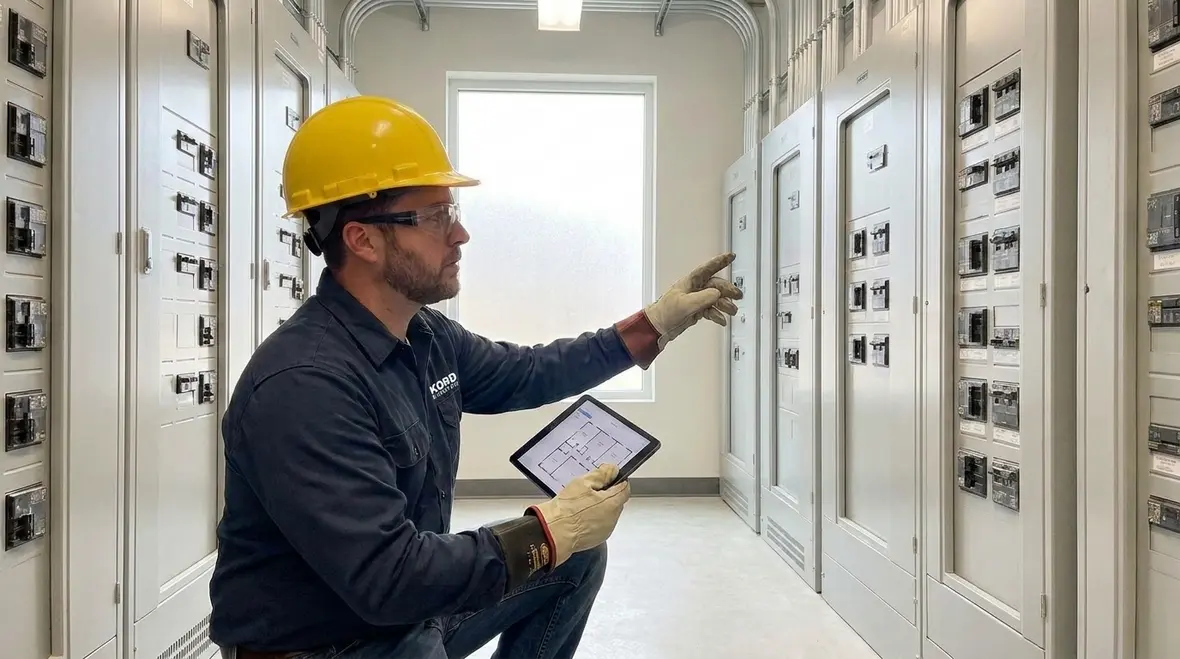
Commercial electricity meter installation starts with a clear plan, because a business does not get to pause operations while we figure things out. At Kord Electric, we handle requirements and the Commercial Electricity Meter Installation: Requirements & Process from the first site visit to the final testing and documentation for commercial and industrial facilities, as well as major property buildings. First, our technicians verify the existing metering setup, confirm service size, review utility rules, and map the safest wiring path. Then, we coordinate scheduling so power stays stable and downtime stays minimal. Finally, we test the new meter readings, seal connections, and explain what changed in plain language. In other words, we do it carefully, we do it on time, and we make sure your team understands the results, even if they do not want to read the manual.
For building teams planning broader electrical upgrades, metering often fits into a larger strategy. If you are exploring how smarter measurement supports long term planning, our dedicated guide on smart meter installation for commercial buildings walks through how better data helps facility and finance leaders manage real-world loads instead of guessing from monthly bills.
Why businesses choose a pro meter install instead of “DIY engineering”
Some people treat metering like assembling a coffee maker. They watch a video, grab a toolkit, and hope the power gods are in a forgiving mood. For commercial and industrial sites, that approach can create billing errors, safety risks, and compliance headaches. We install commercial meters for the long haul, and we expect the system to work under real load conditions, not lab conditions.
Also, meter work touches more than a single device. It connects to current transformers, potential circuits, enclosures, pull boxes, and sometimes demand response related equipment. Therefore, our team follows the utility and safety standards that govern commercial meter changes. When our expert service staff explains the work, we focus on what impacts your operation: accurate consumption tracking, reliable demand measurement, and stable reporting for your finance and facilities teams.
Transitioning from “who can install this” to “who can install this correctly” matters. After all, incorrect wiring can misread usage, and that can echo through invoices for months. We do not let that happen.
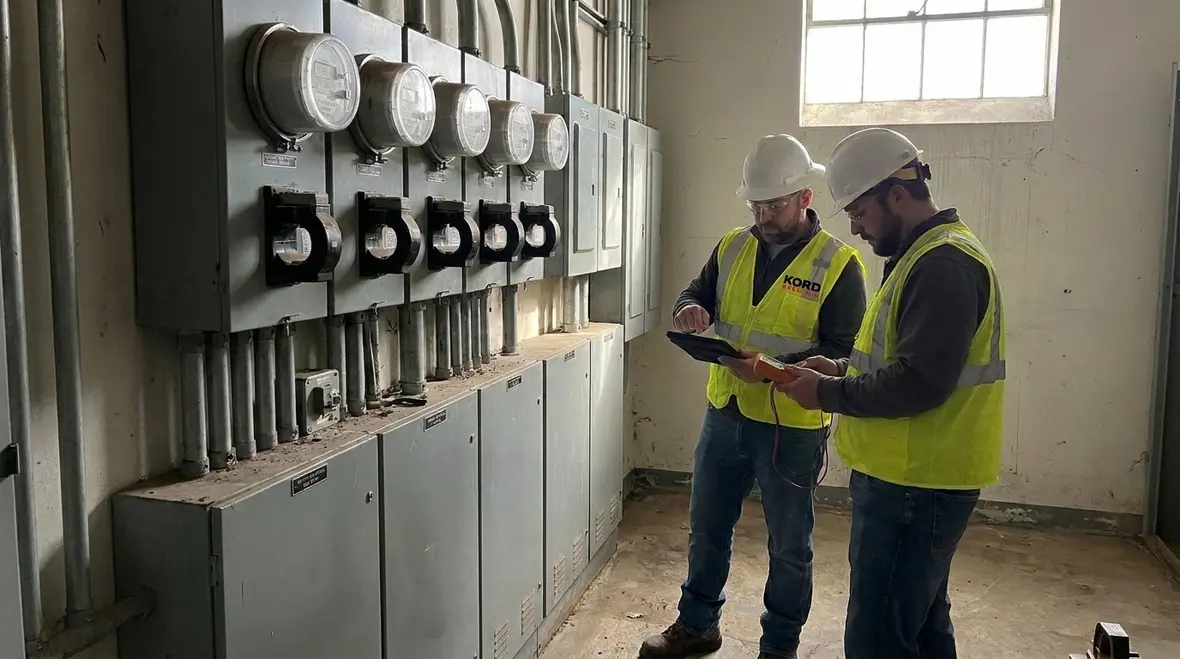
Commercial meter installation planning: site walk, load details, and layout
Before we touch a wire, we plan the installation like it affects your building, because it does. Our technicians begin with a site walk and identify the meter location, access route, equipment clearances, grounding details, and any existing metering components. Next, we confirm the electrical service rating and expected load profile, including large motors, HVAC systems, process equipment, and seasonal demand changes common in industrial spaces.
Then we check the metering layout. If your building shares infrastructure across tenants or floors, we pay extra attention to how feeders and metering points relate to your distribution system. Meanwhile, if you already have a meter cabinet, we verify condition, labeling, and whether the enclosure meets current requirements for commercial use.
At this stage, we also discuss timing. Utility scheduling and inspection windows can make or break a project. Therefore, we build a calendar that supports your operation. We plan so your team does not feel like they are starring in a late season episode where nobody can find the right part.
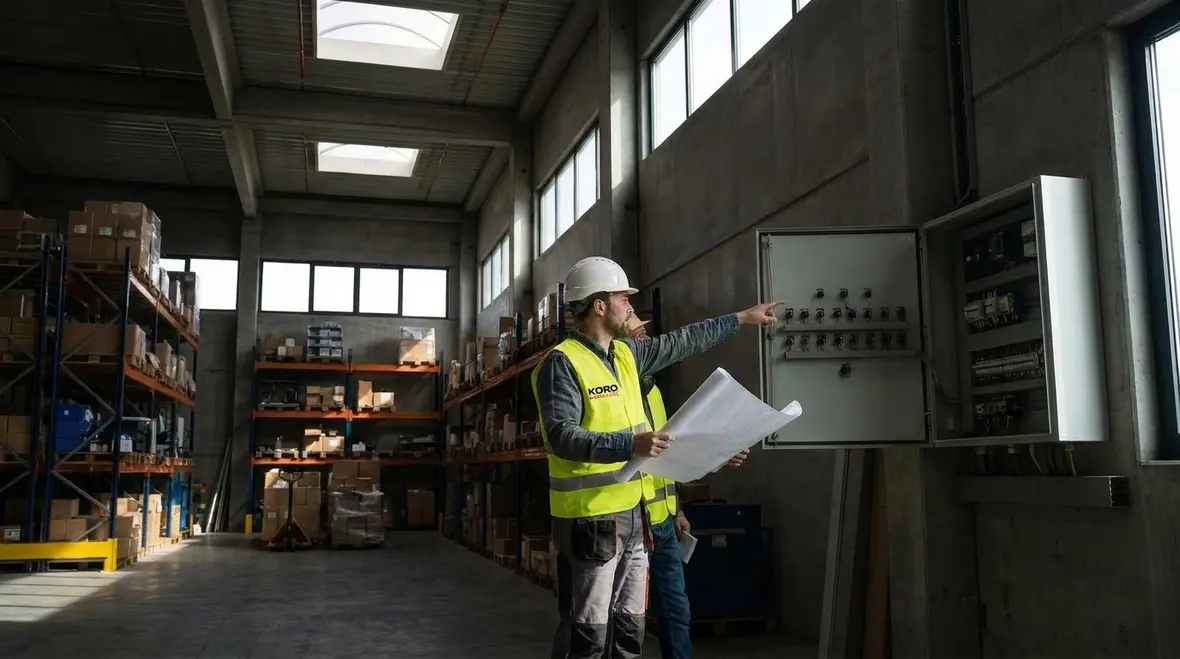
What our technicians check before installation day
When our expert service staff leads the process, we check for the details that usually fail in hindsight. First, we verify that the service and meter type match the utility’s approved configuration for your facility. Next, we confirm wiring and protection devices, including appropriate fusing, disconnects, and conductor ratings for the metering circuit.
We also evaluate grounding and bonding. Proper grounding supports stable measurements and safe operation. Then, we inspect enclosure condition, cable routing, and labeling so maintenance crews can work confidently later. In addition, we review whether the installation needs upgrades to match modern metering practices for commercial and industrial buildings.
Finally, we align on documentation needs. Many major property buildings require clear records for property management, audits, and future upgrades. We create a clean trail of what we installed, how we tested it, and what the utility accepted. Because one day, someone will ask, and we prefer the answer to be straightforward, not a scavenger hunt.

Dual-column support: requirements vs process steps
Commercial Electricity Meter Installation: Requirements
- Utility approved meter configuration for your service type
- Safe enclosure and wiring layout for commercial access needs
- Verified grounding, bonding, and protection device suitability
- Clear documentation for property management and audits
- Scheduling alignment for utility coordination and inspection
Installation Process We Follow
- Site walk and load data review with your facilities team
- Pre install checks on components, labels, and circuit paths
- Meter and wiring install with controlled power handling
- Testing for accuracy and stable reading verification
- Final handoff with explanation of what changed
Step by step: how we install, test, and verify accuracy
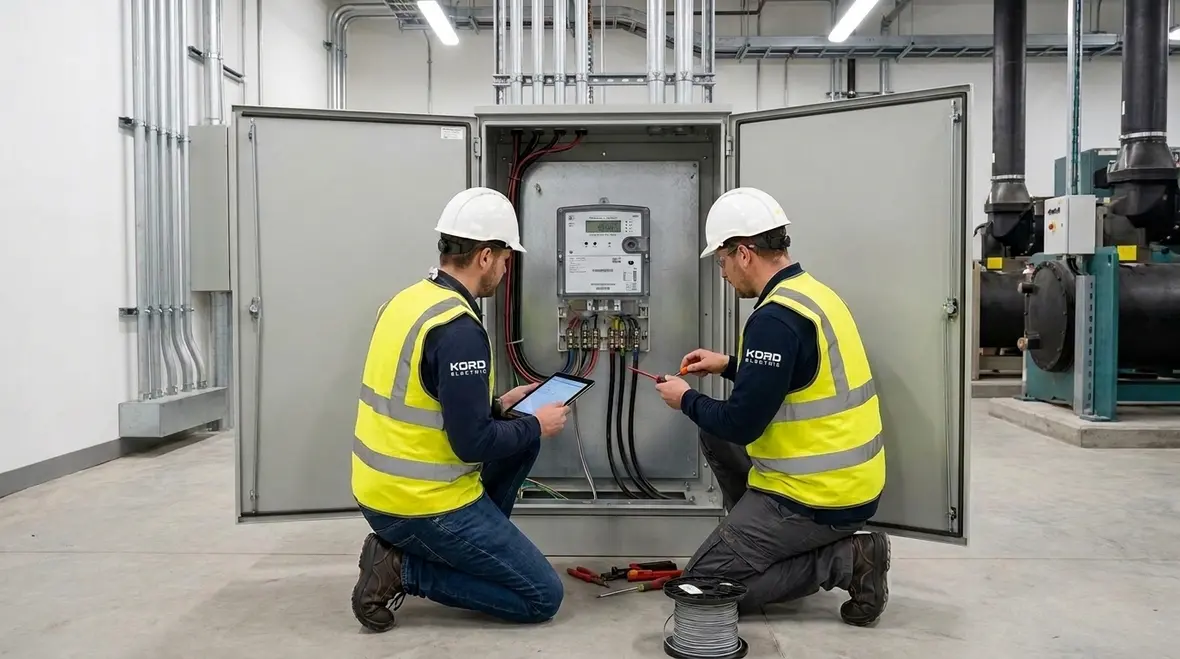
On installation day, our technicians work in a calm, disciplined flow. First, we isolate and verify the circuit where required, so the work stays safe and predictable. Next, we install the meter components and connect conductors to the correct terminals. If the project involves current transformers, we handle polarity and routing with extra care, because meter accuracy depends on it.
Then we focus on quality checks. We review torque on terminations, confirm wire routing and strain relief, and ensure the enclosure is sealed properly. After that, we run tests to confirm readings and communication where applicable. Therefore, we validate that your meter output matches the expected operational profile, not just that it “powers on.”
Once verification completes, we coordinate final acceptance steps. We ensure the meter is ready for ongoing service, and we provide a clear explanation to your team. We do this because most facility managers do not need a lecture. They need confidence. And yes, we keep our jokes light, like a helpful sitcom character, because the last thing anyone needs is a stand-up set during an outage.
Smart metering for commercial buildings: what changes and what stays the same
Many business owners want better insight, faster reporting, and improved visibility into demand and usage. If you are exploring smart meter installation for commercial buildings, the core goal stays the same: reliable measurement that your utility and your internal systems can trust.
However, smart metering can add layers of capability. It may support more frequent reads, clearer usage trends, and communication pathways that reduce manual handling. Meanwhile, the installation still must follow strict safety and wiring rules. Therefore, our approach stays consistent: we plan well, we install carefully, and we test thoroughly.
From the Kord Electric blog, we explain smart meter installation for commercial buildings in a way that focuses on practical realities, not buzzwords. We emphasize what your team will experience on site, how we handle coordination, and why verification matters. In short, we make the change understandable. Others throw jargon at the wall and call it “customer education.” We prefer results, then clarity.
FAQ: Commercial meter installation quick answers
Commercial meter installation done the right way, with Kord Electric
If you manage a commercial or industrial facility, you do not need guesswork around your metering system. With Kord Electric, we provide a structured Commercial Electricity Meter Installation: Requirements & Process that prioritizes safety, accuracy, and smooth coordination with your utility and property schedules. Our technicians handle the install, our expert service staff explains what we did and why, and we verify readings so your team can trust the data. Reach out today to schedule a site visit and get a clear plan for your next meter upgrade.
For many facilities, meter work is just one part of a broader reliability plan. If you are mapping out future projects, our cross-functional services across Los Angeles County electrical services for commercial and industrial buildings help align metering changes with upgrades to panels, distribution, and emerging loads like EV charging, so the entire system moves forward together instead of in isolated pieces.
As you look ahead to modernization, consider how accurate metering supports everything from energy management to long term infrastructure planning. When you are ready to connect Commercial Electricity Meter Installation: Requirements & Process with a bigger roadmap for your property, our team can link meter work with documentation, upgrade strategies, and future smart-building projects so each step supports the next.