Commercial Lighting Installation: Planning and Best Practices
Commercial Lighting Installation: Planning, Requirements & Best Practices for Facilities That Need to Pass
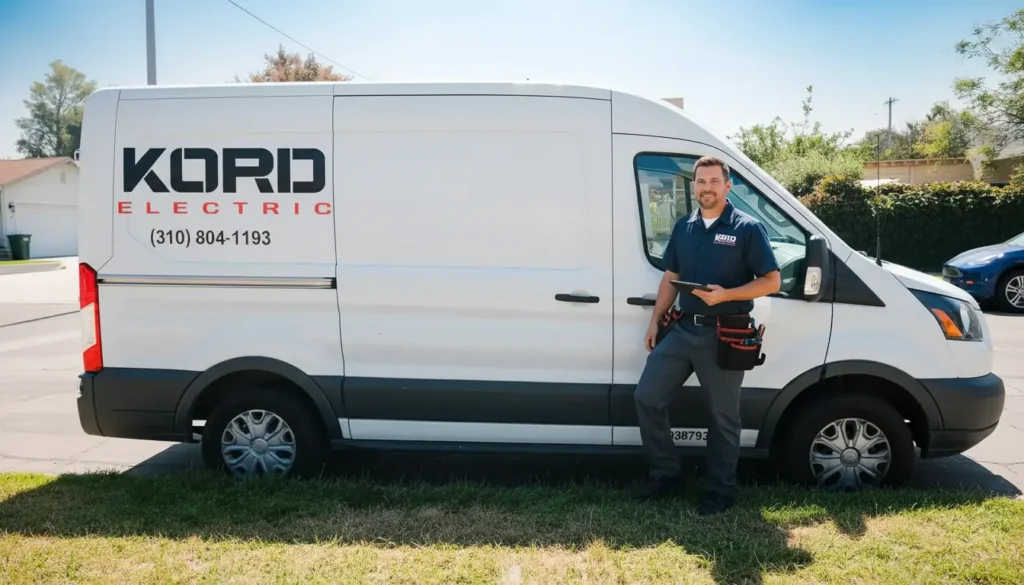
Kord Electric approaches Commercial Lighting Installation: Planning, Requirements & Best Practices like it is a checklist for real life, not a fantasy brochure. First, we plan for the space, the code path, and the inspection reality. Then we install with steady pacing, clean wiring, and documentation that an inspector can actually understand. Finally, our team tests, labels, and hands your facility off with clarity, not mystery. Our expert service staff walks clients through what we are doing and why, because nobody wants to hear “trust us” when it comes to power, safety, and compliance. Besides, we have seen what happens when lighting decisions are made like a last minute streaming binge. It feels fun until it fails, and then you have to rewind the whole episode.

What Lighting Inspection Really Looks For
When our technicians prepare a commercial or industrial facility for inspection, they focus on the same areas every time. Inspectors want evidence that the electrical system is safe, installed correctly, and maintained well enough to keep people protected. Therefore, Kord Electric pays attention to the basics with discipline: correct circuit protection, proper grounding, safe wiring methods, and correct labeling. Moreover, we verify that the lighting layout matches the design intent and the approved drawings. In other words, we do not just “make it light.” We make it light in a way that holds up when someone asks for proof.
To keep things calm and clear, our expert service staff explains the inspection path up front. They tell clients what documents will matter, what visuals inspectors usually check, and what common issues trigger failed results. Then, as the work progresses, we keep your site moving instead of pausing for avoidable fixes later. Our process is built for major properties where downtime costs real money, not for hobby projects where time is flexible.
Top Lighting Installation Mistakes That Trigger Failures
We start this section by referencing issues we see repeatedly in the field, including the types of lighting installation mistakes that fail inspections. And yes, some of these are preventable, which is almost rude. Our technicians treat each mistake as a warning sign, not an afterthought.
- Incorrect cable type or routing: Wiring must match the environment and protection needs. Exposed or improperly routed conductors become safety hazards fast.
- Poor grounding and bonding: If grounding is incomplete, you can see nuisance issues and real safety risks. We confirm connections and continuity before final closeout.
- Improper fixture placement: When fixtures do not match the plan, you can get glare, coverage gaps, and layout conflicts. We confirm mounting points early to avoid rework.
- Overloaded circuits: Facilities can add loads over time. We check design capacity and balance circuits so lighting does not become the weak link.
- Missing or confusing labels: If an inspector or service tech cannot identify circuits, the job may feel “invisible,” and invisibility is not a compliance strategy.
- Skipping documentation: Without as built updates, product records, and basic notes, inspections and future maintenance become slower and more expensive.
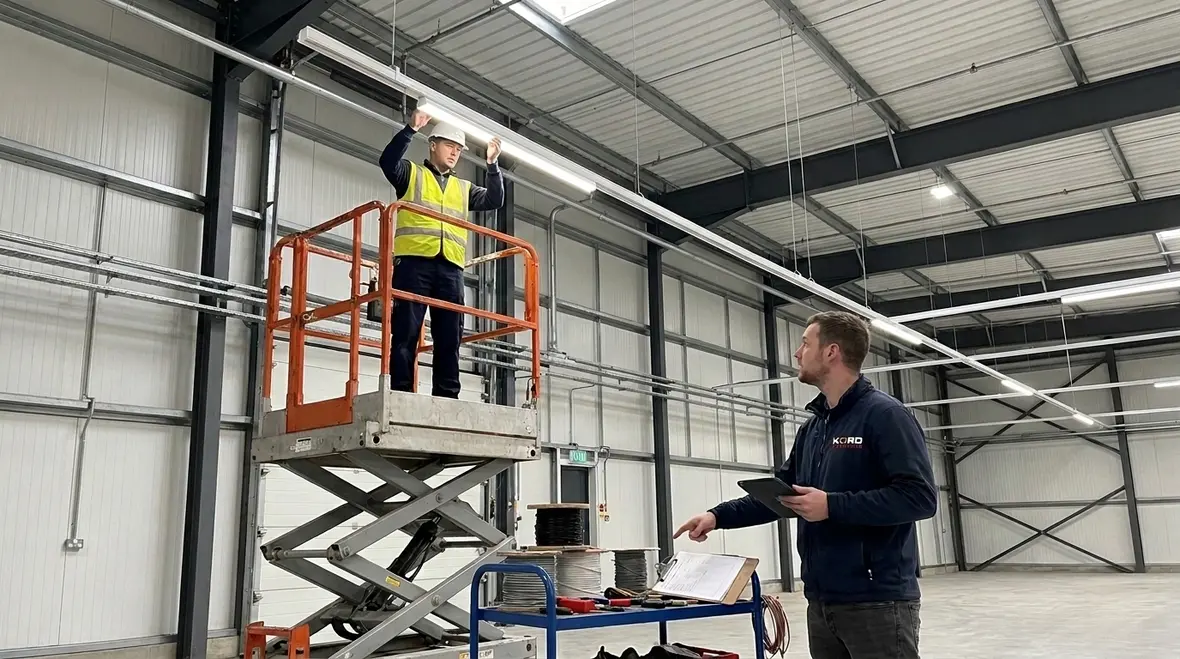
Consequently, we build a routine around verification. For example, we confirm rough-in before the walls and ceilings seal up. Then we verify again after fixtures mount. Lastly, we test controls, dimming, and emergency paths when applicable. Even if everything works at first, we do not let “it turned on” be the finish line.
For deeper examples of why these details matter, many facility teams also review related resources such as Kord Electric’s Lighting Installation Code Compliance Guide and the article on lighting installation mistakes that fail inspections, which walk through common failure points and how to avoid them on real job sites.
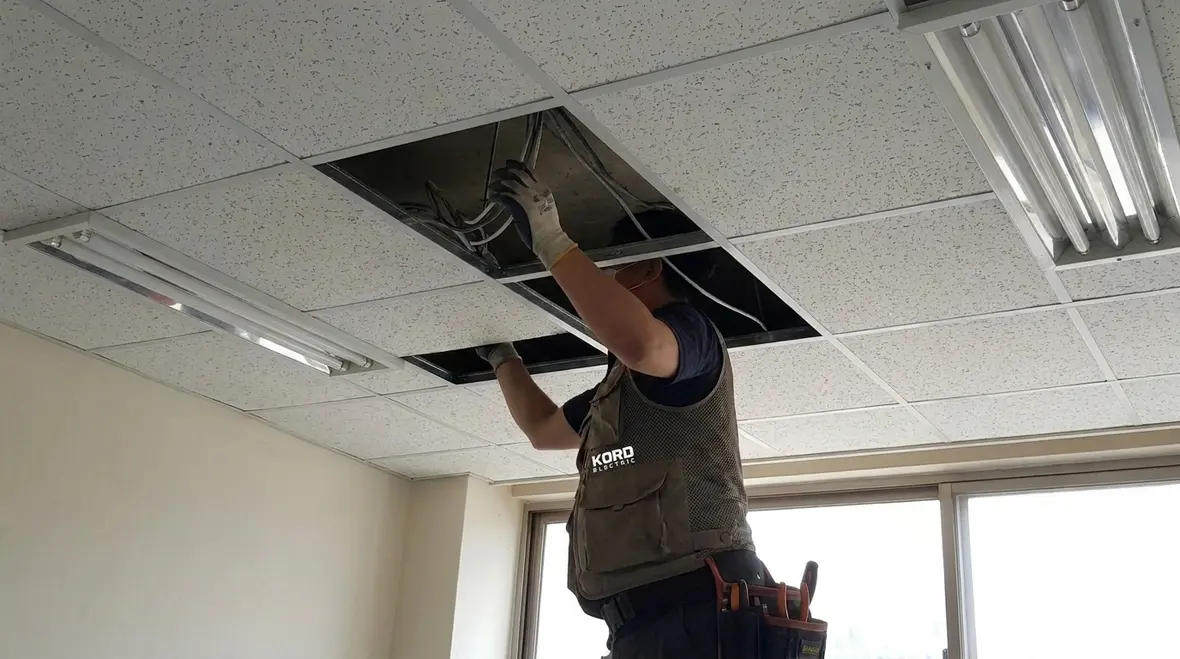
How Kord Electric Plans Load, Controls, and Layout Before We Touch Power
Good lighting feels effortless to occupants, but it happens only because someone did the hard thinking early. Therefore, Kord Electric starts with planning that supports both function and compliance. First, our technicians review facility requirements, including task needs, safety lighting expectations, and any operational schedules. Next, we evaluate the electrical capacity and lighting control strategy. We consider whether the space uses switches, occupancy sensors, daylight harvesting, or multi zone control.
Then we align lighting layout with real paths of movement. We map mounting heights, beam angles, and spacing so the site does not look like it was lit by a committee using a flashlight app. Additionally, we account for future changes common in commercial and industrial environments, such as tenant improvements, equipment relocations, or warehouse reconfigurations.
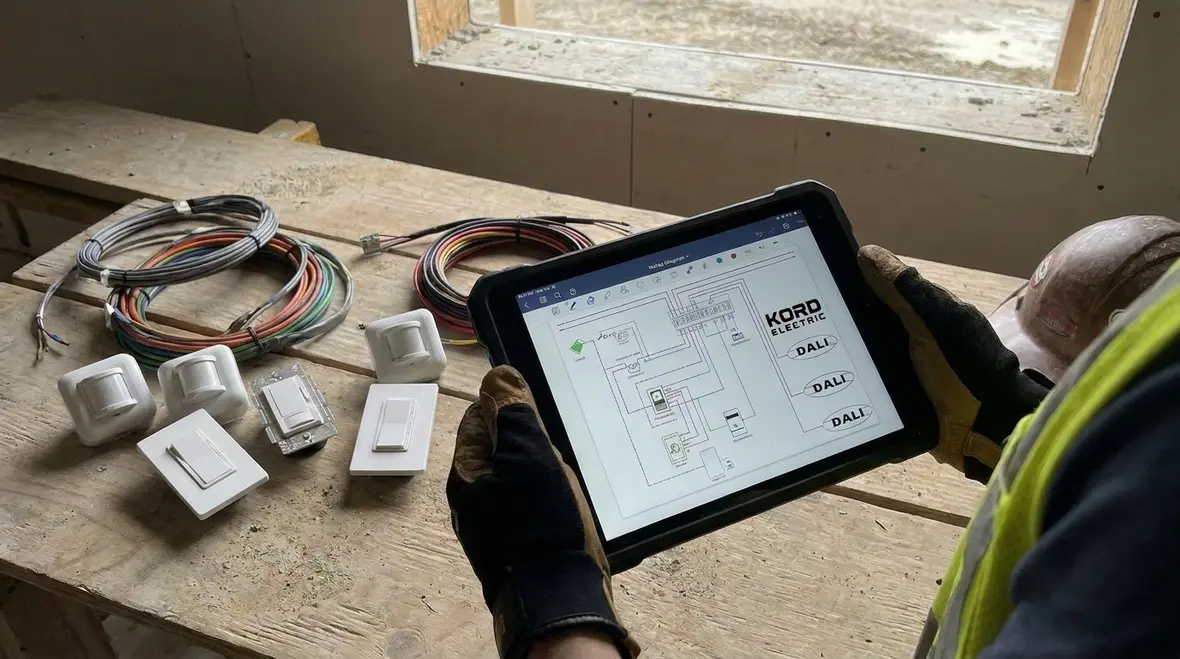
When our expert service staff leads a walkthrough, they translate the plan into plain language. They explain how controls reduce energy waste, how uniform coverage supports safety, and how layout decisions affect inspections later. Moreover, they point out where documentation matters, including fixture schedules, wiring diagrams, and labeling standards. This approach keeps your project predictable, and it protects your facility from last minute surprises.
Wiring, Grounding, and Circuit Protection Done the Right Way
Once planning is locked, the installation phase must stay disciplined. Because commercial and industrial facilities carry higher expectations, we treat electrical work like it deserves respect. Our technicians use proper wiring methods, follow approved routing practices, and ensure each connection holds up under load and conditions.
For grounding and bonding, we do not assume. We verify. We confirm that the system provides a safe path and that components connect as intended. In addition, we inspect circuit protection choices to ensure correct sizing and compatibility with the lighting load profile. Many problems do not show up immediately. However, failures can surface later through heat stress, intermittent trips, or control instability.
We also keep the workplace safe during installation. We secure materials, maintain clear work paths, and avoid rushed terminations. Then, after wiring and fixture mounting, we test each circuit and control function. At this stage, our expert service staff stays available to explain what we test, what results mean, and what needs correction before closeout. That communication reduces confusion for facility managers and helps you avoid “spot checks” that inspectors hate and owners dread.
Emergency, Dimming, and Controls for Real Operational Demands
Lighting in major property buildings often includes more than standard fixtures. Many facilities require emergency lighting, exit related illumination, and controls that support energy goals without sacrificing performance. Therefore, Kord Electric builds these systems with care and practical testing.
For emergency lighting, we verify proper operation and ensure components meet the functional requirements of your facility type. For dimming and sensor controlled areas, we test behavior under normal use. As a result, occupants experience smooth transitions, and staff can rely on predictable settings. We also check that controls do not introduce delays, flicker, or inconsistent coverage that turns a workplace into a “guess the light level” game.
And yes, we have heard jokes like “It feels like the lights are buffering.” We get it. Nobody wants tech that acts like a broken sitcom. So we take control wiring, configuration, and verification seriously. Our expert service staff explains the control layout in a way that maintenance teams can use. They show how the system behaves, how it recovers from power events, and where labeling supports faster troubleshooting later.
For facilities planning broader Commercial Lighting Installation: Planning, Requirements & Best Practices projects, these control strategies often pair well with energy efficient commercial lighting retrofits and automated lighting control upgrades, so efficiency improvements and inspection readiness move together instead of in separate, conflicting phases.
Documentation, Labeling, and Closeout That Keep Projects Moving
Some teams treat documentation like an after dinner mint. We treat it like the main course. For commercial and industrial lighting installation, clear records help with inspections, future repairs, warranty claims, and ongoing maintenance. Therefore, Kord Electric prepares closeout packages that support compliance and service continuity.
We maintain fixture schedules, product information, and as built updates. We verify circuit identification, labeling, and panel details so the facility can be serviced without guesswork. Also, we capture test results when controls and emergency systems require verification. Finally, we guide the client through what is included, what matters most, and how to use it.
Our goal is simple: we want your facility to run smoothly long after the final fixture is mounted. When documentation is complete, your operations team spends less time hunting for answers and more time managing the business. And that, honestly, is a win for everyone.
If your team wants to go even further, many facility managers pair commercial lighting installation projects with broader electrical safety audits, reliability assessments, and inspection readiness services so panels, breakers, and lighting controls stay aligned with code and operational goals across the entire power system.
For property managers in Southern California, these strategies often connect with regional programs like Los Angeles County electrical services for commercial and industrial facilities, where lighting, power distribution, and preventive maintenance get planned as one coordinated effort instead of fragmented, one-off repairs.
FAQ
Conclusion and Call to Action
If your facility needs lighting installed the right way, Kord Electric is ready. Our technicians plan carefully, install with discipline, and verify performance so inspections feel predictable, not stressful. We also keep our expert service staff involved to explain the system in plain language, because you deserve clarity, not confusion. Call Kord Electric to schedule an on site consultation for your commercial or industrial lighting project. Let us help your property light up with safety, compliance, and confidence, the way it should have from day one.
To explore more about how Commercial Lighting Installation: Planning, Requirements & Best Practices fits into your broader electrical strategy, you can also review related resources in the Kord Electric Blog, including guidance on lighting code compliance, inspection readiness, and common code violations that affect commercial properties.
When you are ready to move from planning into action, Kord Electric’s regional service teams support projects across Southern California with coordinated commercial lighting and power solutions that are built for real schedules, real inspections, and real-world operating conditions.