Data-Driven Electrical Design for Commercial and Industrial
Data-driven electrical design that protects commercial and industrial operations
Kord Electric delivers Data-Driven Electrical Design for Commercial & Industrial Facilities that helps teams keep power steady, budgets under control, and risks low. From the first load estimate to the final panel schedule, we build around evidence, not guesses. Then, we prove our choices with modeling, coordination, and clear documentation. As a result, the electrical system you get does not just look right on paper, it behaves right in the real world.
And yes, our process is detailed. That is on purpose. Electricity does not care about opinions. It cares about calculations.
Why modeling replaces guesswork in commercial projects
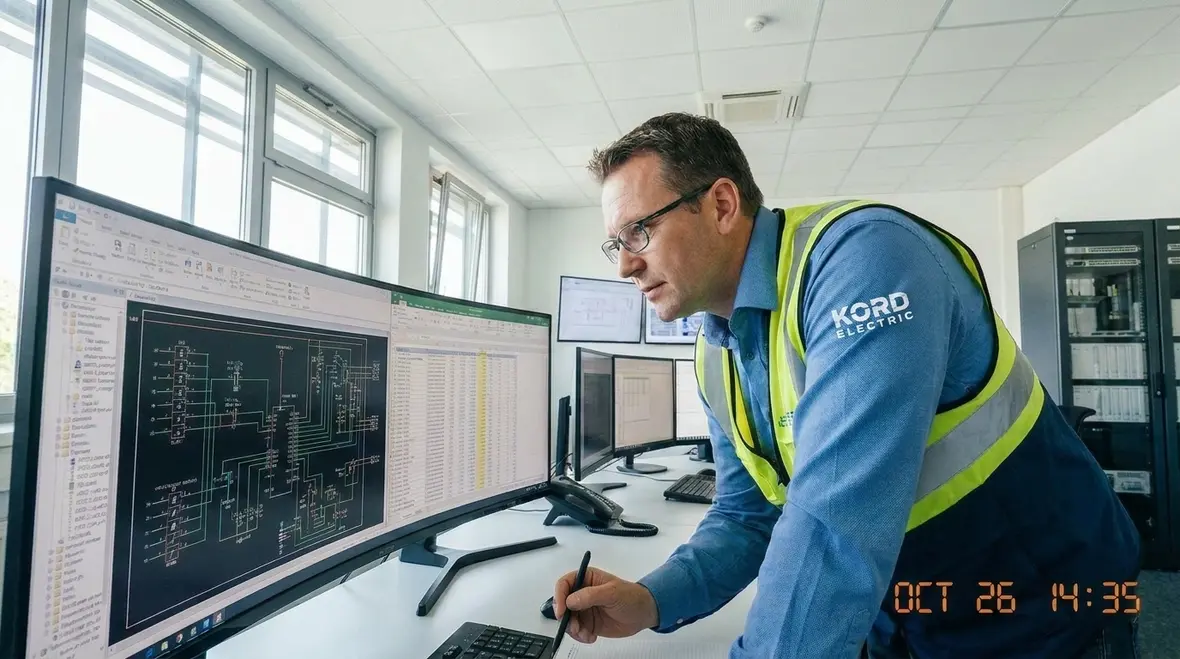
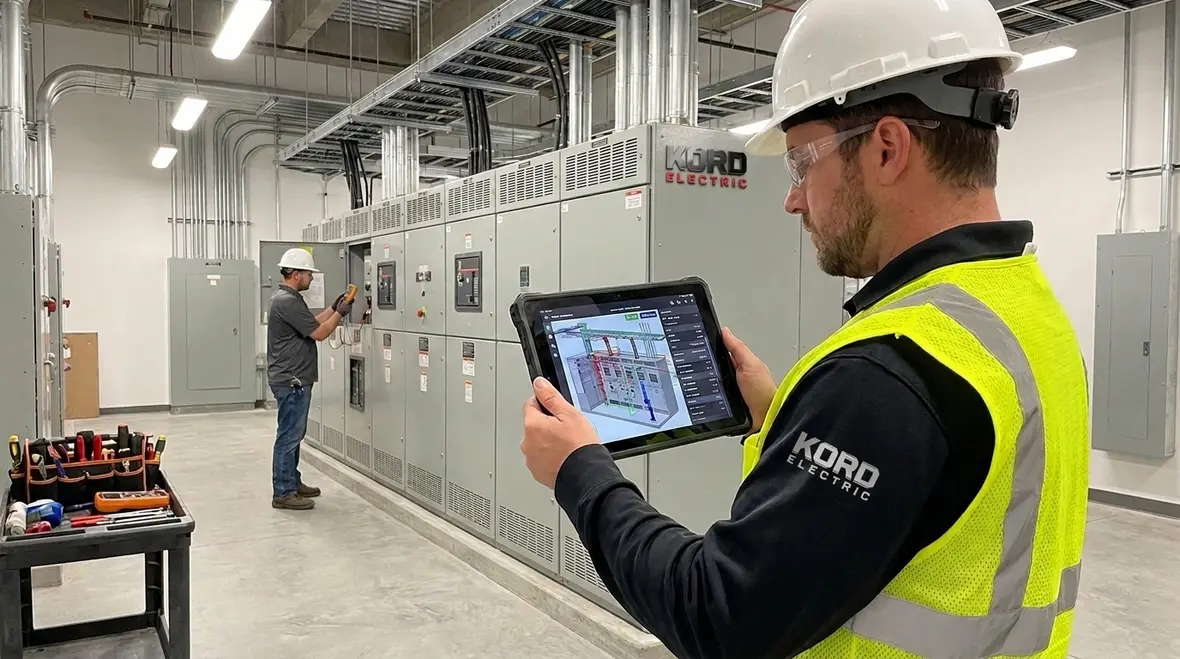
In commercial and industrial facilities, downtime costs money fast. Therefore, we start by gathering actual operating information and translating it into design inputs. We then use design and analysis tools to map how current flows, how loads start and change, and how protective devices should respond. This is how we reduce risk before issues reach the field.
At Kord Electric, our technicians and expert service staff also explain the “why” behind the decisions. When someone asks, “Why did you upsize that conductor?” we do not hand them a mystery. Instead, we walk them through the load profile, voltage drop targets, and fault current expectations. In other words, we make the electrical design understandable, not intimidating.
Later, we verify the system meets performance needs under realistic scenarios. After all, a building is not a static diagram. Equipment cycles, production runs, and occupancy patterns shift. So we plan for change instead of hoping for the best. That hopeful approach is popular in sitcoms, but not in electrical engineering.
How our electrical system design and build approach reduces risk
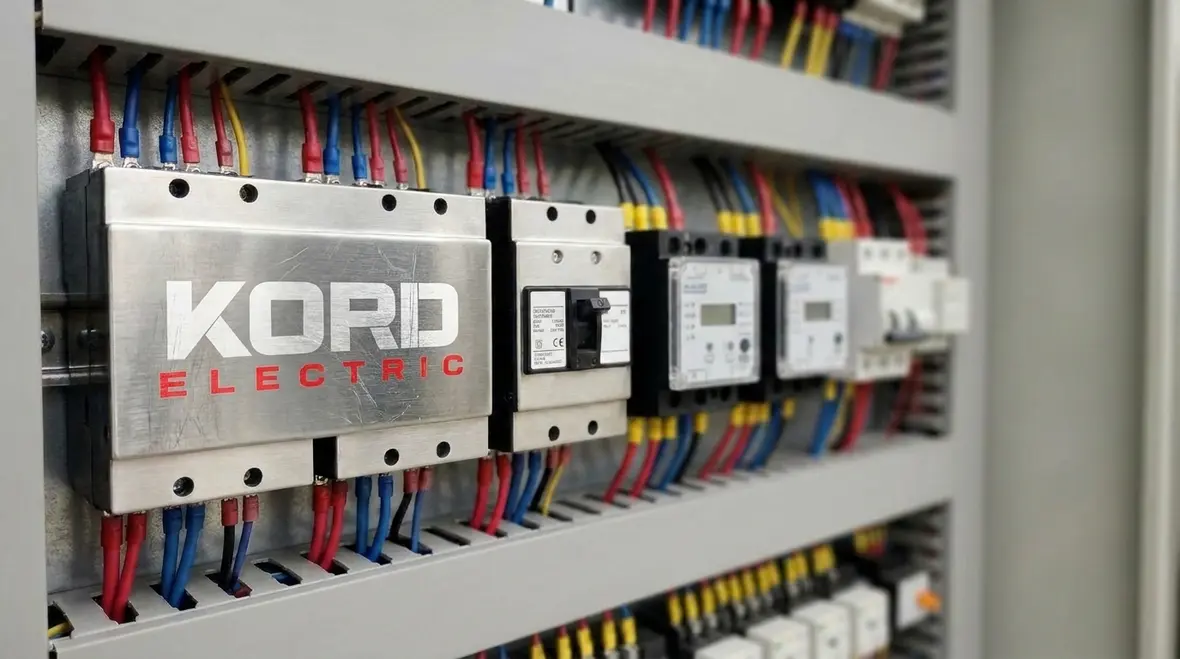
One reason our projects move smoothly is that we follow a system mindset, not a part-by-part mindset. We coordinate design and construction so the electrical system stays consistent from concept to install. As noted in our Kord Electric blog on how electrical system design and build reduces risk, integrating planning, documentation, and execution helps prevent gaps that can cause rework and delays.
In practice, this means we address key areas up front, such as load scheduling, fault protection strategy, grounding and bonding targets, and equipment interfaces. Then, we align the drawings, material selections, and installation requirements. When decisions remain consistent, fewer surprises appear at inspection time.
Additionally, we pay attention to how systems interact. For example, we evaluate how power quality needs affect sensitive loads, and how switching behavior affects equipment health. Consequently, we create designs that reduce operational stress. And if you are wondering whether this feels overkill, our field team would reply in one sentence: it is cheaper than fixing it after start up.

Load profiling for real operations, not showroom assumptions
Every major property building has its own rhythm. A distribution center runs differently than a medical office complex. A manufacturing plant lives on motor starts and process loads. Therefore, our approach relies on load profiling that matches how equipment actually works.
We work from schedules and namesplate data, then we refine them with operating context. We identify typical loads, peak conditions, demand factors, and start up characteristics. Then, we include growth expectations when the client anticipates expansions or phased commissioning.
At this stage, our technicians and service experts add practical insight. They help translate operational intent into electrical requirements. For example, our team may point out that certain loads do not behave like steady resistive loads. Instead, they pull current in waves. Then, we adjust protective coordination and conductor sizing accordingly.
To keep everything clean, we document assumptions clearly. As a result, stakeholders can review the design basis and understand the logic. Moreover, it makes project communication easier, which saves time when decisions must be made quickly.
Protective coordination, fault response, and selective troubleshooting
Power protection is where “good enough” becomes risky. So we focus on protective coordination across the system: upstream devices, downstream devices, and how they should behave under fault conditions. That means we aim for selectivity, so the right device clears the fault without taking down the entire facility.
We also consider how equipment ratings and fault current levels influence the design. Then, we verify that protective devices respond within safe limits for conductors and connected equipment. This is where the engineering work matters most, because protective devices do not just need to exist. They need to perform.
And when operations teams care about quick recovery, we make design choices that support selective troubleshooting. That translates into faster fault isolation, less guesswork during maintenance, and fewer “everyone panic” moments. In other words, we help prevent the electrical equivalent of a group chat where nobody knows who muted the mic.
Voltage drop, efficiency, and equipment longevity in the field
Voltage drop can look harmless until it affects performance. Then it shows up as nuisance trips, overheating, or equipment that does not last as long as it should. Therefore, we manage voltage drop as part of the design targets, not as a last minute cleanup.
For commercial and industrial facilities, we also care about efficiency. Losses in conductors and transformers add up over time, especially with long operating hours. So we evaluate conductor sizes and system loading so the electrical design supports cost control and stable operation.
Meanwhile, equipment longevity depends on correct loading and stable voltage. That is why our team considers both the electrical requirements and the practical realities of installation. In addition, our expert service staff explains how these decisions influence performance during commissioning and maintenance.
When the field team understands the basis, installation quality improves. And when install quality improves, the design stays valid. That loop matters more than people think.
Documentation, commissioning support, and training for facility teams
A strong electrical system includes more than wiring and panels. It includes clear documentation and a handoff that helps the facility staff operate with confidence. That is why we deliver organized project information: panel schedules, one line diagrams, equipment data, coordination reports when required, and installation notes that match the design.
During commissioning, we help verify performance and confirm the system behaves as planned. Then we support the client with guidance for startup, testing boundaries, and maintenance expectations. In addition, our technicians explain procedures in plain language, so your team is not left reading a binder like it is a thriller novel.
We also train facility stakeholders on what to look for during routine checks. For example, we guide them on monitoring trends, recognizing early signs of trouble, and understanding how protective devices should behave. Consequently, teams spend less time reacting and more time operating.
FAQ
CTA: let us design for stability, not surprises
If your facility runs on uptime, you cannot afford electrical design based on hope. Kord Electric applies careful engineering, clear documentation, and field aligned execution to support Data-Driven Electrical Design for Commercial & Industrial Facilities. Next, we review your loads, coordinate protection, and plan for real operating behavior. Then, our technicians and expert service staff guide commissioning and handoff so your team can maintain confidence after startup. Contact Kord Electric today to schedule a design review for your commercial or industrial project.
For facilities across the region, our Los Angeles County electrical services bring together data-driven design, code conscious installation, and responsive support so commercial and industrial operations can focus on production, not power problems.
If your project needs focused support on fixtures, controls, and energy performance, explore how our dedicated lighting installation services for commercial and industrial facilities integrate seamlessly with our broader electrical design and construction workflows.
When you are ready to move from ideas to action, Kord Electric connects data, design, and field experience so your electrical system supports your business without drama.